

Ask a facility manager to list the strengths of LED lighting, and the answer comes quickly: efficiency, long life, compact size. Ask about the weaknesses, and the conversation usually slows down. That silence is risky, because LEDs are now the default for industrial, commercial, and residential projects, and every technology has trade-offs. If you are evaluating LED fixtures for a workshop, a supermarket, or a home, you need the full picture before you sign the purchase order. This article looks at nine real challenges with LED lighting, from upfront price to driver failures, and explains from a manufacturer's engineering perspective why each one exists and how quality design can control it. We build and test LED luminaires and LED drivers in TUV and SGS witness laboratories, and we participate in national and industry standard development, so the perspective here is practical rather than promotional.
LED luminaires do cost more at the counter than many traditional options. The price difference comes from real components: the semiconductor chip, the constant-current driver, the optical lens, and the thermal structure. A fixture that skips these elements can be sold very cheaply, but it also ages faster and produces less stable light. When we calculate total cost of ownership, the cheap fixture often costs more after early replacement and energy waste. That is why our engineers evaluate lighting proposals by expected service life and maintained light output, not by unit price alone. As a manufacturer with 123 patents, we have seen the same pattern in test after test: an LED product without adequate thermal design may deliver noticeably lower light output within a year.
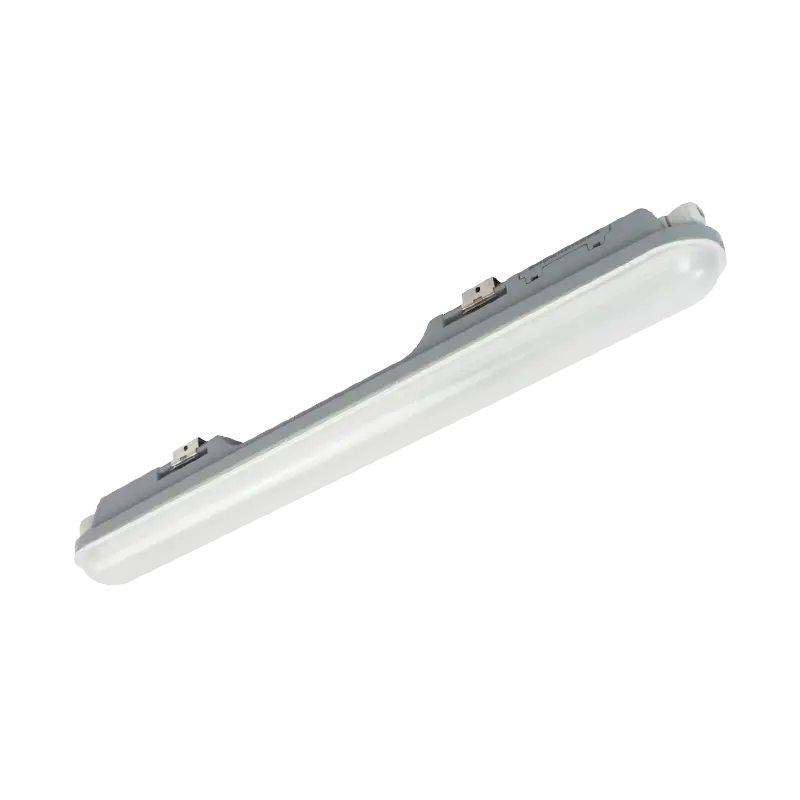
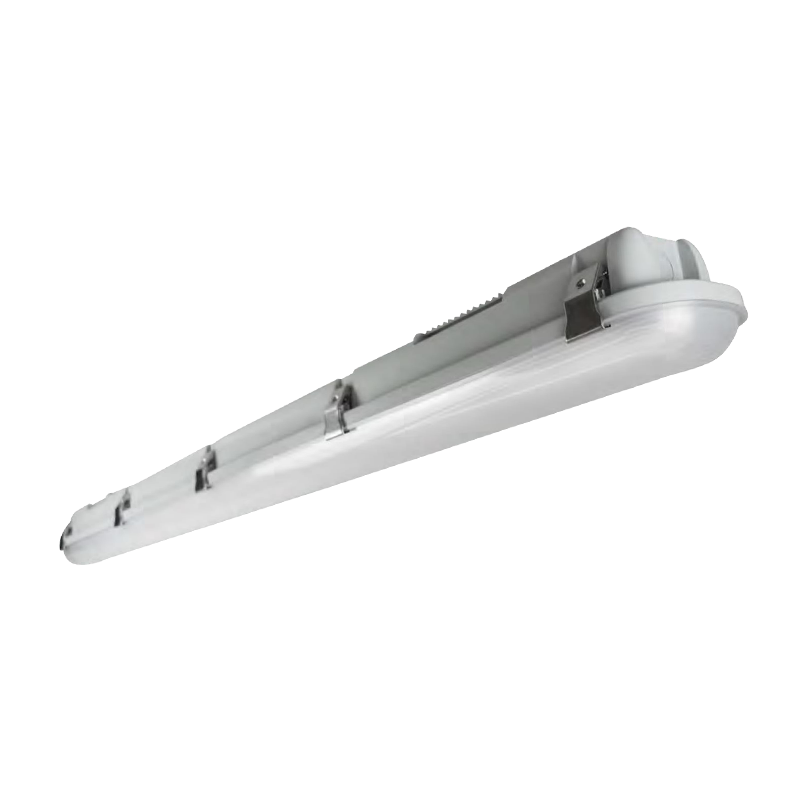
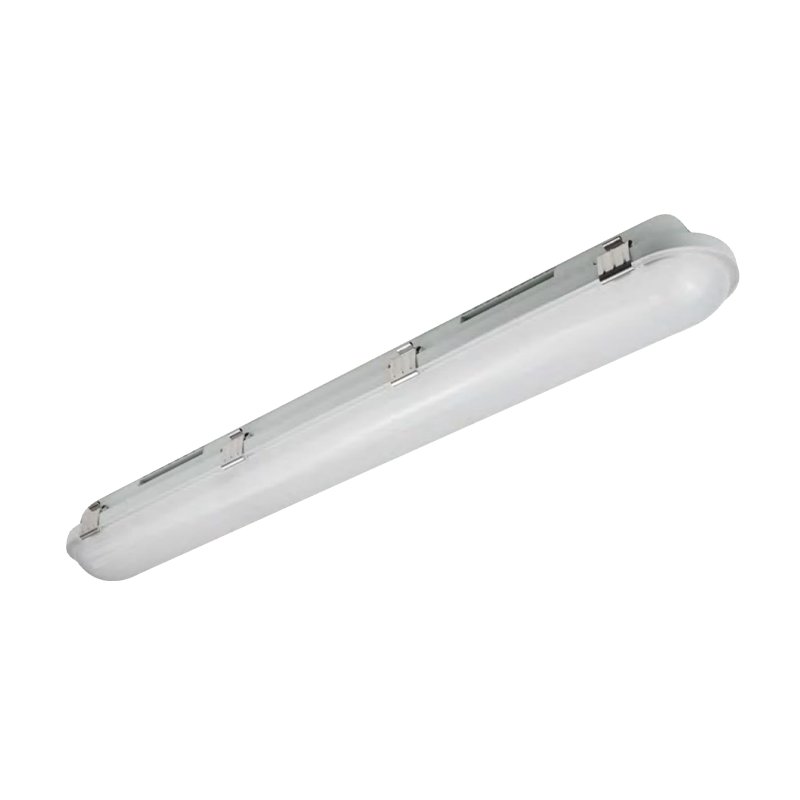
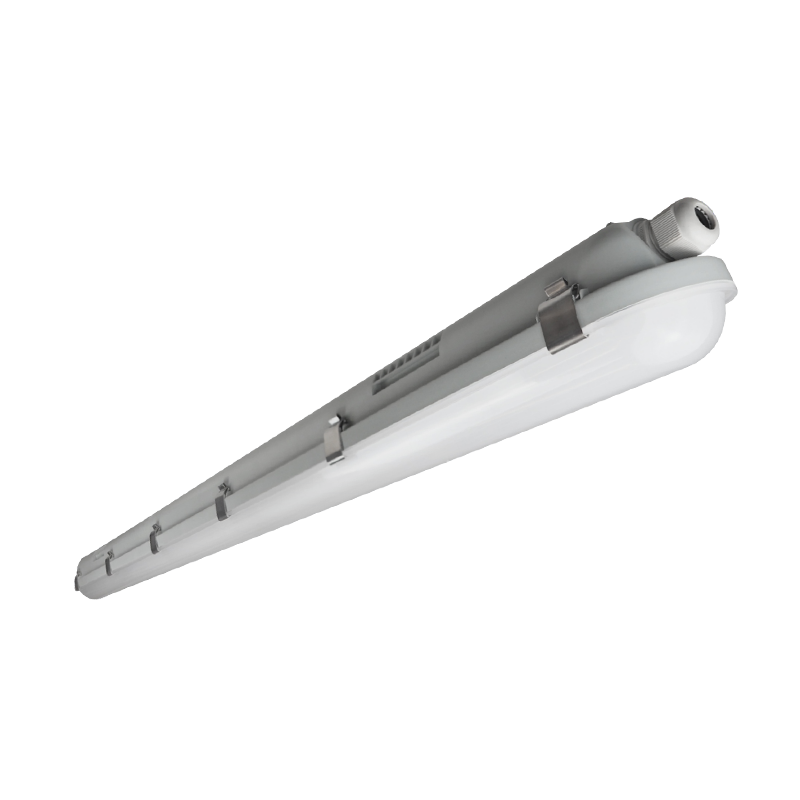
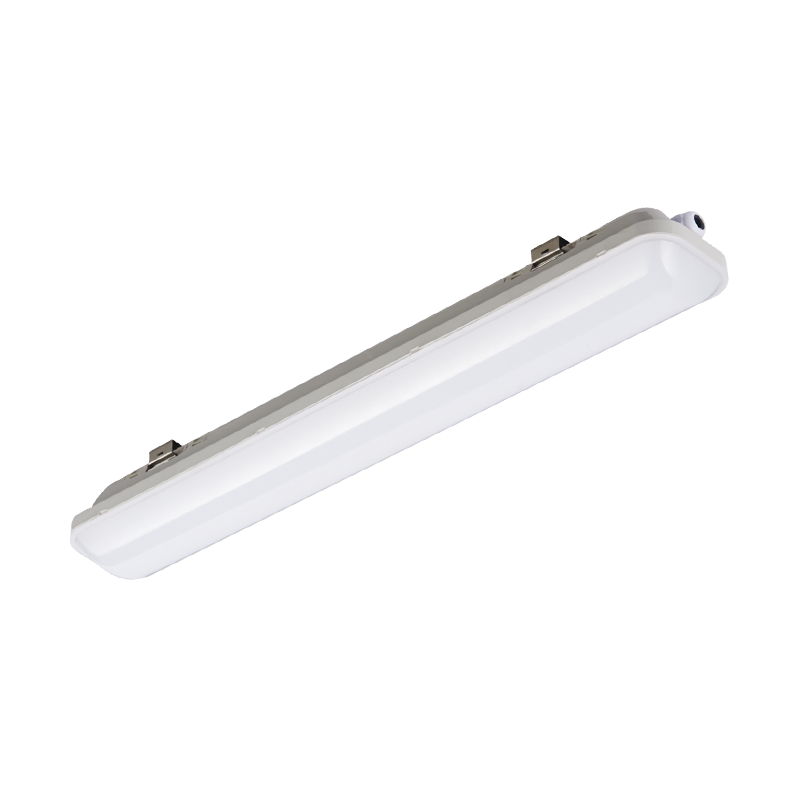
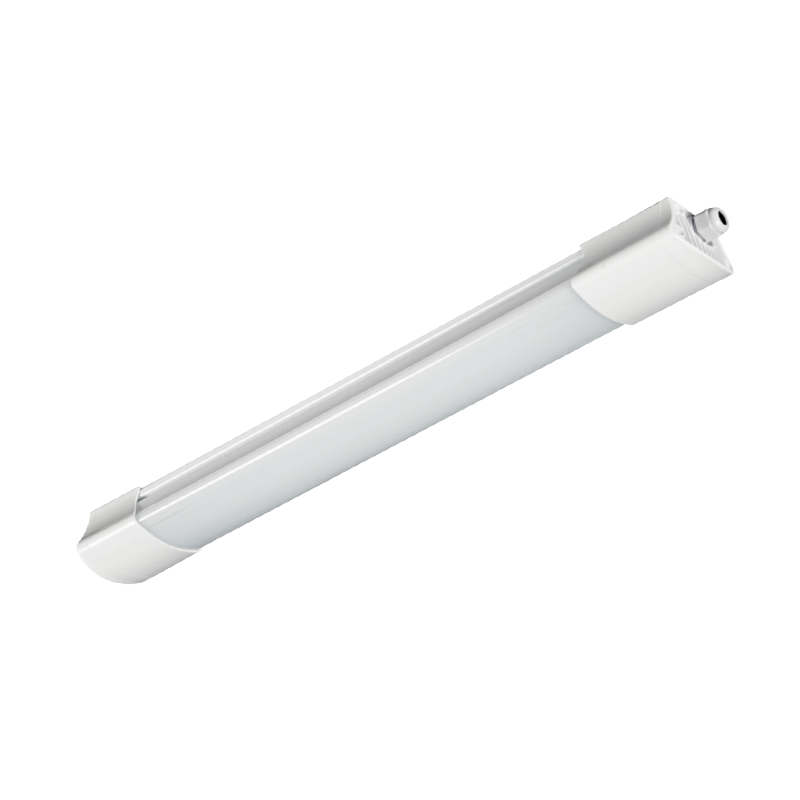
LED chips are far cooler than incandescent filaments, but the story is different inside a sealed fixture. The driver electronics generate heat, and the LED junction itself loses efficiency and lifespan as temperature rises. Performance depends heavily on the ambient temperature of the operating environment. In a hot workshop or an enclosed ceiling cavity, over-driving the LED can cause the package to overheat and accelerate lumen depreciation. The EU SCHEER review noted that drive electronics may be hot and require cooling. This is why thermal management is one of the first things our engineers check. The most effective passive solution is aluminum construction, which conducts heat away from the chip and driver. Our aluminum alloy LED tri-proof light with optimized thermal design is an example of how housing material, fin layout, and contact surfaces work together to keep the junction cool. For a deeper technical review, see our article on the thermal management system for LED tri-proof lights.
 Custom LG06J Aluminum Alloy 120° Beam Angle LED Tri-Proof Light Suppliers, OEM/ONingbo Longer Lighting Co., Ltd. is China LG06J Aluminum Alloy 120° Beam Angle LED Tri-Proof Light Suppliers and OEM Factory, details: M...View Product →
Blue light gets the most attention of any LED concern, and it deserves a measured answer. The EU Scientific Committee on Health, Environmental and Emerging Risks concluded that LED optical radiation can potentially damage the eyes and skin only under certain circumstances, depending on exposure, intensity, and duration. The bigger practical issue is timing. High color temperature light in the evening suppresses melatonin and can delay sleep. That is not a reason to reject LEDs; it is a reason to select the right color temperature and fixture design. A warm white source in the 2700K to 3000K range reduces the blue component. Dimming lowers intensity later in the day, and anti-glare optics limit direct exposure. These choices keep the energy and lifespan benefits of LED while reducing the health concern. In our testing, we have seen color temperature variations of 500K or more even among fixtures labeled with the same value, so verify the spec rather than assuming.
Flicker is not caused by the LED chip; it is caused by the power supply. A poorly designed driver produces current ripple, and when the LED is paired with a conventional leading-edge dimmer built for incandescent bulbs, the result is visible flicker, buzzing, or uneven dimming. LEDs need dimming drivers designed for their low power draw and constant-current behavior. Some existing dimmers also require a minimum load, which an LED may not provide. The engineering answer is a compatible driver and a matching dimming protocol. But compatibility is not only about the driver; the fixture's control interface and the dimmer's load range matter too. Worth noting: many flicker problems disappear after replacing the driver, something our engineers confirm regularly when customers send failed fixtures for analysis. So check driver quality before changing the whole luminaire.
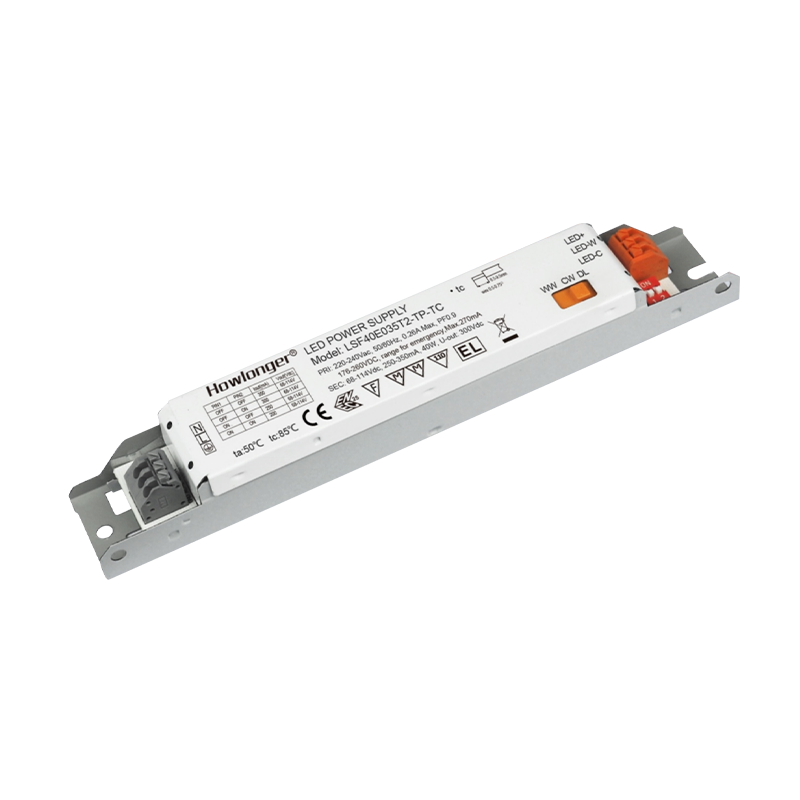
LEDs are current-driven devices. When line voltage fluctuates, a weak driver passes that variation directly to the chip, causing brightness shifts and stressing the LED. In locations with unstable grid voltage or long supply lines, low-quality LED luminaires fail much faster. A constant-current driver is the most important defense. It regulates current independently of input voltage, so the LED maintains stable light output and the fixture delivers its rated performance over a wider voltage window. This is a core design area for us, because the reliability of the whole luminaire depends on it. We support these projects with our range of constant-current LED power supplies for load matching, dimming, and higher-temperature environments. When a project includes voltage-sensitive areas or poor power quality, the driver selection is not an accessory decision; it is a system decision.
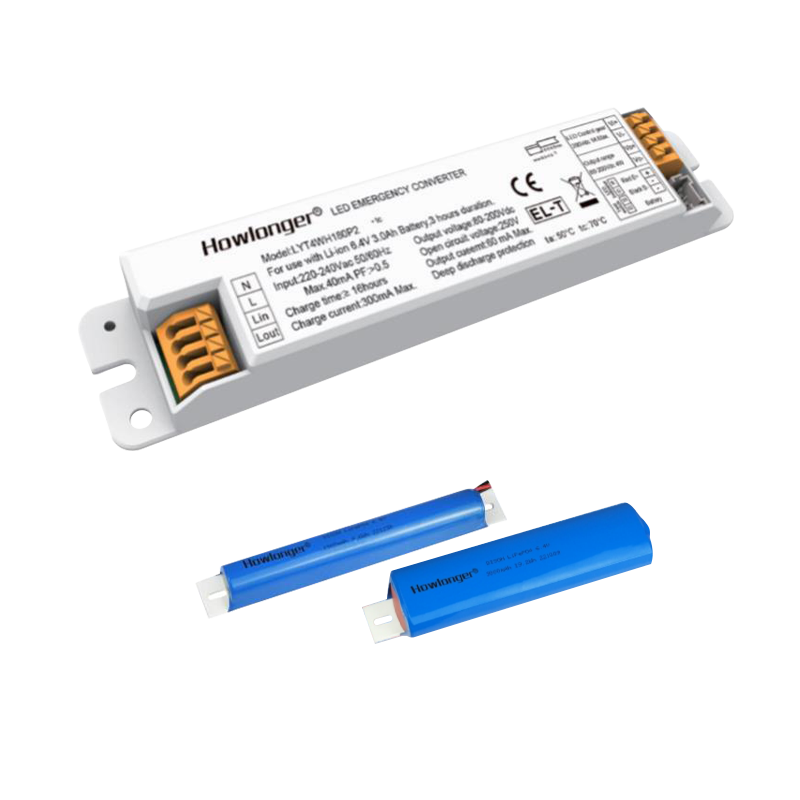 Wholesale Indoor LED Power Supply Factory, ManufacturersNingbo Longer Lighting Co., Ltd. is China LED Power Supply Manufacturers and LED Power Supply Factory, supply Wholesale LED Power Supply ...View Product →
Typical phosphor-based cool-white LEDs have a strong peak around 460 nm and a dip near 500 nm, which can make red surfaces look less saturated. That is why the same fabric or paint can look different under LED than under daylight. CRI alone is not enough to predict this effect, because two LEDs with the same CRI can render a specific color differently. We recommend checking R9, the deep-red rendering value, for applications like retail displays, food lighting, or medical environments. Quality LED modules with high R9 address the color rendering issue. Our engineers use calibrated spectroradiometers in our witness laboratories to verify color metrics before a product ships. Again, this is a selection issue, not a reason to avoid LED technology. If color accuracy matters, specify CRI and R9 requirements in your purchase order.
LEDs seldom burn out suddenly; they fade. Over time, light output slowly decreases, and the rated life is usually defined as L70, the point where output drops to 70% of initial lumens. A 50,000-hour rating does not mean the fixture will shine at full brightness for 50,000 hours. It means the expected useful life under defined conditions. The rate of depreciation depends mainly on the chip temperature and driver current. Excessive heat accelerates the fade. That is why LM-80 data and thermal testing matter more than marketing claims. LED manufacturers with TUV and SGS witness laboratories can run the tests and show real curves. If a budget fixture does not specify L70 or an operating temperature range, treat the lifetime number with caution.
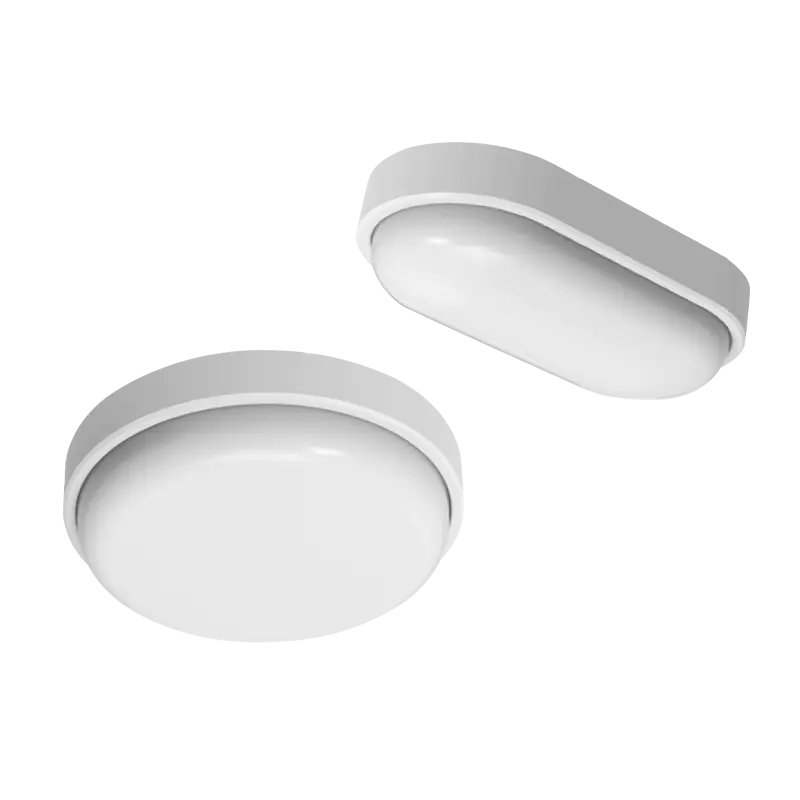
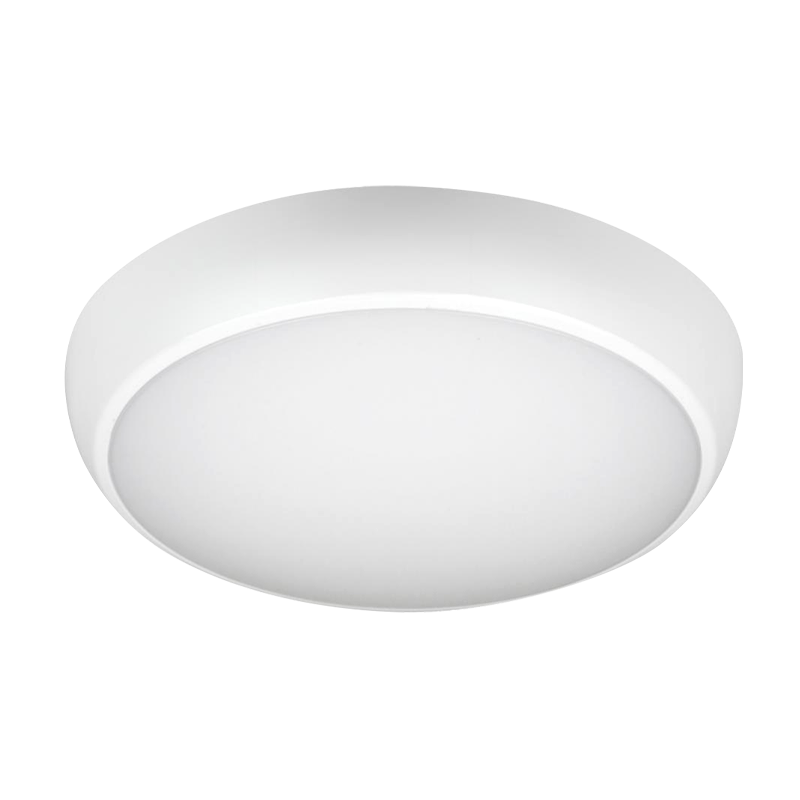
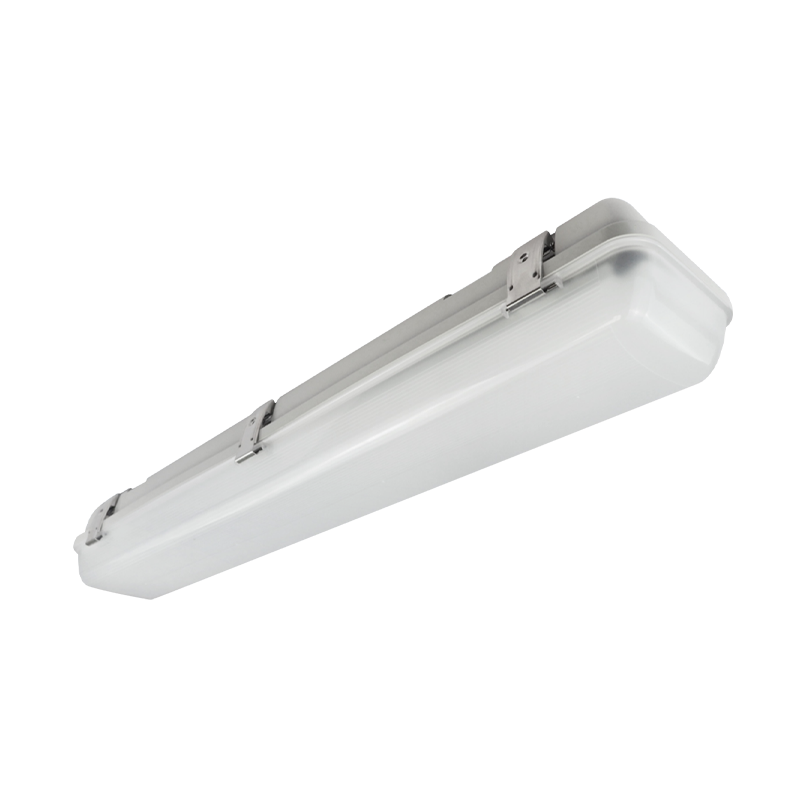
Because the LED emitter is small and bright, it can create harsh glare when used without a lens, reflector, or shield. This is common in low-cost downlights and bulkheads where the source is directly visible. The solution is optical control. The beam angle defines how light spreads: a 120-degree angle softens the transition and reduces hot spots in many indoor spaces, while anti-glare rings and diffusers limit direct view of the source. Our anti-glare LED bulkhead luminaire with adjustable dimming combines an adjustable anti-glare design with dimming, so the user can aim light away from the eye and lower intensity when needed. In workshops, corridors, and entry areas, this is a practical way to keep visibility while controlling discomfort.
Custom LG19D Adjustable Anti-glare Dimmable Indoor LED Bulkhead Suppliers, OEM/ONingbo Longer Lighting Co., Ltd. is China LG19D Adjustable Anti-glare Dimmable Indoor LED Bulkhead Suppliers and OEM Factory, details: M...View Product →The LED package can last beyond 50,000 hours, but the driver, the small power supply inside every luminaire, often fails first. Heat is the main enemy, and inside most drivers, electrolytic capacitors have a limited lifetime that shrinks as temperature rises. When we see a failed LED fixture, the chip is often healthy; the driver has failed. This is why we design and manufacture our own LED power supplies, with component margins selected for the expected heat of the fixture. It is also why a fixture and driver should be matched as one system rather than combined from unrelated parts. For high-vibration environments, verify that the driver is secured and potted if necessary.
Are LED disadvantages manageable? Yes, if three conditions are met. First, buy from a manufacturer that has engineering testing capability and publishes real performance data. Second, match the driver and power supply to the fixture and the site conditions. Third, select color temperature, CRI/R9, and beam angle according to the application. Done that way, the so-called disadvantages become design parameters. The fundamental efficiency and lifespan benefits remain, and the lighting system performs predictably for years. In our experience, most LED failures trace back to poor design choices and unverified components, not to LED technology itself. Understanding the drawbacks is how you buy better.



No.8, Ankang West Road, Zonghan Street, Cixi City, Zhejiang Province, P.R.China
0086-574-6320 0283
Copyright © Ningbo Longer Lighting Co., Ltd.
All Rights Reserved.
 Wholesale LED Lighting Fixtures Manufacturers

 Deutsch