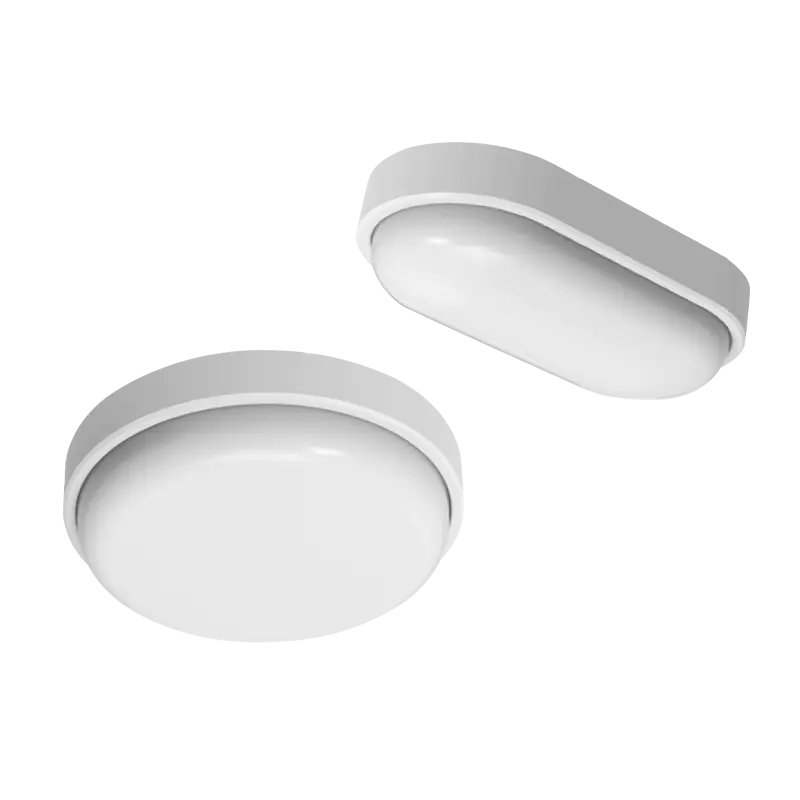


Yes, some lights are brighter than LEDs—but only if you define "brighter" carefully. High-intensity discharge (HID) lamps and plasma light engines can produce more total lumens from a single source than a typical LED module. A metal halide lamp can emit 20,000 to 100,000 lumens from one bulb, and a plasma unit can deliver 20,000 to 30,000 lumens. A single LED module, by comparison, typically produces only a few hundred to a few thousand lumens before multiple modules are combined into an array.
LED still dominates new industrial and commercial lighting projects because "brighter" is not a single measurement. Lighting engineers separate total light output (lumens), light arriving on a surface (lux), intensity in a specific direction (candela), the efficiency of converting electricity into light (lumens per watt), and the practical quality of that light (beam angle, color rendering, glare). HID wins on raw single-source output. LED wins on nearly every factor that affects long-term performance and cost. The rest of this guide explains the difference and helps you choose the right technology for your building.
Wattage measures power consumption, not light output. A 100 W incandescent lamp and a 100 W LED fixture produce completely different amounts of light. The correct measure of total output is the lumen. Halogen lamps deliver roughly 16-24 lumens per watt. Standard LEDs deliver 80-100 lm/W, and high-end modules exceed 200 lm/W. That is why a 15 W LED can produce the same luminous flux as an 85 W halogen lamp.
Lumens describe the total light a source emits. Lux describe how much light lands on a surface—one lux equals one lumen per square meter. Candlepower (measured in candela) describes the intensity of light in a specific direction. The three numbers answer different questions: how much light is made, how much reaches the task, and how concentrated the beam is.
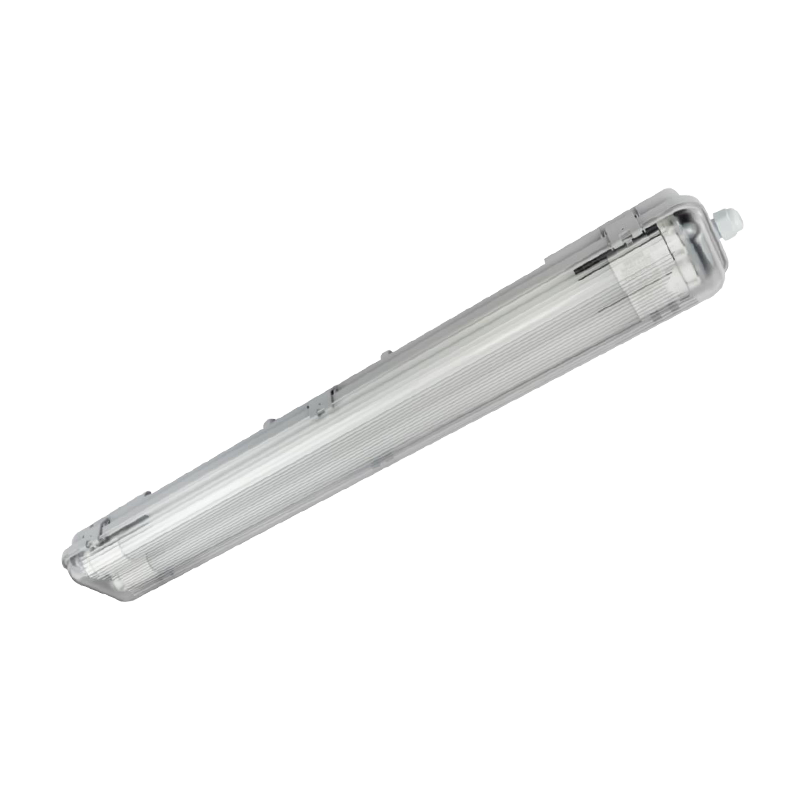
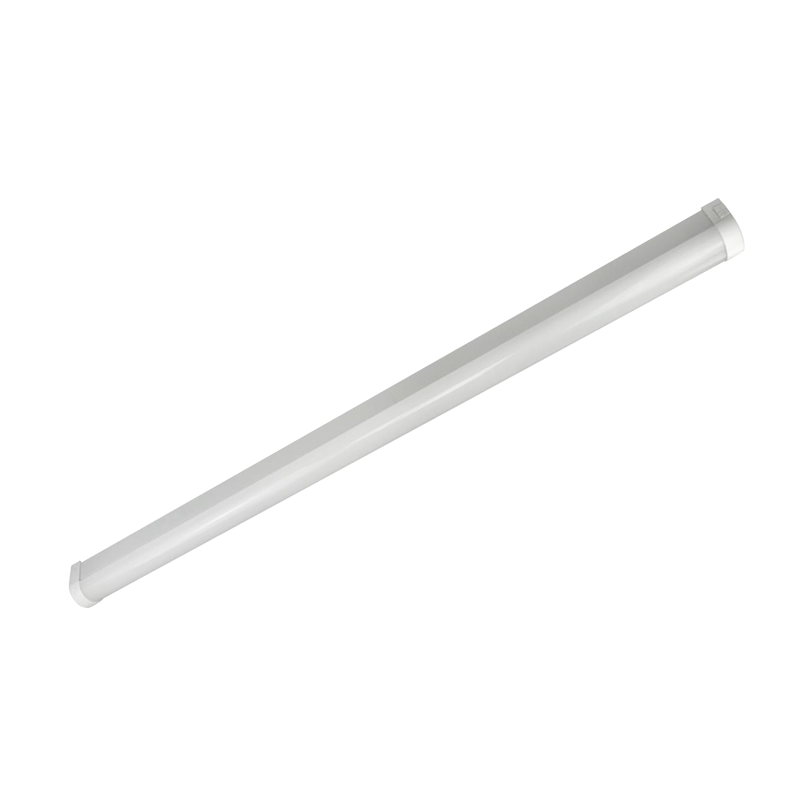
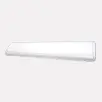
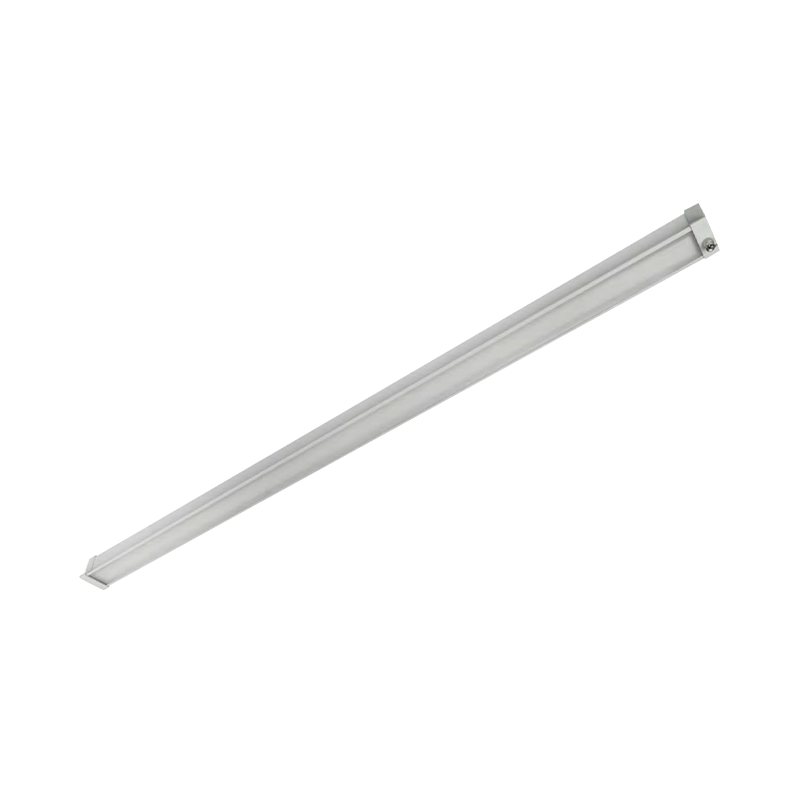
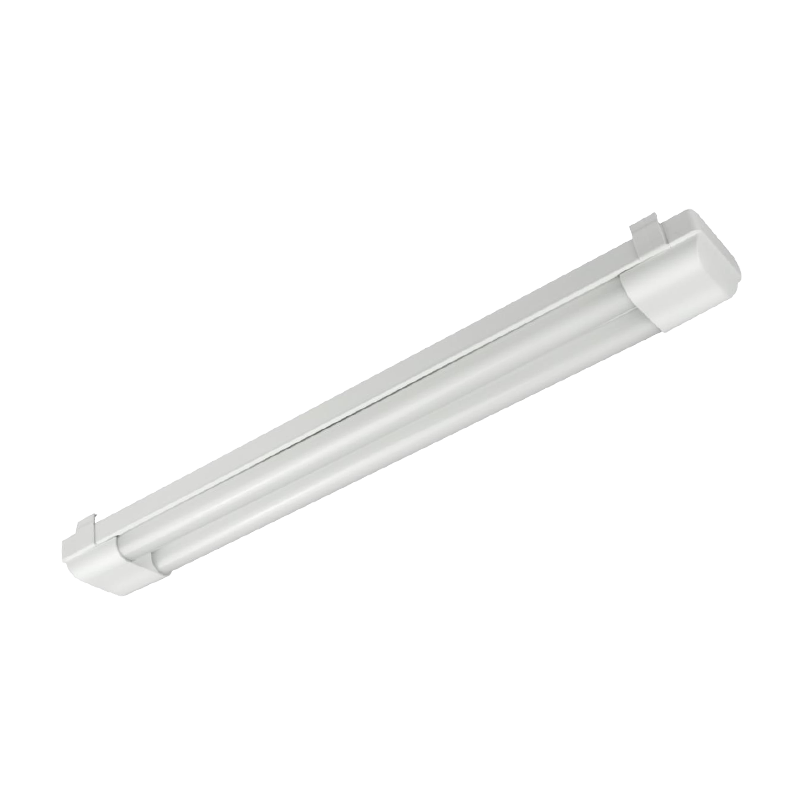
Beam angle ties these numbers together. Two luminaires can both emit 20,000 lumens, yet produce very different results. If you narrow the beam angle from 60° to 30°, the lux on the floor roughly triples because the same flux is compressed into a smaller area. That is why you should evaluate industrial fixtures by beam distribution, not just by lumen count. For even illumination across a large indoor space, slim LED batten fittings engineered with a wide 120° beam angle spread light over a broad work plane; for tall high-bay mounting, a narrow-reflector optic concentrates the same lumens onto a focused task area.
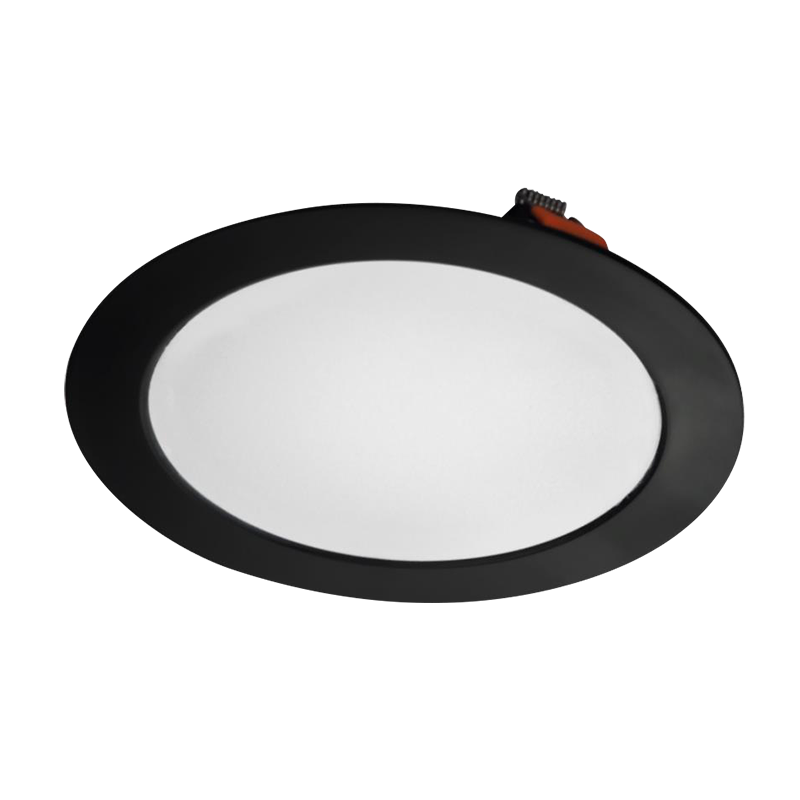
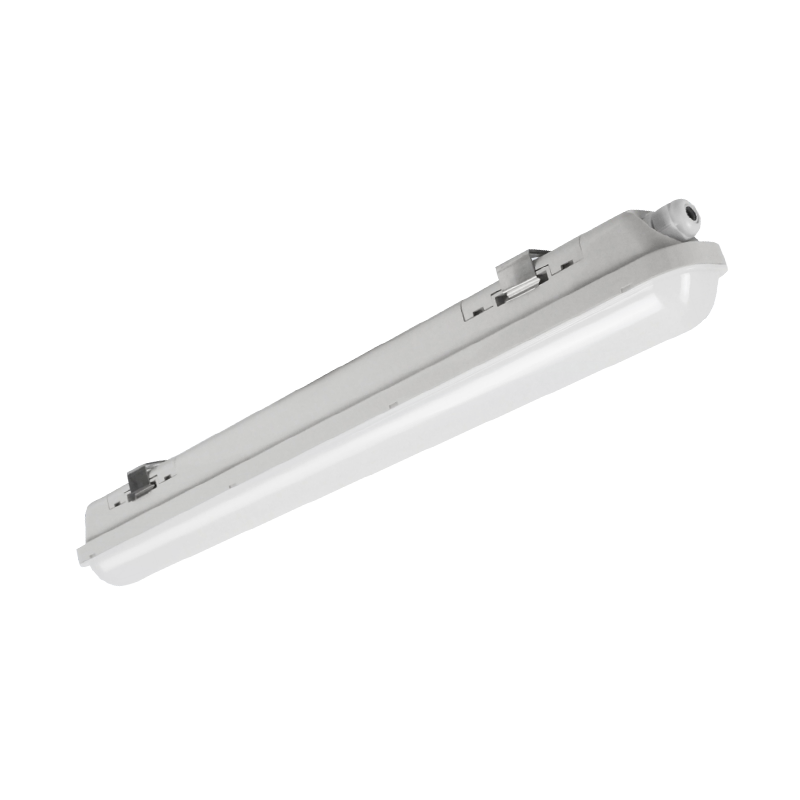
 Custom LG15D 120° Beam Angle Slim LED Batten Fitting IP20 Suppliers, OEM/ODM FacNingbo Longer Lighting Co., Ltd. is China LG15D 120° Beam Angle Slim LED Batten Fitting IP20 Suppliers and OEM Factory, details: Model N...View Product →
Color temperature also shapes perceived brightness. At the same lumen output, a 5000K-6500K cool-white source appears visually brighter than a 3000K warm-white source because the shorter wavelengths stimulate the eye's photopic response more strongly. That perception is real but psychological; it does not change the physical light output.
If you compare single light sources at their maximum output, four technologies can beat a typical LED in at least one meaningful dimension: HID lamps (both metal halide and high-pressure sodium), plasma lighting (LEP), fluorescent systems arranged in multi-lamp banks, and laser-based sources. Each has a different brightness profile and a different set of trade-offs.
Metal halide lamps still power many stadiums, high-bay warehouses, and parking lots because a single lamp can produce 20,000 to 100,000 lumens. Their efficacy sits at 65-90 lm/W and their color rendering ranges from 65 to 85 on the CRI scale. High-pressure sodium performs better on efficacy—some lamps reach 130-150 lm/W, comparable with standard LEDs—but its CRI is only about 25, which makes colors appear yellow and muted. Both HID families share structural downsides: a 3-10 minute warm-up before reaching full output, a cool-down period before restriking, and a rated life of roughly 10,000-24,000 hours.
Light-emitting plasma (LEP) compresses an intense arc into a small bulb and delivers 20,000-30,000 lumens from a single source at an efficacy of about 90 lm/W. Its color temperature of approximately 5600K-6500K is close to daylight, which is why LEP appears in sports broadcasting, stage production, and film lighting. The trade-offs are equally clear: high purchase price, specialized installation, and maintenance that typically requires factory-trained technicians.
A single T5 or T8 tube emits roughly 2,000-5,000 lumens, but a multi-lamp troffer or linear bank can reach high total flux. System efficacy, including ballast losses, lands near 60-90 lm/W—a range that modern LEDs already exceed. Fluorescent also brings three drawbacks to industrial buyers: mercury content that requires special disposal, relatively fast lumen depreciation, and reduced output in cold environments.
Laser sources generate extreme luminous intensity per unit area. Automotive laser headlamps achieve roughly three to five times the intensity of LED headlamps, but the illuminated area is tiny and the application range is narrow. For general and industrial lighting, the practical frontier is the multi-LED array: multiple high-efficacy LEDs (150-200 lm/W) combined with precision optics, efficient drivers, and thermal management to produce fixture-level outputs of 30,000-60,000 lumens and beyond. This is how LED systems match or exceed the single-source output of HID while consuming far less energy.
| Light source | Efficacy (lm/W) | Single-source output (lm) | Rated life (hours) | Typical CRI |
|---|---|---|---|---|
| LED (module / array) | 100-200 | Module: hundreds to thousands; arrays: 30,000-60,000+ | 50,000-100,000 (L70) | 80-90+ |
| Metal halide (HID) | 65-90 | 20,000-100,000 | 10,000-24,000 | 65-85 |
| High-pressure sodium (HID) | 130-150 | 15,000-90,000 | 16,000-24,000 | ~25 |
| Plasma (LEP) | ~90 | 20,000-30,000 | 20,000-40,000 | 70-90 |
| Fluorescent (T5/T8) | 60-90 | 2,000-5,000 per tube | 15,000-30,000 | 80-90 |
Peak brightness is only one line in the specification sheet. In real facilities, five factors determine which technology is the actual winner.
LED efficacy of 100-200 lm/W beats metal halide's 65-90 lm/W and roughly matches the best high-pressure sodium. Consider a facility that needs 30,000 maintained lumens per fixture, running 8,760 hours per year at $0.12/kWh. A metal halide system draws roughly 375 W; an LED system at 150 lm/W draws about 200 W. The 175 W difference adds up to roughly $180 in avoided electricity per fixture per year—between $150 and $250 depending on the exact efficacies. For a warehouse with 100 fixtures, that is $15,000-25,000 in annual savings.
Rated life is the second deciding factor. LEDs are rated at 50,000-100,000 hours to L70, meaning the fixture still delivers 70% of its initial lumens at that point. Metal halide lamps last 10,000-24,000 hours; fluorescent tubes last 15,000-30,000 hours. In high-bay applications, the labor and equipment needed to replace a lamp—scissor lift, crew time, production downtime—typically costs five to ten times the price of the lamp itself. A metal halide warehouse may need three or four re-lamping cycles during the life of a single LED fixture.
LEDs reach CRI 80-90+ while keeping consistent color across fixtures and over years of operation. High-pressure sodium sits near CRI 25, and metal halide drifts in color temperature as it ages. Flicker matters too: low-quality drivers can create strobing that is invisible to the naked eye but disrupts production lines and security cameras. Well-designed LED drivers eliminate that problem, which is why video-surveilled facilities increasingly specify LED.
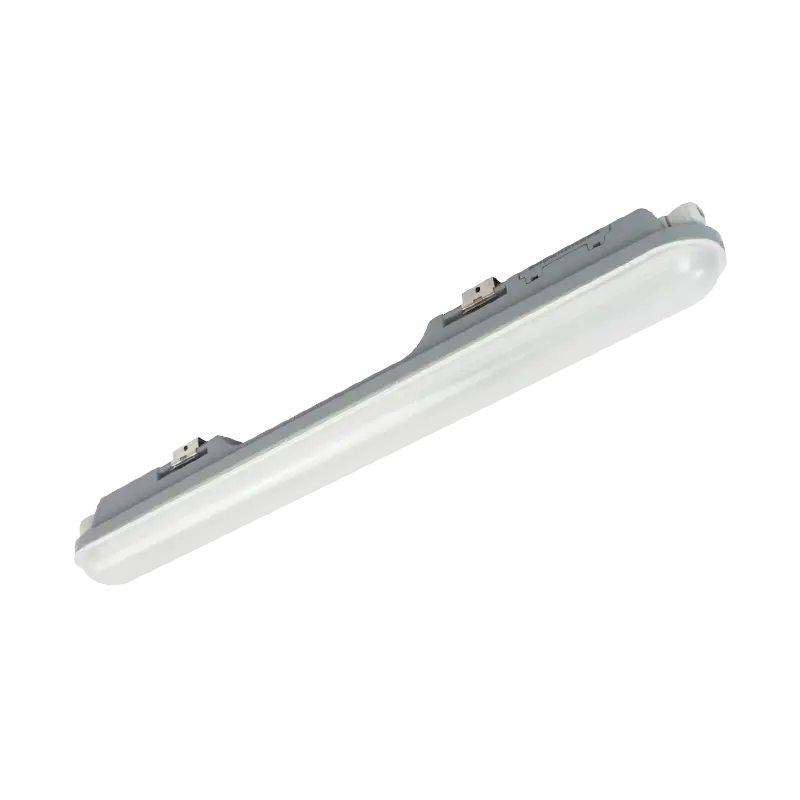
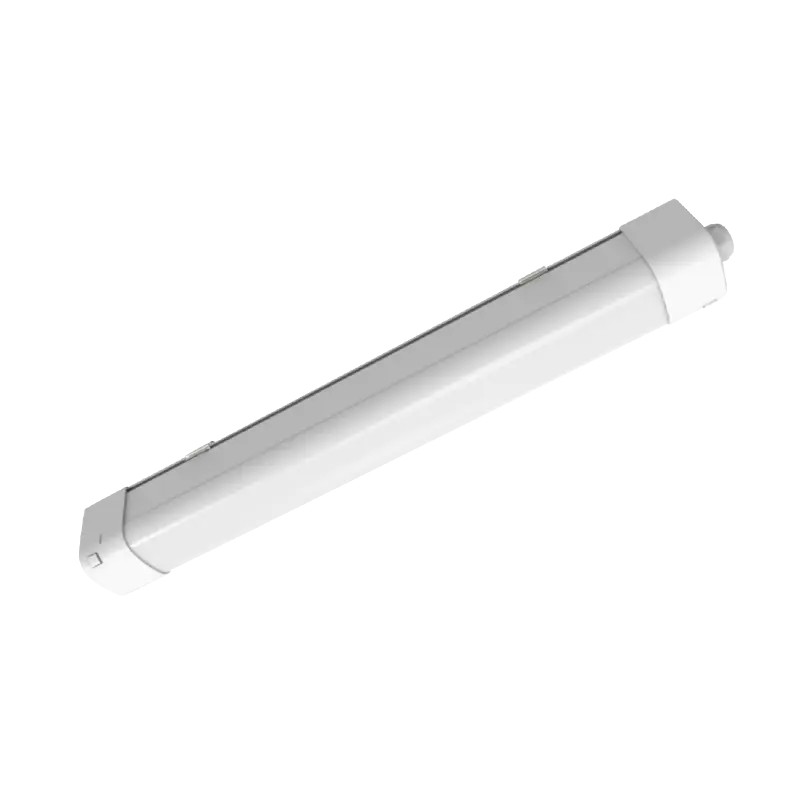
LED output is governed by junction temperature. A poorly cooled LED fixture can lose 15-20% of its light output after 3,000 hours. A well-designed fixture uses die-cast aluminum housings and fin arrays to keep the junction cool and maintain more than 90% of initial lumens at 50,000 hours. That is why fixture-level engineering matters as much as the LED chip itself. In dusty, humid, or high-ceiling environments, durable industrial LED tri-proof lighting for high-ceiling environments is built around exactly this sustained-output requirement.
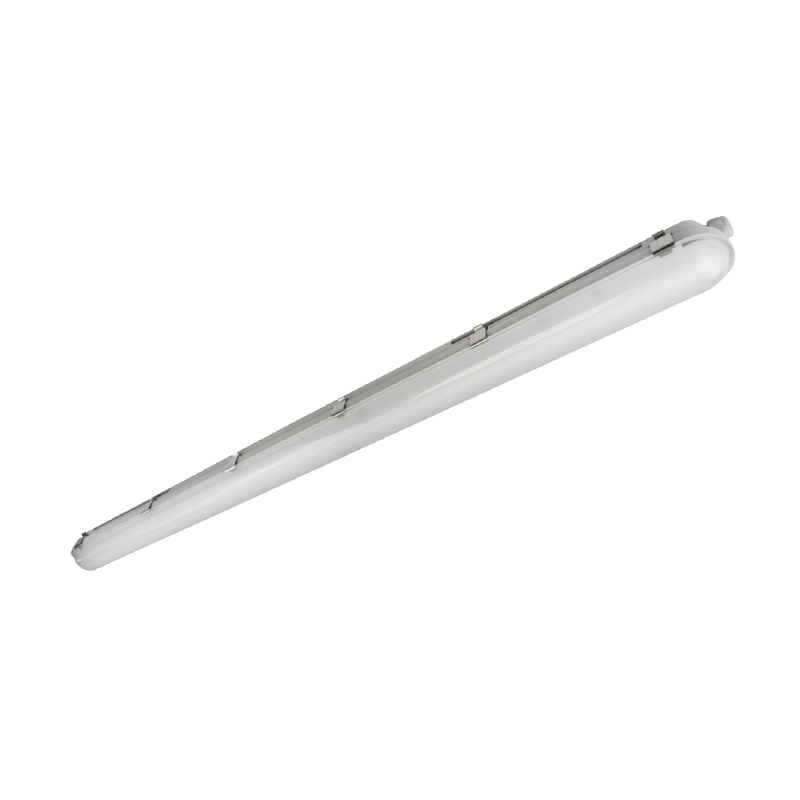 Wholesale Indoor LED Tri-Proof Light Manufacturers, FactoryNingbo Longer Lighting Co., Ltd. is China Indoor LED Tri-Proof Light Manufacturers and Factory, offer Wholesale LED Tri-Proof Light used ...View Product →
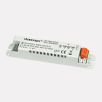
LEDs dim natively through 0-10V, DALI, or PWM signals and integrate easily with occupancy sensors and daylight harvesting. HID lamps have a narrow dimming band of roughly 50-100% and must cool before they can restart. Sensor-driven LED systems routinely cut lighting energy use by 30-60% compared with unmanaged fixtures. Control is the foundation of modern lighting design, and the driver determines how cleanly the light follows command signals—which is why you need LED drivers with dimming control for stable, flicker-free light output.
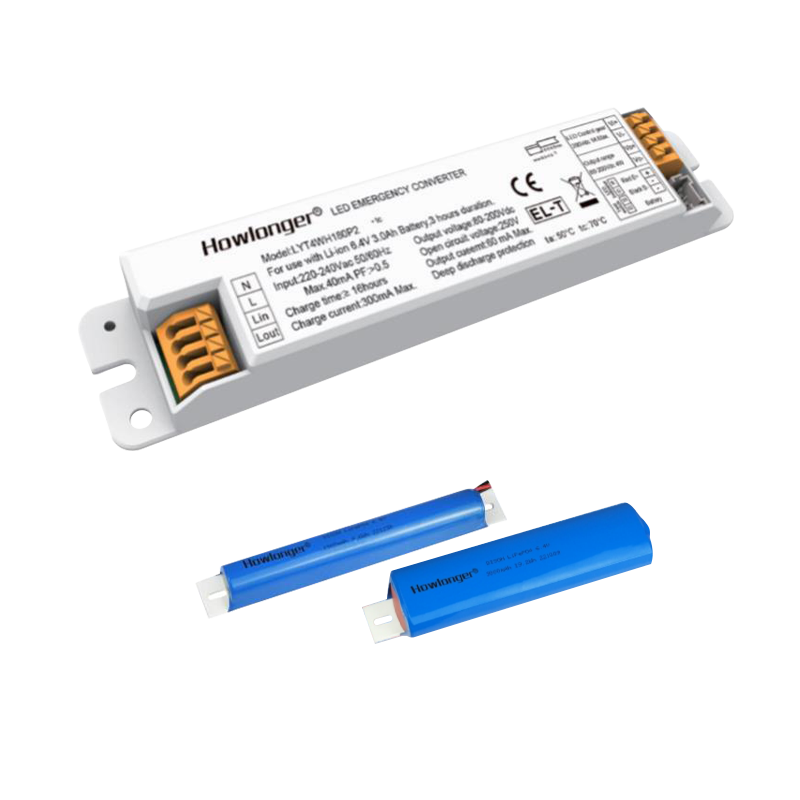 Wholesale Indoor LED Power Supply Factory, ManufacturersNingbo Longer Lighting Co., Ltd. is China LED Power Supply Manufacturers and LED Power Supply Factory, supply Wholesale LED Power Supply ...View Product →
To remain credible, let's acknowledge the exceptions. Non-LED sources still make sense in a few situations: temporary job sites with extremely tight first-cost budgets where basic fluorescent fixtures are acceptable; a legacy stadium or arena with a bank of 1,000 W metal halide or LEP units where rewiring and mounting-point changes would be disruptive; and facilities with existing HID infrastructure, spare lamps in stock, and a maintenance team already paid to service them. In those cases, the decision is driven by sunk cost and short payback horizons, not by brightness.
For new construction and for upgrades with a payback horizon beyond two to three years, LED is the better choice in the large majority of industrial and commercial applications. The energy savings, the near-elimination of re-lamping, and the control capability outweigh the higher first cost within the first few years of operation.
From a manufacturer's perspective, brightness is a system outcome, not a chip specification. An LED is only as bright as the system that surrounds it. Four engineering disciplines matter in parallel:
This is why two fixtures using the same LED chip can differ dramatically in real-world brightness. A high-lumen engine mounted in a poorly ventilated housing will dim itself progressively; the same engine in a properly cooled, IP-rated housing will hold its output for years.
So, what lights are brighter than LEDs? In raw single-source output, HID and plasma sources can exceed a single LED module. In every dimension that determines what a lighting system actually costs and performs over its service life—efficacy, lifespan, optical control, dimming, and integration with building sensors—LED technology wins. A buyer's real question is not "which lamp is brightest" but "which lighting solution delivers the most usable light per dollar over ten years."
For most industrial and commercial projects, the most robust answer is an engineered LED system: high-efficacy modules, matched optics, proper thermal design, and intelligent controls that respond to occupancy and daylight. That combination is why our engineering team designs complete lighting systems rather than chasing the highest single-lamp lumen number. Choose a system that stays bright under real conditions for the long term, and the decision becomes much easier than comparing raw lumen counts.



No.8, Ankang West Road, Zonghan Street, Cixi City, Zhejiang Province, P.R.China
0086-574-6320 0283
Copyright © Ningbo Longer Lighting Co., Ltd.
All Rights Reserved.
 Wholesale LED Lighting Fixtures Manufacturers

 Deutsch