

Most lighting decisions start from the assumption that LED bulbs are always a safe upgrade. They are not. LED performance depends on heat management, driver compatibility, and protection from the surrounding environment. When those three conditions are not met, an LED that should last 50,000 hours can fail in a few weeks. The real question, then, is not whether LEDs save energy. The question is when should you not use LED bulbs. This article walks through seven situations where a general-purpose LED bulb is the wrong choice, explains the engineering behind each risk, and tells you what to install instead.
Before looking at individual scenarios, it helps to understand why LED bulbs stop working. Nearly every field failure traces back to one of three root causes.
The first root cause is heat. An LED chip converts electricity into light, but a significant share of that electricity becomes heat. If the heat cannot escape, the junction temperature rises and accelerates lumen depreciation. The driver's electrolytic capacitors are especially sensitive, and high temperatures shorten their life disproportionately. That is why enclosed fixtures are so risky.
The second root cause is driver incompatibility. An LED bulb needs a constant-current driver. Many older dimmers and ballasts were designed for incandescent or fluorescent loads, so they send waveforms the LED driver cannot handle. The result is flicker, humming, or premature failure.
The third root cause is insufficient protection. Water vapor, dust, corrosive air, and vibration attack the PCB, solder joints, and connectors. A bulb with basic indoor protection is fine in a dry living room but not in a wash-down area or dusty workshop.
We hold this view from firsthand testing. Our TUV/SGS witness laboratory lets us reproduce failure modes under controlled conditions, which is why we treat application boundaries as seriously as product features.
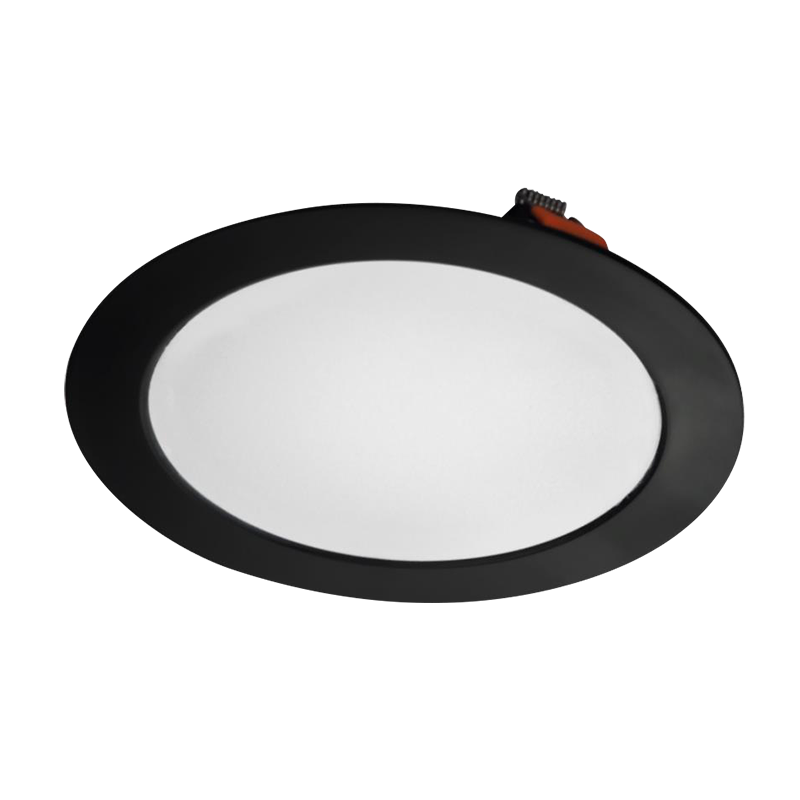
Fully enclosed ceiling lights, recessed cans without ventilation, and sealed glass shades all trap heat. An incandescent bulb is designed to burn hot, but an LED bulb's electronics are not. Inside a small airtight cavity, the ambient temperature around the driver can rise well above its design limit. Lumen output drops, color shifts, and the electrolytic capacitors age faster. In extreme cases, the driver fails completely.
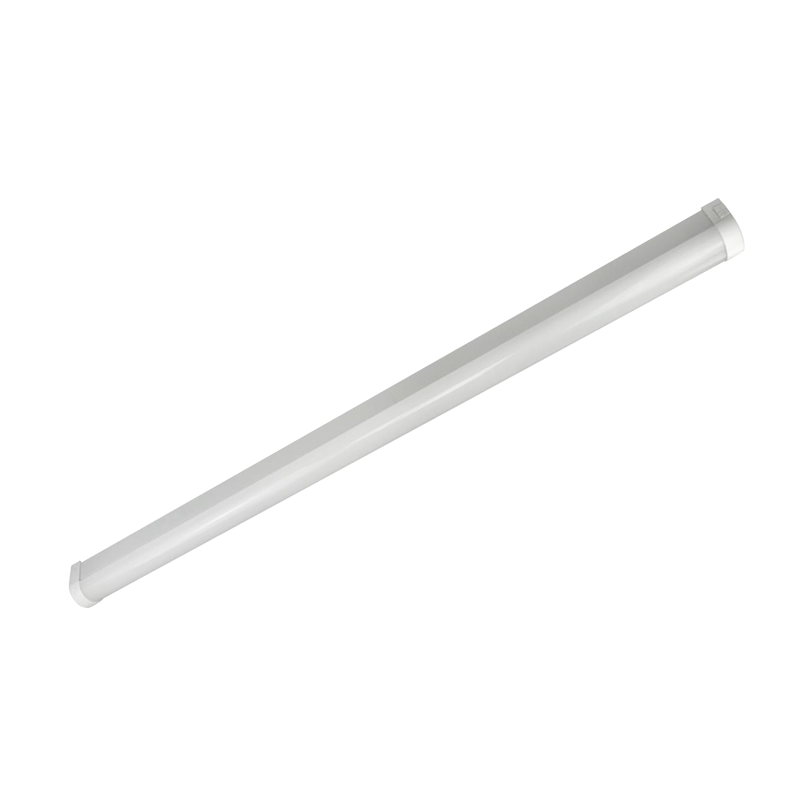
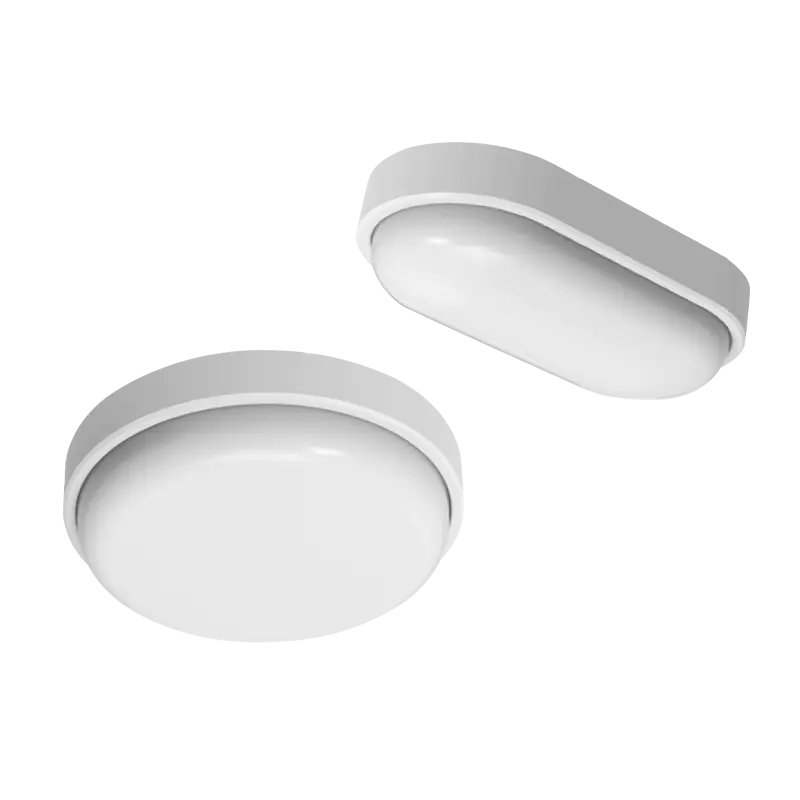
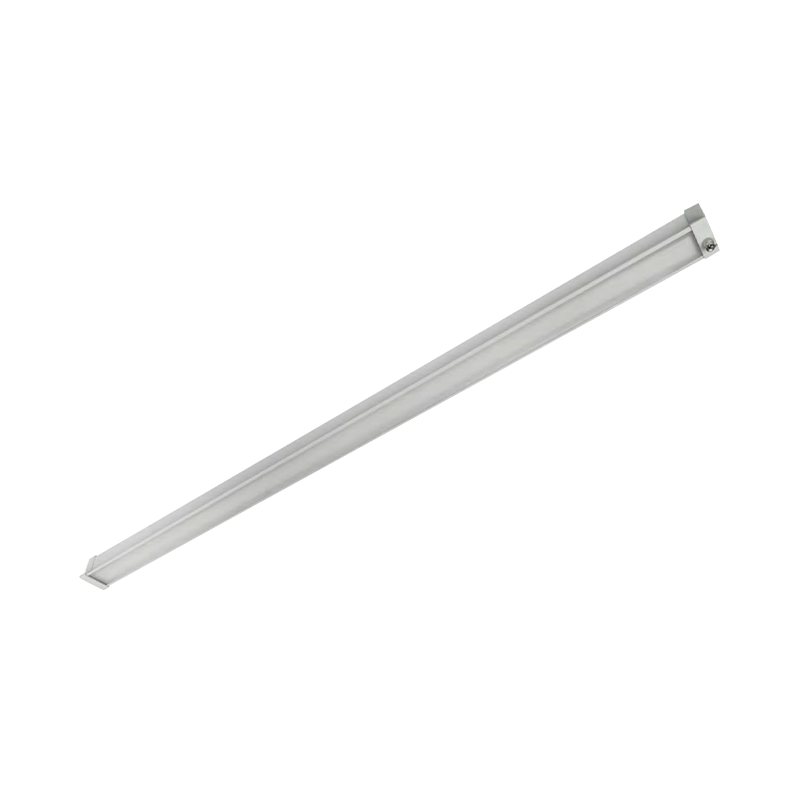
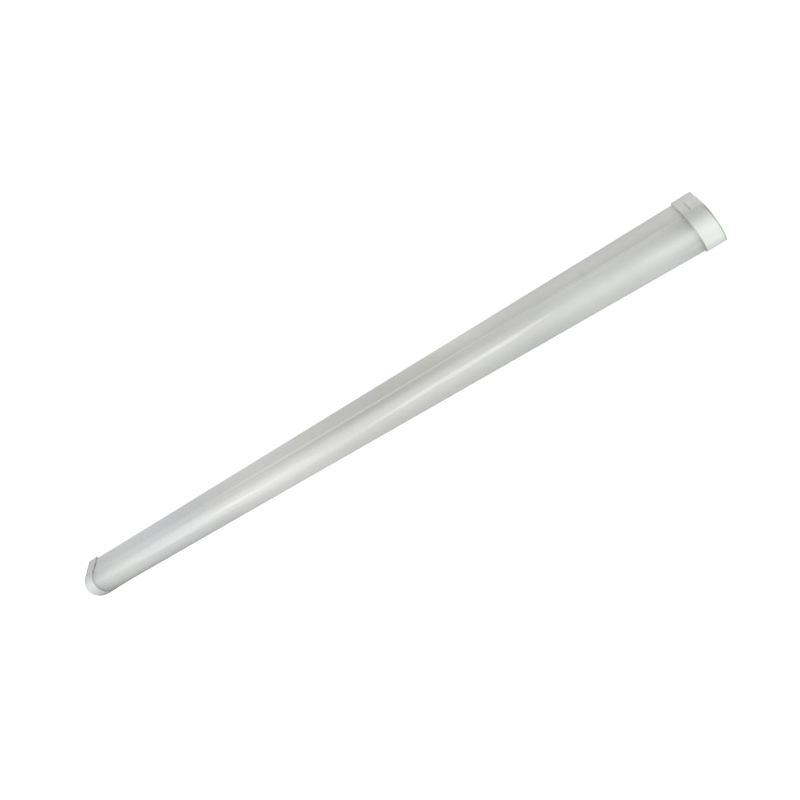
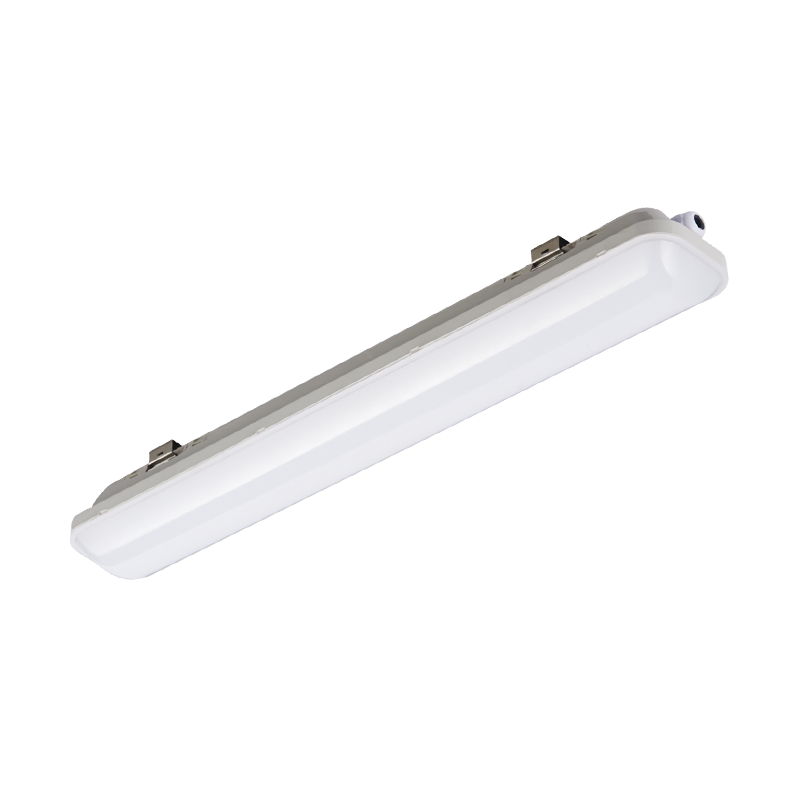
Most LED bulb packaging includes a warning against use in totally enclosed fixtures. If the luminaire does not state that it is rated for enclosed installation, do not install a standard bulb. Instead, choose an LED bulb explicitly labeled enclosed fixture rated, or replace the entire fixture with an integrated LED luminaire designed with a proper heat sink. For linear applications, an LED batten or tri-proof fixture with an aluminum housing provides the heat path that a bulb lacks.
People often blame the bulb when an LED flickers on a dimmer. The problem is usually the dimmer. Most residential dimmers are leading-edge, or forward-phase, dimmers designed for incandescent loads. They work by chopping the leading edge of the AC waveform and rely on a minimum load, usually 40 W or more. An LED bulb draws a small fraction of that load, so the dimmer's internal component can misfire. This causes visible flicker, a low-level glow when switched off, or an audible hum.
Identify the symptoms: brightness jumps at the low end, bulbs buzz at certain levels, or the light does not turn off cleanly. These signs indicate that the dimmer and the LED driver are not communicating.
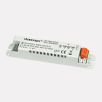
Fix the issue by replacing the dimmer with an LED-compatible trailing-edge model, or by choosing a bulb with a dimmable driver specifically matched to forward-phase dimmers. In commercial projects, verify the driver's stated dimming compatibility before purchase. A reliable installation uses a matched driver rather than hoping the bulb tolerates an old dimmer. This is where matching LED driver power supplies become essential.
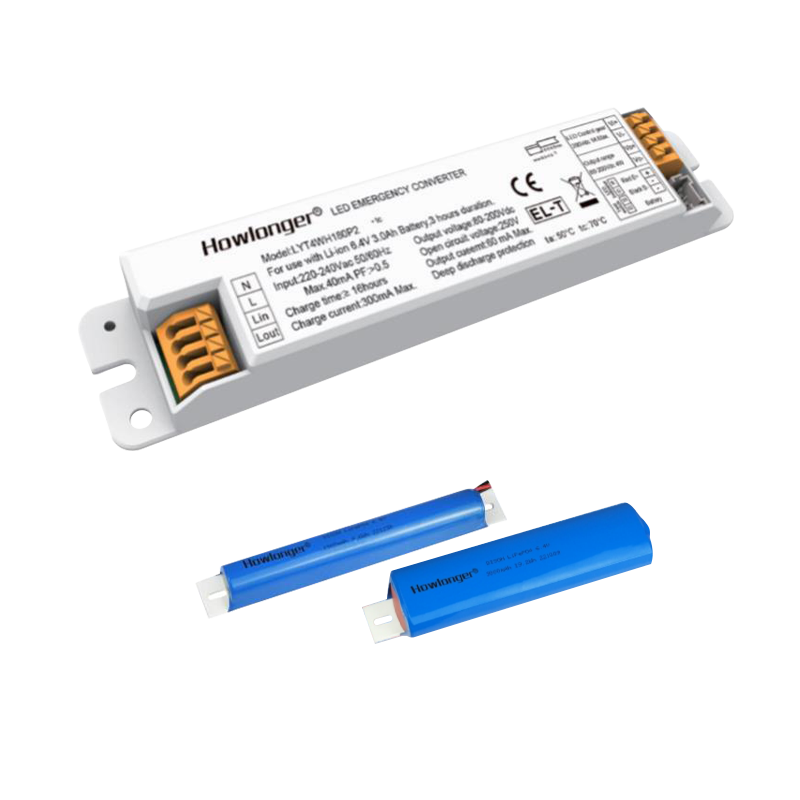 Wholesale Indoor LED Power Supply Factory, ManufacturersNingbo Longer Lighting Co., Ltd. is China LED Power Supply Manufacturers and LED Power Supply Factory, supply Wholesale LED Power Supply ...View Product →
This is the section where industrial buyers most often make a mistake. A standard LED bulb installed near an oven, in a boiler room, above a forge, or in an uninsulated attic is working against its own physics. The driver's maximum ambient operating temperature usually falls in the 45-50°C range. Above that, the manufacturer's life rating no longer applies. The bulb may still turn on, but its service life shrinks dramatically.
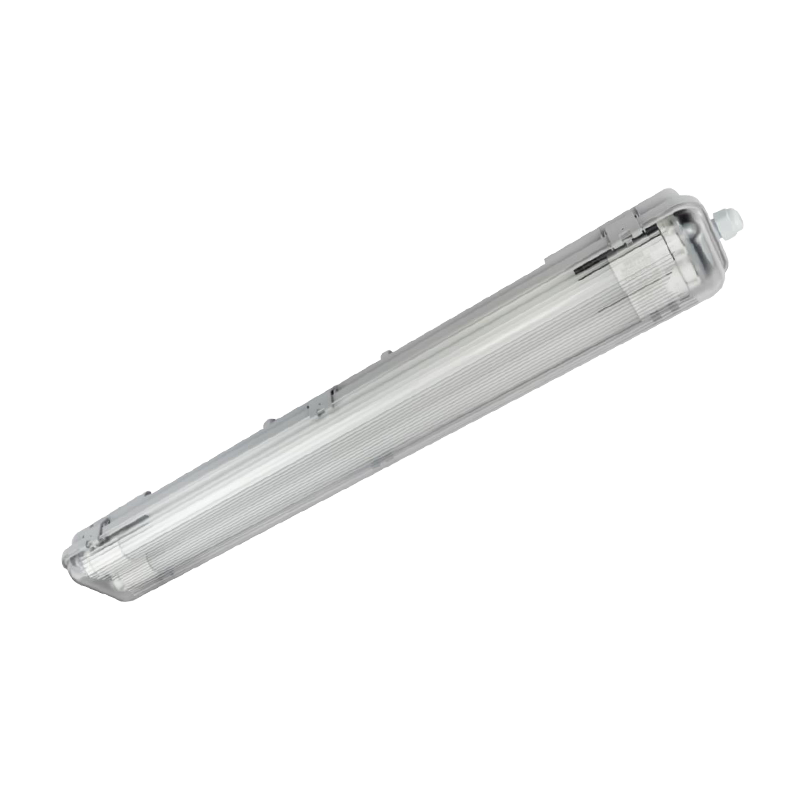
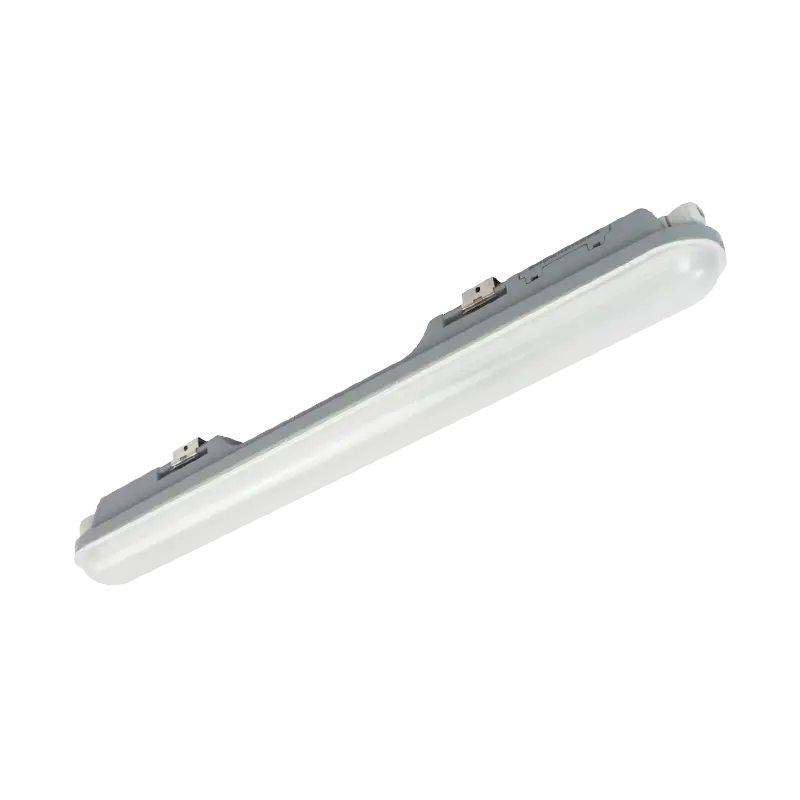
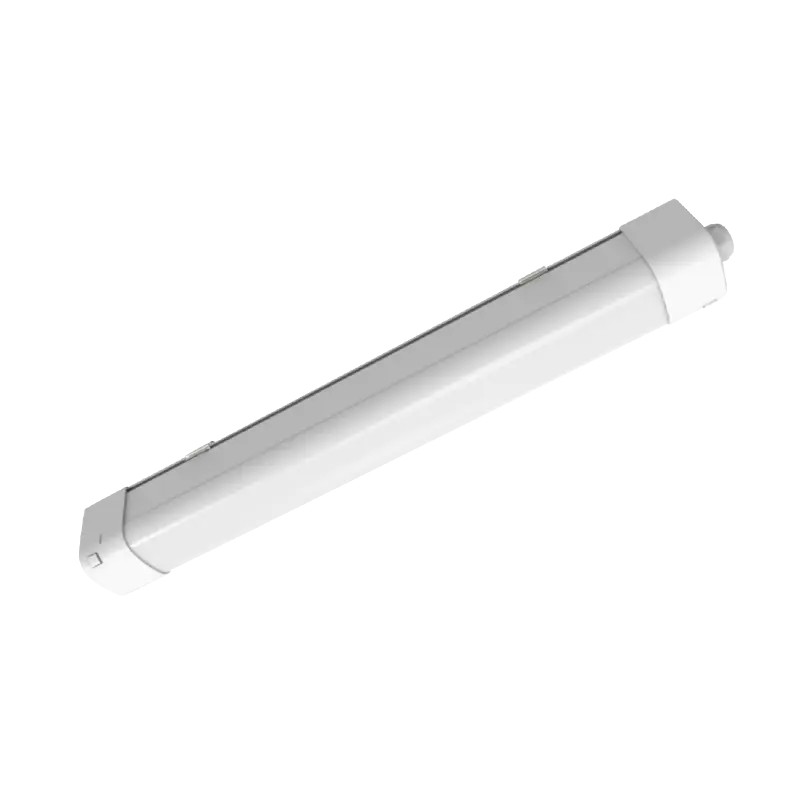
For hot commercial and industrial environments, do not use a retrofit bulb. Use a purpose-built fixture with a larger heat sink, a robust driver, and high-temperature components. That is why our product range includes industrial LED tri-proof lights designed for harsh environments. With aluminum alloy housings and sealed optical chambers, these fixtures dissipate heat more effectively and tolerate dust, humidity, and temperature swings.
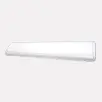
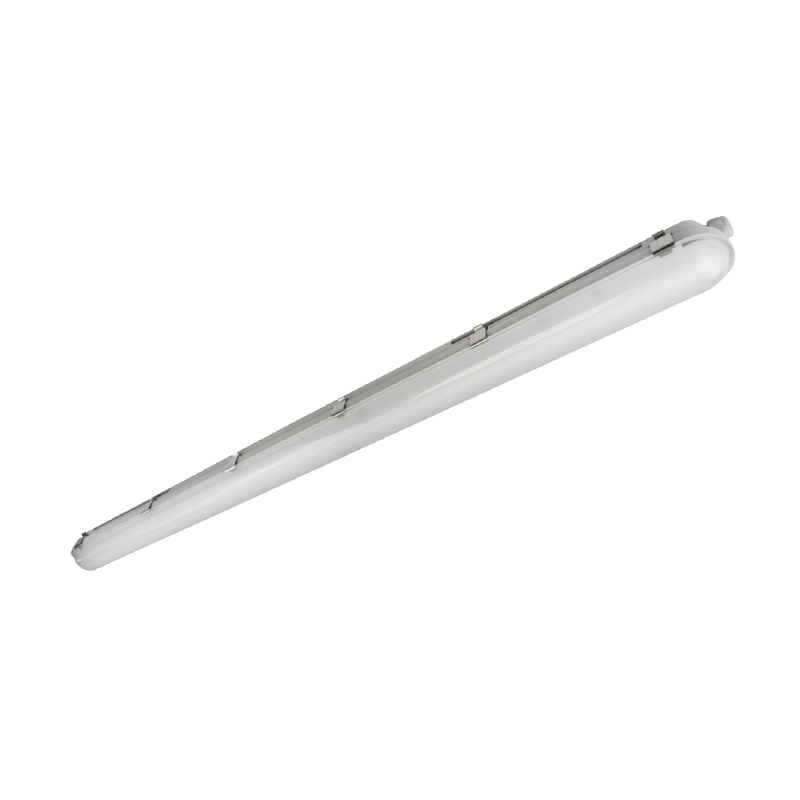 Wholesale Indoor LED Tri-Proof Light Manufacturers, FactoryNingbo Longer Lighting Co., Ltd. is China Indoor LED Tri-Proof Light Manufacturers and Factory, offer Wholesale LED Tri-Proof Light used ...View Product →
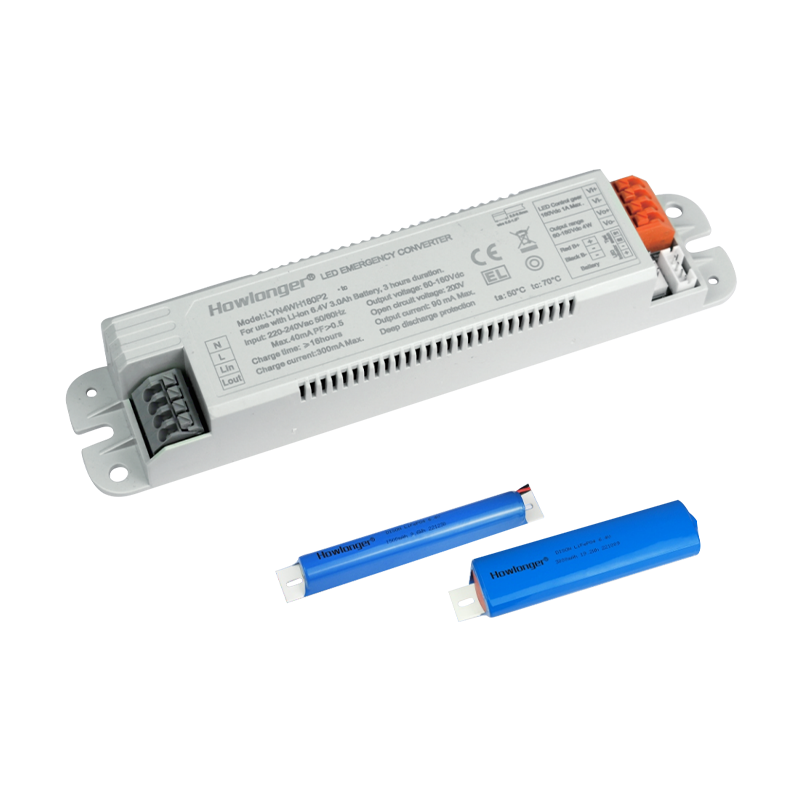
Emergency luminaires and battery-backed exit signs require coordinated electronics. A standard LED bulb is not designed to run from a DC backup supply or to switch automatically between mains and battery. Some emergency modules continuously power the lamp at a low level while the mains is present, which is a mode outside the normal operating range of a retrofit bulb's driver. The result can be uneven current draw, incompatible voltage, or reduced battery runtime.
Use only fixtures and lamps that are explicitly marked for emergency use and match the site's emergency test protocol. If a retrofit is necessary, choose an LED bulb listed for the specific emergency ballast or replace the whole unit with an integrated emergency LED luminaire.
Here is a counterintuitive point: cold does not hurt the LED chip itself. In fact, a lower junction temperature generally improves LED efficacy and maintains lumen output. The weak point is the driver. At extremely low temperatures, electrolytic capacitors can thicken and struggle to start, causing a delayed or dim start in a walk-in freezer or an unheated outdoor fixture. This is a driver issue, not a light engine issue.
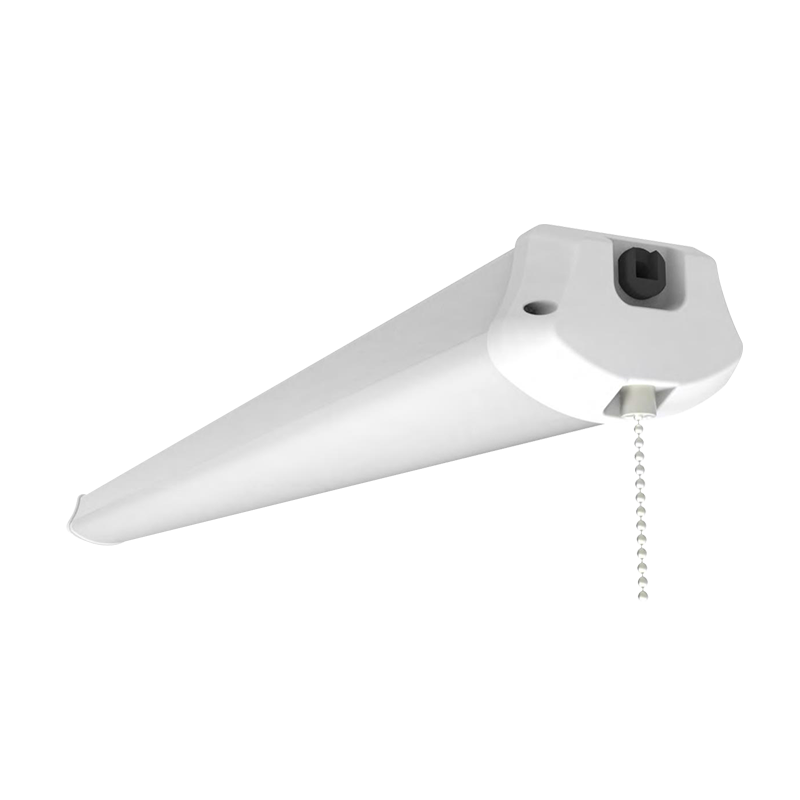
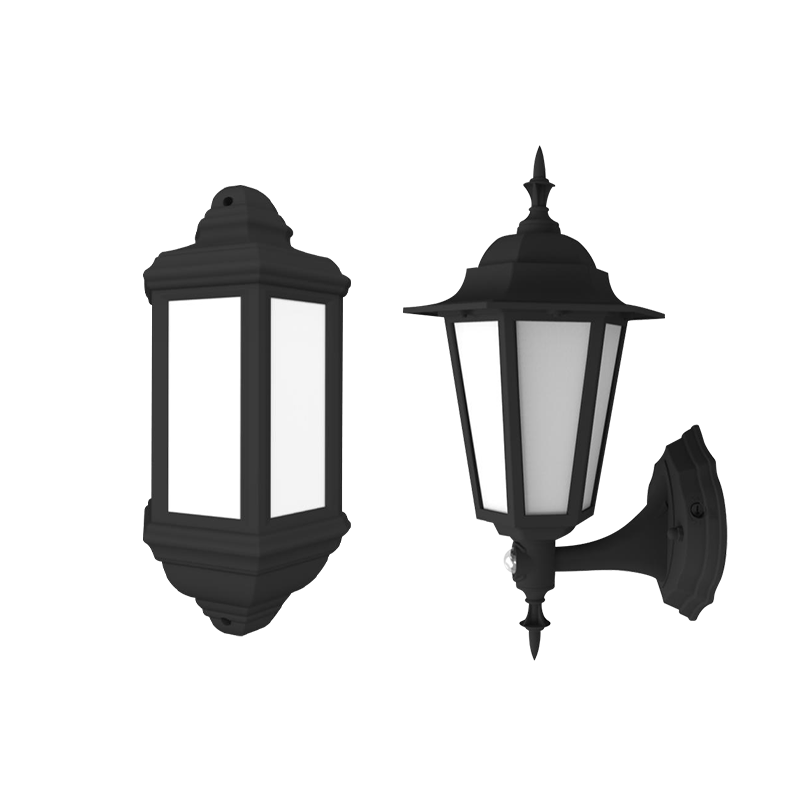
So instead of asking whether LEDs can work in cold rooms, ask whether the specific driver is rated for sub-zero start-up. Outdoor fixtures also need proper IP protection against rain and snow, not just cold resistance. For an unheated workshop or a covered loading dock, choose fixtures with a robust driver and a sealed housing. LED shop lights for workshop applications are one example of a fixture designed for a less forgiving environment.
 Custom LG22B High Bay 55W Led Shop Led Shop Lights for Commercial Warehouse SuppNingbo Longer Lighting Co., Ltd. is China LG22B High Bay 55W Led Shop Led Shop Lights for Commercial Warehouse Suppliers and OEM Factory,...View Product →
Retrofitting an old fluorescent fixture with an LED tube is not always plug-and-play. If the fixture still has a magnetic ballast, inserting a direct-wire LED tube without bypassing the ballast can create an electrical hazard or immediately damage the tube. Also, some older sockets such as bayonet or proprietary bases have no equivalent LED retrofit on the market. Before buying bulbs, check the fixture's socket type and whether the existing ballast must be removed or bypassed.
Use tube replacements that are designed for the fixture's wiring topology, or replace the entire luminaire. When rewiring is needed, use a proper LED driver instead of relying on old ballast circuitry. This avoids the compatibility problems that cause field failures and warranty claims.
Flicker and glare are not just comfort issues; they affect human performance and health. In a video studio, a high-speed camera will pick up the ripple in a low-quality LED driver as rolling bands. In precision tasks like machine inspection or electronic assembly, flicker can cause visual fatigue and perception errors. And for people prone to migraine or photosensitive epilepsy, certain pulse-width-modulated dimming patterns are a genuine trigger.
The EU Scientific Committee on Health, Environmental and Emerging Risks (SCHEER) has highlighted glare and variable light quality in LED products. It also noted that blue-light exposure from most LEDs remains below safety limits, but that attention is warranted in vulnerable groups. The practical takeaway is not to reject LEDs; it is to reject low-grade drivers and optics. Choose fixtures with ripple-free drivers, good anti-glare reflectors or diffusers, and a high color rendering index when the task requires accurate color.
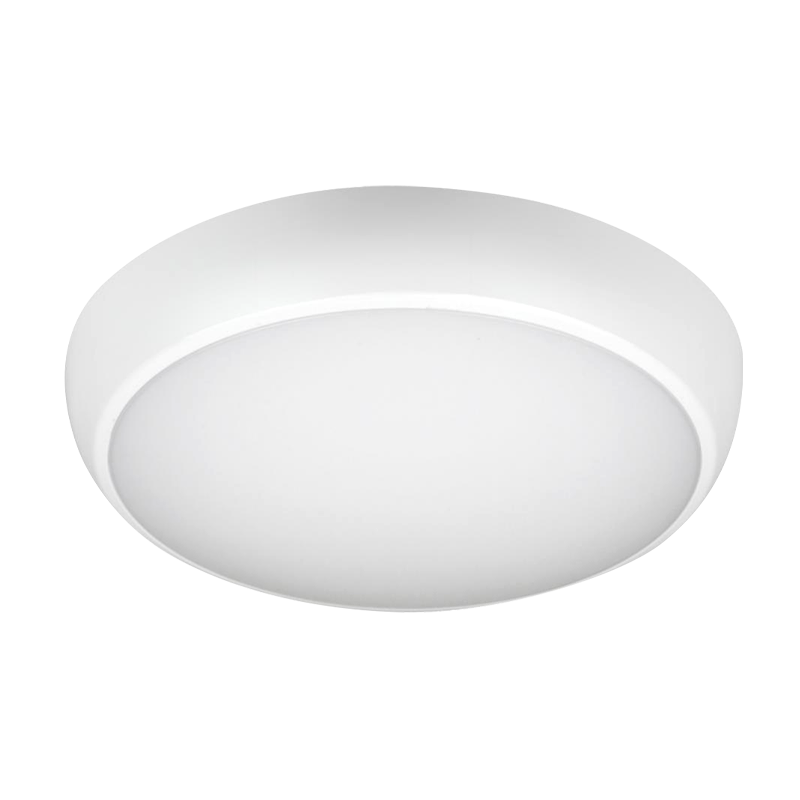
For wall or ceiling installations in corridors, an anti-glare LED bulkhead with a diffuser is a better choice than a bare bulb.
Use this checklist before you buy or install.
The pattern behind all seven scenarios is simple: LED bulbs fail when the environment exceeds their design limits. Heat, incompatible drivers, condensation, and mechanical stress are not mysteries. They are predictable boundaries. A general-purpose LED bulb is an excellent product within its category, but it is not a universal product.
For buyers managing facilities or retrofits, the question when should you not use LED bulbs is really a question about matching. Bulbs have a place, and integrated fixtures have another. In demanding conditions, choose fixtures built with heat sinks, sealed housings, ingress protection, and drivers specified for the environment. For standard residential or office spots, a quality bulb remains a good decision. Working directly with a lighting manufacturer during selection helps you confirm driver compatibility, ambient temperature ratings, and protection levels before you commit to a large order.



No.8, Ankang West Road, Zonghan Street, Cixi City, Zhejiang Province, P.R.China
0086-574-6320 0283
Copyright © Ningbo Longer Lighting Co., Ltd.
All Rights Reserved.
 Wholesale LED Lighting Fixtures Manufacturers

 Deutsch