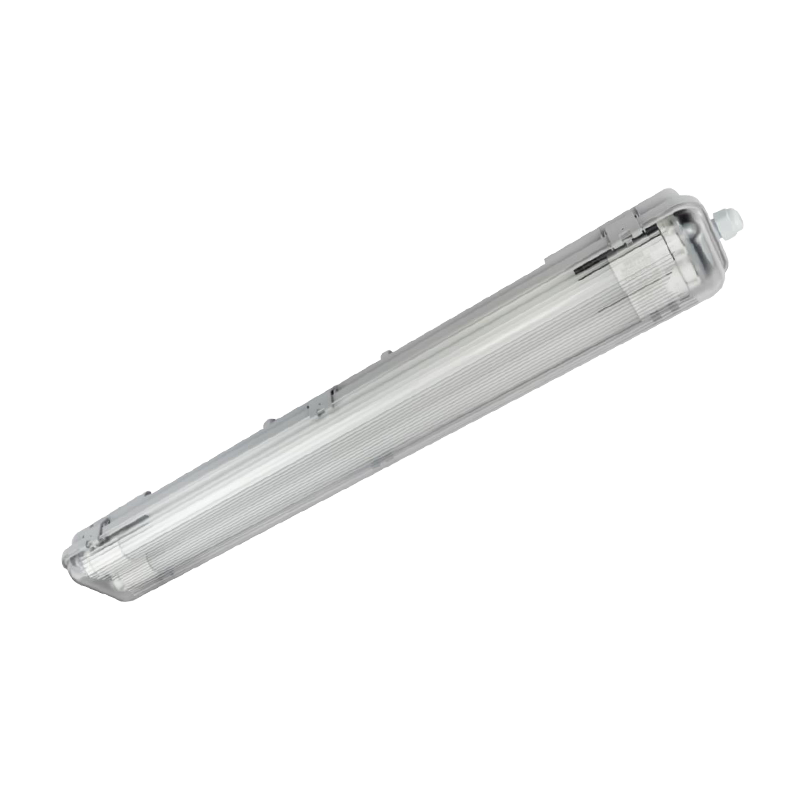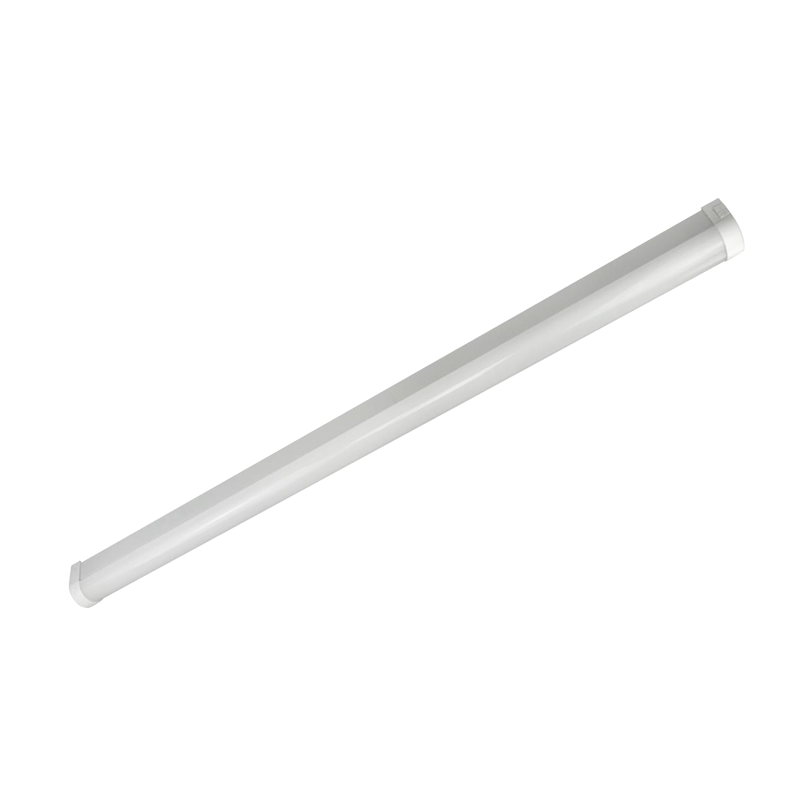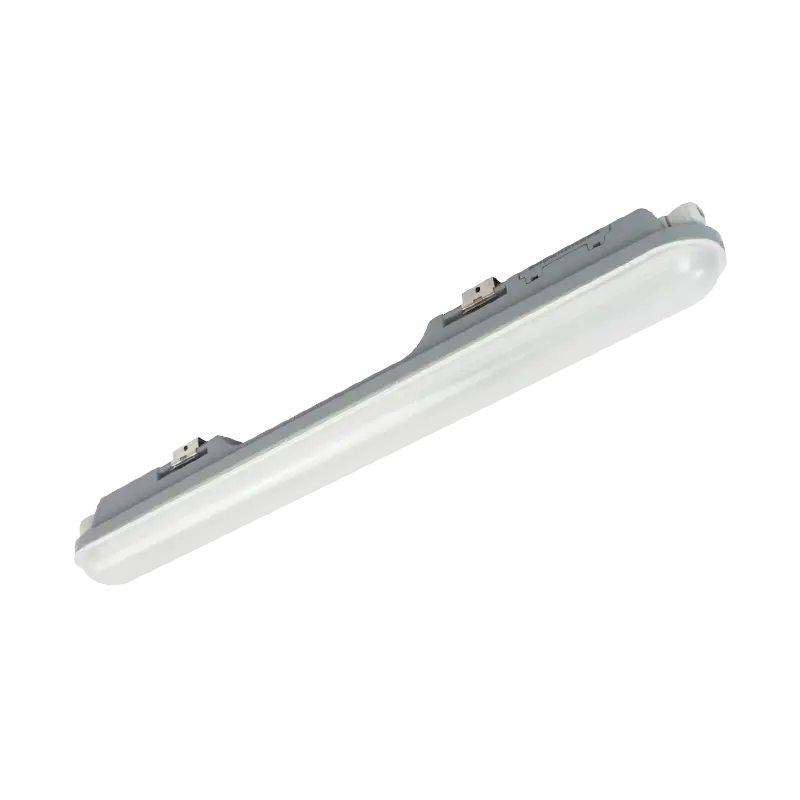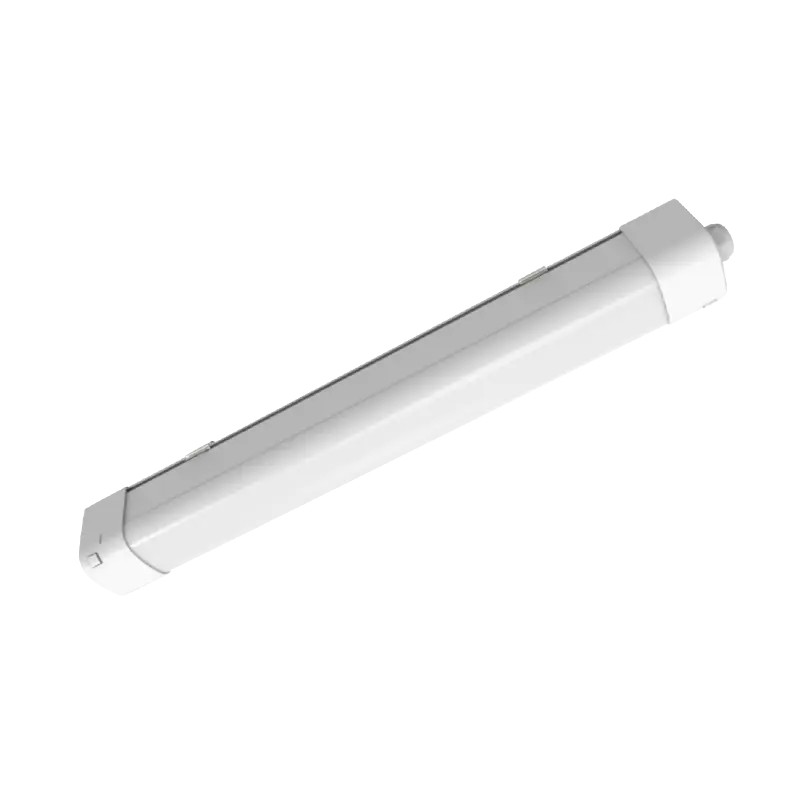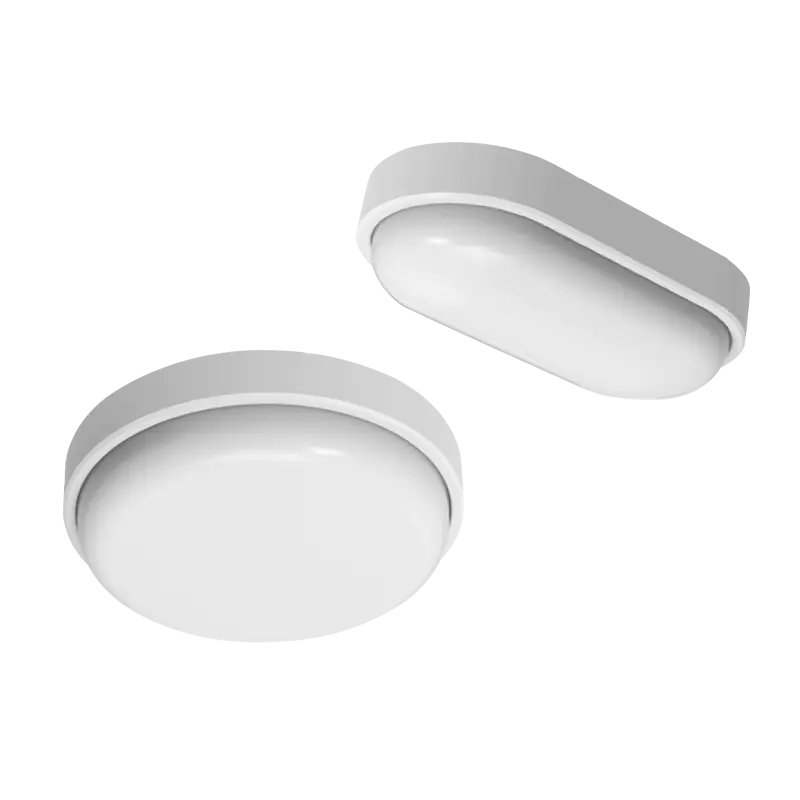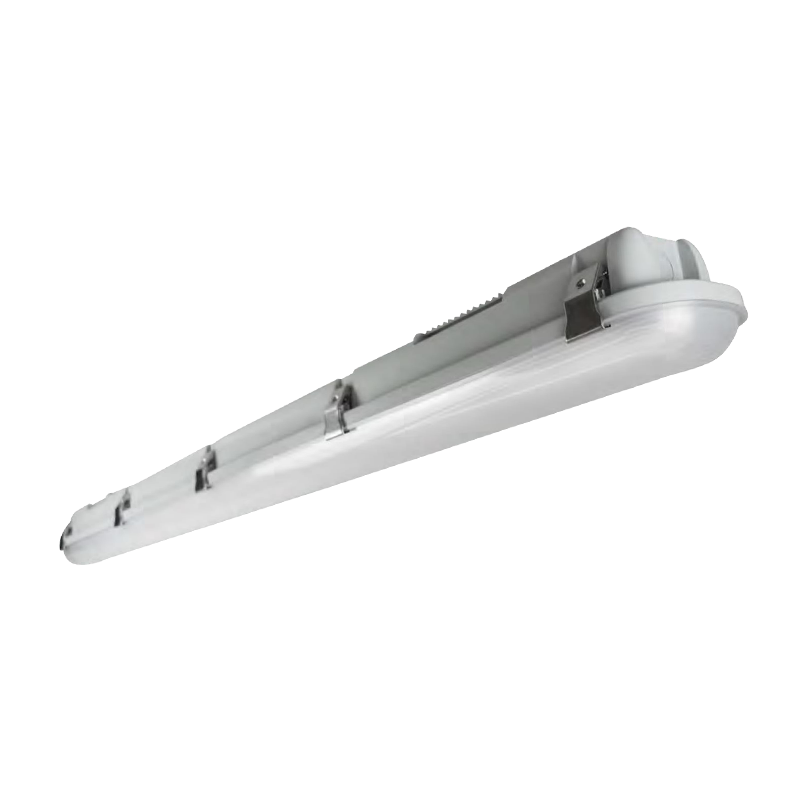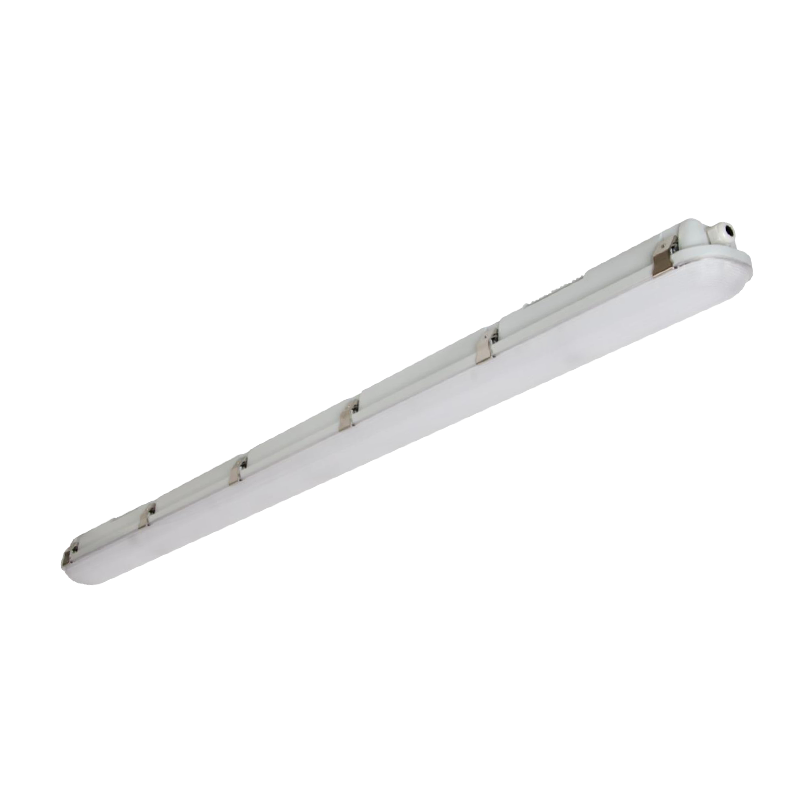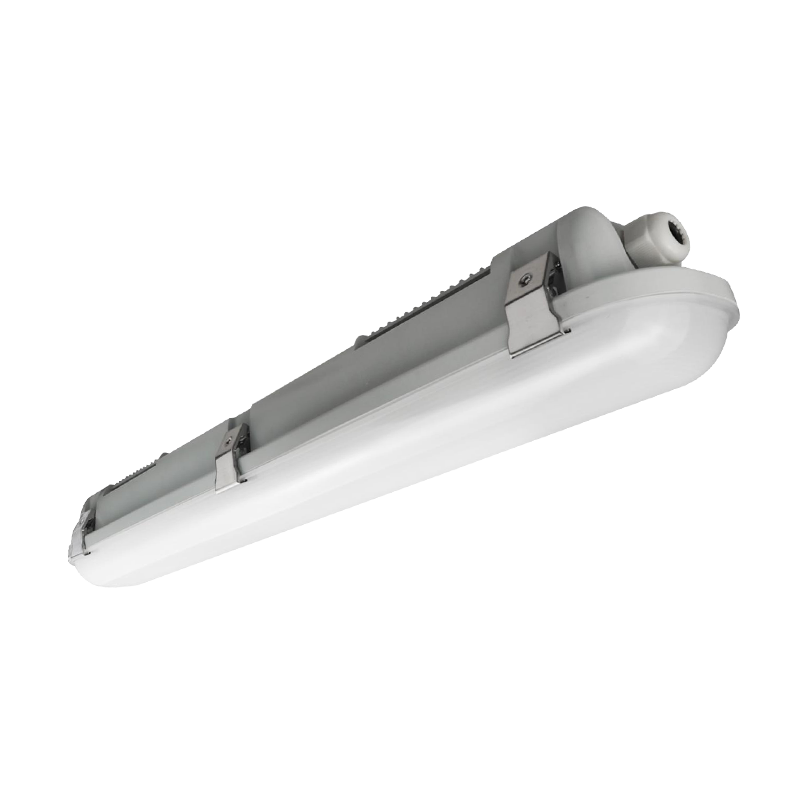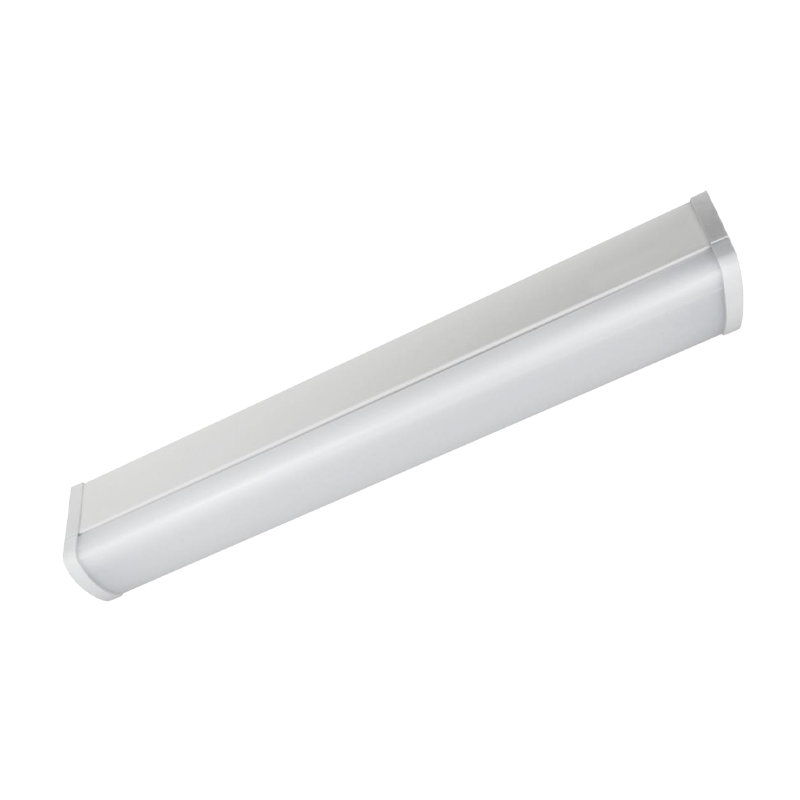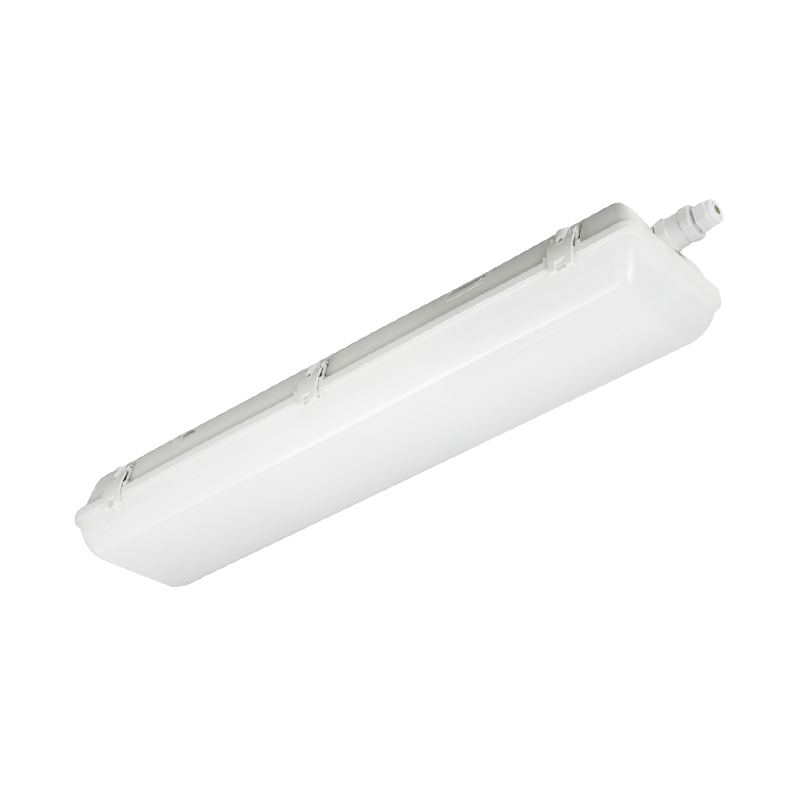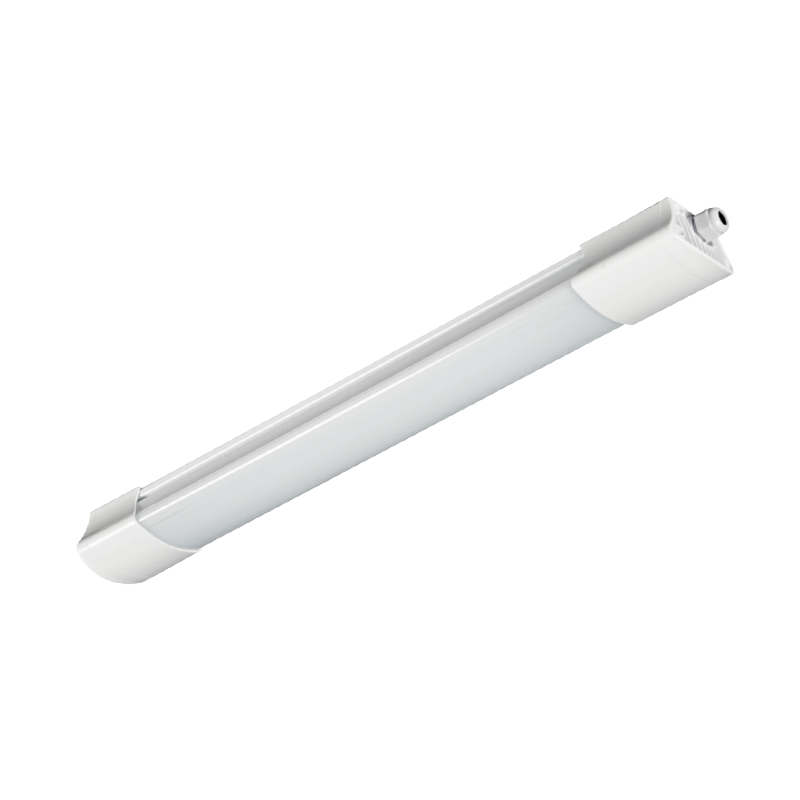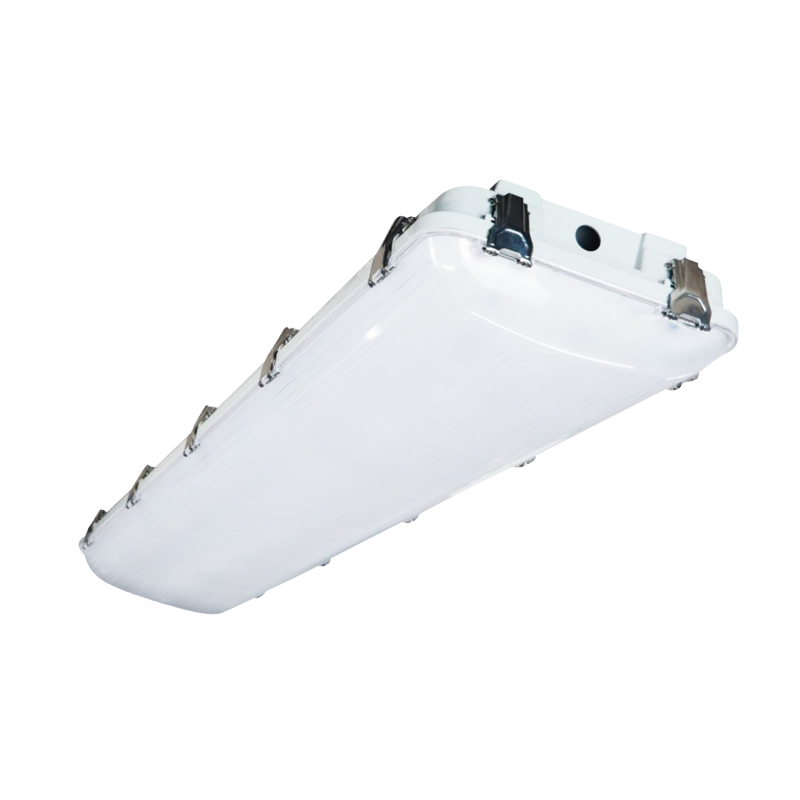


Every led light fixture that leaves a production line carries the accumulated result of material selection, thermal calculation, optical simulation and repeated bench testing. For teams sourcing led lighting fixtures for commercial buildings, industrial facilities or municipal projects, understanding what happens before a fixture reaches installation helps explain why performance varies so widely between products that look nearly identical on a spec sheet. This section expands on the practical engineering, certification and customization details that sit behind reliable LED Lighting Fixtures production.
The performance gap between a mid-tier led light fixture and a premium one rarely comes from the LED chip alone. It comes from four supporting systems working together: thermal management, driver circuitry, optical control and housing construction. A fixture that scores well on paper but fails in one of these four areas will underperform in real installations, regardless of the rated lumen output printed on the box.
Thermal Management
Die-cast aluminum heat sinks with optimized fin spacing pull heat away from the LED junction. Junction temperature directly determines lumen depreciation rate, so fixtures rated for continuous operation above 40°C ambient require larger surface area and, in some designs, active convection channels.
Driver Technology
Constant-current drivers with isolated design reduce flicker below 3% and support surge protection up to 6kV or 10kV depending on application. Driver failure, not LED chip failure, is the leading cause of premature fixture replacement in the field.
Optical Design
PMMA or PC lenses shape beam angles from narrow 15° spot distribution to wide 120° flood distribution. Secondary optics reduce glare (UGR<19) for office and educational environments where visual comfort is regulated.
Housing Construction
IP20 housings suit dry indoor spaces; IP65 and IP66 housings with silicone gasket sealing are required for outdoor, washdown or high-humidity environments. Housing choice also affects long-term corrosion resistance in coastal or industrial atmospheres.
Since led lighting fixtures cover a wide product range, comparing typical specifications by fixture category makes selection more straightforward. The table below summarizes commonly requested parameters across five widely used categories.
| Fixture Type | Wattage Range | Luminous Efficacy | CCT Range | IP Rating | Typical Warranty |
| LED Panel Light | 18W – 48W | 110–130 lm/W | 3000K–6500K | IP20 | 3–5 years |
| LED Troffer | 30W – 60W | 120–140 lm/W | 3500K–5000K | IP20 | 5 years |
| LED High Bay | 100W – 240W | 130–160 lm/W | 4000K–6000K | IP65 | 5–7 years |
| LED Linear Fixture | 20W – 80W | 110–150 lm/W | 3000K–6500K | IP20 / IP65 | 3–5 years |
| LED Downlight | 7W – 24W | 90–120 lm/W | 2700K–6500K | IP20 / IP44 | 3 years |
Consistent output across production batches depends on process control rather than a single inspection at the end of the line. A typical workflow for led light fixture production includes SMT chip placement with automated optical inspection, driver assembly with high-voltage isolation testing, full fixture aging under 48–72 hour burn-in conditions, and photometric testing inside an integrating sphere to confirm lumen output, CCT accuracy and color rendering index against the declared specification.
Photometric Testing
Integrating sphere and goniophotometer testing verify lumen output, beam distribution and CCT consistency batch by batch.
Dielectric and Insulation Testing
High-voltage withstand testing confirms insulation integrity between live components and housing, a requirement for UL, ETL and CE compliance.
IP Ingress Testing
Water jet and dust chamber testing confirm IP65/IP66 ratings for fixtures intended for outdoor or washdown environments.
Burn-In Aging
Continuous operation under elevated ambient temperature identifies early-failure drivers before fixtures are packed for shipment.
Certification coverage commonly requested for different regional markets includes UL and ETL for North America, CE and RoHS for the European market, SAA for Australia, and DLC listing for utility rebate qualification in commercial lighting projects. Confirming which certifications apply to a specific installation avoids compliance issues after fixtures are already installed.
Selecting the correct led lighting fixtures category for a given space affects both energy performance and occupant comfort. The following breakdown outlines common application-specific requirements.
Commercial Office Spaces
Panel lights and troffers with UGR below 19 reduce screen glare. CCT between 4000K–5000K supports alertness during working hours without appearing clinical.
Retail and Hospitality
Track fixtures and adjustable downlights with CRI above 90 render merchandise colors accurately. Warm CCT between 2700K–3000K supports a welcoming atmosphere.
Industrial and Warehouse
High bay fixtures rated IP65 with wide beam angles cover large floor areas efficiently, often paired with motion sensors to reduce energy use in low-traffic zones.
Outdoor and Architectural
IP66-rated fixtures with corrosion-resistant housing withstand temperature cycling, UV exposure and moisture, essential for parking structures, facades and pathways.
Facilities still running on fluorescent systems generally choose between two conversion paths when replacing outdated lighting. The first approach involves complete fixture replacement, removing the fluorescent housing entirely and installing a purpose-built LED troffer or panel designed for the ceiling grid dimensions already in place. This route typically delivers the most stable long-term performance because the entire fixture, including driver and thermal path, is matched from the factory.
The second approach uses retrofit kits, where LED tubes or LED boards are installed inside the existing fluorescent housing after the ballast is removed or bypassed. This method lowers upfront material cost but requires attention to compatibility between the retrofit driver and the existing housing's thermal dissipation capacity. Housings originally designed around fluorescent tube heat characteristics do not always dissipate LED driver heat efficiently, which can shorten the service life of the retrofit components if airflow is restricted.
| Conversion Method | Typical Cost | Installation Complexity | Long-Term Reliability |
| Full Fixture Replacement | Higher upfront | Moderate | Highest |
| Retrofit Tube / Kit | Lower upfront | Low to Moderate | Moderate, housing dependent |
Compatibility questions arise frequently when replacing individual bulbs rather than entire fixtures. Enclosed fixtures such as flush-mount ceiling domes trap heat around the bulb base, so bulbs must carry an enclosed-fixture rating to avoid premature driver degradation. Recessed can fixtures used in insulated ceilings require bulbs rated for insulation contact, since standard bulbs can overheat when surrounded by insulation material. Dimmable circuits present a separate consideration entirely, since standard LED bulbs paired with older TRIAC dimmers designed for incandescent loads frequently produce flicker or a limited dimming range, while LED-specific dimmers paired with dimmable-rated bulbs deliver a smoother 1%–100% dimming curve.
Rated lifespan figures are typically expressed using L70 or L80 standards, meaning the point at which output has depreciated to 70% or 80% of initial lumen output under controlled test conditions. A fixture rated L70 at 50,000 hours does not fail outright at that point; instead, it has gradually dimmed to a level where replacement or refresh becomes worthwhile for the space's intended use. Ambient operating temperature has a measurable effect on this timeline.
| Ambient Operating Temperature | Estimated Impact on Rated Lifespan |
| 25°C (Standard Indoor) | Full rated lifespan achieved |
| 35°C (Warm Indoor / Poor Ventilation) | 10%–15% reduction typical |
| 45°C+ (Industrial / Enclosed Outdoor) | 20%–30% reduction typical without active cooling design |
Replacement becomes necessary earlier than the rated lifespan when driver failure occurs, when flicker develops, or when color shift becomes visually noticeable across a row of fixtures installed at the same time. Staggered replacement schedules, where fixtures are swapped in batches rather than individually, help maintain visual consistency across large installations.
A balanced view of led light fixture performance should include known limitations alongside the advantages. Driver components remain the most common point of failure, since electrolytic capacitors inside lower-quality drivers degrade faster under heat than the LED chips themselves. Flicker can also occur when driver output current is not sufficiently smoothed, which is difficult to detect by eye but can affect visual comfort during extended exposure. Color consistency across a batch of fixtures depends on binning accuracy at the chip level; fixtures sourced without tight binning tolerance can show visible color variation when installed side by side. Cold-start delay is another consideration in outdoor or refrigerated applications, where certain driver designs take longer to reach full output at low temperatures compared to standard indoor conditions.
Projects with specific architectural or operational requirements often need led lighting fixtures configured beyond standard catalog options. Common customization requests include tunable CCT fixtures that shift between warm and cool color temperature on a single circuit, dimming protocol selection between 0-10V, DALI or TRIAC to match existing building control systems, beam angle adjustment for specific mounting heights, and housing finish changes to match architectural specifications. Private mold development is also available for projects requiring a distinct fixture profile rather than a modified standard housing.
Tunable White CCT
Adjustable range typically 2700K–6500K on a single fixture, controlled via app, wall panel or building automation integration.
Dimming Protocol Options
0-10V, DALI-2, and TRIAC-compatible drivers available depending on the control infrastructure already installed at the site.
Beam Angle Configuration
Narrow, medium and wide optics selected based on mounting height and target illuminance uniformity across the floor plane.
Private Mold Development
Custom housing profiles developed for projects requiring a distinct visual identity beyond standard fixture shapes.
Requests for full LED Lighting Fixtures specification sheets, IES photometric files or certification documentation are typically handled on a per-project basis, since documentation requirements vary by region and by the specific compliance standard governing the installation site.



No.8, Ankang West Road, Zonghan Street, Cixi City, Zhejiang Province, P.R.China
0086-574-6320 0283
Copyright © Ningbo Longer Lighting Co., Ltd.
All Rights Reserved.
 Wholesale LED Lighting Fixtures Manufacturers

 Deutsch