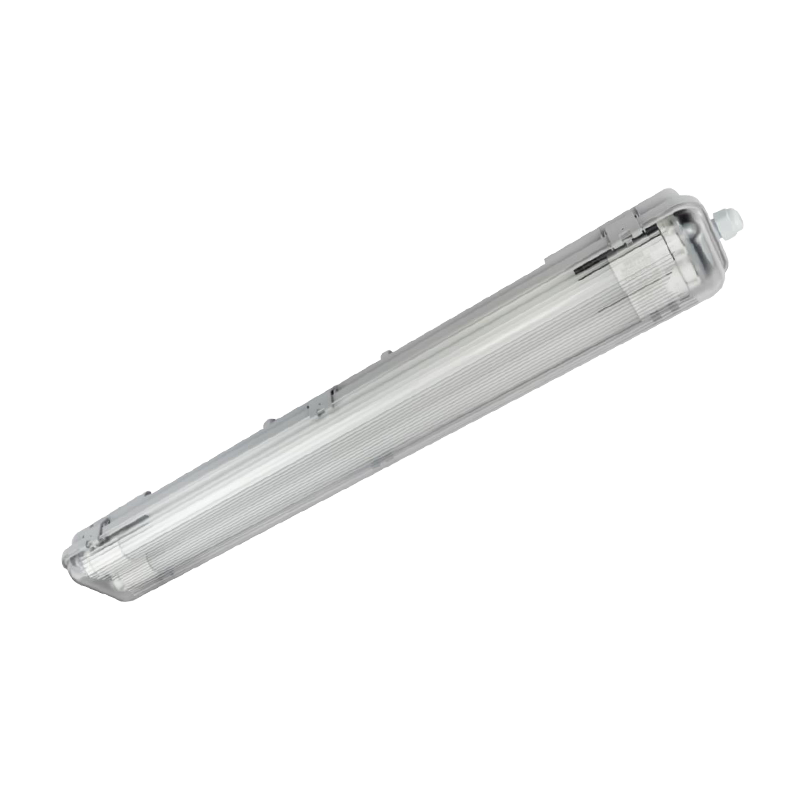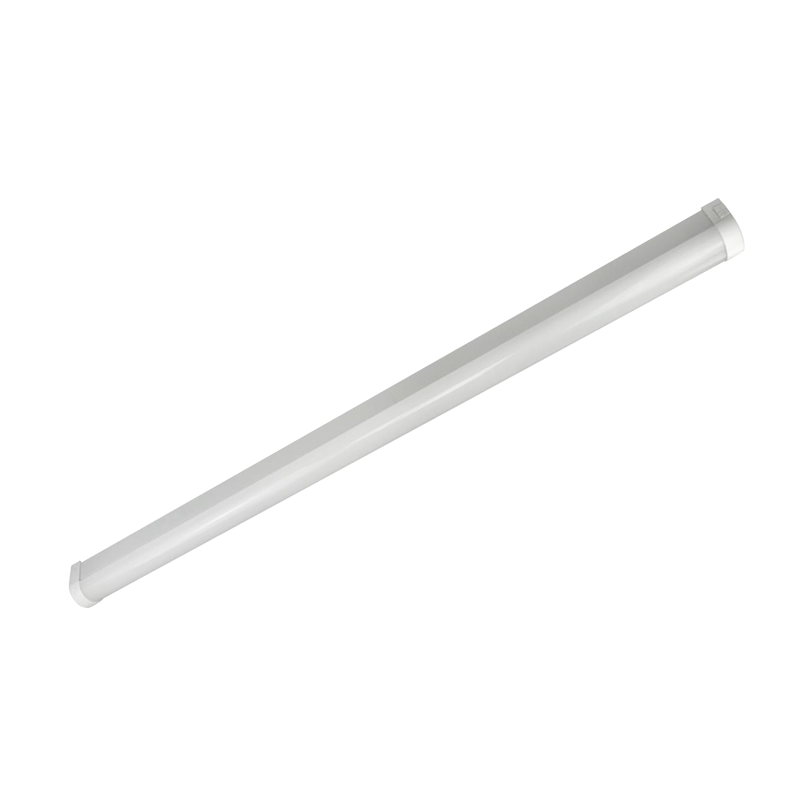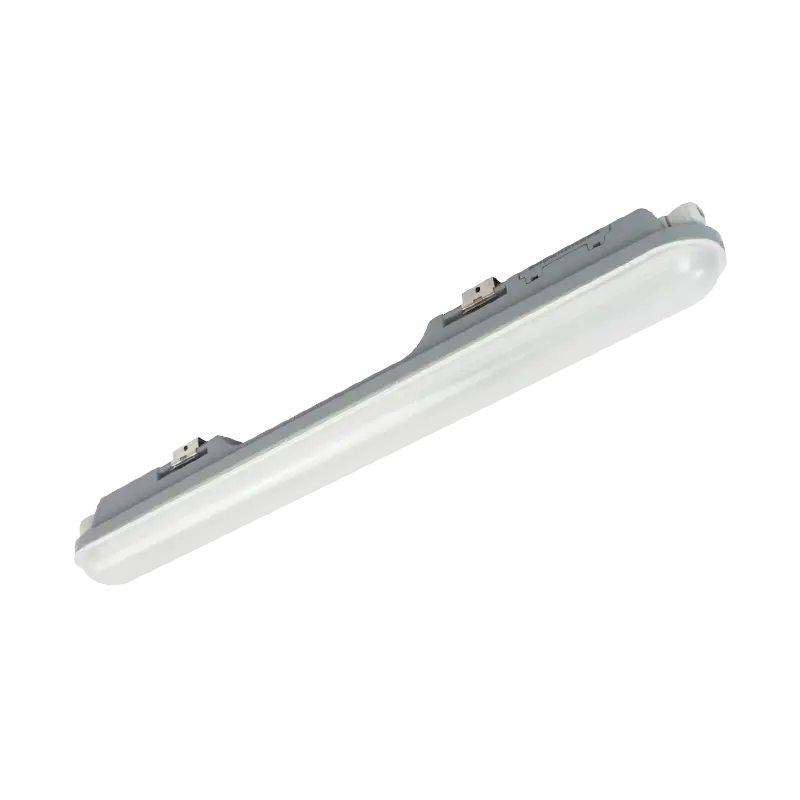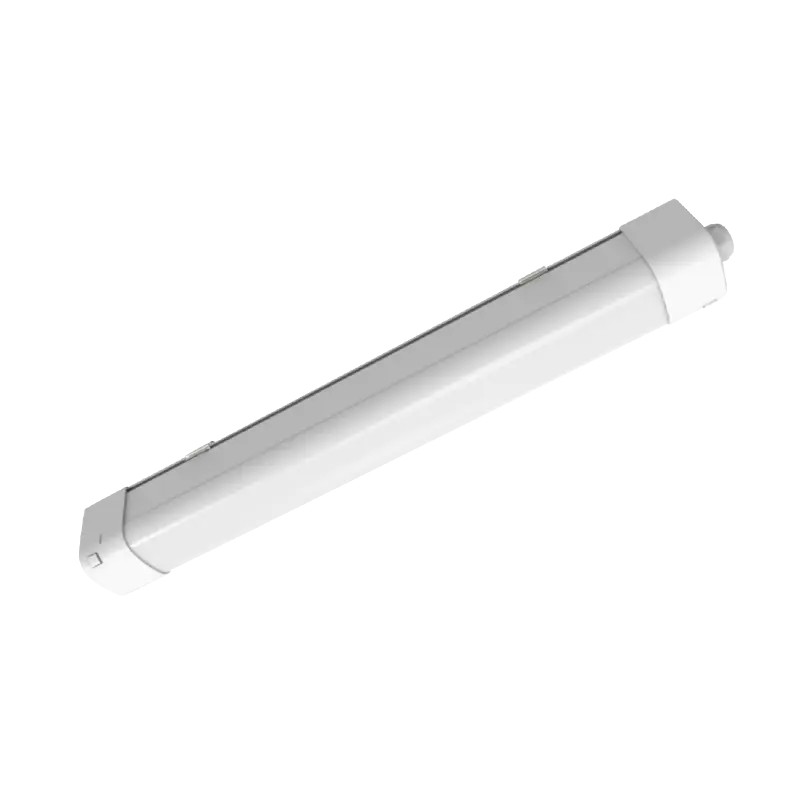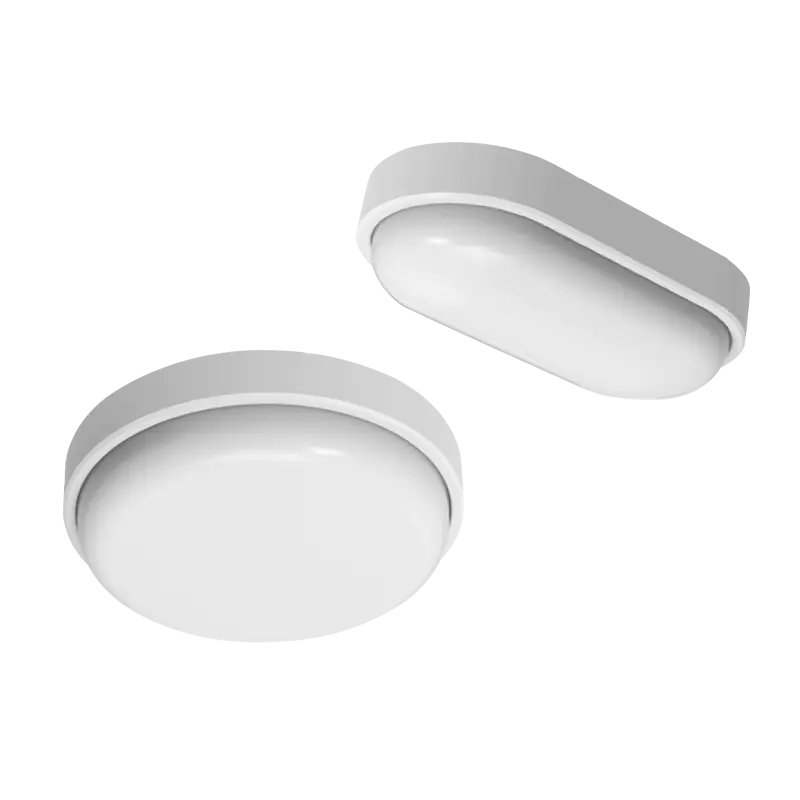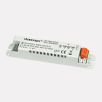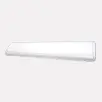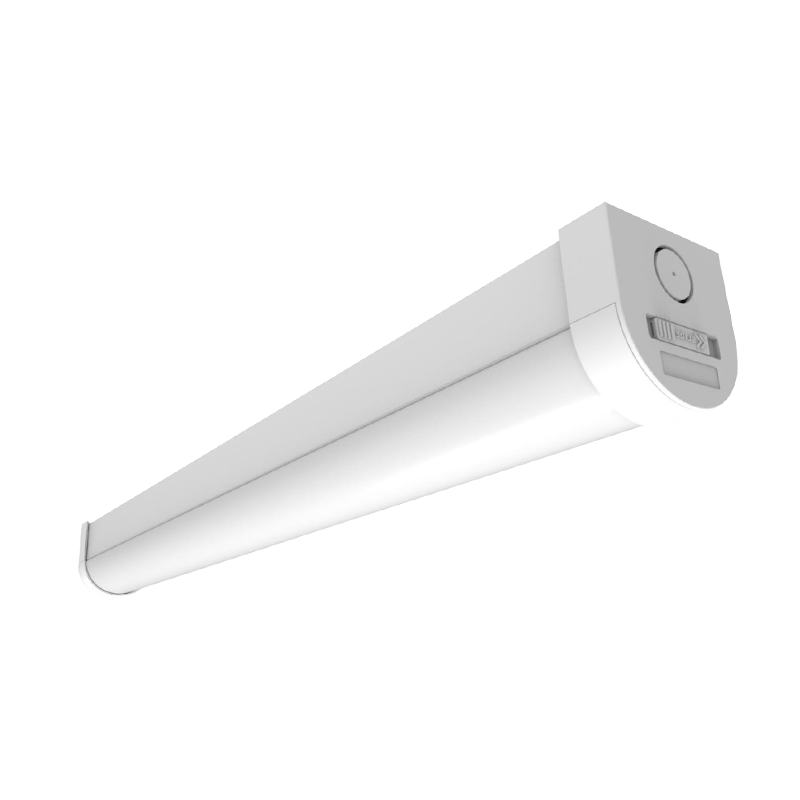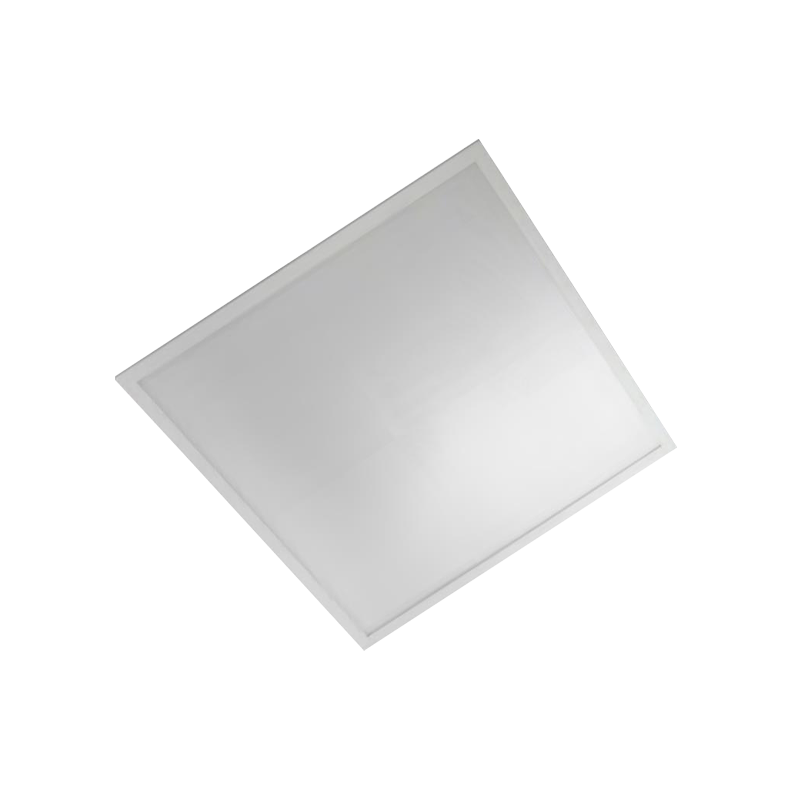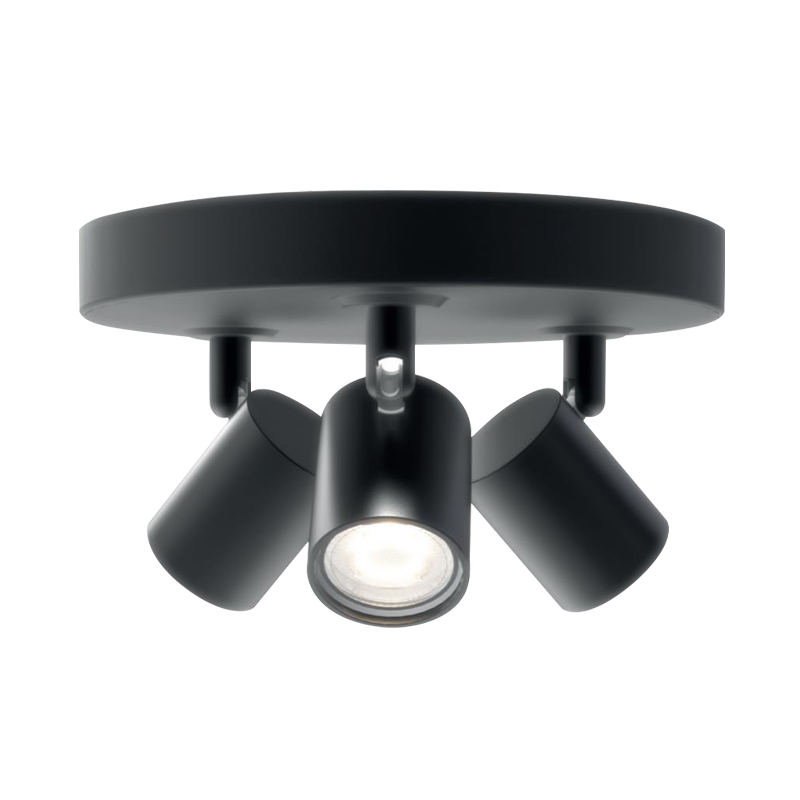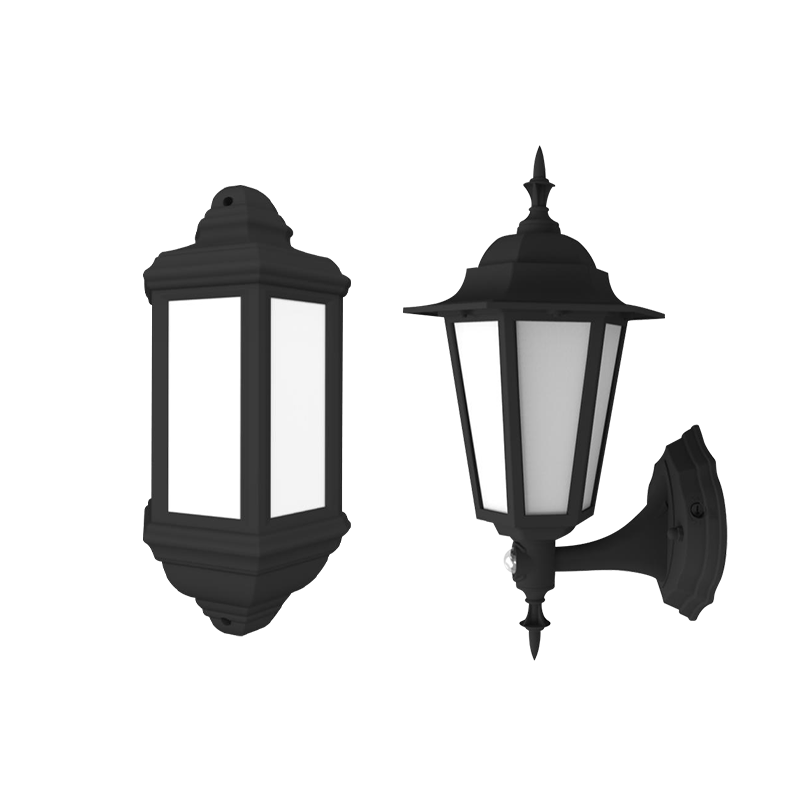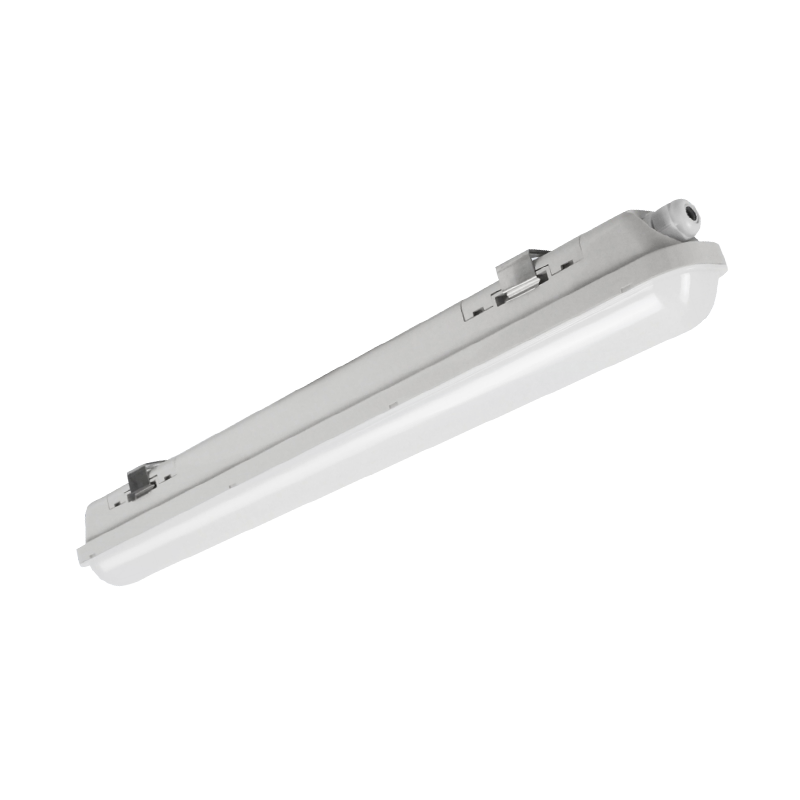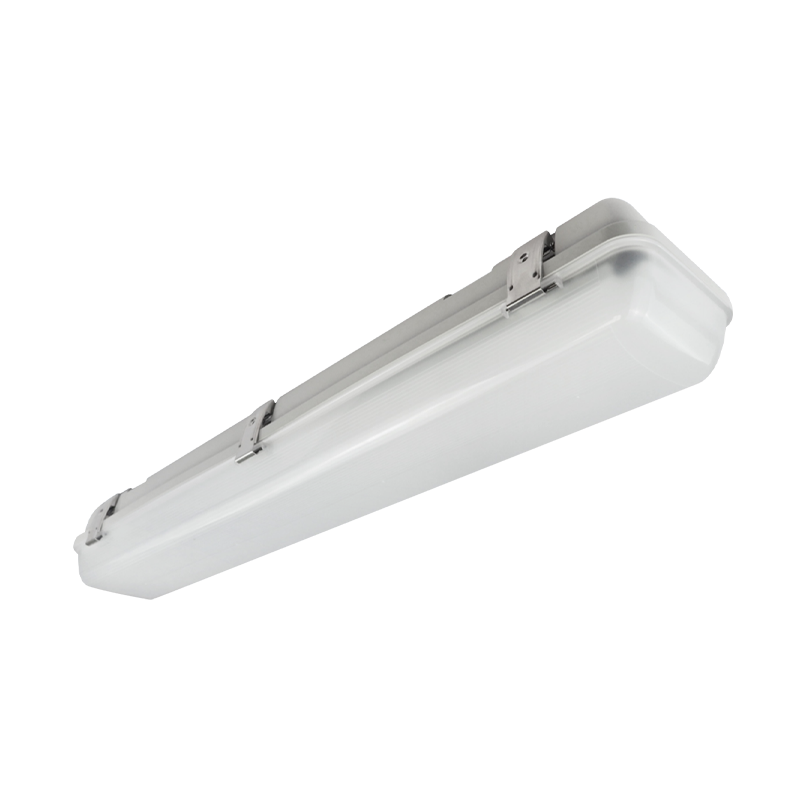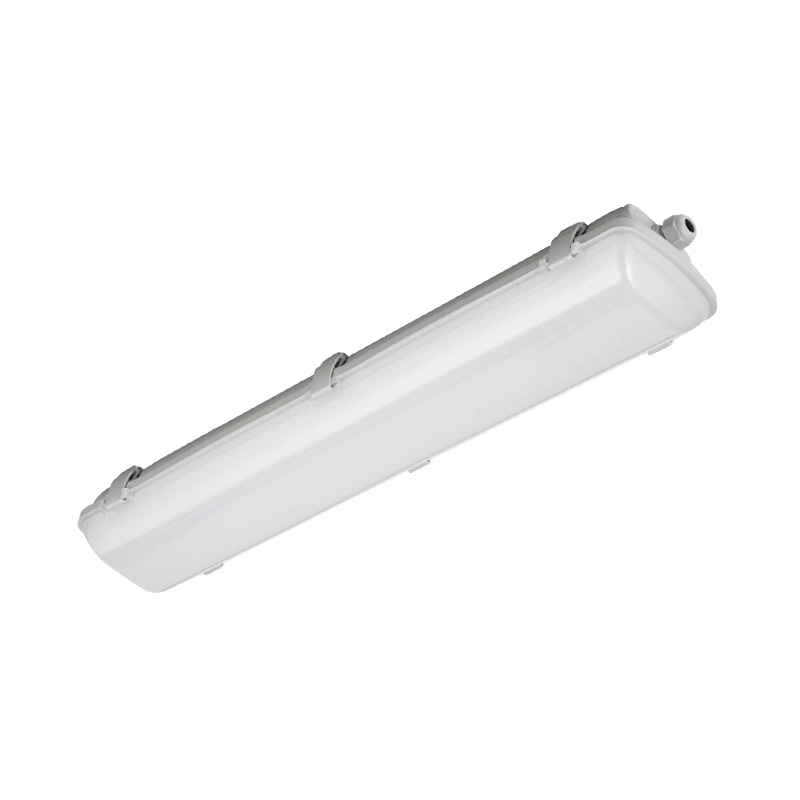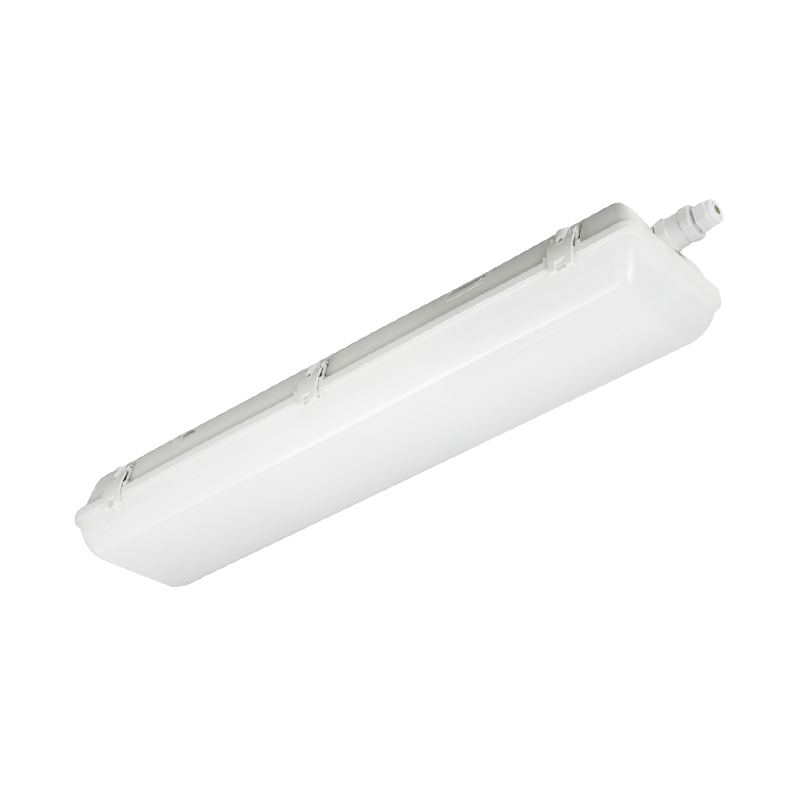


Every LED Bulkhead that leaves our production line goes through a structured build process that starts with housing tooling and ends with full batch aging tests. Unlike generic fixtures assembled from purchased components, our led bulkhead light range is engineered in-house, from the die-cast or polycarbonate shell to the driver circuit board layout. This control over the manufacturing chain is what allows us to guarantee consistent IP65 sealing, stable color temperature batches, and predictable lumen output across every production run, whether the order is a small trial batch or a multi-container shipment.
Housing molds for our led bulkhead lamp series are designed and modified internally, which shortens development cycles for custom shapes and mounting brackets.
Each production batch of bulkhead led lighting units is sample-tested under pressurized water jets before packing, confirming the sealing gasket performance.
Every led bulkhead unit is powered for a minimum burn-in period to detect early driver failures before the product ever reaches a job site.
Diffuser lenses are checked with integrating sphere equipment to confirm lumen output and beam uniformity match the datasheet values.
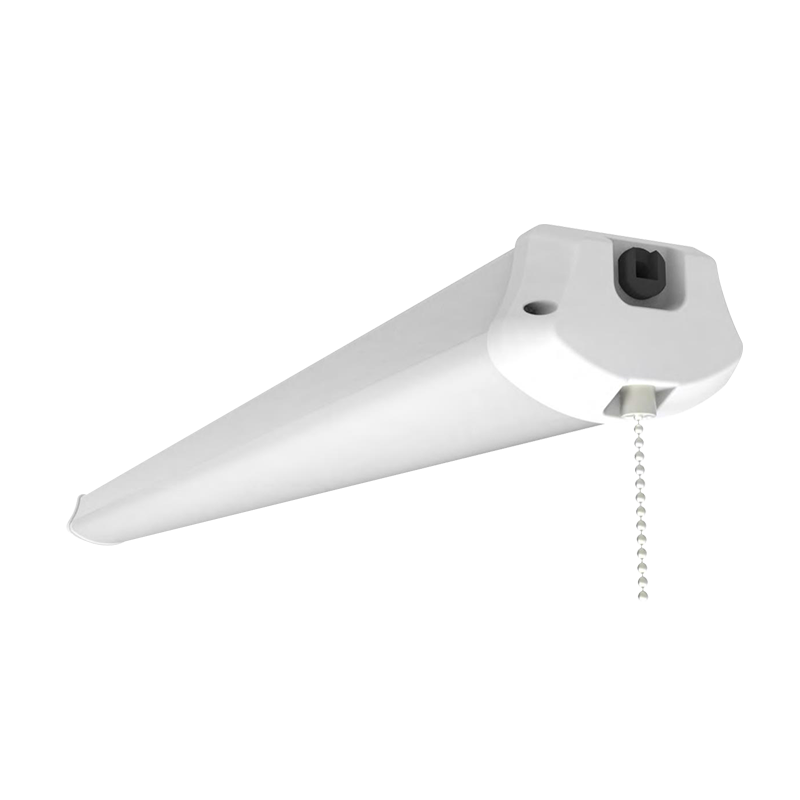
What is a LED bulkhead in practical terms? It is a sealed, surface-mounted luminaire built around a rigid outer shell that protects the internal LED chipset and driver from moisture, dust, and physical impact. The led bulkhead light category typically uses a circular or oval body, a frosted or clear polycarbonate diffuser, and a rubber gasket compressed between the lens and housing to block water ingress. This construction differs from open-frame fixtures because there is no exposed wiring or circuitry once the unit is assembled and closed.
Inside the shell, the led bulkhead lamp module is built from four core parts working together: the metal-core circuit board holding the LED chips, the aluminum or plastic heat-dissipation body, the constant-current or constant-voltage driver, and the diffuser lens that spreads light evenly across the covered area. The following breakdown outlines how each part contributes to the finished bulkhead led lighting unit.
Surface-mounted diodes arranged on a metal-core PCB for even heat spread and consistent light output across the diffuser.
Aluminum housing or internal heat sink fins draw heat away from the chip board to slow lumen depreciation over time.
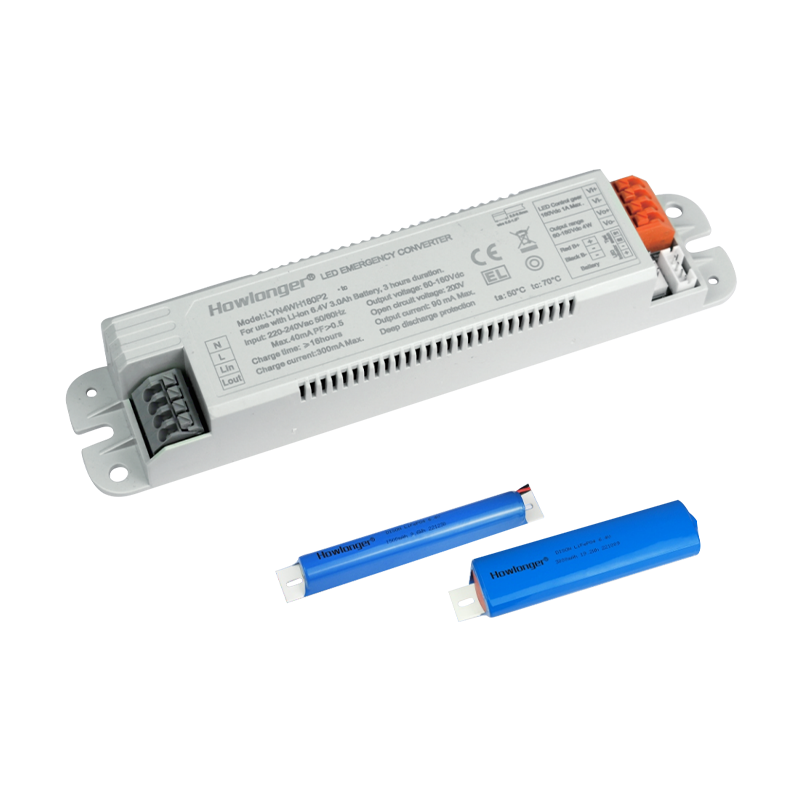
Regulates current flow to the LED chips, with surge protection components guarding against voltage spikes on the supply line.
A frosted polycarbonate cover paired with a compressed rubber seal keeps water and dust away from internal components.
Are LED bulkheads waterproof by default? Not universally — the level of protection depends entirely on the IP rating stamped on the datasheet, and this is one of the first specifications a buyer should check before placing an order. The table below outlines the common ingress protection classes used across our led bulkhead range and what each rating means for real installation conditions.
| IP Rating | Dust Protection | Water Protection | Typical Use Case |
| IP54 | Limited dust ingress allowed | Splashing water from any direction | Covered corridors, sheltered walkways |
| IP65 | Fully dust-tight | Low-pressure water jets from any direction | Parking structures, exterior stairwells |
| IP66 | Fully dust-tight | Powerful water jets from any direction | Loading docks, exposed canopies |
| IP67 | Fully dust-tight | Temporary immersion up to 1 meter | Low-lying tunnels, flood-prone basements |
Beyond the water rating, mechanical impact resistance matters just as much for a led bulkhead lamp installed in a public corridor or garage entrance. Most of our units carry an IK08 or IK10 rating, meaning the polycarbonate diffuser can absorb accidental impacts from carts, ladders, or falling debris without cracking. When a customer asks whether led bulkhead lamp housings can be installed in unheated exterior corridors, the combined IP and IK rating is the figure to reference rather than relying on the word "bulkhead" alone as a guarantee of protection.
What is the lifespan of a LED bulkhead once installed and running daily? Under standard testing conditions, our led bulkhead light units are rated at 50,000 hours to L70B50, meaning that after 50,000 hours of operation, at least 50% of the tested sample still maintains 70% or more of its initial lumen output. At twelve hours of daily use, that translates to roughly eleven years of service before a noticeable drop in brightness.
Two factors decide whether a bulkhead led lighting unit reaches its rated life in the field: thermal management and driver component quality. Heat is the primary accelerant of lumen depreciation, so the aluminum shell or internal heat sink fins on our led bulkhead housings are shaped to maximize surface area for passive convection. On the electrical side, the driver's electrolytic capacitors are usually the first point of failure in cheaply built fixtures — long before the LED chips themselves degrade. Specifying a driver rated for 30,000 hours or more keeps the electrical components aligned with the optical lifespan of the chip board, avoiding a scenario where the driver fails years before the light source would have needed replacement.
What is the purpose of bulkhead lighting historically, and why has the shape persisted into commercial and industrial buildings today? The term originates from maritime vessels, where sealed compartment walls (bulkheads) required lighting fixtures that could withstand moisture, vibration, and confined mounting spaces without exposed wiring. That same sealed, low-profile design translated directly into land-based construction once builders needed fixtures for damp stairwells, unheated corridors, and semi-outdoor walkways.
Today, the led bulkhead serves a very specific functional role: providing dependable, low-maintenance illumination in transitional spaces that are neither fully indoor nor fully outdoor. These are areas where a standard recessed downlight would fail prematurely due to condensation, and where a fully exposed outdoor fixture would be excessive. The application list below reflects where our led bulkhead light units are most frequently specified.
Wall or ceiling mounted units withstand exhaust fumes, temperature swings, and occasional vehicle-related vibration.
Impact-resistant lenses handle contact from luggage, equipment carts, or foot traffic in tight enclosed spaces.
Low-temperature rated drivers keep output stable in refrigerated distribution passageways.
Sealed housings resist dust and moisture from constant door openings and outdoor exposure.
Vibration-tolerant mounting brackets suit factory floors with mechanical equipment nearby.
Weather-sealed lenses handle wind-driven rain along semi-outdoor pedestrian routes.
What is a 20m visible led bulkhead light, and where does this specification actually matter? It refers to a fixture engineered so its illuminated state and beam presence remain clearly identifiable from a 20-meter viewing distance — a specification frequently requested for long warehouse aisles, extended parking ramps, and evacuation route corridors where a person needs to visually confirm a working light source well before reaching it. Knowing how to use a 20m visible led bulkhead light correctly comes down to placement, spacing, and lens maintenance rather than the fixture alone.
Mount the fixture where structural beams, signage, or ductwork will not block the direct line of sight along the corridor length.
Keep installation height between 2.5 and 3 meters so the light cone reaches the floor evenly without excessive glare at eye level.
Place fixtures at 3 to 4 meter intervals along the corridor to avoid dark gaps between illuminated zones.
Terminate wiring with waterproof connectors and heat-shrink tubing inside the junction box to prevent moisture entry over time.
Wipe the diffuser during scheduled inspections, since dust buildup reduces transmitted light and shortens the visible distance.
Check gasket condition, lens clarity, and driver operation every three months to maintain long-distance visibility performance.
A led bulkhead light odm program exists precisely because standard catalog specifications rarely match every project's electrical code, mounting constraint, or certification requirement. Working directly with a manufacturer on odm terms means the housing color, lens texture, wattage tier, and even the internal wiring harness can be adjusted to match a project specification sheet rather than forcing the project to adapt around a fixed product.
Choice between polycarbonate or die-cast aluminum shells, finished in custom colors to match building interiors.
Output adjusted from 8W through 30W depending on ceiling height and required floor illuminance.
0-10V or DALI dimming modules added for integration with building management systems.
Haze value of the diffuser adjusted to balance glare reduction against overall light transmission.
Testing and documentation aligned to the electrical standards of the destination market.
Carton dimensions, inner packaging, and label artwork adapted to project or distribution requirements.
The table below compares performance figures across three common configurations within our led bulkhead lamp lineup, giving a reference point for matching wattage and features to a given installation.
| Specification | Standard Series | High-Output Series | ODM Custom Series |
| Luminous Efficacy | 90 lm/W | 110 lm/W | 90-130 lm/W configurable |
| Beam Angle | 120° | 100° | 90°-160° configurable |
| CRI | Ra80 | Ra90 | Ra70-Ra90 configurable |
| Surge Protection | 2kV | 4kV | 2kV-10kV configurable |
| Warranty Period | 3 years | 5 years | Project-based terms |
Proper installation extends the practical service life of any led bulkhead well beyond the baseline rating, while poor mounting practice can shorten it considerably regardless of the component quality inside the fixture. The checklist below covers the points most often overlooked during field installation.
Matching a led bulkhead light to a project comes down to three practical checks: confirming the required IP and IK rating for the installation environment, calculating the wattage and beam angle needed for the mounting height, and deciding whether a standard catalog unit or an odm-customized configuration better fits the electrical and aesthetic requirements of the building. Corridors with long sightlines benefit from the 20m visible led bulkhead light configuration described earlier, while cold storage or high-impact zones lean toward higher IK ratings and low-temperature driver components. Reviewing the comparison tables above against the specific conditions of the installation site is the most reliable way to narrow down the correct series before placing an order.



No.8, Ankang West Road, Zonghan Street, Cixi City, Zhejiang Province, P.R.China
0086-574-6320 0283
Copyright © Ningbo Longer Lighting Co., Ltd.
All Rights Reserved.
 Wholesale LED Lighting Fixtures Manufacturers

 Deutsch