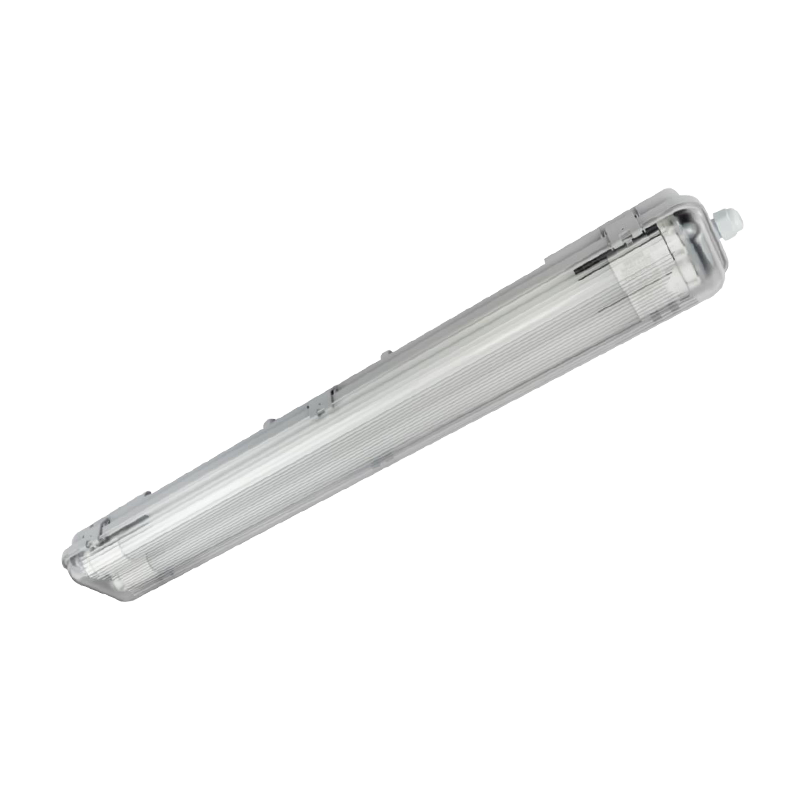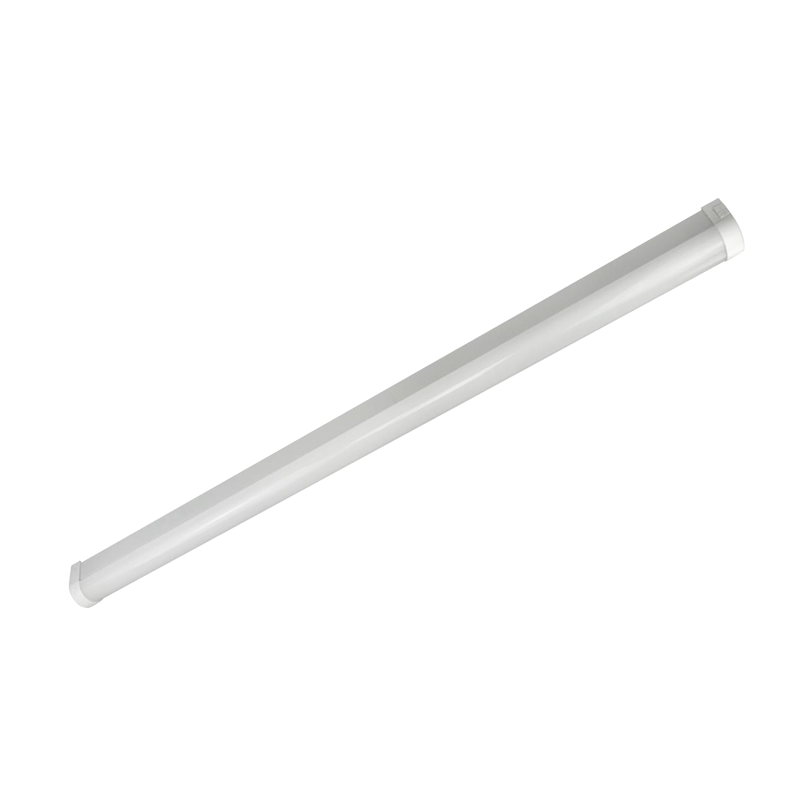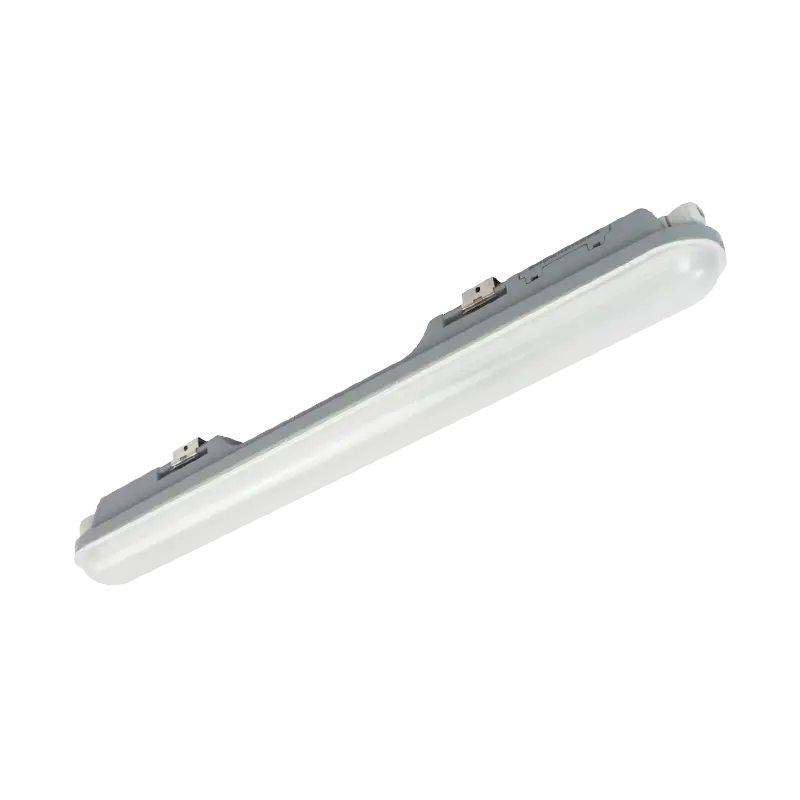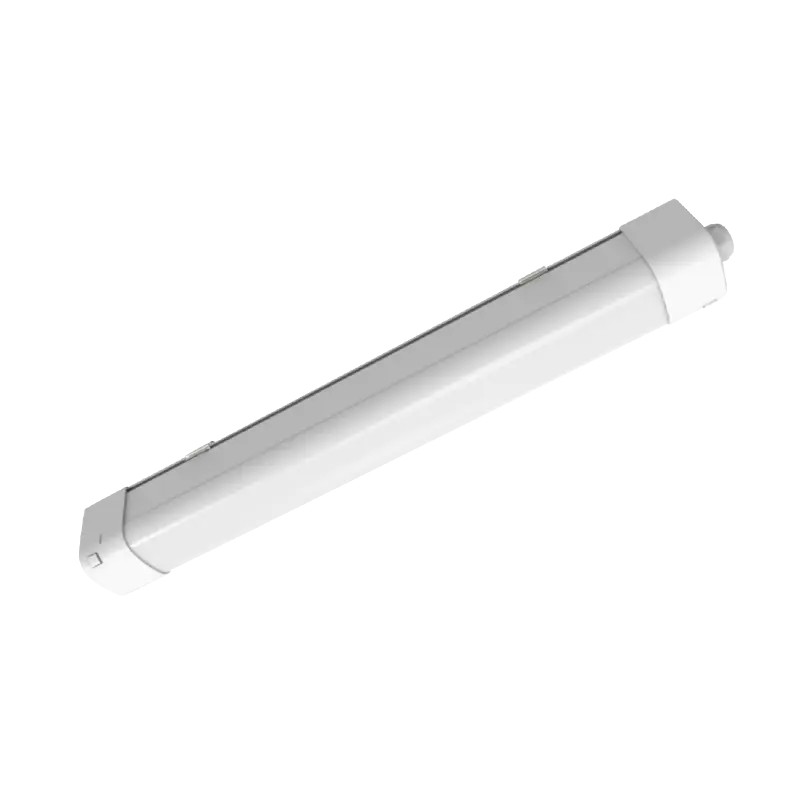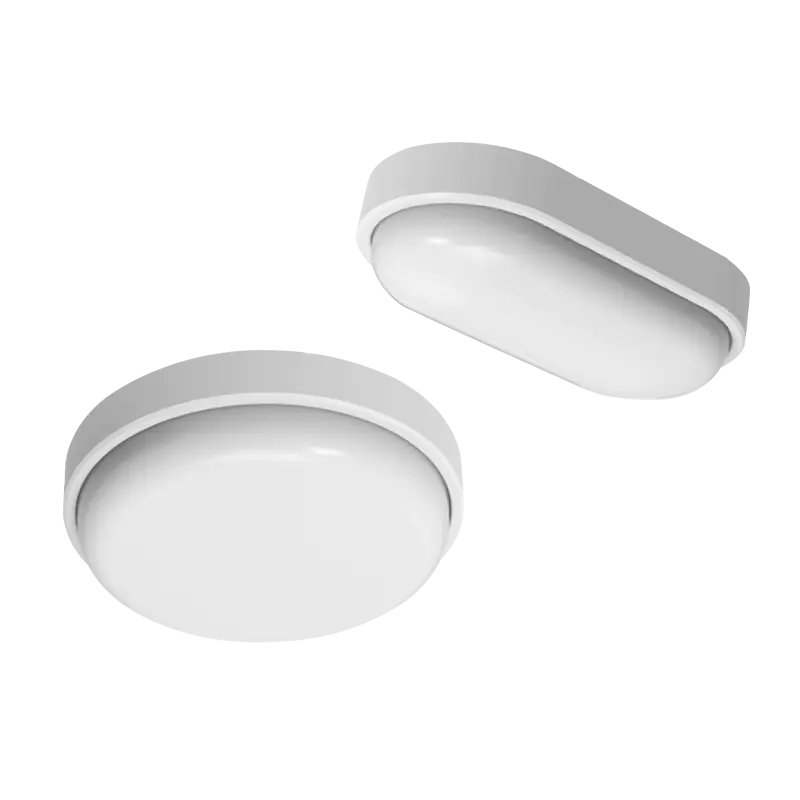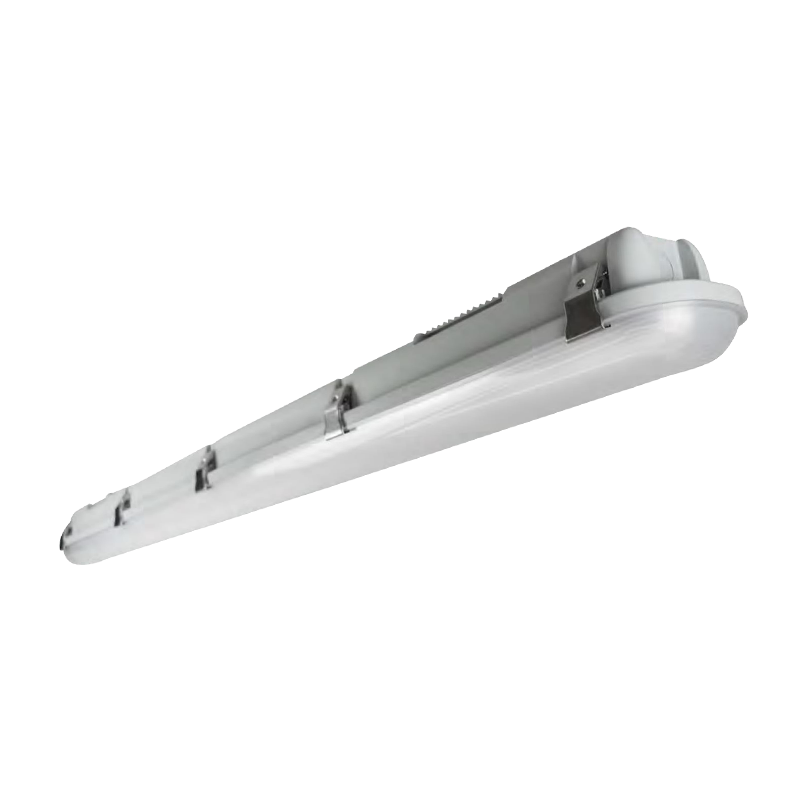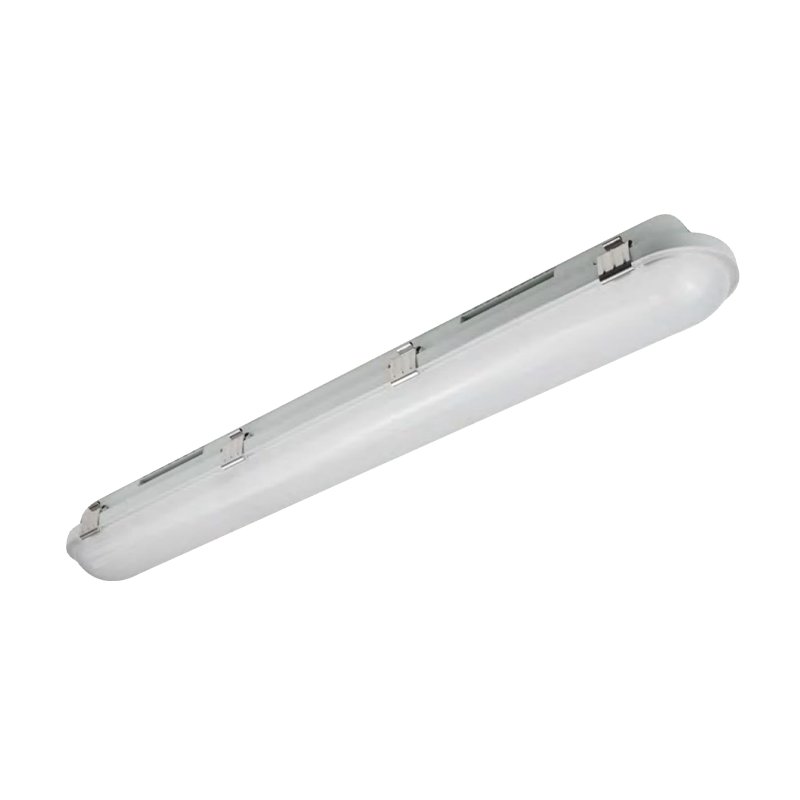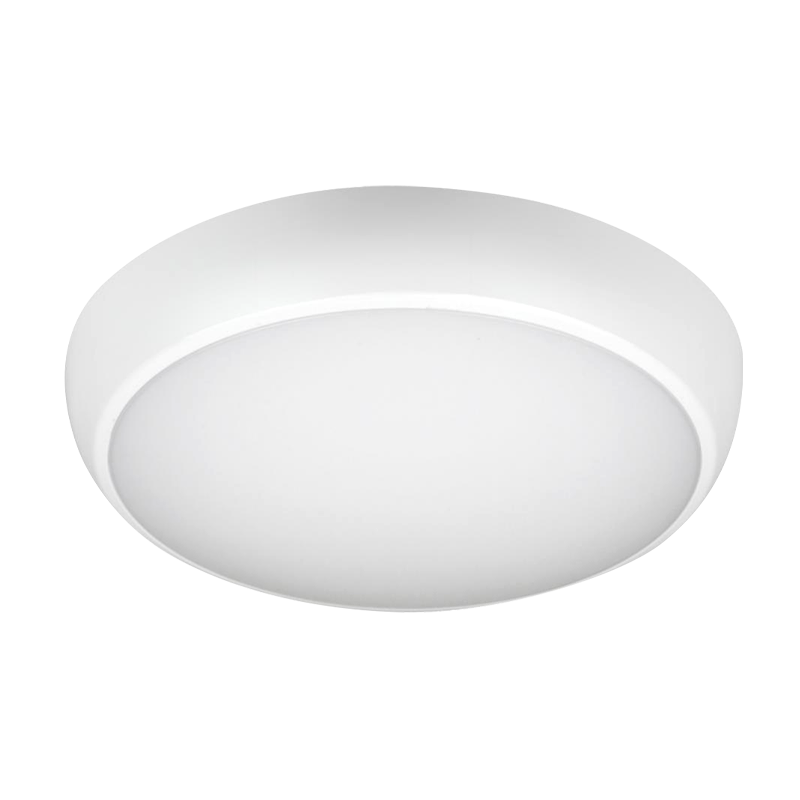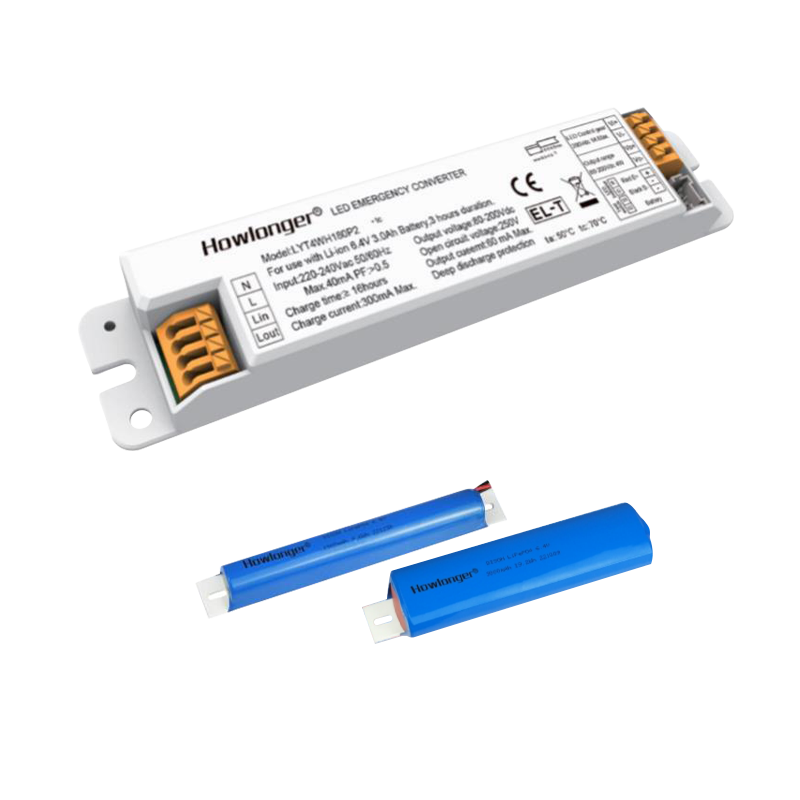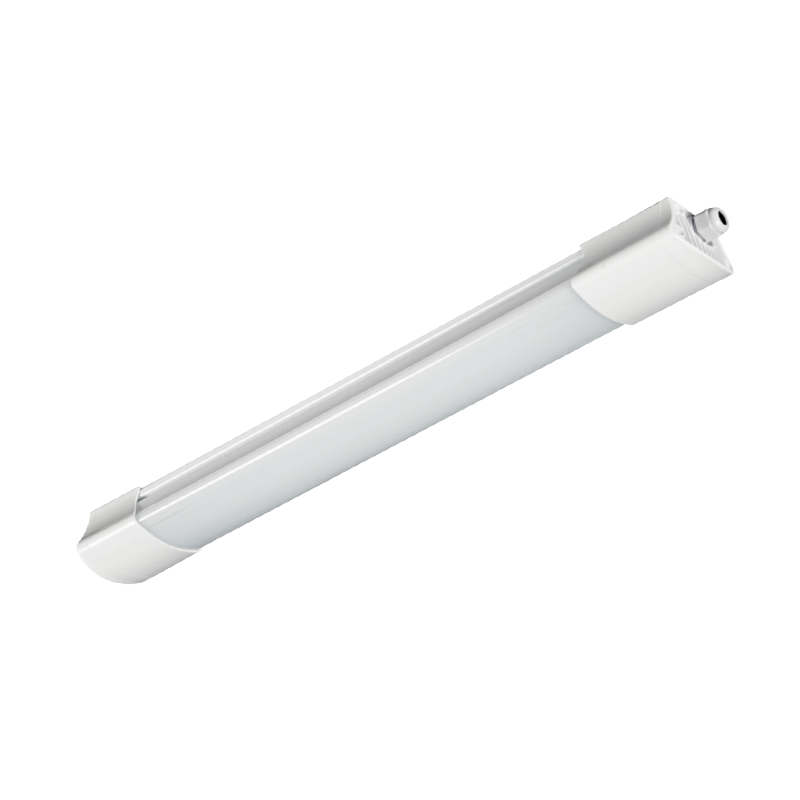


Light uniformity refers to how evenly light is distributed across the illuminated area by LED panel lights. Ideal light uniformity ensures that the light emitted from the panel is evenly spread, without any noticeable bright or dark spots. The uniformity of light directly impacts the comfort and functionality of lighting environments, especially in spaces where long hours of illumination are required.
To evaluate the light uniformity of an LED panel light, it is essential to conduct measurements across the illuminated area. There are two common methods used for measuring light uniformity: Luminance Meter Method and Radiation Intensity Method.
The luminance meter method involves using a light meter or illuminance meter to measure the light intensity at various points within the illuminated area. The light intensity readings are recorded, and the uniformity is assessed by calculating the ratio of the maximum light intensity to the minimum. This method is simple and effective for general light measurement tasks.
The radiation intensity method is more precise and involves using optical instruments such as an integrating sphere or radiation probe to measure the light's intensity distribution. By analyzing the emitted light’s intensity, a light intensity distribution map is created, offering a more detailed assessment of light uniformity.
According to the standards set by the International Commission on Illumination (CIE), the light uniformity of LED panel lights is typically measured using the Uniformity Ratio, which is the ratio of maximum to minimum light intensity within the illuminated area. Generally, the closer the uniformity ratio is to 1, the more evenly the light is distributed. The typical uniformity ratio requirements are as follows:
These standards provide a clear framework for determining whether an LED panel light’s uniformity meets the necessary requirements for specific applications.
A good LED panel light should offer a uniform luminance distribution map. By measuring the illuminance at multiple locations, it is possible to create a luminance distribution chart. If the map shows obvious hot spots or shadowed areas, it indicates poor light uniformity. Ideally, the distribution chart should resemble a smooth and consistent surface with minimal variations in brightness.
The design of the light source plays a crucial role in light uniformity. Low-quality LED panel lights often use inferior light source chips, which lead to uneven light distribution. High-quality LED panel lights typically use advanced light source chips and employ superior optical processing techniques to ensure the light is evenly distributed across the panel.
The optical lens and diffuser film design directly affect the light uniformity of LED panel lights. Poor lens design or subpar diffuser film quality can lead to uneven light distribution and noticeable bright and dark areas. By using high-quality lenses and diffuser films, LED panel lights can achieve a more uniform light spread and reduce dark spots.
The heat dissipation system of LED panel lights also impacts their light uniformity. Excessive heat can degrade the performance of LED chips, leading to unstable light output and uneven distribution. Proper heat management ensures that the LED panel light operates at a stable temperature, which contributes to consistent light output and improved uniformity.
The light uniformity of LED panel lights affects the visual comfort and functionality of the lighting environment. In spaces such as offices, commercial areas, and classrooms, poor light uniformity can cause eye strain, headaches, and blurred vision. Therefore, when selecting LED panel lights, it is important to not only consider their technical parameters but also the comfort they provide to users during extended periods of use.



No.8, Ankang West Road, Zonghan Street, Cixi City, Zhejiang Province, P.R.China
0086-574-6320 0283
Copyright © Ningbo Longer Lighting Co., Ltd.
All Rights Reserved.
 Wholesale LED Lighting Fixtures Manufacturers

 Deutsch