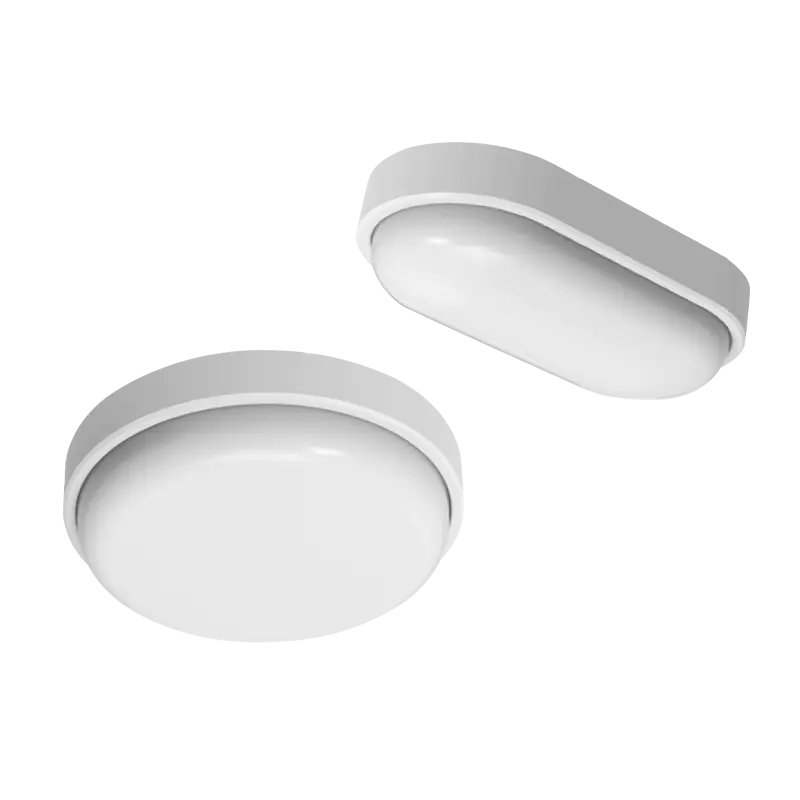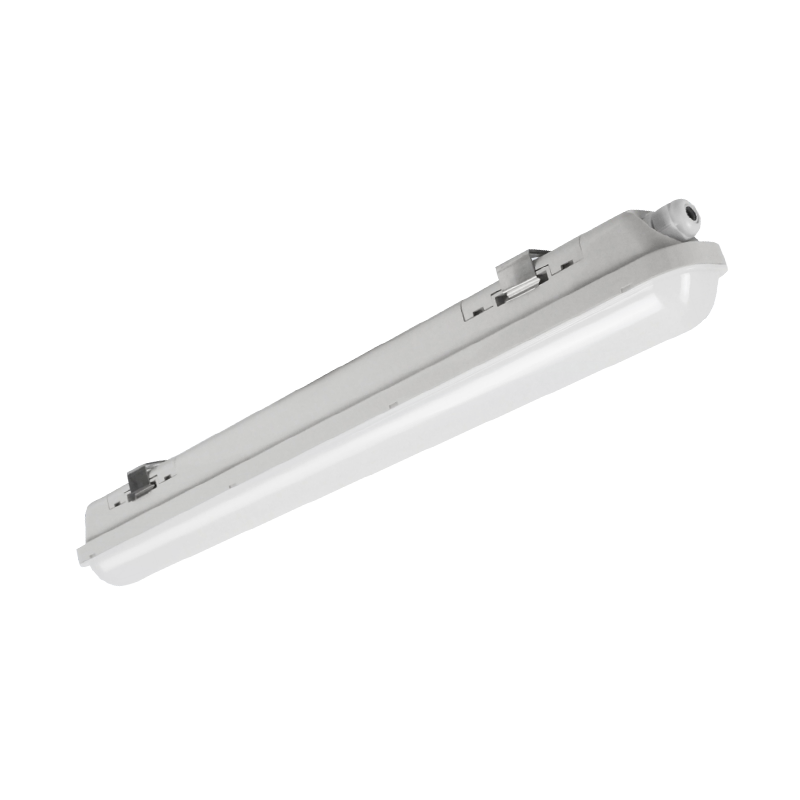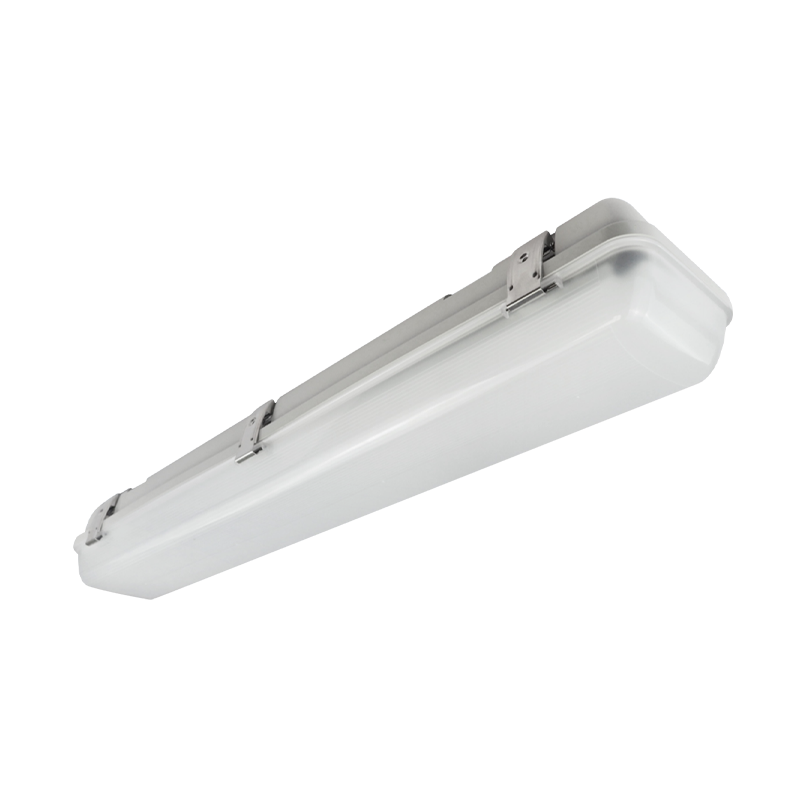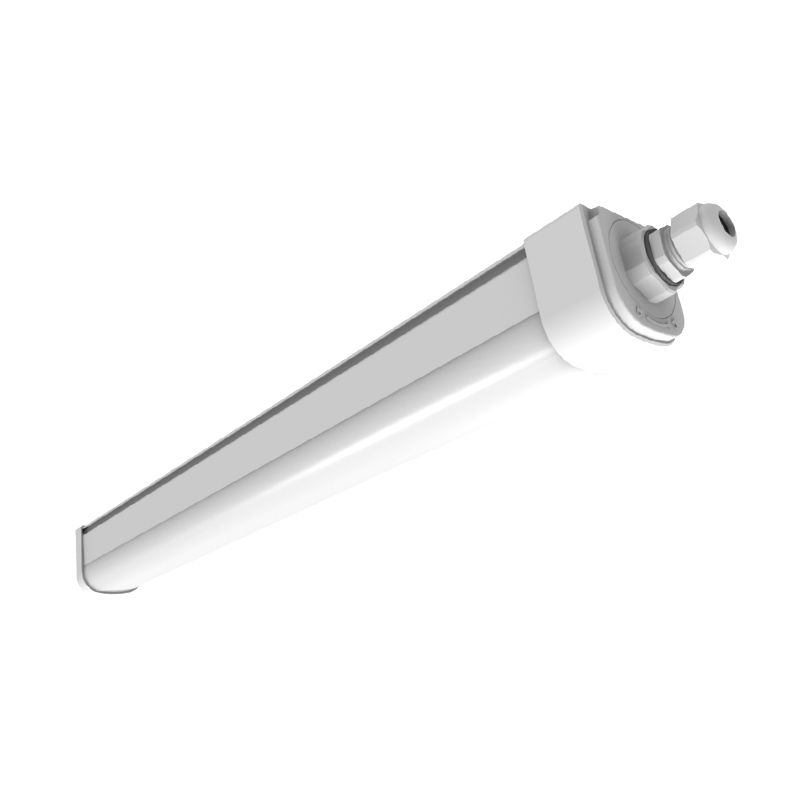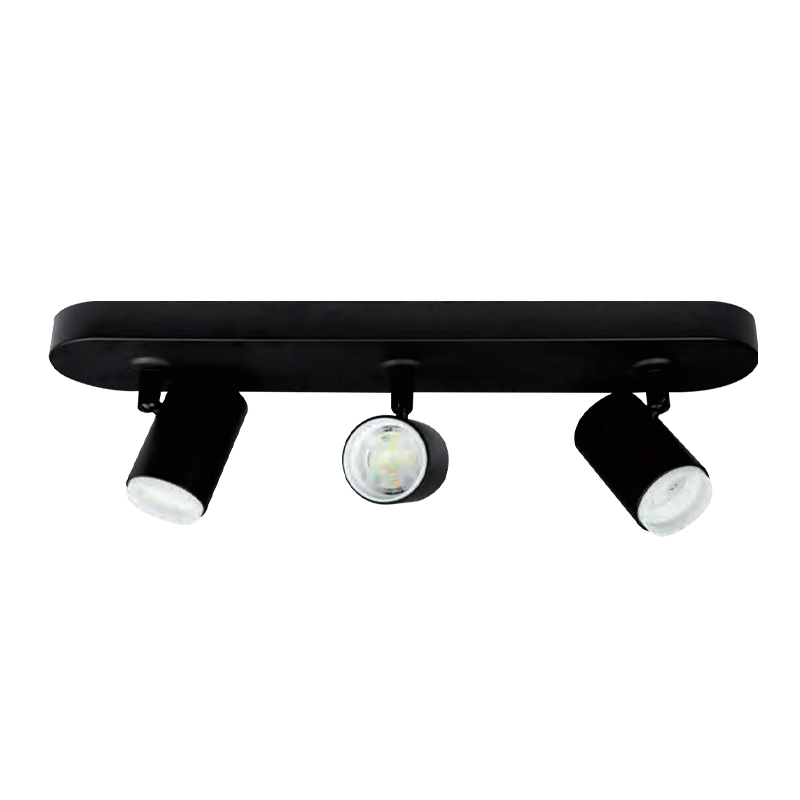


When shopping for home lighting, many people confuse 6000K with brightness. When you browse for an LED Ceiling Light, the specification 6000K Cool White is often accompanied by labels like high brightness or crisp. However, after installation in a living room or bedroom, many users complain that the light is too harsh or feels like an operating room.
To answer if 6000K is too bright, we must distinguish between two core physical quantities: Lumens and Kelvin.
Lumens (lm): The only indicator of brightness. This represents the total amount of light emitted by the source. Whether it is a 3000K warm yellow light or a 6000K cool white light, if both are rated at 2000lm, they emit the same amount of total energy.
Kelvin (K): The unit of color temperature. This describes the color of the light.
2700K - 3000K: Similar to sunset or candlelight; orange-yellow, creating a cozy and relaxing feel.
4000K - 4500K: Close to natural daylight; neutral white, suitable for work and daily activities.
6000K - 6500K: Similar to an overcast sky or direct noon sun; bluish-white, creating a cold and alert sensation.
Why does 6000K look brighter or harsher?
This involves the visual physiology of the human eye. The spectrum of 6000K contains a higher proportion of blue light. Blue light scatters more on the retina and significantly enhances visual contrast. This high contrast leads the brain to perceive the environment as brighter, even if the actual lumen output hasn't increased. For an LED Ceiling Light installed as a central primary source, this cold light penetrates every corner and eliminates shadows, creating an overwhelming sense of brightness.
To better understand where 6000K fits in LED Ceiling Light applications, refer to the table below:
| Parameter | 3000K (Warm White) | 4000K (Neutral White) | 6000K (Cool White) |
| Visual Tone | Yellowish/Orange, Soft | Pure White, Natural | Bluish, Cold and Sharp |
| Psychological Impact | Promotes melatonin, aids sleep | Neutral, reduces fatigue | Inhibits melatonin, increases alertness |
| Visual Contrast | Lower, softer details | Medium, high comfort | Very high, sharp details |
| Typical Scenarios | Bedroom, Dining Room | Kitchen, Study, Office | Garage, Basement, Hospital |
| Decor Styles | Traditional, Rustic, Wood | Modern, Scandinavian | Industrial, Minimalist, Tech |
A 6000K LED Ceiling Light simulates a highly active natural state. Regarding circadian rhythm regulation, this intense cool white light signals high noon to the brain, significantly inhibiting melatonin synthesis.
Definition of Cool White: Simulates noon sunlight with a bluish tint.
Psychological Effect: Increases alertness and focus by suppressing melatonin.
Positive Effects: High concentration. For tasks requiring precision—like model assembly, sewing, or car repairs—6000K provides excellent clarity and prevents errors caused by visual fatigue.
Negative Effects: In this color temperature, it is difficult to enter a relaxed state. Keeping a 6000K LED Ceiling Light on late at night can lead to difficulty falling asleep or poor sleep quality.
Modern Aesthetic: 6000K complements minimalist or industrial styles, enhancing the transparency and openness of a space.
The performance of an LED Ceiling Light depends on its placement. The mismatch between light and environmental purpose is the root cause of discomfort.
In these areas, the primary tasks are safety and precision.
Visual Acuity: 6000K cool white light significantly improves the contrast of object edges. When repairing vehicles or handling fine parts, a high color temperature LED Ceiling Light helps you spot tiny cracks, screws, or paint defects easily.
Reaction and Safety: Studies show human reaction times are faster under cool light than warm light. For spaces storing tools or ladders, clear vision is the first line of defense against accidents.
These spaces require high hygiene standards; 6000K light provides a psychological hint of a sterile environment.
Kitchen: If your kitchen features white glossy cabinets or marble, a 6000K LED Ceiling Light makes the space look transparent. However, in food prep areas, high color rendering is needed to prevent meat and vegetables from looking grayish.
Bathroom: When washing up in the morning, the strong light of 6000K quickly wakes up the brain. Using an LED Ceiling Light in the bathroom helps create a morning wake-up logic.
This is where 6000K disasters most commonly occur.
Atmosphere Destruction: Living rooms are for relaxation. A 6000K LED Ceiling Light makes fabric sofas, rugs, and artwork look flat and lacks depth.
Physiological Interference: Bedrooms are for melatonin secretion. Long-term exposure to 6000K light while reading or using a phone interferes with circadian rhythms. Warmth disappears, and furniture may look stark or cheap under cool white light.
Refer to the following recommendations for selecting an LED Ceiling Light:
| Room Type | Recommended CCT (K) | Recommended Lux | Light Property | Visual Effect |
| Master Bedroom | 2700K - 3000K | 150 - 200 | Soft, Low Blue Light | Cozy, Sleep-aid |
| Living Room | 3000K - 4000K | 200 - 300 | Layered, Wide Angle | Comfortable, Grand |
| Kitchen | 4000K - 5000K | 300 - 500 | Clean, High CRI | Bright, Crisp |
| Study/Workroom | 5000K - 6000K | 500 - 750 | High Contrast, Flicker-free | Focused, Efficient |
| Garage/Basement | 6000K+ | 500+ | High Penetration | Transparent |
If a 6000K light feels harsh or ugly, it is often due to a low CRI (Color Rendering Index) rather than the color temperature itself. If the CRI is low, objects will look lifeless regardless of brightness.
CRI measures a light source's ability to reveal the true colors of objects, with a maximum value of 100 (sunlight).
Low CRI (<80) at 6000K: The light looks pale with a cheap greenish-blue tint. Under this LED Ceiling Light, skin looks sickly and food looks unappetizing. This is the main cause of the operating room feel.
High CRI (>90) at 6000K: Although the color temperature is high, it restores colors accurately. Red apples stay red, and textures remain rich. The light is cool but not fake.
When choosing an LED Ceiling Light, aim for a balance of high CCT and high CRI (Ra > 90).
If you have already installed a 6000K LED Ceiling Light and feel uncomfortable, you can optimize it using these methods:
CCT-adjustable LED Ceiling Lights are now market mainstream. They allow you to switch between 3000K and 6000K via remote or switch. Use 6000K for work during the day and switch to 3000K for relaxation at night.
Combine spotlights, floor lamps, and the main ceiling light to break the rigidity of 6000K. Do not rely solely on one LED Ceiling Light. Adding warm-toned lamps can balance the cool white primary light and create visual depth.
Acrylic and frosted glass covers can soften the sharpness of 6000K. Quality diffusion materials turn the point-source LED light into a uniform surface light, reducing glare and making the 6000K tone feel like soft morning mist rather than a searchlight.
Both fall under Cool White. 6500K simulates an overcast day and has slightly more blue light than 6000K.
Visual Sensation: 6500K has a faint violet-blue tint, while 6000K is closer to pure white.
Application: Unless in a professional drafting room or lab, these two are interchangeable in an LED Ceiling Light.
This concerns blue light hazard and flicker.
Science: Certified LED Ceiling Lights fall within safe radiation standards (RG0 or RG1). The risk isn't the high CCT but excessive brightness and staring at the source.
Advice: Avoid using a single high-brightness 6000K light in a dark room. Choose products with low blue light or anti-glare certifications.
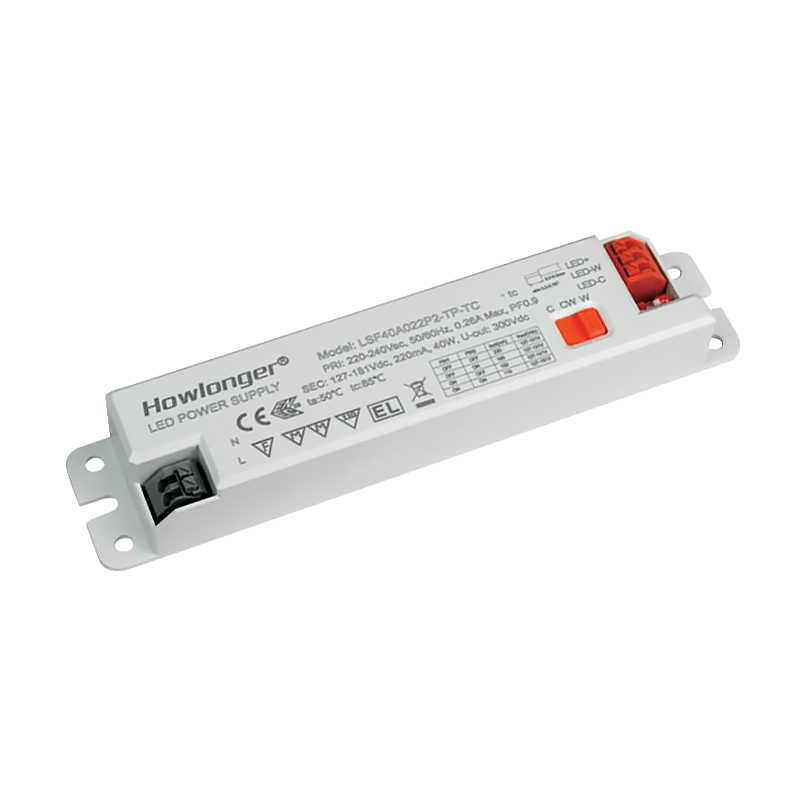
This relates to the quality of the LED Driver.
Flicker: Poor drivers cause high-frequency flickering. While invisible, it causes brain fatigue and a sensation of harshness.
Diffusion: High-quality lights use polymer diffusion plates to spread the light evenly.
Solution: Add local warm lighting (floor lamps, table lamps) to neutralize the ambient tone. Alternatively, add a translucent softening material over the fixture to reduce glare.
Based on 6000K efficiency, refer to these ranges for an LED Ceiling Light:
| Room Area (sqm) | Recommended Wattage (W) | Recommended Lumens (lm) | Scenario |
| 5 - 10 sqm | 12W - 18W | 1000 - 1500 | Hallway, Small Bathroom |
| 10 - 15 sqm | 18W - 24W | 1600 - 2200 | Bedroom, Study |
| 15 - 25 sqm | 36W - 48W | 3000 - 4500 | Living Room, Dining Room |
| 25 - 40 sqm | 72W+ | 6000+ | Large Hall, Workshop |
This is due to the spectrum of high color temperatures.
Knowledge: Cool white light enhances blues, greens, and purples but suppresses reds and yellows. If your wall is beige or warm cream, a 6000K LED Ceiling Light may make it look dull or even slightly greenish.
Check CCT: 6000K for focus; 4000K for daily home use; 3000K for relaxation.
Check CRI: Ensure Ra > 80. For reading or makeup, look for Ra > 90.
Check Driver: Prioritize Flicker-Free LED Ceiling Lights.
Check Beam Angle: A wide angle (>120 degrees) reduces shadows and makes the room feel open.



No.8, Ankang West Road, Zonghan Street, Cixi City, Zhejiang Province, P.R.China
0086-574-6320 0283
Copyright © Ningbo Longer Lighting Co., Ltd.
All Rights Reserved.
 Wholesale LED Lighting Fixtures Manufacturers

 Deutsch