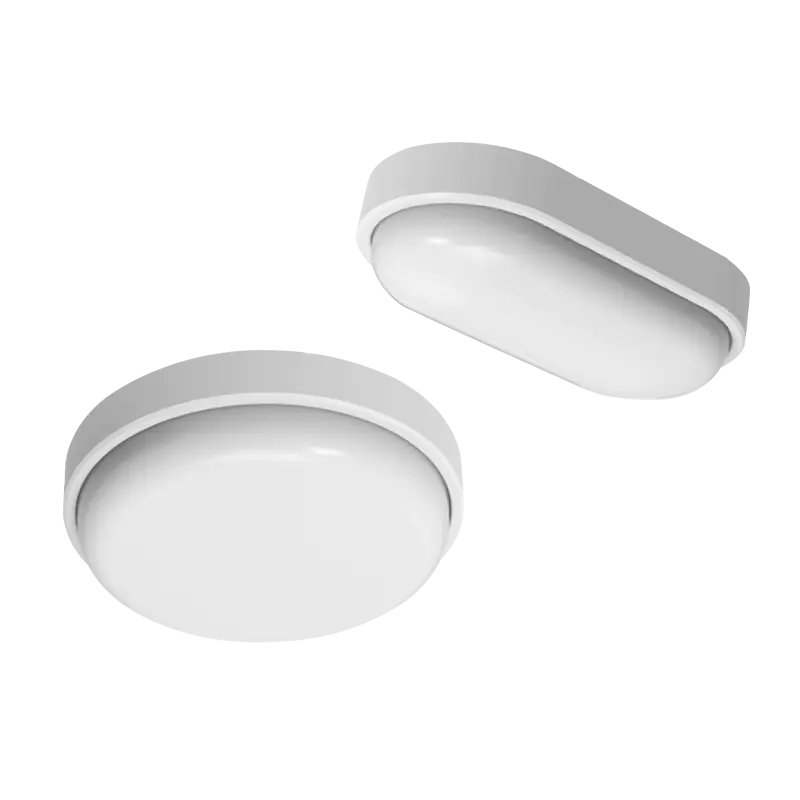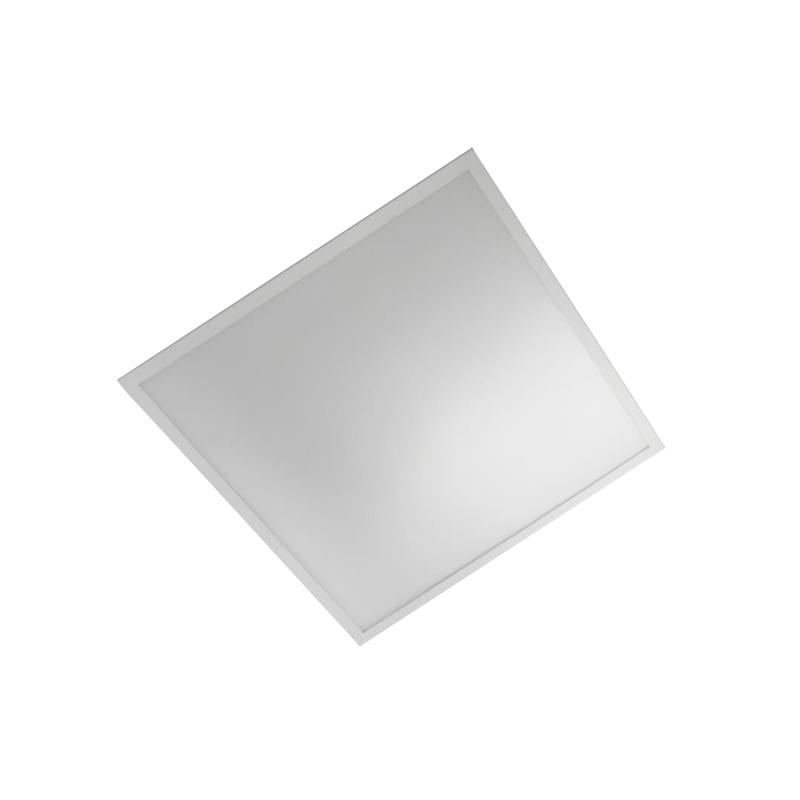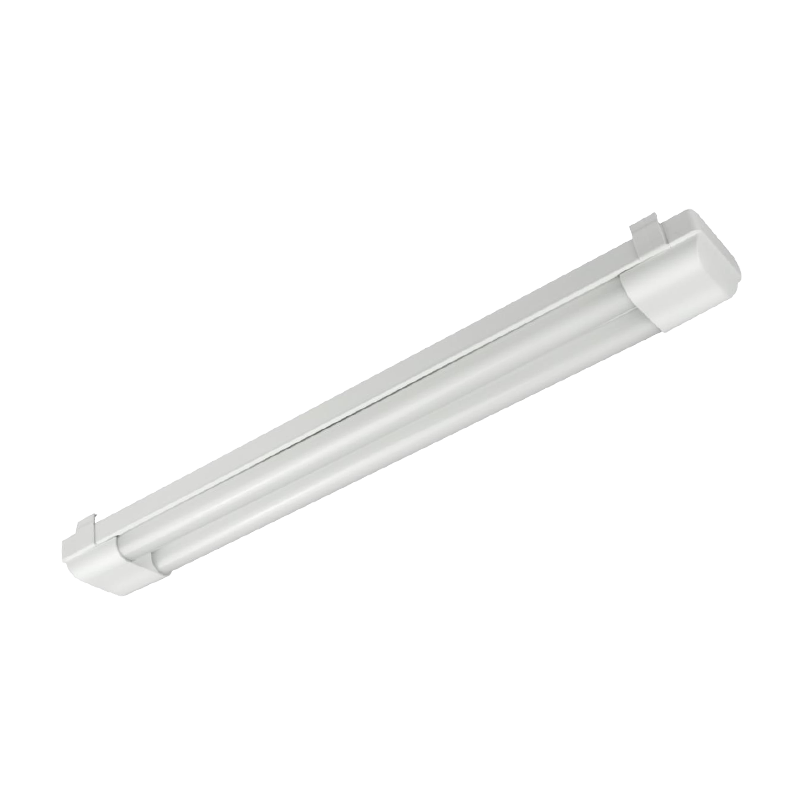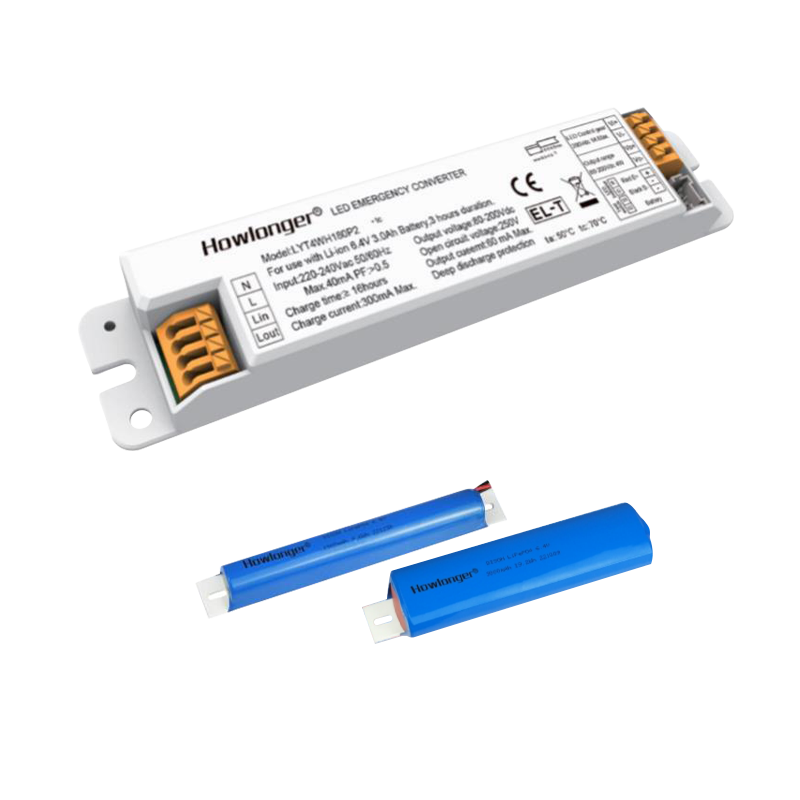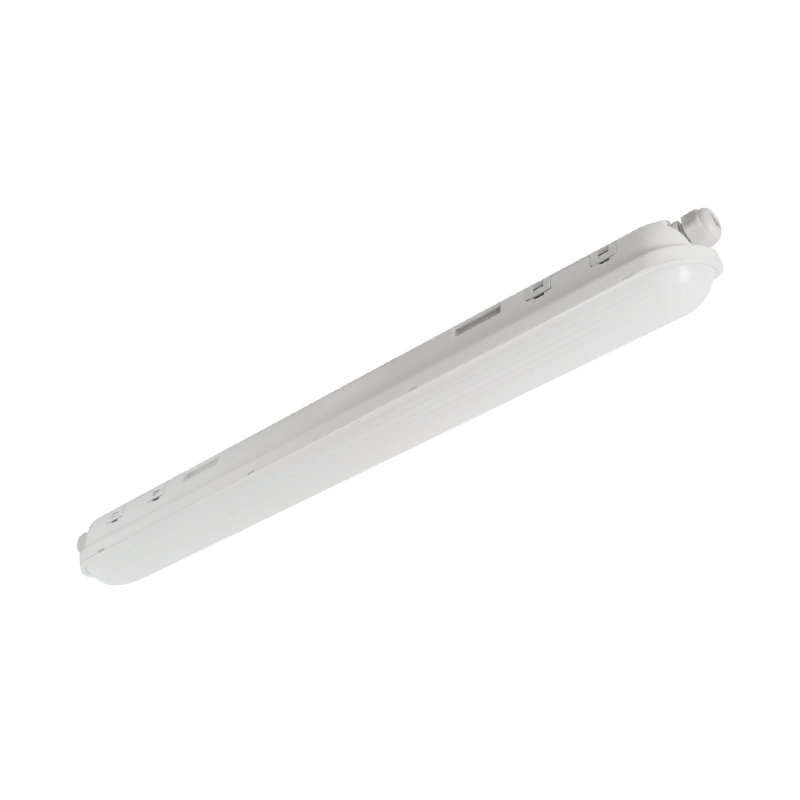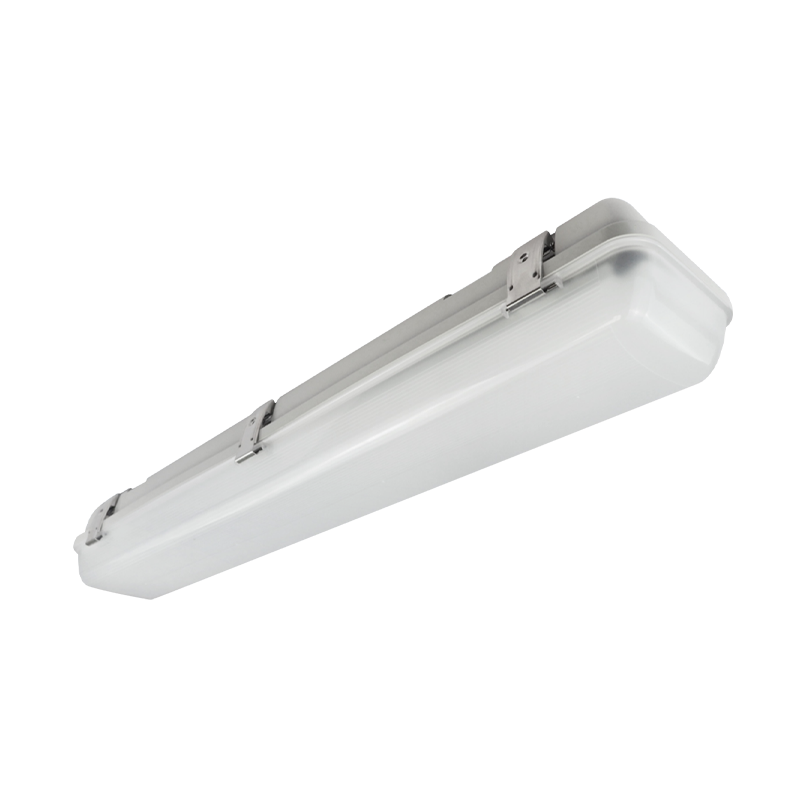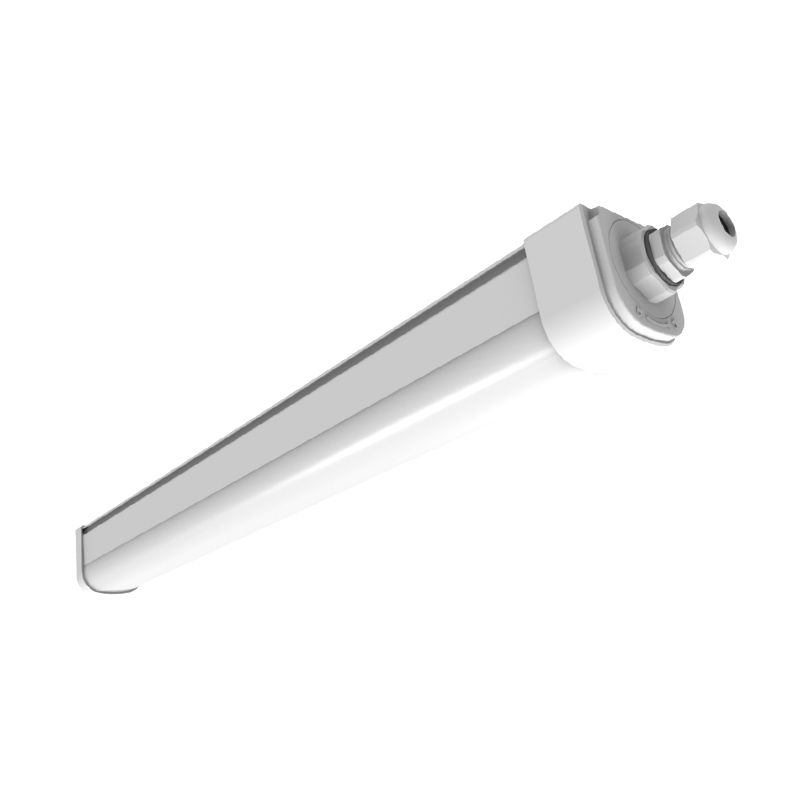


Over the past decade, the LED Ceiling Light has swept the market, replacing traditional incandescent and fluorescent lamps. With extremely high energy efficiency and a nominal lifespan of tens of thousands of hours, it is regarded as the ultimate solution for lighting technology. However, as the LED Ceiling Light becomes ubiquitous in homes globally, some disadvantages hidden behind marketing rhetoric have gradually surfaced.
As a solid-state lighting device, the LED Ceiling Light operates on a fundamentally different principle than traditional thermal radiation lighting. While this technological leap brings energy-saving advantages, it also introduces complex electronic component aging, spectral shifts, and potential interference with human biological rhythms.
Most consumers only focus on brightness and power when purchasing an LED Ceiling Light, often ignoring the "quality" of the light source. In fact, low-quality LED Ceiling Light products can bring invisible flicker, distorted color performance, and even irreversible vision damage. Furthermore, because modern ceiling lights mostly adopt integrated designs, the difficulty of maintenance has become a major pain point for home repairs.
| Performance Metric | LED Ceiling Light | Fluorescent (CFL) | Incandescent |
| Luminous Efficacy (Lm/W) | 80 - 150 (Very High) | 50 - 70 (High) | 10 - 17 (Very Low) |
| Spectral Continuity | Poor (High Blue Peak) | Poor (Linear Spectrum) | Excellent (Full Spectrum) |
| Color Rendering Index (CRI) | 70 - 95 (Highly Variable) | 60 - 80 (Average) | 95 - 100 (True) |
| Switching Tolerance | Excellent | Poor | Average |
| Thermal Sensitivity | Very Sensitive (Heat causes decay) | Sensitive | Not Sensitive |
| Electronic Complexity | High (Dependent on Driver) | Medium | Extremely Low |
| Potential Health Impact | Blue Light/Flicker Risk | Mercury/UV Pollution | Infrared Radiation (Harmless) |
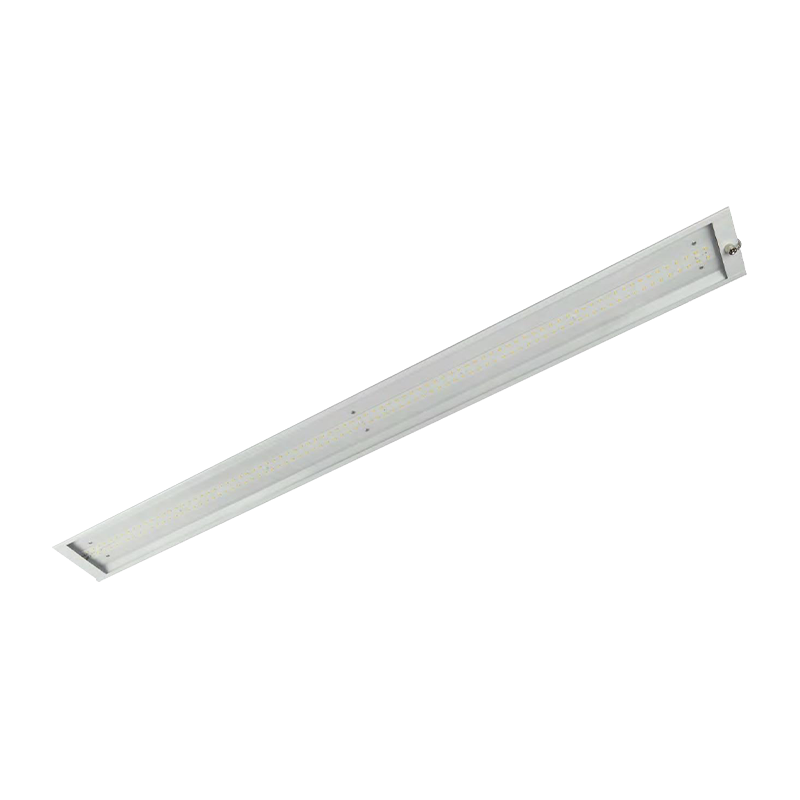
Most LED Ceiling Light products currently on the market adopt an integrated design. This means the light source (LED chips) is soldered directly onto the fixture's chassis, rather than being a replaceable bulb as in older systems.
In the lifespan of an LED Ceiling Light, the most fragile part is often not the LED chip itself, but the driver responsible for voltage conversion. Because of the integrated packaging, if the driver or a few LED diodes fail, the average user cannot perform a partial repair like changing a bulb.
Repair Dilemma: For an integrated LED Ceiling Light, when a failure occurs, the user usually must remove the entire chassis, sometimes necessitating a repaint of the ceiling area that was covered.
Compatibility Gaps: If you installed a set of identical LED Ceiling Light fixtures three years ago and one fails, it may be difficult to find an exact matching model due to the rapid iteration of electronic products, leading to inconsistent lighting effects in the room.
| Comparison Dimension | Integrated LED Ceiling Light | Socket-based (Replaceable Bulb) |
| Industrial Design | Ultra-slim, diverse shapes | Bulky due to bulb size limits |
| Heat Dissipation | Better (chassis acts as heatsink) | Poorer (heat concentrated in bulb) |
| Repair Cost | High (Requires full replacement) | Low (Only replace the bulb) |
| User DIY Freedom | Cannot change color/brightness | Can switch bulbs for needs |
| Eco-Friendliness | Poor (Generates more e-waste) | Better (Small light source waste) |
Behind high energy efficiency, the spectral composition of an LED Ceiling Light differs significantly from natural light. This difference not only affects the accuracy of how we perceive colors but can also subtly interfere with our physiological health.
CRI is a key metric for measuring an LED Ceiling Light's ability to restore the true color of objects. Many low-cost LED Ceiling Light fixtures sacrifice spectral integrity for higher lumens (brightness), resulting in a CRI of only 70-80.
Visual Deviation: Under a low CRI LED Ceiling Light, red meat may look grey, skin tones appear pale, and home decor fabrics lose their original texture.
The Missing R9 Value: Traditional CRI tests (Ra) are based on 8 muted colors. Many LED Ceiling Light units may have an Ra of 80, but their R9 index (representing saturated red) might be near 0. This is detrimental for kitchens and vanity rooms.
Most white LED Ceiling Light products are created using a blue light chip to excite yellow phosphors. This method inevitably leaves a massive "blue light peak" (usually around 450nm) in the spectrum.
Melatonin Suppression: Research shows that nighttime exposure to blue-rich LED Ceiling Light significantly inhibits melatonin secretion.
Circadian Rhythm Disturbance: If a cool-white LED Ceiling Light (above 6000K) is installed in a bedroom or study, the brain may mistake the time for midday, leading to difficulty falling asleep or poor sleep quality.
| Parameter | Low-end LED Ceiling Light | High-end (Full Spectrum) LED | Sunlight (Baseline) |
| CRI (Ra) | 70 - 80 | 95 - 98 | 100 |
| R9 (Deep Red) | Less than 10 (Very Poor) | Greater than 90 (Excellent) | 100 |
| Spectral Continuity | Jagged, high blue peak | Smooth, low blue light | Perfectly continuous |
| Color Temp (K) | 6000K - 6500K (Cool) | 2700K - 4000K (Warm) | 5000K - 6500K |
| Melatonin Inhibition | Strong (Bad for night use) | Weak (Relatively gentle) | Natural variation |
Flicker refers to the rapid fluctuation of light intensity over time. While most high-quality LED Ceiling Light products have solved visible flickering, "invisible flicker" remains prevalent.
The flicker of an LED Ceiling Light depends primarily on its driver circuit. To reduce costs, some fixtures use cheap RC step-down drivers or simple Pulse Width Modulation (PWM) dimming schemes.
Physiological Response: Even if invisible to the eye, this high-frequency flicker still stimulates the retina and central nervous system. Long-term exposure can lead to dry eyes, headaches, and decreased concentration.
| Driver Type | Flicker Index | Cost Level | Impact on Vision |
| Linear (No Capacitor) | High (Greater than 30%) | Very Low | Causes eye fatigue |
| Low-frequency PWM | Significant (Cyclic) | Medium | Higher long-term risk |
| Non-isolated Constant Current | Low (Less than 10%) | Medium | Relatively comfortable |
| High-quality Isolated Driver | Near 0% | High | Best, eye-protection grade |
Many consumers believe an LED Ceiling Light is a cold light source and therefore produces no heat. This is a dangerous misconception. While the light beam contains no infrared, about 70%-80% of the electrical energy is converted into heat at the semiconductor layer.
If heat from the LED Ceiling Light is not quickly dissipated through a heatsink, the internal junction temperature will skyrocket.
Lifespan Reduction: For every 10 degree Celsius increase in junction temperature, the effective lifespan of the LED Ceiling Light is roughly halved.
Color Shifting: Long-term high temperatures age the phosphor layer, causing the white light to turn bluish or greenish.
| Heatsink Material | Thermal Conductivity (W/m·K) | Cooling Efficiency | Common Application |
| Engineering Plastic | 0.2 - 0.5 | Very Poor | Low-end lights |
| Thermal Plastic | 1.0 - 2.0 | Fair | Mid-range lights |
| Die-cast Aluminum | 80 - 100 | Excellent | High-performance fixtures |
| Cold-forged Aluminum | 200 - 230 | Optimal | Industrial or Luxury |
Manufacturers often claim a 50,000-hour lifespan for an LED Ceiling Light, but this usually refers only to the LED chips. In a real home, an LED Ceiling Light is a complex electronic system whose lifespan follows the Barrel Law—it is only as strong as its weakest link.
The LED Ceiling Light driver contains electrolytic capacitors, ICs, and transformers.
Capacitor Drying: Electrolytic capacitors are the most failure-prone parts. In high-heat environments, the electrolyte evaporates, leading to flickering, delayed starts, or total failure.
Voltage Sensitivity: Unlike traditional lights, LED Ceiling Light circuitry is precise and vulnerable to voltage surges caused by large appliances switching on/off.
| Component | Theoretical Design Life | Actual Influencing Factors | Failure Symptom |
| LED Chip | 50,000 - 100,000 Hours | Junction temp, current | Dimming, color shift |
| High-quality Driver | 20,000 - 30,000 Hours | Grid stability, temp | Won't turn on, flash |
| Cheap Driver | 3,000 - 8,000 Hours | Low-quality caps | Burnout, flicker |
If you plan to install a dimmer switch for your LED Ceiling Light, you may encounter more technical hurdles than expected.
Conflict with Legacy Dimmers: Most older homes use phase-cut dimmers designed for incandescent bulbs. When used with an LED Ceiling Light, common issues include drop-out, pop-on, or a faint glow when off.
Rising Costs: To achieve perfect, flicker-free dimming, you often need a specialized driver and an expensive Electronic Low Voltage (ELV) dimmer, pushing initial costs far beyond budget.
While the LED Ceiling Light is hailed as green due to energy savings, it poses new environmental challenges. Unlike traditional bulbs made of glass and metal, an LED Ceiling Light is essentially a complex electronic device.
Difficult-to-Recycle Mixed Materials: A typical LED Ceiling Light contains semiconductor chips, PCBs, epoxy resin, aluminum, and plastics. Since components are often soldered or glued, manual disassembly is expensive.
Many users only calculate the electricity saved by an LED Ceiling Light, ignoring the Total Cost of Ownership (TCO).
Initial Investment Premium: A high-quality LED Ceiling Light can cost several times more than a standard fixture. Some large setups also require professional electrical work, which is a significant expense.
| Cost Item | High-quality LED Ceiling Light | Traditional Bulb System |
| Fixture Cost | High ($50 - $200+) | Low ($5 - $20) |
| Annual Electricity | Very Low ($10 - $15) | High ($70 - $90) |
| Repair Cost | Very High (Full replacement) | Very Low (Bulb only) |
| Technical Requirement | Requires electrical knowledge | DIY friendly |
This is usually caused by induced current or leakage current. Some electronic switches allow a tiny current to flow even when off. Because an LED Ceiling Light is so sensitive, even a tiny current can make it glow.
Follow the "White by Day, Yellow by Night" rule. For living rooms, use 4000K (Natural). For bedrooms, use 2700K - 3000K (Warm White) to reduce blue light's impact on sleep. Avoid using 6000K+ cool white in long-term living areas.
Yes, due to Luminous Efficacy (Lm/W). A 60W incandescent produces about 800 lumens, while a high-quality 10W LED Ceiling Light produces 800-1000 lumens. Buy lights based on Lumens (Lm) rather than just Watts (W).
It depends on the circuit. In a series design, one failure kills the whole light. In series-parallel designs, the rest stay on but may burn out faster due to increased current load.
Absolutely not. Only those explicitly labeled Dimmable can be used with dimmers. Forcing a non-dimmable LED Ceiling Light onto a dimmer will cause severe flickering and likely burn out the driver within hours.



No.8, Ankang West Road, Zonghan Street, Cixi City, Zhejiang Province, P.R.China
0086-574-6320 0283
Copyright © Ningbo Longer Lighting Co., Ltd.
All Rights Reserved.
 Wholesale LED Lighting Fixtures Manufacturers

 Deutsch