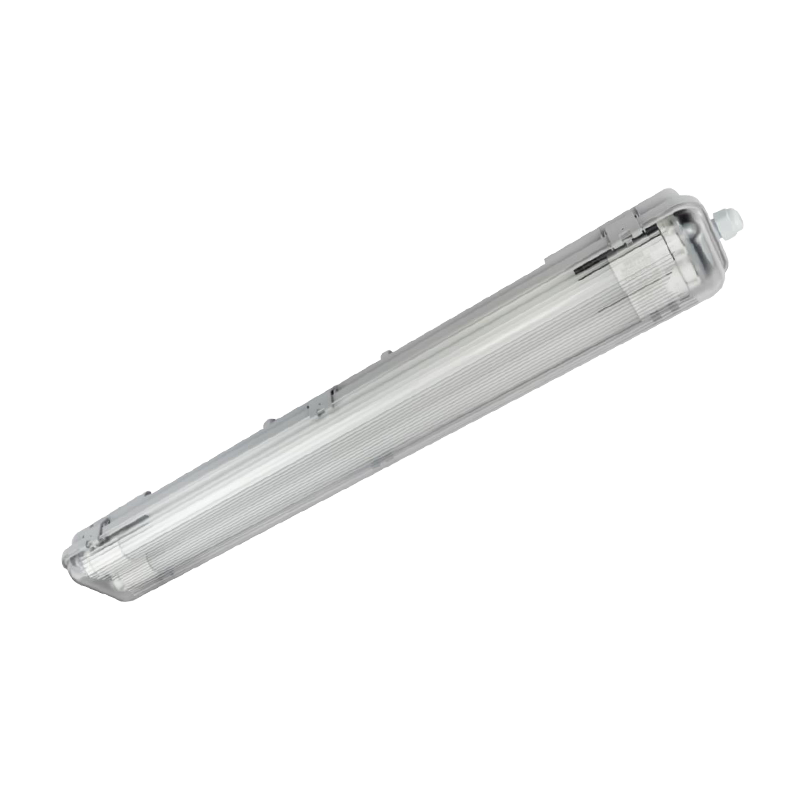
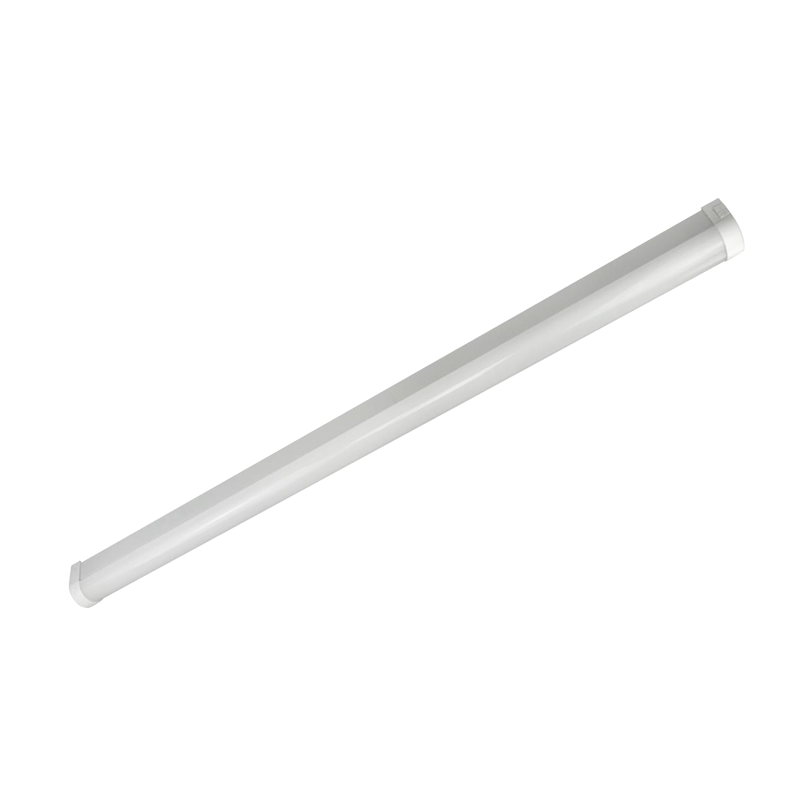
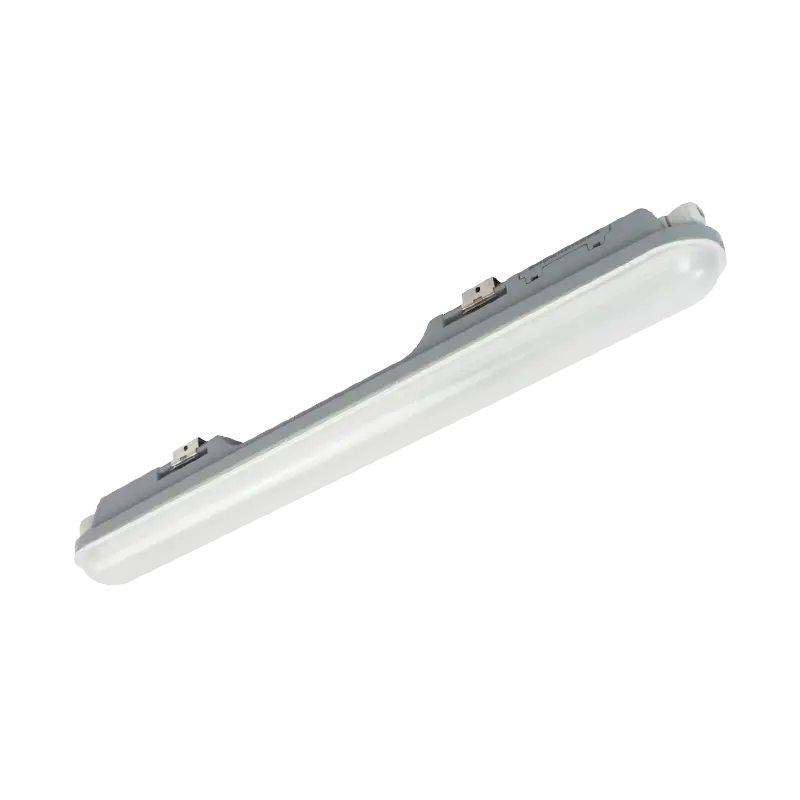
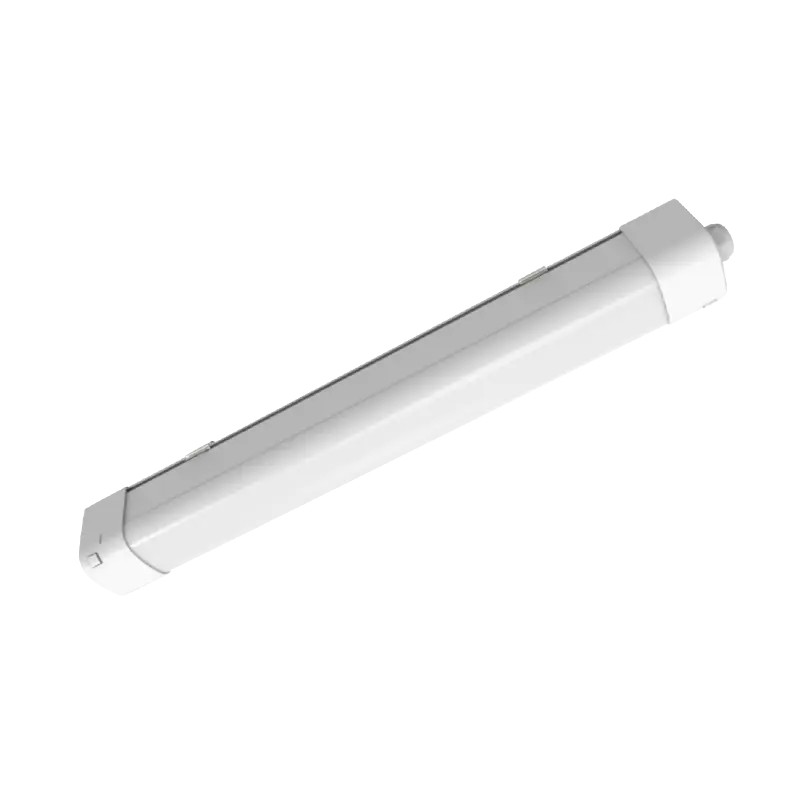
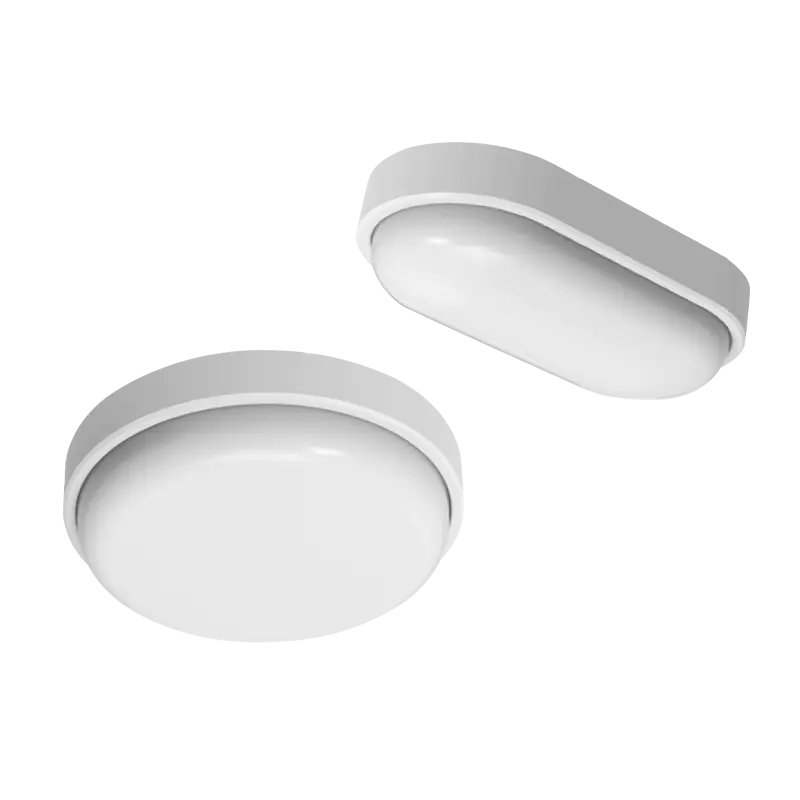
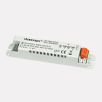
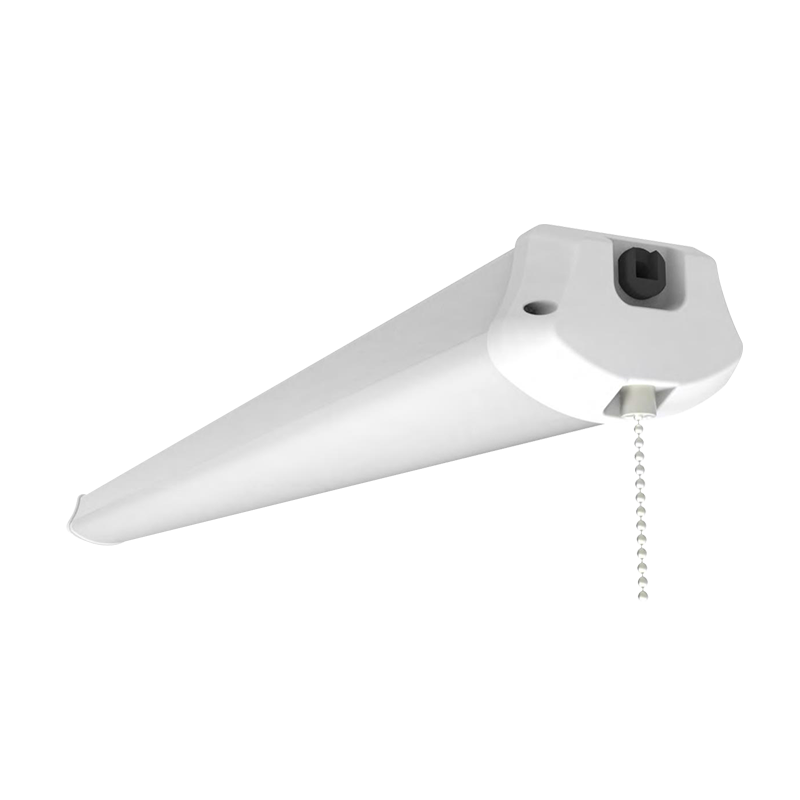
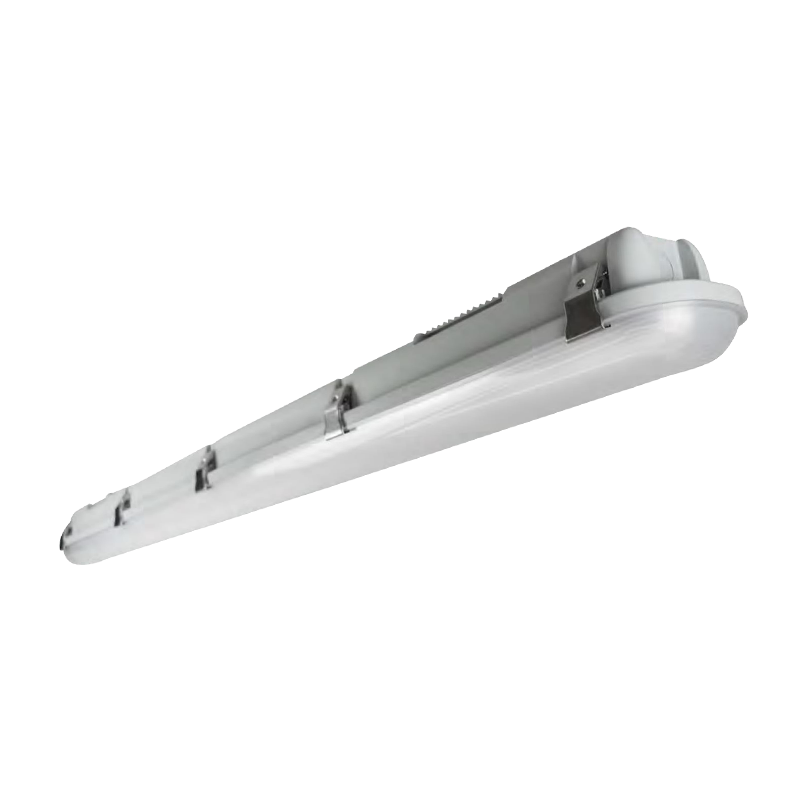
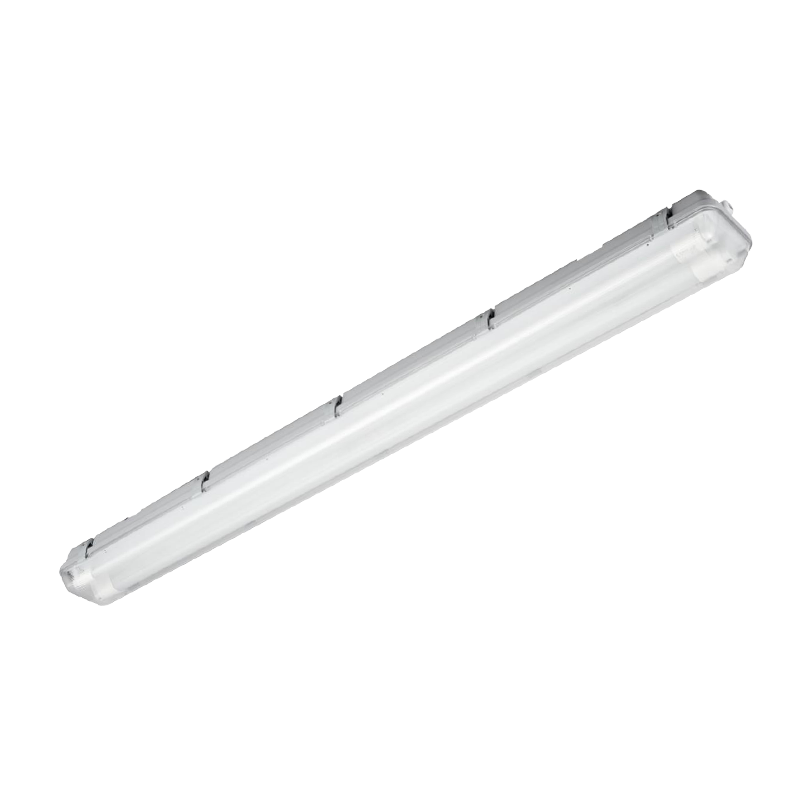
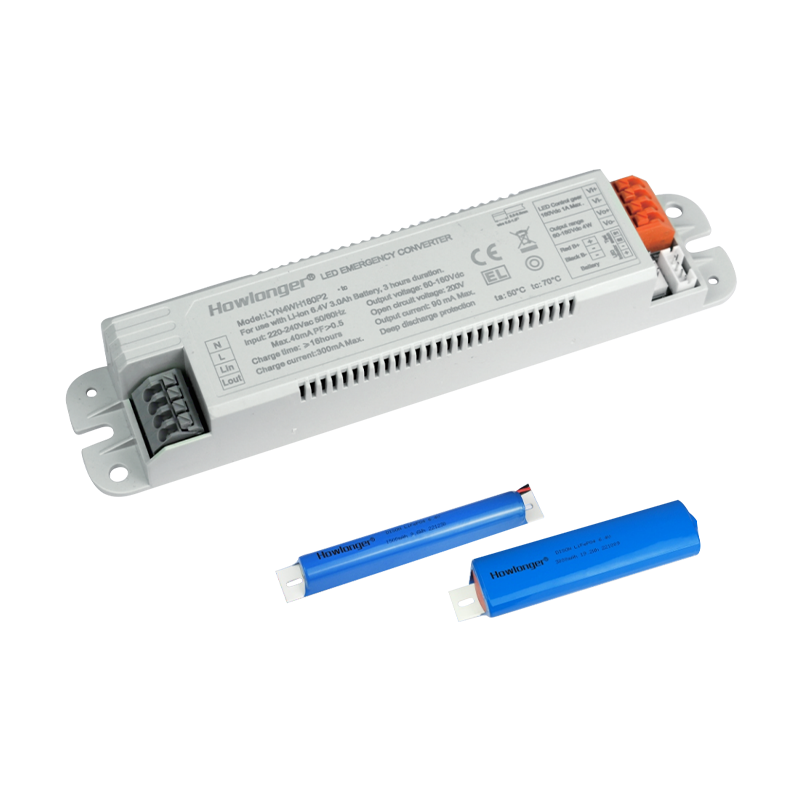
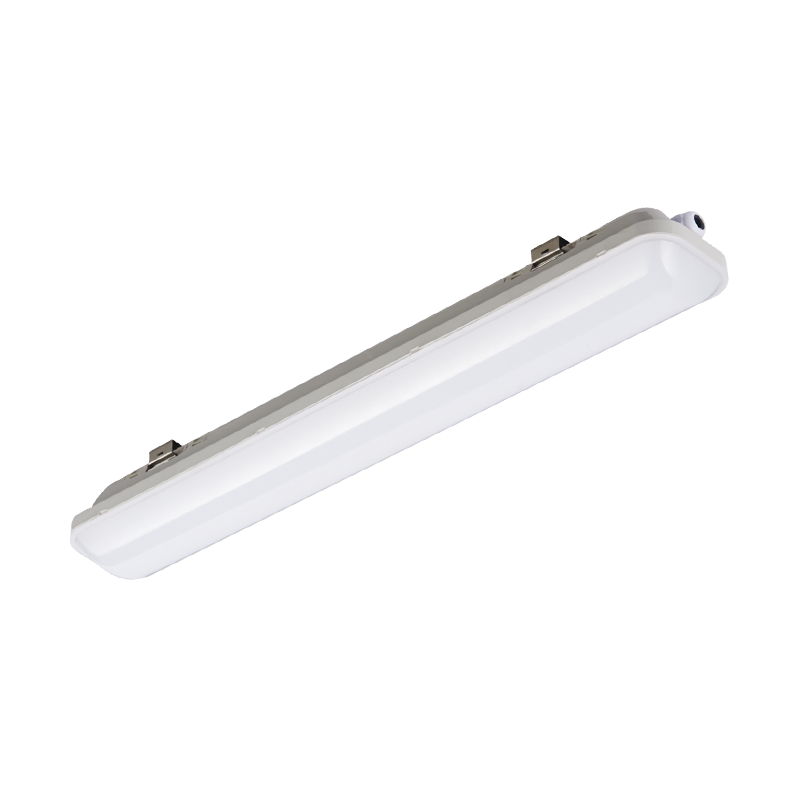
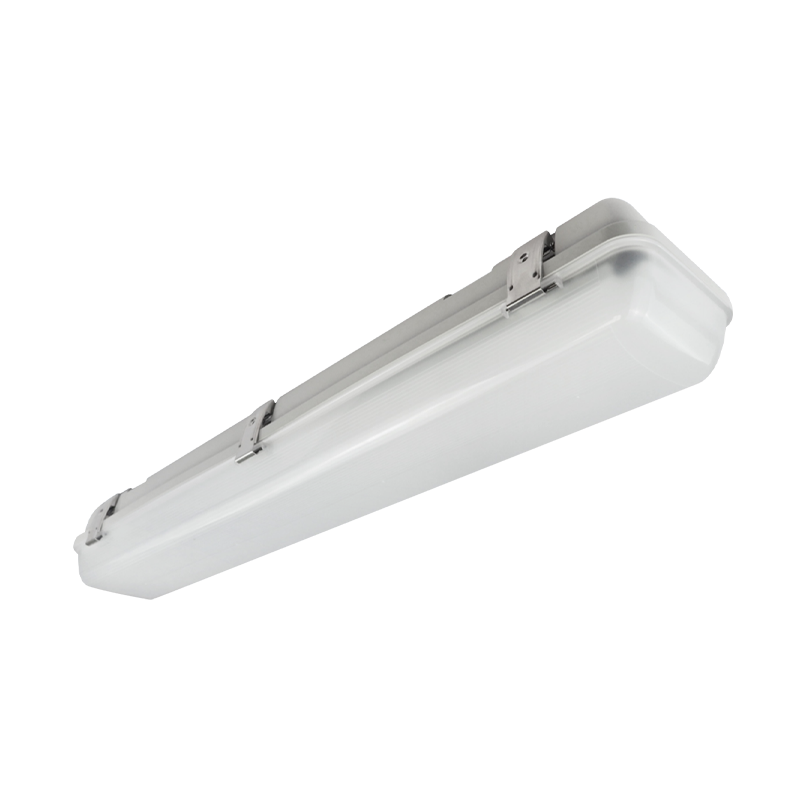
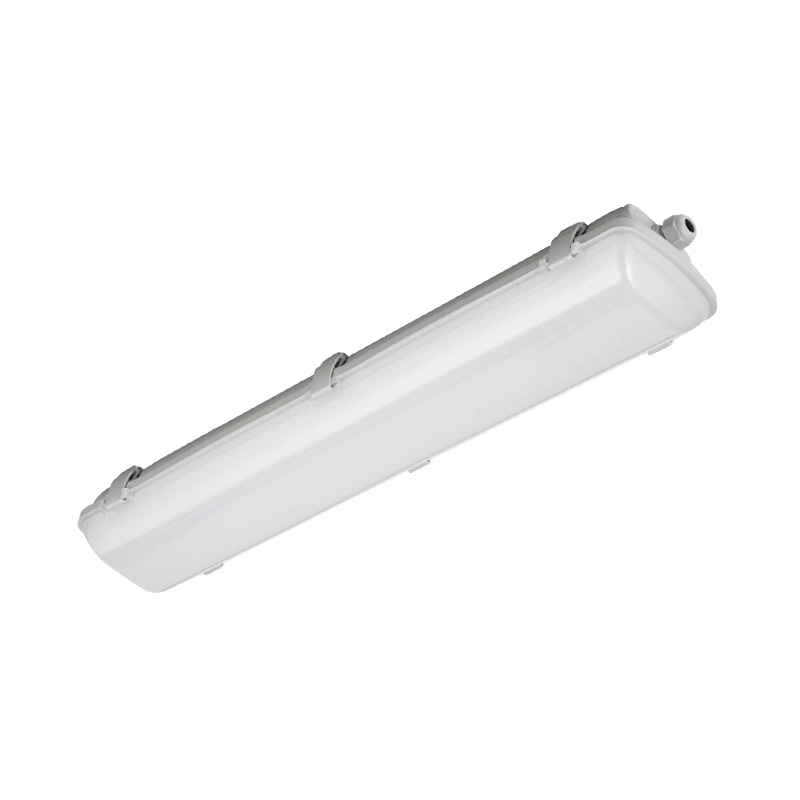
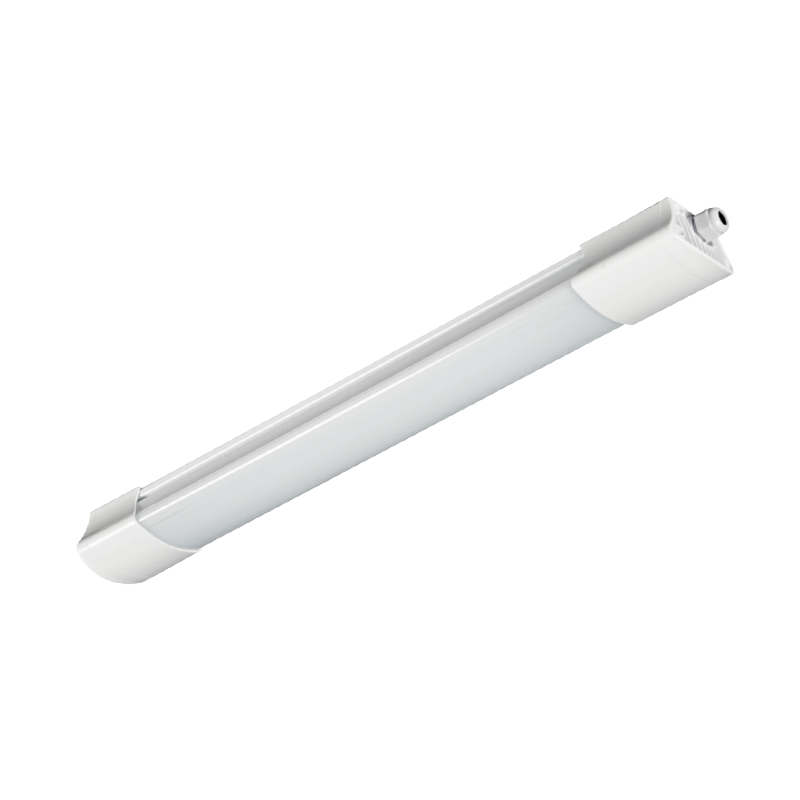
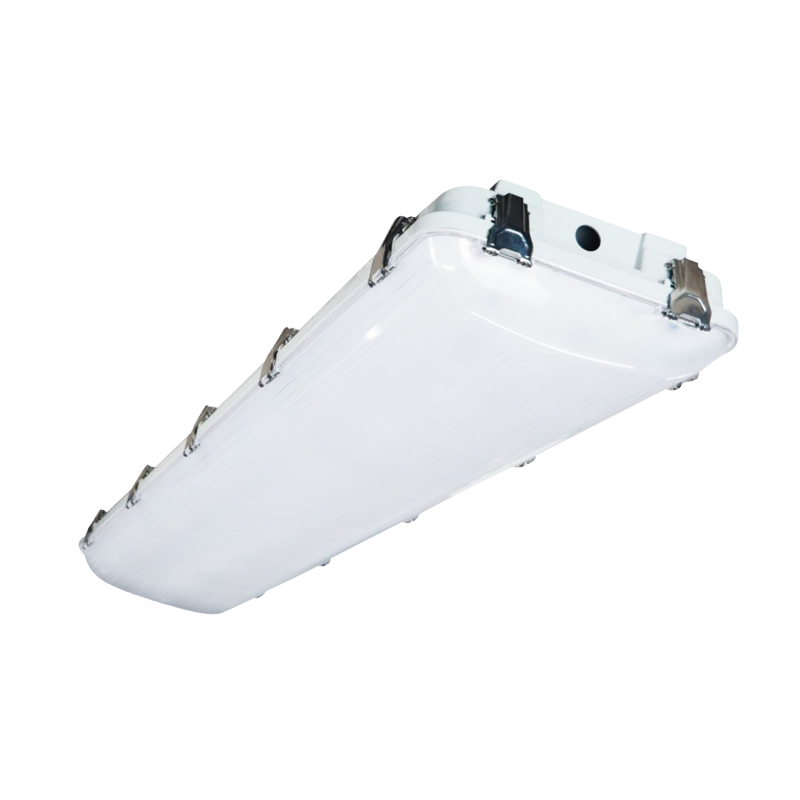
Physical Heat Dissipation Mechanism of LED Batten Fitting
Before discussing whether LED fixtures can start a fire, it is essential to debunk a common myth: that LEDs are "cold light sources" and do not generate heat. In reality, the laws of physics dictate energy loss during the conversion of electrical energy into light within an LED Batten Fitting.
- Photoelectric Conversion Efficiency and Heat Production: Current LED technology converts approximately 20% to 30% of electrical energy into visible light, while the remaining 70% to 80% of energy is released as heat.
- Location of Heat Accumulation: Unlike traditional incandescent bulbs (where heat is radiated outward via infrared), the heat from an LED Batten Fitting is conducted backward. Heat concentrates at the contact point between the LED chip and the substrate (junction temperature), as well as within the built-in driver.
- Design of Heat Dissipation Components: To ensure safety, high-quality LED Batten Fittings typically include the following structures:
- Aluminum PCB: Directly carries the chips and uses the high thermal conductivity of aluminum to quickly export heat.
- Housing Heat Sink: Some professional-grade fittings use an aluminum alloy backplate to conduct heat to the external air.
- Diffuser: Made of heat-resistant Polycarbonate (PC), which assists in surface heat dissipation while evening out the light.
Parameter Comparison: Heat Dissipation Performance of Different Materials
| Performance Index |
All-Plastic Type |
Aluminum + PC Type |
Full Aluminum Alloy Type |
| Thermal Conductivity (W/m·K) |
~0.2 (Very Low) |
~1.5 - 2.5 (Medium) |
>200 (Very High) |
| Chip Junction Control |
High (Heat buildup) |
Good |
Excellent |
| Light Decay Rate |
Faster |
Slower |
Very Slow |
| Safe Operating Limit |
Approx 75°C |
Approx 85°C |
Up to 95°C |
| Recommended Scenario |
Short-term / Intermittent |
Office / Residential |
Industrial / High Intensity |
Will LEDs Reach an Ignition Point?
From a physical standpoint, it is nearly impossible for an LED Batten Fitting to reach temperatures high enough to ignite surrounding building materials, such as wood or drywall, under normal operation.
- Normal Operating Temperature Range: In an ambient environment of 25°C, the surface temperature of a quality LED Batten Fitting usually stays between 40°C and 55°C. Internal component temperatures generally do not exceed 85°C.
- Ignition Point Comparison:
- Wood Ignition Point: Approx 200°C - 300°C
- Paper Ignition Point: Approx 230°C
- Fabric Ignition Point: Approx 250°C
The operating temperature of an LED is far below the ignition point of these common combustibles.
- Active Safety Mechanisms: The internal drivers of an LED Batten Fitting are usually designed with "Over-Temperature Protection" (OTP) circuits. If extreme conditions cause temperatures to soar above a safety threshold (e.g., 105°C), the driver will automatically reduce current to dim the light or cut power entirely.
Factors Leading to Fire Risks in LED Batten Fittings
While an LED Batten Fitting is safe under standard conditions, fire hazards usually stem from "abnormal" use or component failure. Key triggers include:
- Driver Failure: This is the most common point of origin. The driver converts AC to low-voltage DC; if internal capacitors short-circuit or transformer insulation breaks down, an arc can occur, potentially igniting the plastic casing.
- The "Insulation Effect" in Installation: If a non-IC rated LED Batten Fitting is installed tightly against thermal insulation or inside a completely sealed wooden cavity, heat cannot dissipate via convection. This leads to "thermal runaway," which can melt the housing.
- Voltage Fluctuations and Overload: Instantaneous high-voltage surges (from lightning or grid instability) that exceed the tolerance of the LED Batten Fitting (typically 1.5kV - 2kV) can cause the circuit to burn and smoke.
- Improper Wiring (Contact Resistance): When "Daisy-chaining" multiple LED Batten Fittings, loose wire terminals create massive contact resistance. This creates localized heat that can carbonize wire insulation and start a fire.
Parameter Comparison: Safety Redundancy of High-Quality vs. Low-Quality Fittings
| Key Safety Item |
High-Quality LED Batten Fitting |
Low-Quality/Uncertified Fitting |
| Flame Retardant Grade |
UL94-V0 (Self-extinguishing) |
No Grade (Supports combustion) |
| Driver Design |
Isolated Constant Current |
Non-isolated (Easy breakdown) |
| Surge Protection |
2kV - 4kV Protection |
No protection |
| Operating Limit |
Redundant to 105°C |
Fails above 70°C |
| Wire Material |
Pure copper (Flame retardant) |
Copper-clad aluminum / thin wire |
How to Prevent Safety Hazards in LED Batten Fittings
To ensure absolute safety, follow these technical standards during selection and installation:
- Check for Safety Certification: Ensure the product is marked with CE, RoHS, SAA, or CCC. These indicate the fixture has passed temperature rise tests and will not ignite under simulated failure states.
- Observe Installation Spacing: When mounting an LED Batten Fitting to a ceiling, maintain a small air gap of 3mm - 5mm between the back of the fixture and flammable substrates (like wood).
- Do Not Cover with Insulation: Unless specifically labeled as IC (Insulation Contact) rated, never cover the top of the fixture with insulation batts.
- Identify Warning Signs:
- Odors: A pungent smell of burning plastic during operation.
- Discoloration: Yellowing or blackening on the diffuser or frame edges.
- Abnormal Flickering: Often indicates the driver is overheating and triggering protection.
FAQ
Q: Can I leave an LED Batten Fitting on 24/7?
A: Technically, yes. High-quality LED Batten Fittings are designed with redundancy for continuous operation. However, constant use accelerates the aging of electrolytic capacitors in the driver. It is recommended to turn them off when not needed to preserve the 50,000-hour theoretical lifespan.
Q: Will an LED tube explode like old fluorescent tubes?
A: In most cases, no. LED Batten Fittings use solid-state semiconductors and contain no high-pressure gas or vacuum glass. An "explosion" is usually just a small "pop" from a fuse or capacitor failure, accompanied by slight smoke, without flying shards.
Q: Is it normal for an LED Batten Fitting to feel hot to the touch?
A: It depends on the location. The diffuser should be warm (approx 40°C - 50°C). However, the aluminum heat sink on the back may reach over 60°C, which feels "hot" but is within electrical safety limits. If the plastic outer shell is too hot to touch, the internal dissipation has failed.
Q: Why does my LED Batten Fitting glow faintly after being turned off?
A: This is usually due to induced current or a switch installed on the neutral wire instead of the live wire. While not an immediate fire hazard, it indicates improper wiring that could eventually damage the driver.
Parameter Comparison: Thermal Safety Indicators (LED vs. Traditional)
| Fixture Type |
Core Operating Temp |
UV/IR Radiation |
Surface Ignition Risk |
Breakage Danger |
| LED Batten Fitting |
40°C - 60°C |
None |
Extremely Low |
Low (Plastic/Alu) |
| Fluorescent Tube |
60°C - 80°C |
Low Radiation |
Medium |
High (Mercury/Glass) |
| Halogen Lamp |
200°C - 400°C |
High Radiation |
Extremely High |
Extremely High |






 Wholesale LED Lighting Fixtures Manufacturers

 Deutsch