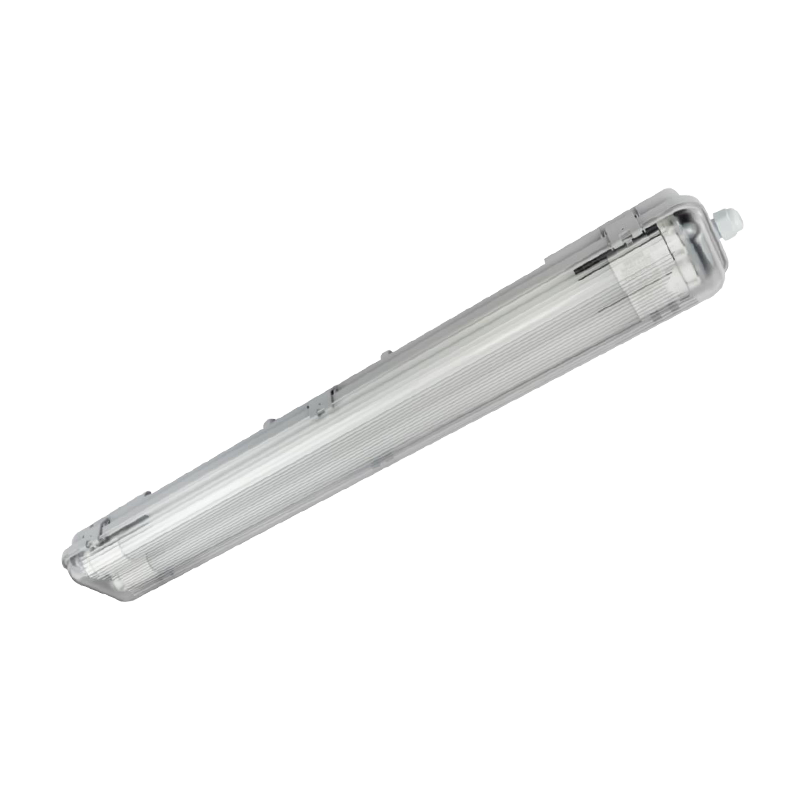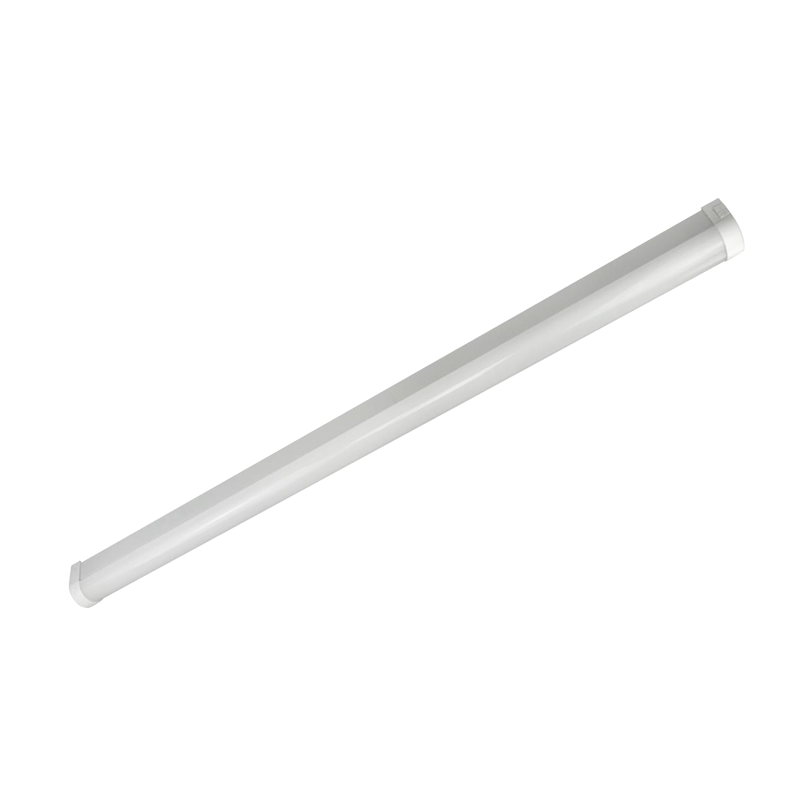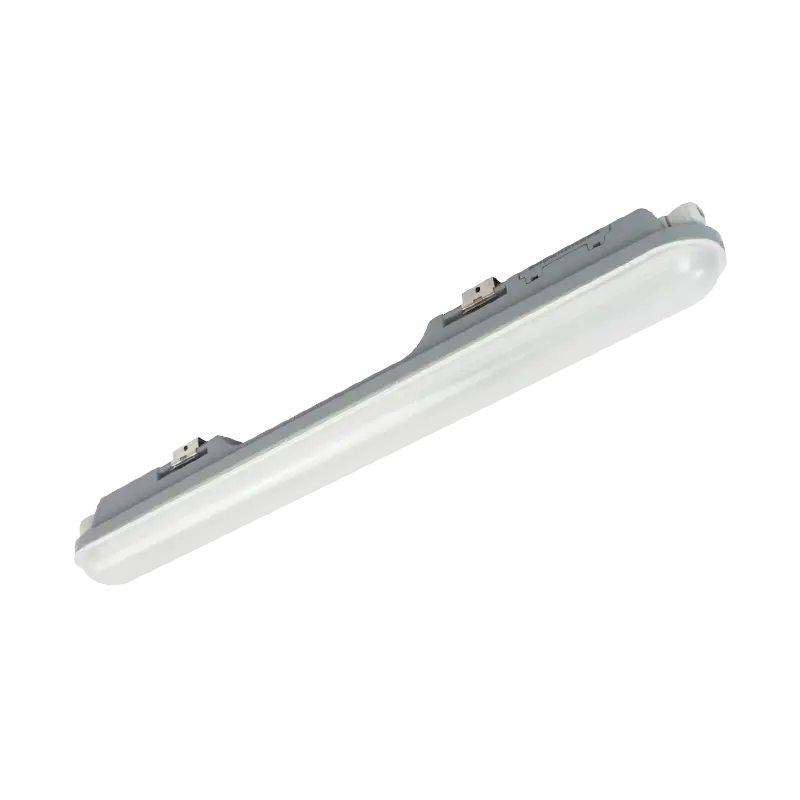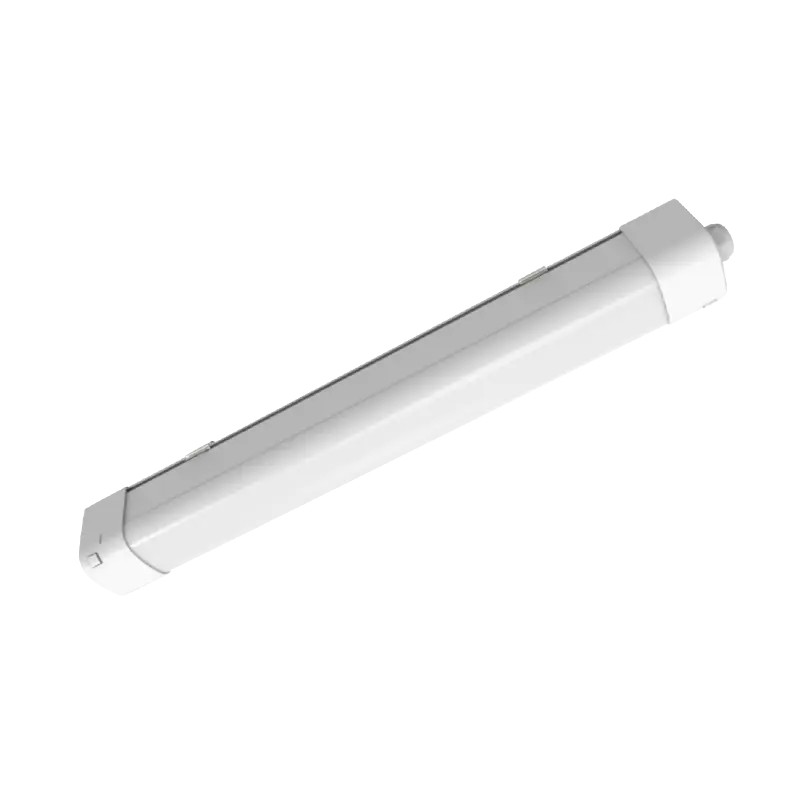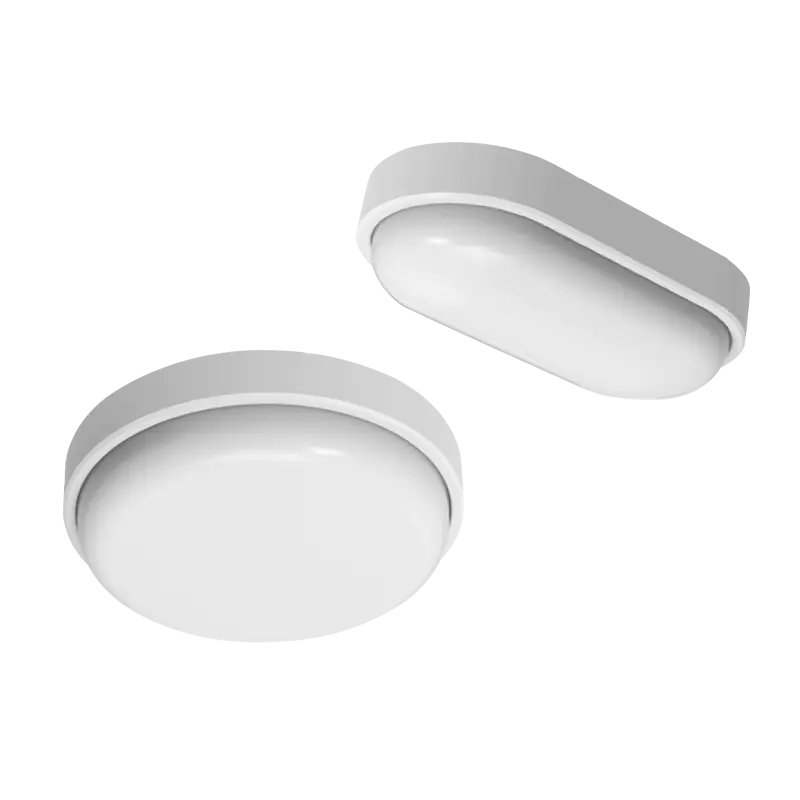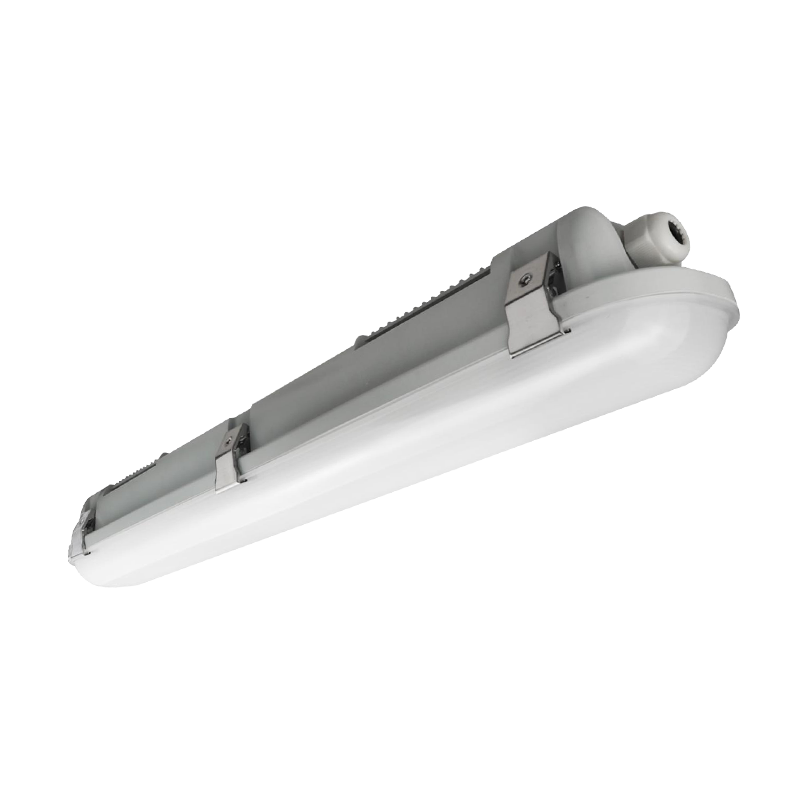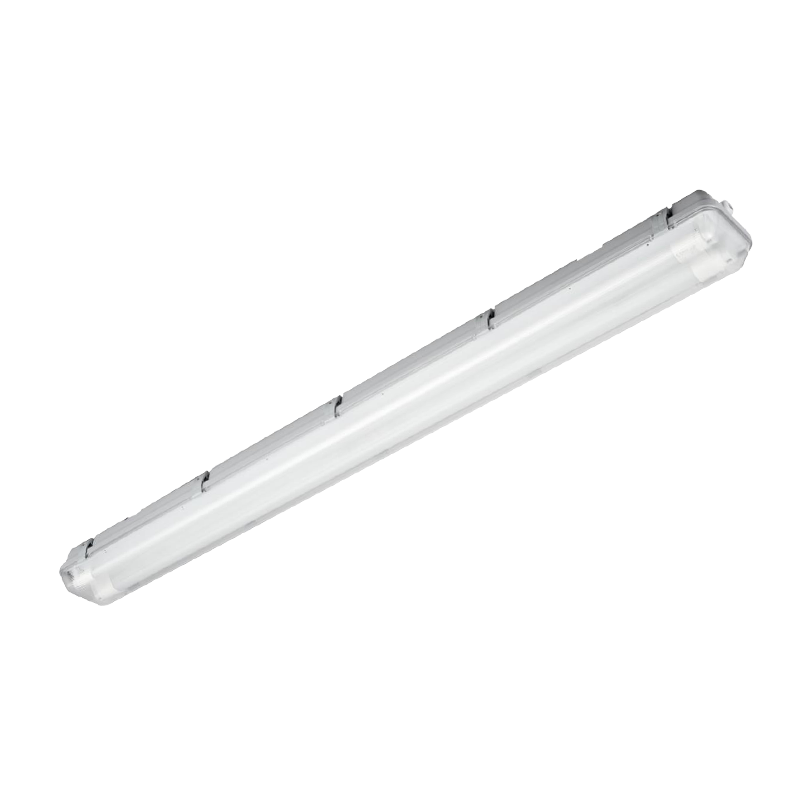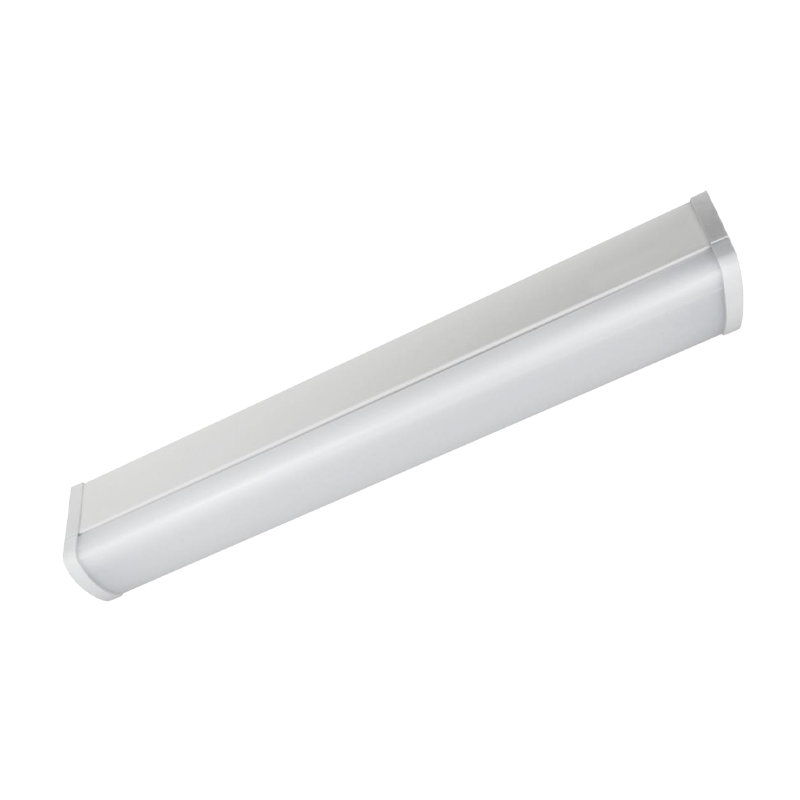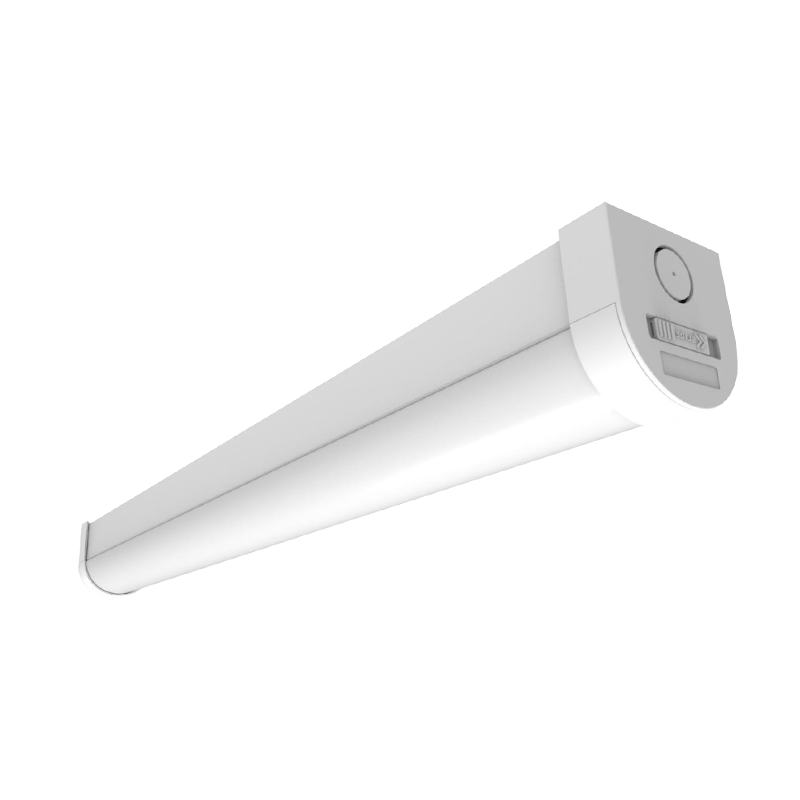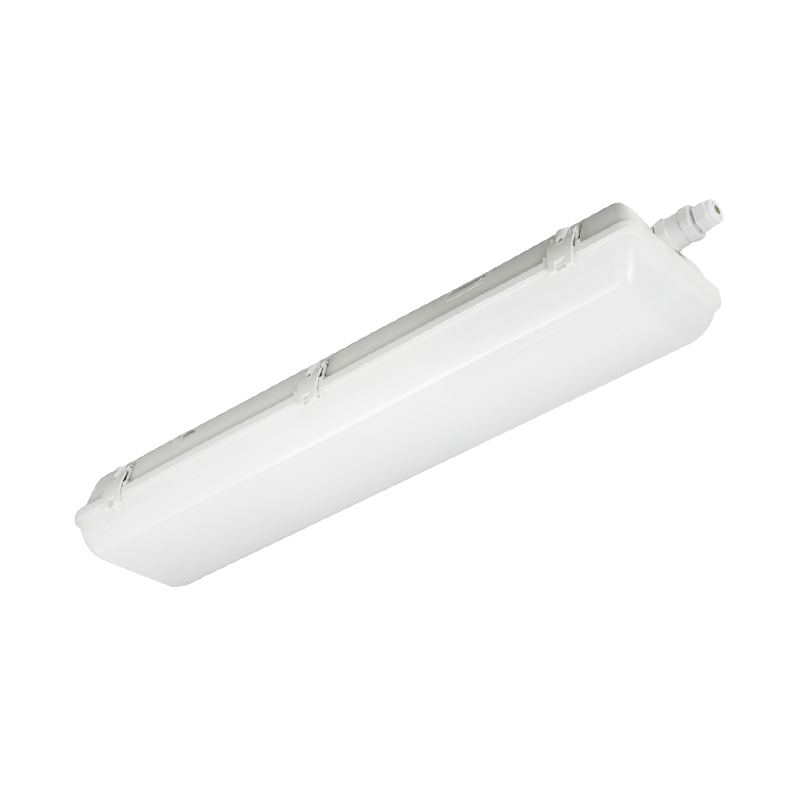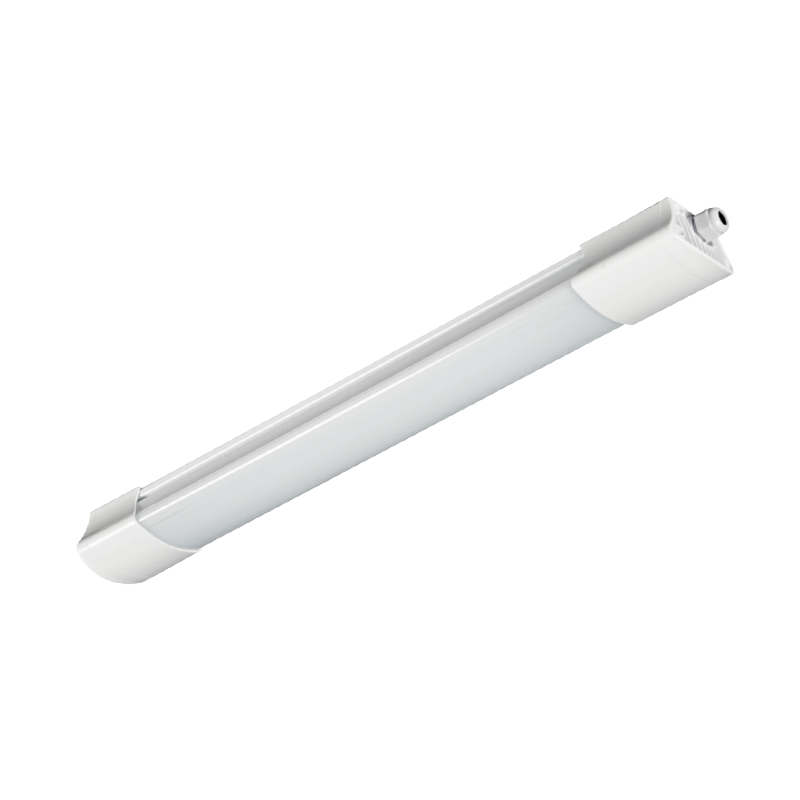


Flickering is the most frequent fault found in an LED Batten Fitting, appearing either as high-frequency stroboscopic effects (visible through a phone camera) or obvious intermittent pulsing. The core issue lies in the instability of the current output.
| Key Parameter | High-Quality LED Batten Fitting | Basic/Low-End LED Batten Fitting | Impact on Lighting |
|---|---|---|---|
| Ripple Current | < 3% (Flicker-free) | > 10% - 30% | Higher levels cause eye strain and ghosting |
| Power Factor (PF) | ≥ 0.95 | 0.5 - 0.7 | Low PF causes energy loss and grid interference |
| Input Voltage Range | 100V - 277V (Wide) | 180V - 240V (Narrow) | Wide range handles grid fluctuations better |
| Capacitor Temperature | 105°C (Long-life) | 85°C | Lifespan halves for every 10°C increase |
Light decay refers to the gradual and irreversible loss of luminous flux (lumens) over the service life of an LED Batten Fitting.
LED chips convert approximately 70% of energy into heat. If the thermal design of the LED Batten Fitting is inadequate, the junction temperature of the chips rises rapidly.
| Structural Component | Aluminum Housing | Plastic/Glass Housing | Cooling Efficiency |
|---|---|---|---|
| Thermal Conductivity | ≈ 200 W/(m·K) | < 1 W/(m·K) | Aluminum is hundreds of times more efficient |
| Temperature Rise (ΔT) | Controlled at 15°C - 25°C | Often exceeds 35°C | Lower rise means slower light decay |
| Long-term Decay (L70) | > 50,000 Hours | < 20,000 Hours | L70 is the time until brightness drops to 70% |
During the long-term operation of an LED Batten Fitting, localized dead LEDs or black spots are common hardware failures that affect lighting uniformity.
| Performance Metric | High-Grade Chip (Gold Wire) | Economy Chip (Copper Wire) | Impact on Failure Risk |
|---|---|---|---|
| Bonding Wire Material | 99.9% Pure Gold | Copper or Alloy | Gold has better ductility and resists heat stress |
| Bracket Material | PCT/EMC (Reflective) | Standard PPA | PPA brackets become brittle under heat |
| ESD Resistance | > 2000V | < 500V | Low resistance leads to unexplained dead LEDs |
| CRI | Ra ≥ 80/90 | Ra ≈ 70 | Lower CRI results in poor light quality and eye fatigue |
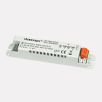
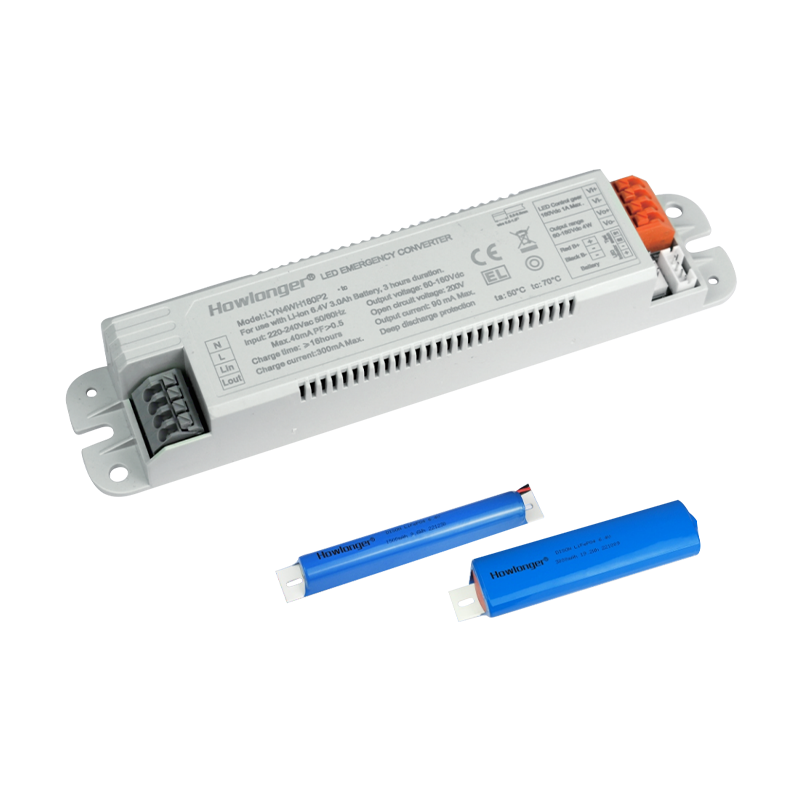
If the entire LED Batten Fitting fails to light up, the problem usually resides in the driver rather than the individual LED chips.
| Technical Solution | Constant Current Driver | RC Step-down (Capacitive) | Impact on the Fitting |
|---|---|---|---|
| Safety | Isolated/High-protection | Non-isolated (Shock risk) | Large difference in safety compliance |
| Stability | Constant output current | Current varies with voltage | RC solutions easily burn out LEDs |
| Efficiency | 85% - 92% | < 60% | Low efficiency causes extreme driver heat |
| Surge Protection | Usually 1KV - 2KV | No protection | RC units fail easily during thunderstorms |
The housing of an LED Batten Fitting influences light distribution, safety, and long-term structural integrity.
| Performance Metric | High-Quality PC | Standard PP/PS | Impact on the Fitting |
|---|---|---|---|
| Light Transmittance | 88% - 92% | 70% - 80% | Directly determines the lm/W output |
| Flame Retardancy | UL94-V0 | HB or None | V0 is critical for fire safety compliance |
| Anti-yellowing Period | > 5 Years | < 1 Year | Cheap materials turn yellow very quickly |
| Backplate Thickness | 0.6mm - 1.0mm | < 0.4mm or Plastic | Affects cooling and mechanical strength |
This is usually because the switch is controlling the neutral wire instead of the live wire, or there is induced voltage in the circuit allowing a tiny current to flow through the LEDs.
High-quality products typically last between 30,000 and 50,000 hours, though the actual lifespan is heavily dependent on the operating temperature and heat dissipation.
For LED Batten Fittings with a modular or split design, the driver can be replaced. However, ultra-slim integrated designs usually require the replacement of the entire unit.
This usually stems from electromagnetic resonance in the inductor coils inside the driver, indicating poor-quality components or inadequate potting processes.
This is caused by high EMI (Electromagnetic Interference) from the driver. Low-quality drivers produce radiation that interferes with electronic signals; ensure your product meets EMC standards.
LEDs do not emit infrared heat, but the PN junction produces significant thermal energy. A hot backplate means the heat is being successfully conducted away from the chips, which is better than heat being trapped inside.
Yes. Modern LED Batten Fittings are designed for easy installation. Note that integrated designs mean if a chip fails, you usually replace the whole fitting rather than just a bulb.
It refers to Waterproof, Dust-proof, and Anti-corrosion. These features are essential for industrial environments or sheltered outdoor areas.



No.8, Ankang West Road, Zonghan Street, Cixi City, Zhejiang Province, P.R.China
0086-574-6320 0283
Copyright © Ningbo Longer Lighting Co., Ltd.
All Rights Reserved.
 Wholesale LED Lighting Fixtures Manufacturers

 Deutsch