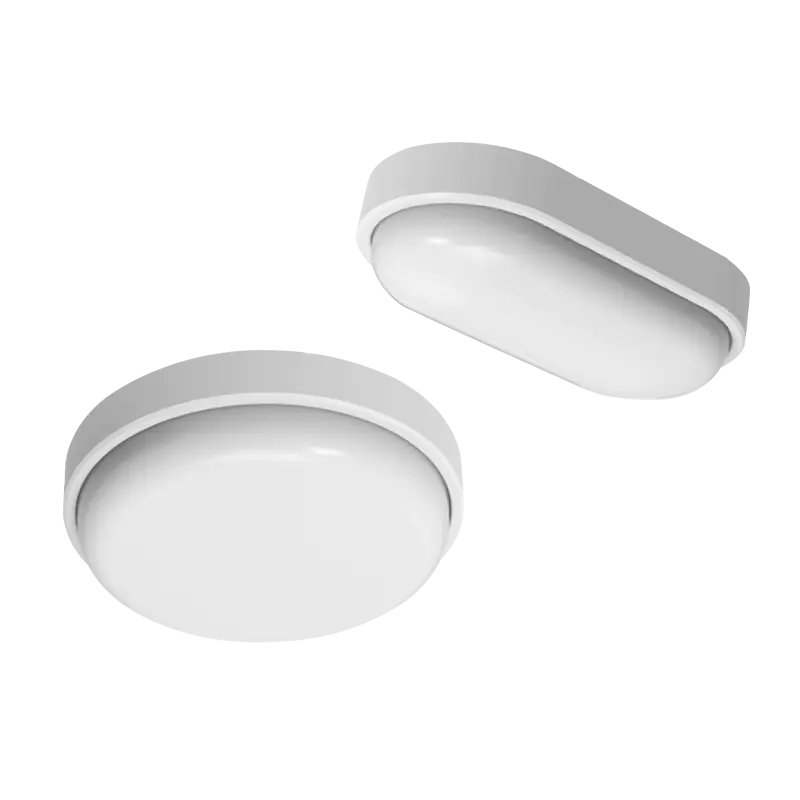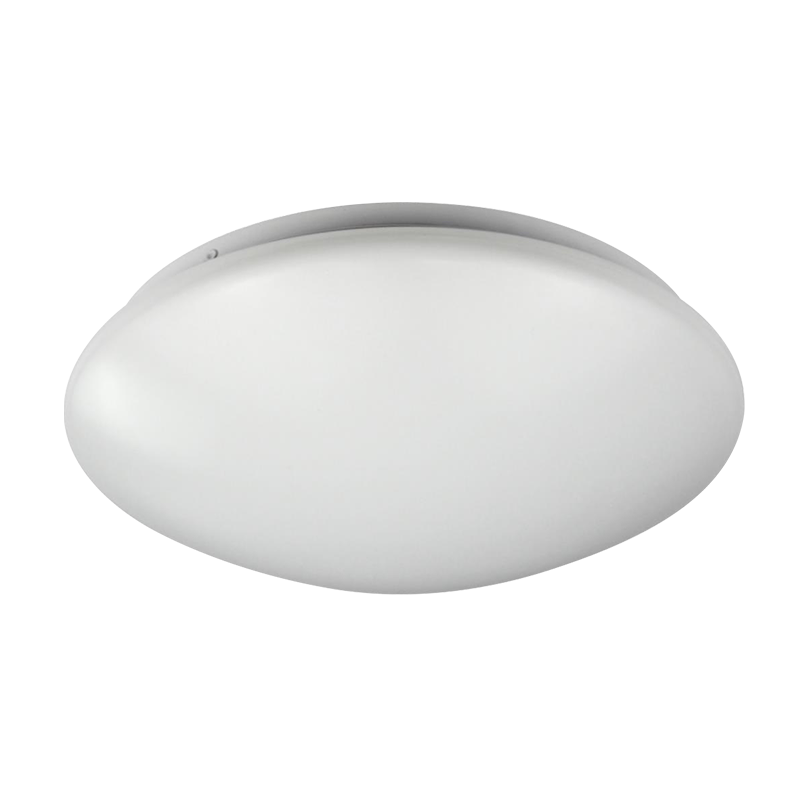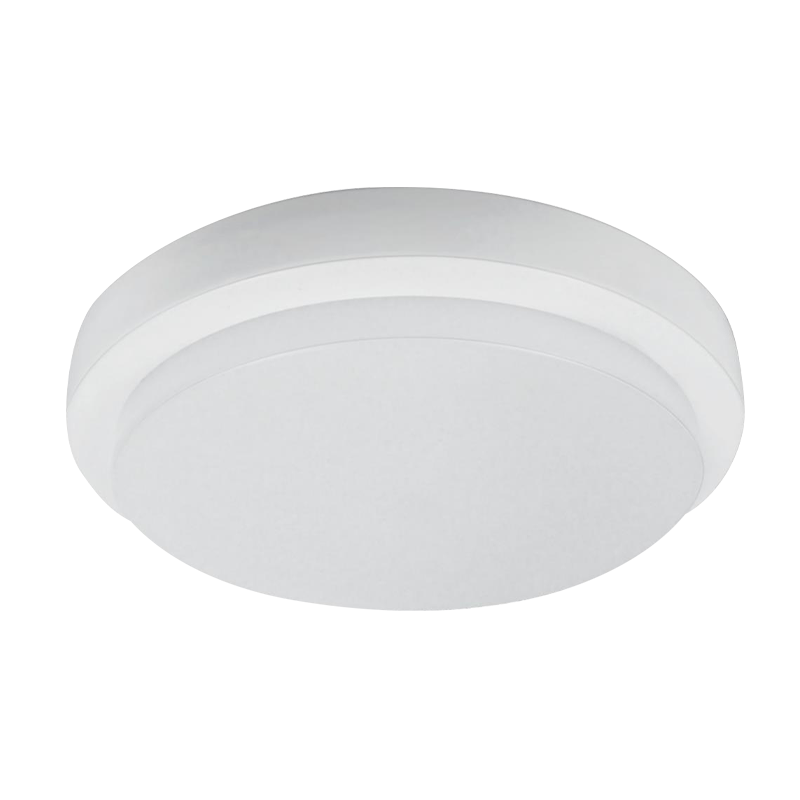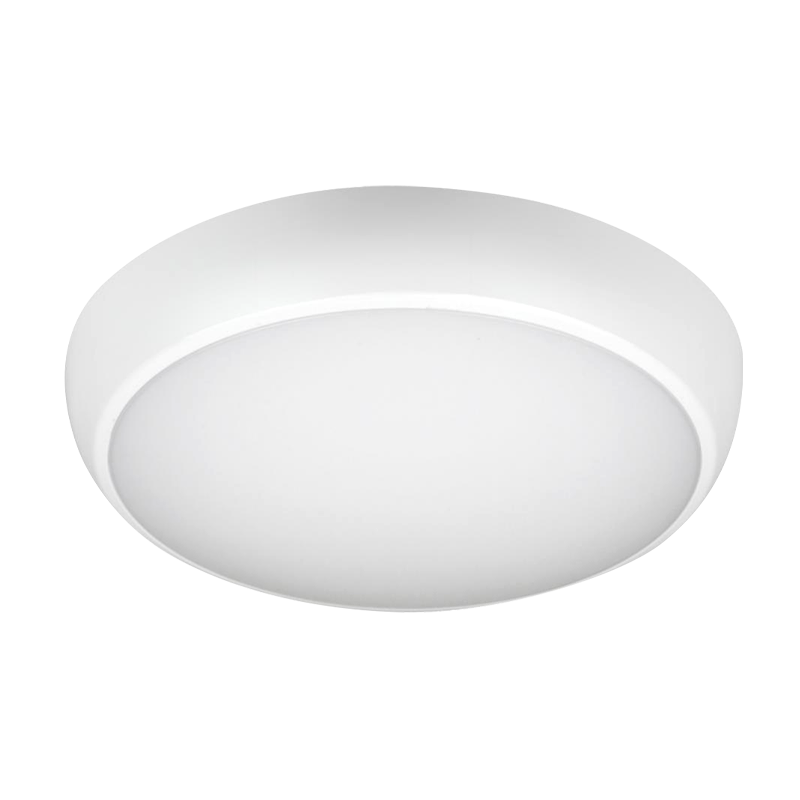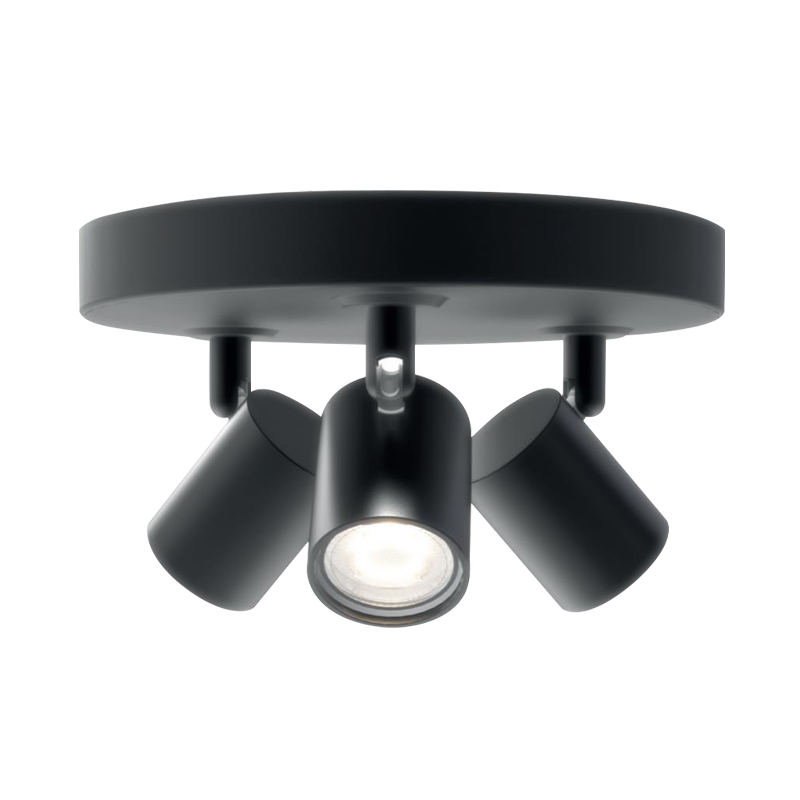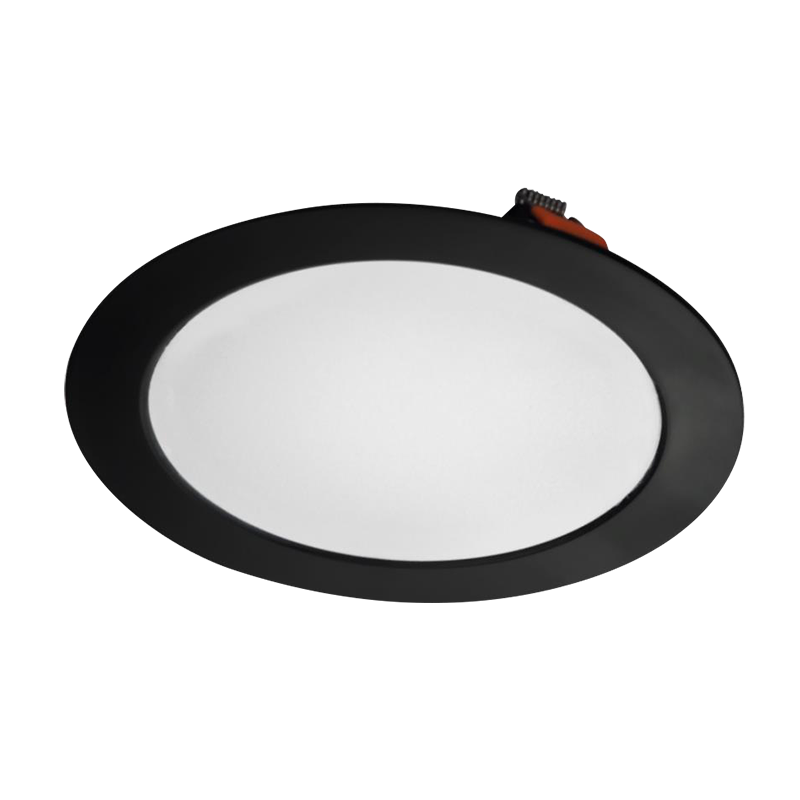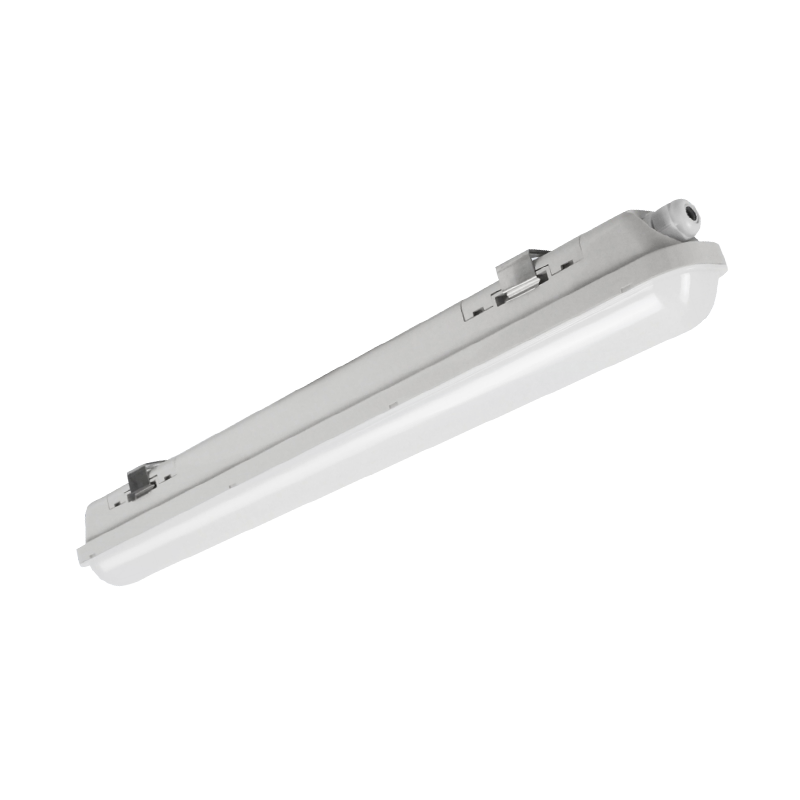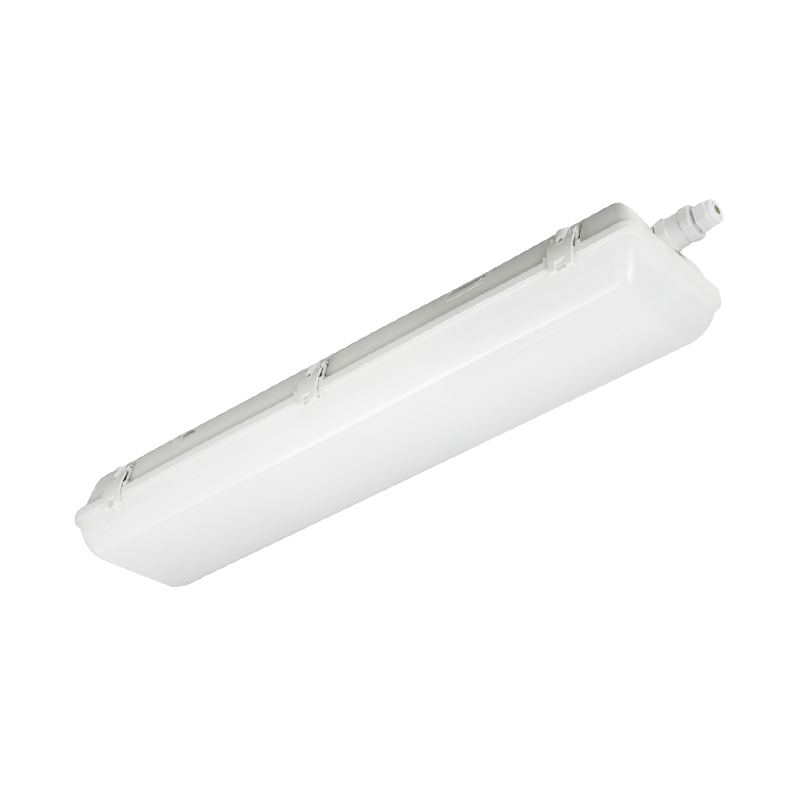


LED panel lights are widely used in modern lighting due to their energy efficiency, long lifespan, and low power consumption. However, despite their low energy consumption, LED fixtures may still experience power loss and efficiency degradation during operation. Power loss refers to the total energy consumed by the LED panel light during operation, while efficiency loss refers to the difference between the light output and the actual input power. Understanding these two factors is crucial when selecting LED panel lights for optimal performance.
Power loss can be evaluated by measuring the input power of an LED panel light, which is the total power drawn by the light from the power supply during normal operation. To accurately measure power loss, the following methods can be used:
A power meter is the primary tool used to measure the power loss in LED panel lights. By connecting the power meter to the LED fixture's power input, the meter can monitor the voltage, current, and power in real time. By calculating the product of the voltage and current, the actual input power (measured in watts) of the LED panel light can be determined. This process provides an accurate measurement of the power consumed by the fixture during operation.
Power factor is an important parameter that indicates the efficiency of energy usage in an LED panel light. The power factor is the ratio of real power to apparent power. An ideal LED panel light should have a power factor close to 1, meaning it utilizes energy efficiently. If the power factor is below 0.9, the LED panel light is wasting more energy in the form of reactive power, which leads to higher power loss.
Efficiency loss refers to the difference between the input power and the light output power of an LED panel light. The following steps can be used to measure efficiency loss:
The first step in measuring efficiency loss is to measure the luminous flux (in lumens) and input power of the LED panel light. Luminous flux is the total amount of visible light emitted by the fixture, typically measured using a light meter. By combining the luminous flux and input power, the light efficacy (measured in lumens per watt, lm/W) can be calculated. A higher efficacy indicates that the fixture has lower efficiency loss, while a lower efficacy suggests greater energy waste.
Light efficacy is a key indicator of the energy performance of LED panel lights. The formula for light efficacy is: Light Efficacy = Luminous Flux / Input Power (lm/W). For example, if an LED panel light has a luminous flux of 3000 lumens and an input power of 30 watts, its efficacy would be 100 lumens per watt. Higher efficacy means that the LED panel light provides more light for the same input power, resulting in lower efficiency loss.
Several factors influence the efficiency loss in LED panel lights, including the following:
The core component of an LED panel light is the LED chip. High-quality LED chips typically have higher efficacy and lower heat loss, resulting in better overall energy performance. In contrast, lower-quality LED chips may generate more heat, leading to increased efficiency loss.
LED panel lights generate heat during operation, and the design of the heat dissipation system plays a crucial role in maintaining the performance of the LED chips. Proper heat management reduces the temperature of the LED chips, minimizing heat loss and improving efficiency. Without adequate heat dissipation, the LED chips may overheat, leading to reduced efficacy and higher efficiency loss.
The power supply driver of an LED panel light converts AC power to DC power to provide the required current to the LED chips. If the power supply has low efficiency, it may waste energy during the conversion process, resulting in increased power loss and efficiency degradation. Choosing an efficient power supply driver is crucial to improving the overall performance of LED panel lights.
The operating environment of LED panel lights also affects their efficiency. For instance, high ambient temperatures can cause LED chips to overheat, resulting in reduced efficacy. Therefore, it is essential to consider environmental factors such as temperature and ventilation when selecting and installing LED panel lights to ensure they operate in optimal conditions.
To reduce the efficiency loss in LED panel lights, the following measures can be implemented:
Using high-quality LED chips that offer better light efficacy and lower heat generation can significantly reduce power loss and improve overall energy performance.
Incorporating high-quality heat sinks and an effective heat dissipation system can reduce the temperature of the LED chips, thereby minimizing heat loss and improving efficiency.
Opt for a power supply driver with a high power factor and conversion efficiency to reduce energy loss during the power conversion process.
Ensure that the LED panel lights operate in an environment with appropriate temperature and ventilation to prevent overheating and ensure optimal light efficacy and efficiency.



No.8, Ankang West Road, Zonghan Street, Cixi City, Zhejiang Province, P.R.China
0086-574-6320 0283
Copyright © Ningbo Longer Lighting Co., Ltd.
All Rights Reserved.
 Wholesale LED Lighting Fixtures Manufacturers

 Deutsch