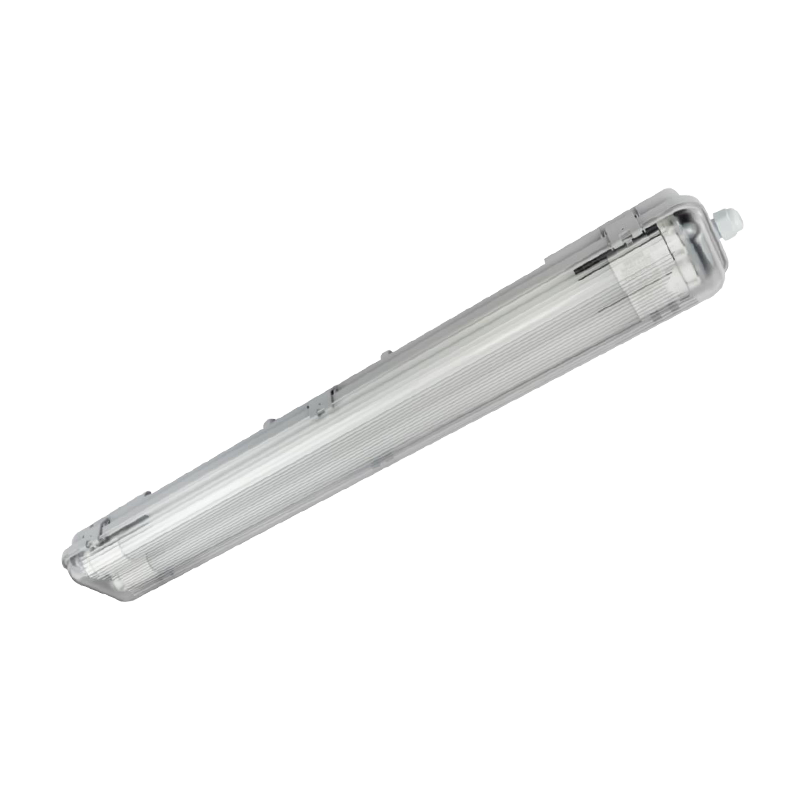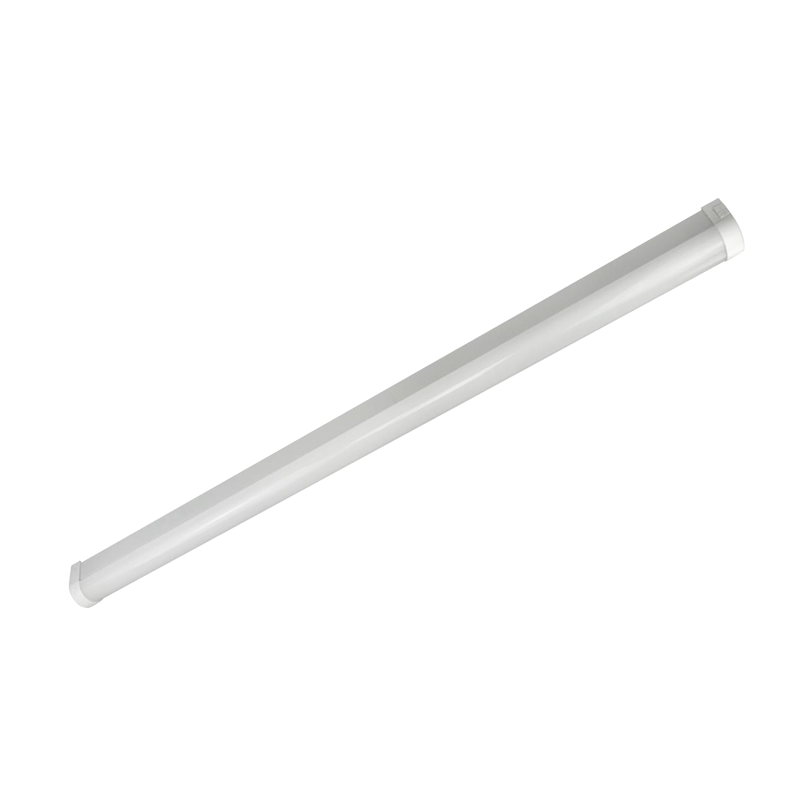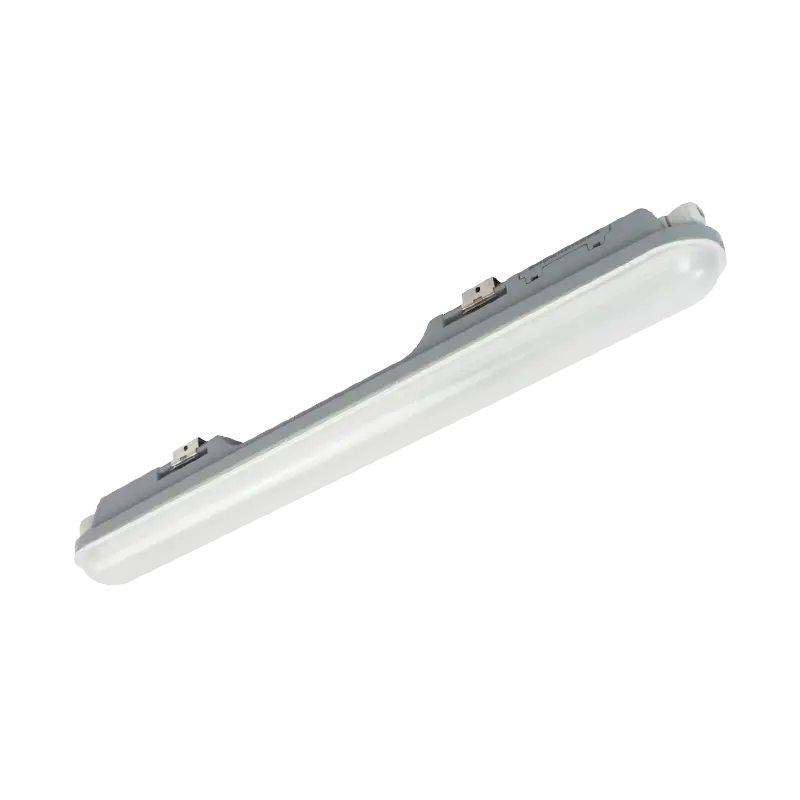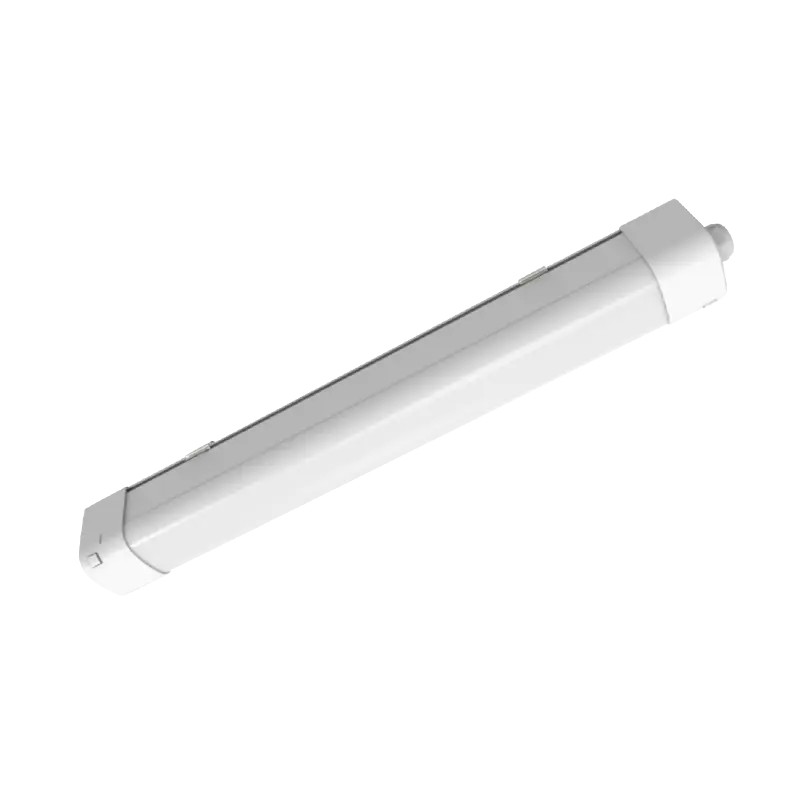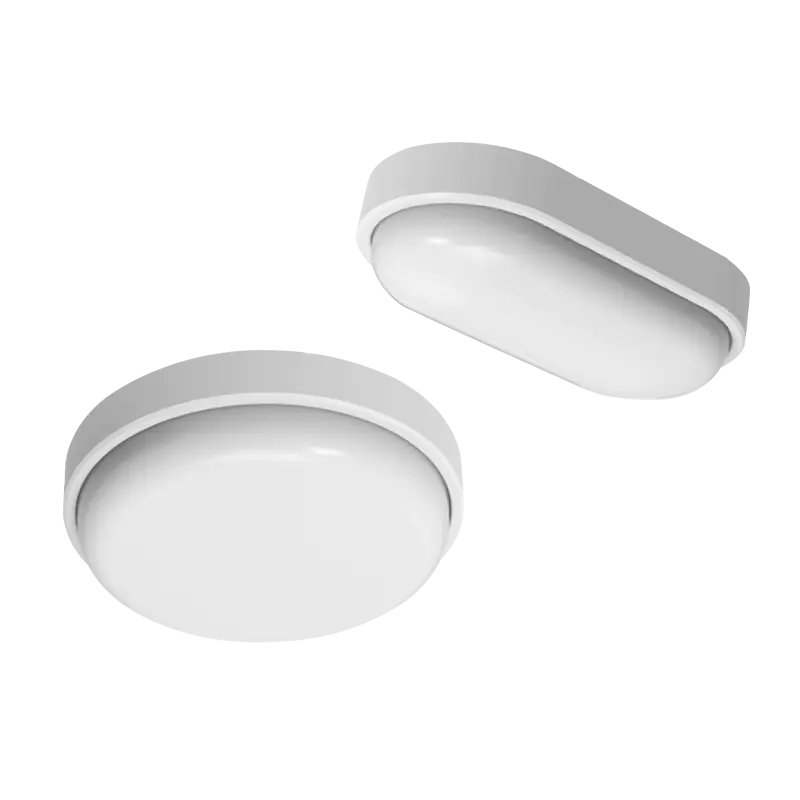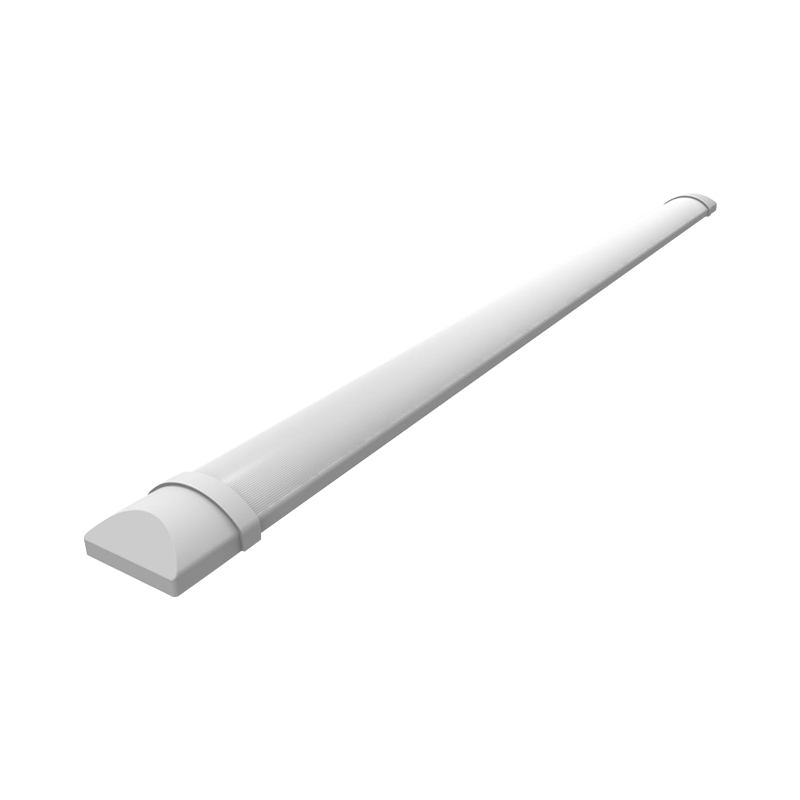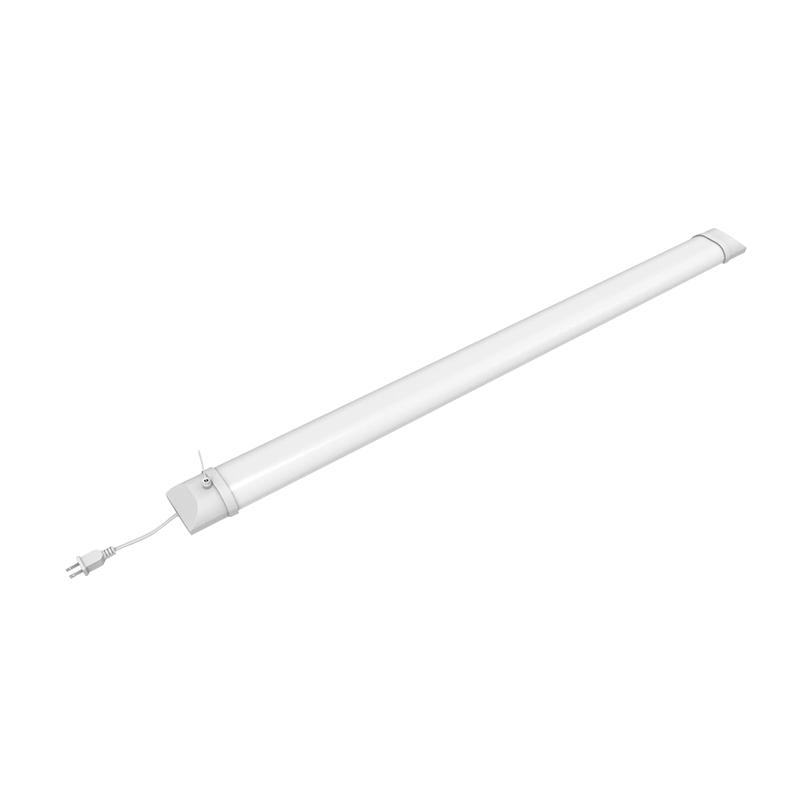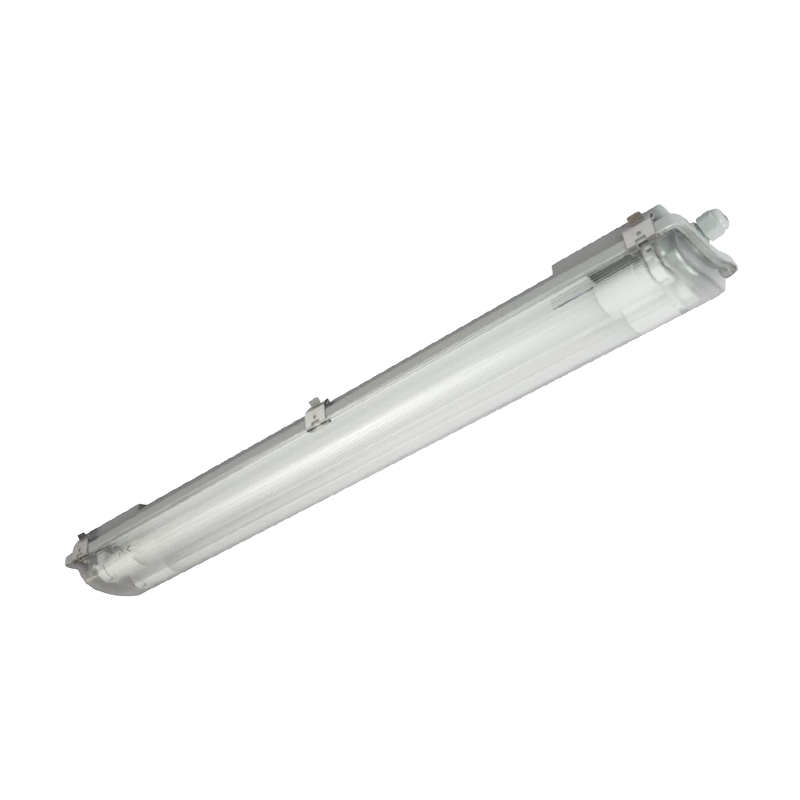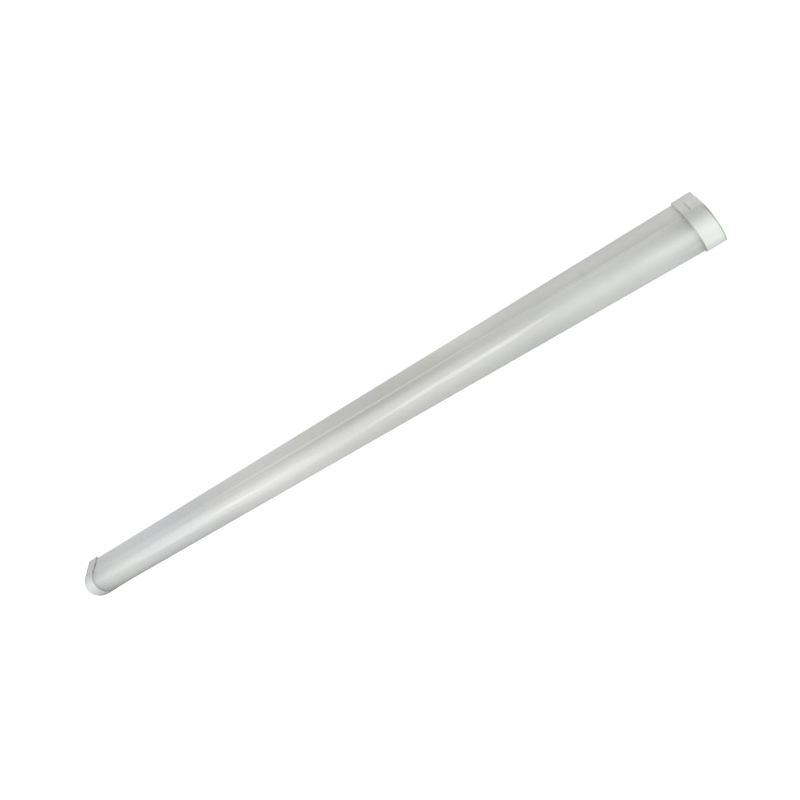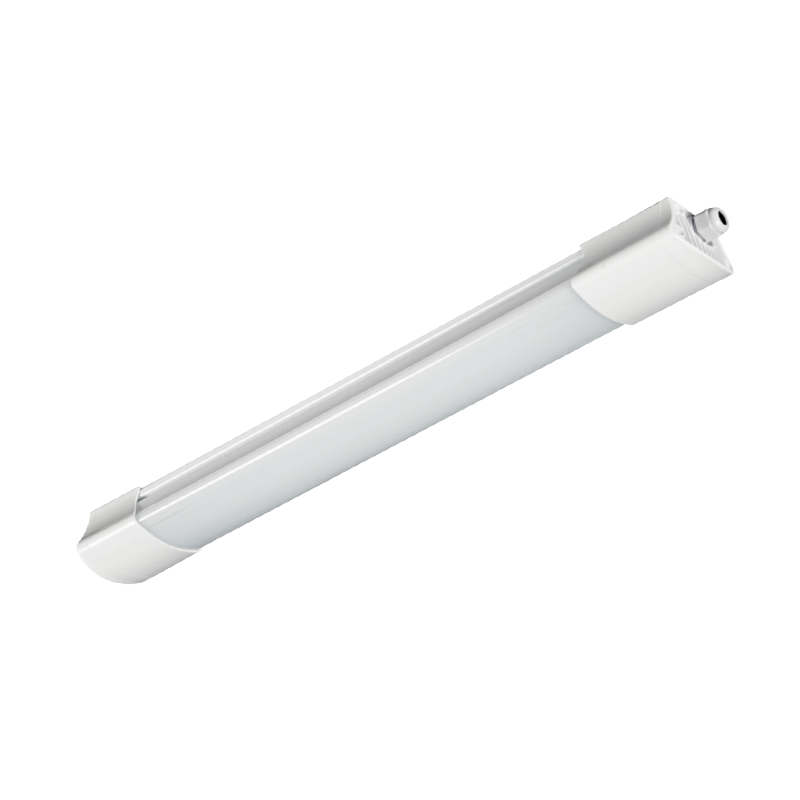


A maintenance supervisor walks through a food processing plant where 36 fluorescent tube fixtures are replaced every six months. The electrician recommends switching to LED tri-proof lights rated for 50,000 hours. The supervisor asks: what is meant by LED lighting, and why is it worth changing a lighting system that has worked for years?
LED stands for light-emitting diode. It is a semiconductor component that converts electric current directly into visible light. Unlike incandescent lamps, which depend on a heated filament, or fluorescent tubes, which rely on gas discharge and a phosphor coating, an LED produces light at the chip level without a warm-up period and with far less waste heat. This single difference changes nearly every cost calculation in commercial and industrial lighting.
The acronym expands to light-emitting diode. A diode is an electronic component with two terminals that allows current to flow in one direction. In an LED, the junction is made from specially doped semiconductor materials. When forward current passes through the junction, electrons recombine with electron holes and release energy as photons. The wavelength of those photons determines the color of the light.
That generation mechanism is fundamentally different from older light sources:
Because the light comes from a solid state junction rather than a heated element or a gas discharge, LED technology is also called solid-state lighting.
Take a standard surface-mount LED chip used in a commercial fixture. The chip is a small square of semiconductor material, usually gallium nitride based, mounted on a substrate. When the driver supplies a controlled direct current, electrons move across the p-n junction. Each time an electron falls into a hole, the energy difference is emitted as a photon. The specific energy gap of the material determines the color of that photon.
White LEDs are normally produced in one of two ways:
Because the color of white light can be defined at chip and phosphor level, LED fixtures can be tuned to different correlated color temperatures and color rendering levels. Specifiers get more control than any previous lighting technology offered.
These three light sources differ in ways that affect energy bills, maintenance schedules, heat load, and fixture selection. The table below compares typical values for equivalent light output.
| Parameter | Incandescent | Fluorescent | LED |
|---|---|---|---|
| System efficacy | 10–17 lm/W | 50–70 lm/W | 120–200 lm/W |
| Typical service life | 1,000–2,000 h | 8,000–15,000 h | 30,000–100,000 h |
| Heat emission | Very high | Moderate | Low |
| Warm-up time | Immediate | 1–3 minutes | Immediate |
| Switching tolerance | Poor | Poor | Excellent |
| Mercury content | None | Yes | None |
| Mechanical fragility | High | High | Low |
A complete LED luminaire is more than a chip attached to a housing. It includes several subsystems that determine performance, reliability, and service life. Buyers comparing products from different factories should evaluate each of these areas rather than only comparing wattage.
SMD or COB chips generate the light. Chip quality, binning accuracy, and thermal resistance directly affect luminous flux, color consistency, and long-term depreciation.
LEDs need a regulated DC current. A well-built driver converts AC mains, protects against surges, and keeps current stable so the light output does not drift or flicker.
Even efficient LEDs produce heat at the junction. A correctly sized aluminum heat sink keeps the junction temperature low and preserves lumen output and lifetime.
The housing gives mechanical stability and defines the IP rating. Gasketed, sealed housings are required for wet, dusty, or high-pressure-wash environments.
Lenses, reflectors, and diffusers shape the beam. A 120-degree beam angle is popular in industrial linear fittings because it covers wide areas evenly from low to medium mounting heights.
Wiring terminals, connectors, and mounting clips decide how fast the fixture is installed and how easy it is to replace later. Tool-free terminal blocks reduce installation labor.
In modular product families, the driver and the light source can be replaced independently. That design reduces the cost of long-term maintenance because a failed driver does not require discarding the entire fixture.
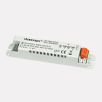
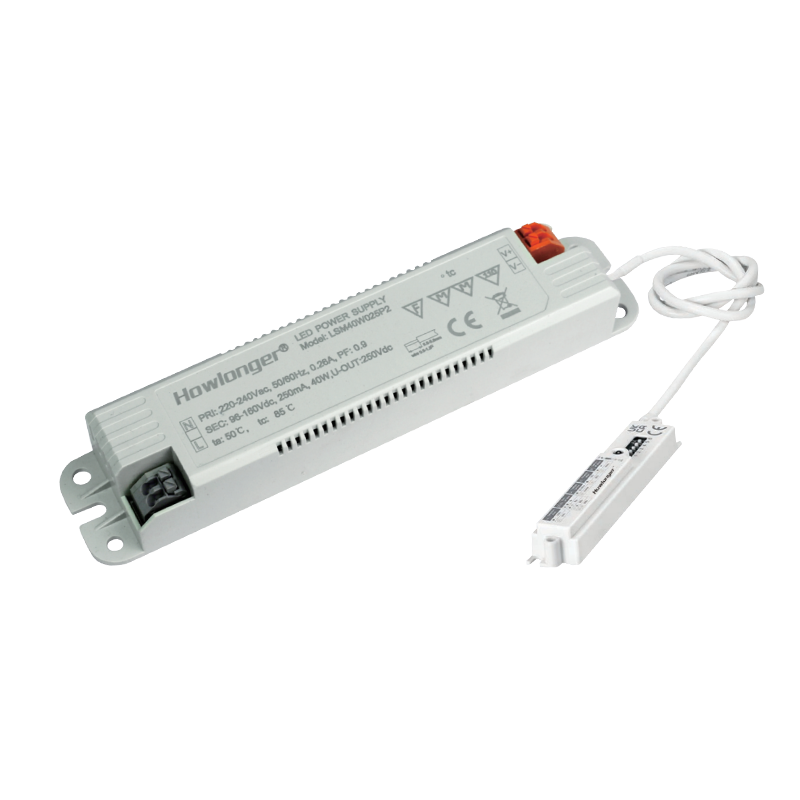 LSM P2 Series 25W-75W Low Ripple Current LED DriverThis modular LED power supply is highlighted after a discussion of replaceable drivers, offering 25W to 75W options with low ripple current and up to 93% efficiency for reliable maintenance.View Product →
Luminous efficacy, expressed in lumens per watt, is the most direct way to compare light sources. A typical replacement-grade LED fixture delivers 120 to 160 lm/W, while older technologies remain far below that range. The chart below shows the relative position of each technology.
At the system level, an LED fixture consumes roughly 70 to 80 percent less electricity than an incandescent installation for the same delivered light. As explained in our breakdown of high-light-efficiency LED batten design, the optical system and driver efficiency together determine how much of the input power becomes useful light. Over a 50,000-hour operating period, the electricity cost saving alone is often several times the initial purchase price of the LED fixture.
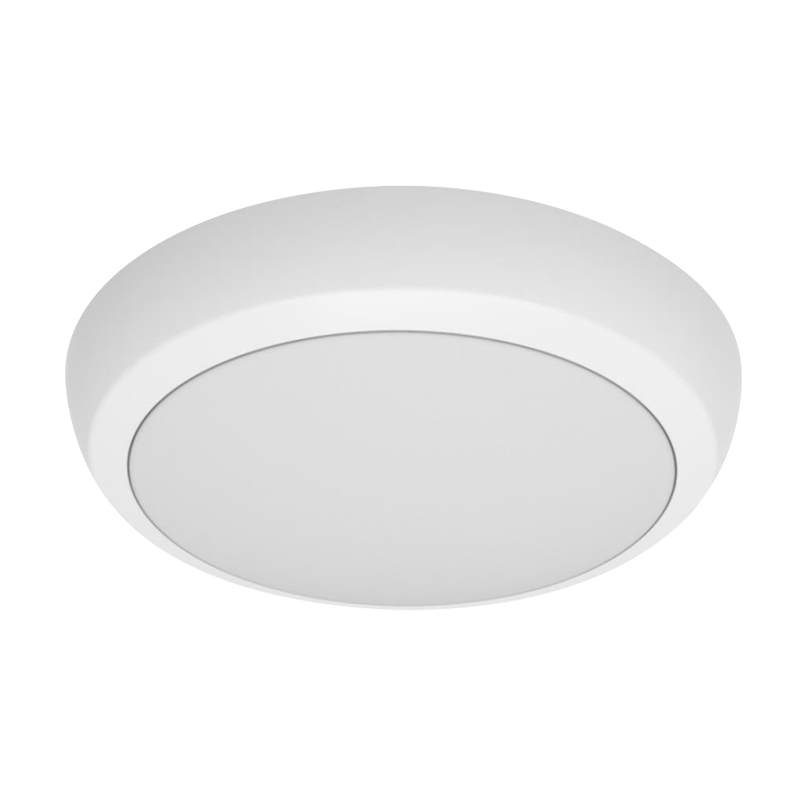
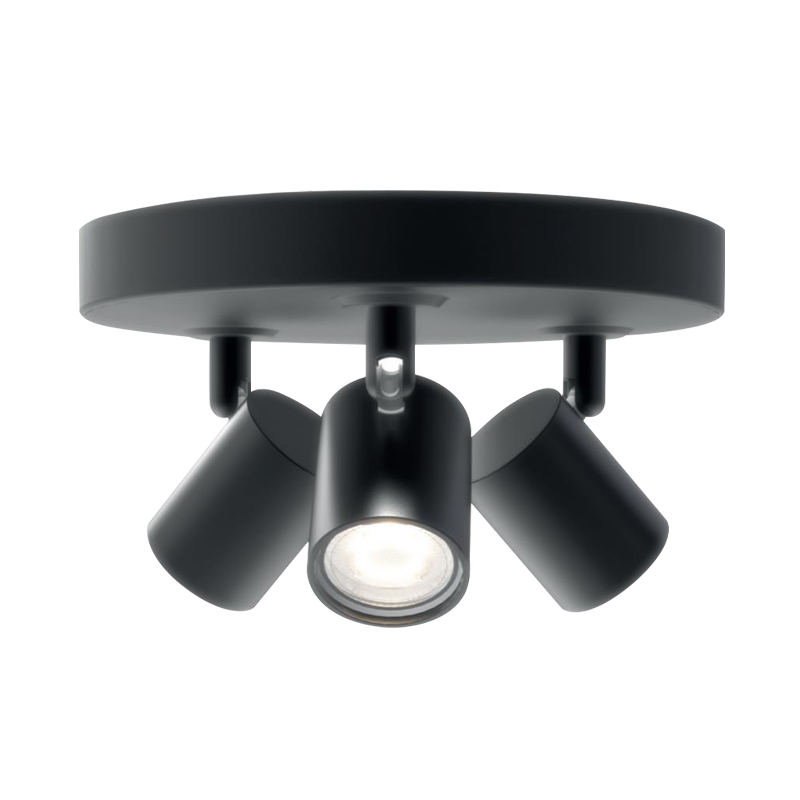
LED technology now covers nearly every application category. For commercial and industrial buildings, the most frequently specified fixture families include:
Fixture selection should be driven by the mounting height, ambient conditions, optical requirements, and maintenance access, not by the lamp shape alone. For example, a complete LED luminaire designed as a single system usually performs better than a retrofit lamp placed into an old housing, because the heat path and optics are designed together.
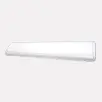
 LG15D Slim LED Batten Fitting with 120° Beam AngleMentioned in the context of complete luminaires outperforming retrofits, this IP20 batten offers 120° beam, up to 150 lm/W, and multiple lengths from 0.6m to 1.8m for flexible use.View Product →
Harsh environments are where LED technology reveals its biggest advantage over fluorescent lighting. A fluorescent tube in a dusty workshop gradually loses output as dust settles on the tube and the housing. In a wash-down area, moisture can enter the fitting and damage the starter or ballast. LED fittings designed for these conditions use sealed polycarbonate or aluminum housings, gasketed diffusers, and corrosion-resistant hardware.
IP ratings are the standard way to compare protection levels. IP65 protects against dust ingress and low-pressure water jets, which suits most food and beverage facilities. IP66 adds protection against more powerful jets, which is appropriate for regular high-pressure washdown. IP67 adds temporary immersion, which is usually unnecessary indoors.
Another important parameter is impact resistance, expressed as an IK rating. Fixtures installed in forklift-trafficked warehouses or vehicle maintenance pits should have IK08 or higher to survive accidental collision.
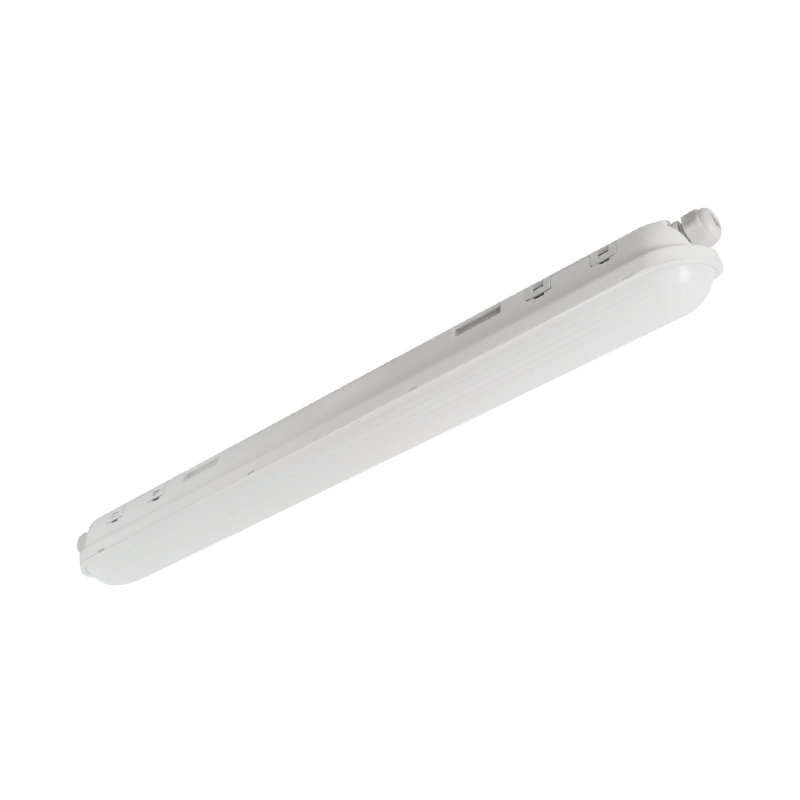
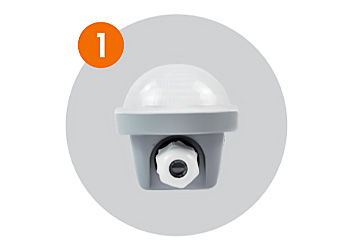 LG06J Aluminum Alloy IP65 LED Tri-Proof LightFollowing a note on impact resistance, this IP65 tri-proof light features an aluminum alloy body, 120° beam, and replaceable light source for durable, easy-maintenance installation.View Product →
Shortlisting an LED luminaire requires more than checking wattage. The following terms appear on every serious datasheet, and understanding them helps buyers compare offers fairly.
| Term | Practical meaning |
|---|---|
| Luminous flux | Total light output in lumens. Compare lumens rather than wattage when judging brightness. |
| CCT | Correlated color temperature in kelvin. 2700–3000 K looks warm, 4000 K is neutral, and 5000–6500 K looks cool and daylight-like. |
| CRI | Color rendering index from 0 to 100. CRI 80 is standard for most interiors; CRI 90 or higher is preferred for inspection and retail tasks. |
| Beam angle | The width of the light spread. Narrow beams fit high mounting heights; wide beams suit general area lighting. |
| IP rating | Ingress protection against dust and water. IP20 is for dry indoor locations; IP65 and IP66 are for wet and dusty sites. |
| IK rating | Impact protection. Higher values mean the housing resists stronger mechanical blows. |
| L70 lifetime | Hours until luminous flux drops to 70 percent of initial output. Typical values range from 30,000 to 100,000 hours. |
| Driver type | The control interface, such as non-dimmable, triac, DALI, or 0–10 V. Confirm compatibility with the site control system before ordering. |
Buyers evaluating LED fixtures from different suppliers should compare like for like. The following checklist covers the most common causes of procurement problems in commercial and industrial projects.
LEDs work naturally with electronic control systems because they run on low-voltage DC and respond instantly to current changes. Occupancy sensing, daylight harvesting, and scheduled dimming can be added to LED installations without the compatibility problems seen with some fluorescent gear. In a typical warehouse, combining LED high-bay luminaires with presence detection cuts lighting energy use by a further 20 to 40 percent.
Many modern LED fixtures are designed as systems rather than standalone lamps. Modular drivers, replaceable light sources, and interface options for building management systems are increasingly common. Buyers who expect a control upgrade in the future should check whether the chosen product family supports that path without a full fixture replacement.
Initial price does not tell the full story. Consider a 50-fixture installation running 4,000 hours per year. If the LED fixtures save 40 watts per position compared with the previous fluorescent system, the annual electricity saving is 8,000 kWh. At an average commercial electricity tariff of USD 0.12 per kWh, that is about USD 960 per year, before counting the labor saved by not re-lamping fluorescent tubes every 12 to 18 months.
The table below gives a simplified comparison for one fixture position over 10 years of operation.
| Cost component | Fluorescent fitting | LED fitting |
|---|---|---|
| Initial purchase cost | USD 30 | USD 55 |
| Lamp replacements | 4 over 10 years | 0 |
| System input power | 58 W | 35 W |
| Energy per year | 232 kWh | 140 kWh |
| Energy cost per year | USD 27.84 | USD 16.80 |
| 10-year energy cost | USD 278.40 | USD 168.00 |
*Assumes an LED fitting with a 50,000-hour rated life and replacement of the whole luminaire at end of life.
Over 10 years, the LED position saves more than USD 110 in electricity alone and eliminates four lamp replacement labor visits. That margin makes LED the rational choice even when the first-cost difference is relatively large.
LED fixtures contain no mercury, which simplifies disposal and reduces compliance burden compared with fluorescent tubes. Their longer service life means fewer replacement products are manufactured and discarded. At end of life, the aluminum housing and the driver of most LED fixtures can be separated and recycled through standard e-waste channels.
Because LEDs emit very little infrared and ultraviolet radiation, they reduce fading of textiles, packaging, and artwork in retail and display environments. The lower heat output also trims the cooling load in air-conditioned buildings, adding to the total energy saving.
The printed service life usually refers to L70 or L80 lumen maintenance, meaning the hours until the fixture delivers 70 or 80 percent of its initial light output. It is not a failure time. Keeping the junction temperature low and choosing a quality driver both extend the effective service life.
Flicker is usually caused by a low-quality driver or by incompatibility between the driver and a dimmer. Good drivers keep the output current ripple low and are tested with common dimmers. Buyers should ask for a dimming compatibility list or a flicker percentage value before purchasing.
General illumination LED fixtures are designed to meet the photobiological safety requirements of IEC 62471 and are classified as exempt or low risk. The sensible rule is the same as with any bright light source: avoid staring directly at the beam of a high-intensity luminaire.
Yes. Unlike fluorescent tubes, which can take minutes to reach full output in cold rooms, LEDs start at full brightness instantly. Low ambient temperatures actually help the chips stay cool, which improves lifetime. High-temperature environments are more demanding and require careful heat-sink selection.
Tri-proof luminaires add protection against water, dust, and mechanical impact, usually with an IP65 or higher rating and a tough polycarbonate or aluminum body. Standard batten fittings are typically IP20 or IP40 and best used in dry indoor areas. Installing a non-sealed fitting in a damp location risks early failure.



No.8, Ankang West Road, Zonghan Street, Cixi City, Zhejiang Province, P.R.China
0086-574-6320 0283
Copyright © Ningbo Longer Lighting Co., Ltd.
All Rights Reserved.
 Wholesale LED Lighting Fixtures Manufacturers

 Deutsch