

Ask ten lighting buyers about the main disadvantage of LED lights, and you will hear several different answers. Some will name the higher purchase price. Others will blame flicker, dimming problems, or blue light. All of these are real concerns, but they are symptoms of a deeper issue. From an engineering standpoint, the most important disadvantage is heat sensitivity. LED chips are far more efficient than older light sources, but they still produce heat, and unlike a filament, the chip cannot radiate that heat into the surrounding air. If the fixture does not pull heat away from the semiconductor junction, output drops, colour shifts, and the rated lifetime collapses. Understanding this single weakness explains most of the other complaints about LED lighting.
An LED chip is a small electronic component, and its performance depends on the temperature of its semiconductor junction. For most white LED modules, every 10 degrees Celsius increase in junction temperature roughly halves the useful lifetime and measurably reduces light output. This is why two fixtures carrying the same chip can perform completely differently in real use. One may have a die-cast aluminium housing with a thick mounting plate, while the other uses a pressed steel body with a small contact pad. The first can operate at a healthy 85 degrees Celsius junction temperature and run for 50,000 hours. The second may hover near 120 degrees and show visible dimming after two or three years.
The following table gives a practical picture of what happens when thermal management is insufficient.
| Junction temperature | Light output | Typical lifetime | Common cause |
|---|---|---|---|
| 85 °C | About 90 percent of rated | 50,000 hours or more | Aluminium heatsink with good PCB contact |
| 105 °C | About 80 percent of rated | 25,000 to 30,000 hours | Enclosed housing with limited airflow |
| 125 °C | About 70 percent of rated | 10,000 to 15,000 hours | Plastic body or thin steel with poor contact |
The figures are illustrative rather than exact, because every LED module has its own thermal curve. The pattern, however, is consistent across the industry. The practical consequence for a buyer is simple: a low-priced fixture that runs hot will cost more over its life than a well-designed fixture with proper thermal management, because it needs replacement earlier and wastes energy while losing brightness.
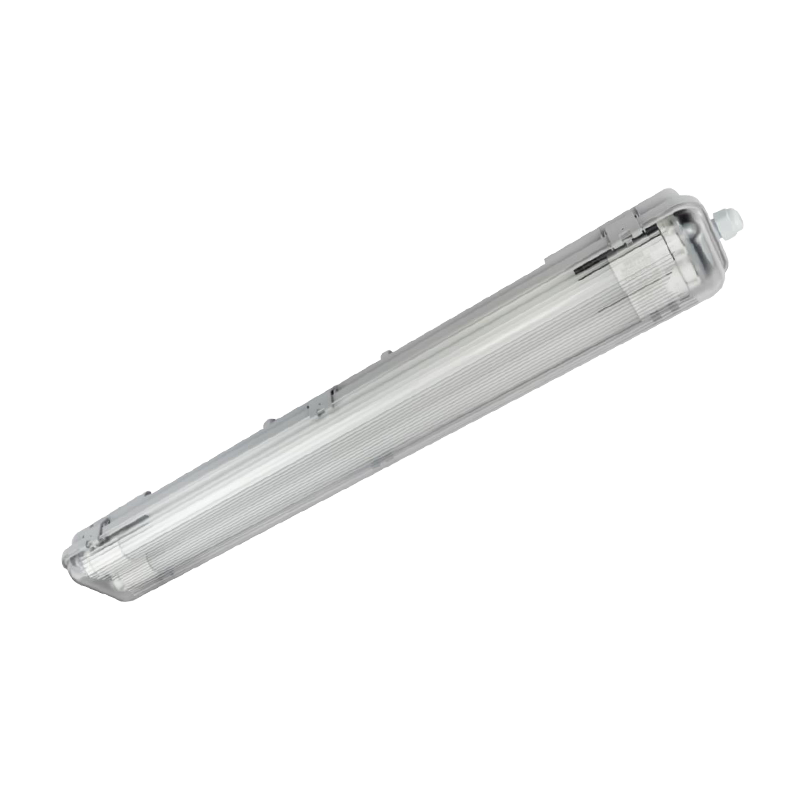
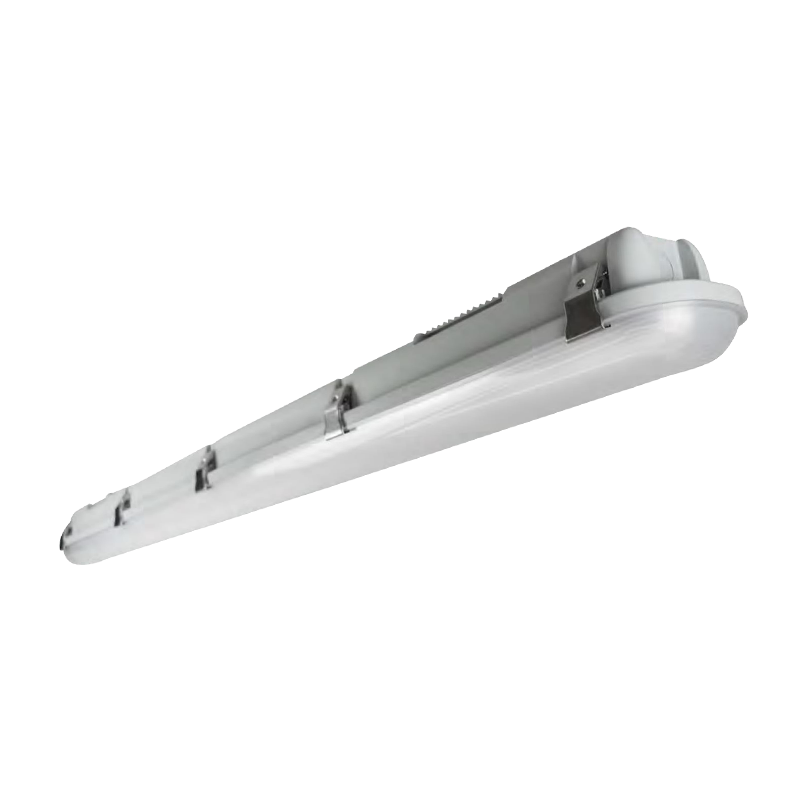
At our production facility, thermal management is the first design priority, not an afterthought. The tri-proof light range uses aluminium alloy housings with a generously sized contact area between the LED board and the outer shell, so heat is continuously drawn away from the chip. This detail rarely appears on a spec sheet, but it decides whether a fixture lasts five years or fifteen.
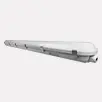
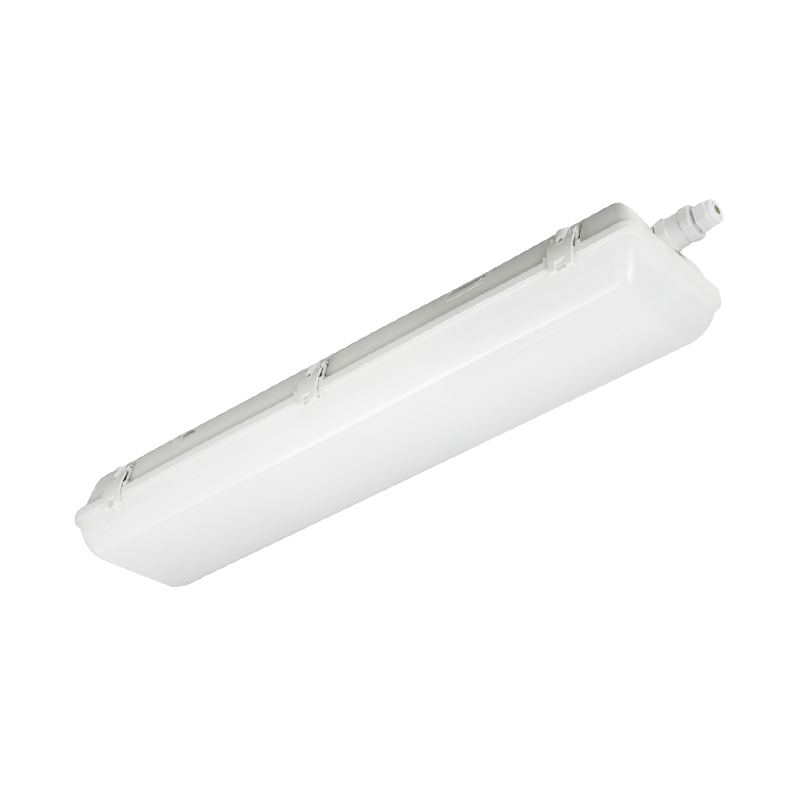
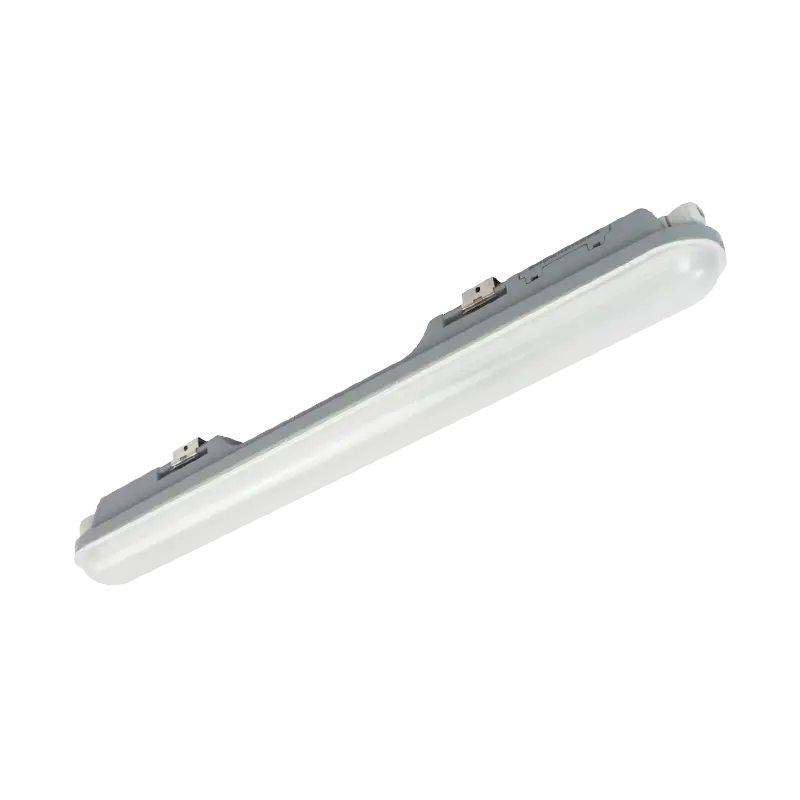 LG06J Aluminum Alloy LED Tri-Proof Light with 120° Beam AngleThis tri-proof light features an aluminum alloy housing designed for efficient heat dissipation, extending lifespan. Its 120° beam angle provides broad, even illumination, making it suitable for industrial workshops and demanding environments where durability and light quality matter.View Product →
The second significant disadvantage of LED lighting concerns the quality of the light itself. Most white LEDs work by combining a blue chip with a yellow phosphor layer. The result appears white, but the spectrum is not continuous. It contains a distinct blue peak that is much stronger than in an incandescent spectrum. This matters for two reasons. In the evening, high blue content reduces melatonin production, which can make it harder to fall asleep when lights are used in bedrooms or late-shift workplaces. At the same time, a poorly designed phosphor blend can leave colours looking grey or washed out, even if the fixture appears reasonably bright.
Good LED fixtures solve this with better spectral engineering. High-quality modules use improved phosphor blends that push the colour rendering index to 80 or 90, and many housings include frosted diffusers that soften the beam and reduce the harsh blue peak. A well-designed ceiling light or bulkhead with a diffuser produces comfortable, even light without the hard blue glare associated with cheap bare-chip fixtures.
Anyone who has connected an LED bulb to an older dimmer has met this disadvantage directly. LEDs do not dim the way incandescent lamps do. They require a driver that matches the dimmer, and many budget drivers handle that interaction poorly. The result can be an audible hum, visible flicker, or lights that suddenly jump to full brightness at the lower end of the knob.
Flicker is more than an annoyance. Very fast, imperceptible flicker can still cause eye fatigue and headaches in sensitive people. The usual causes are an inadequately filtered driver or a mismatch between the dimmer type and the LED driver.
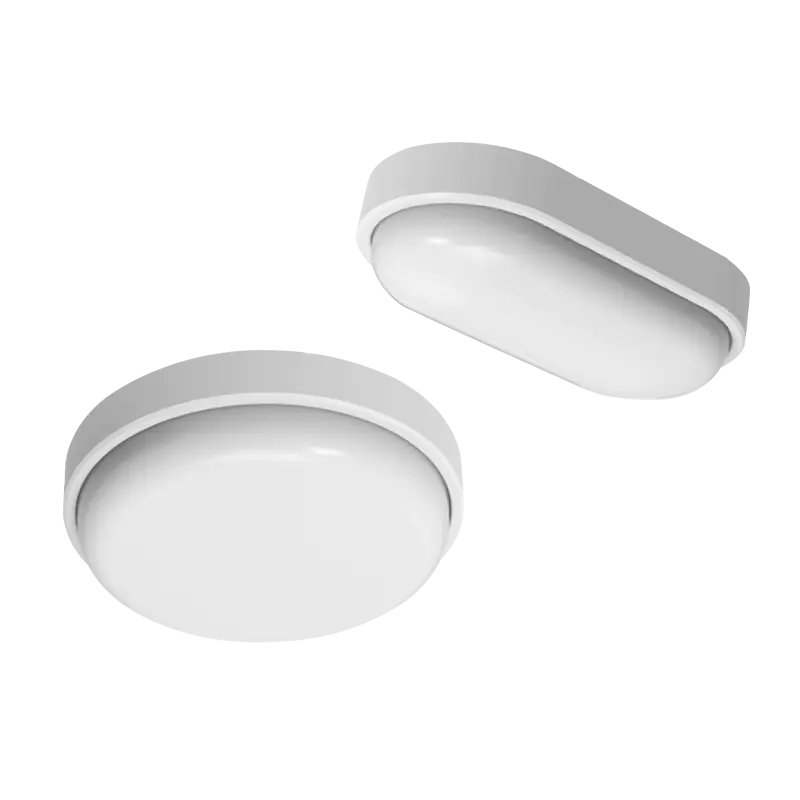
For buyers, the rule is to look for fixtures that list dimmable compatibility and use a well-built driver. The LG19D bulkhead in our range, for example, uses a dimmable driver circuit that maintains steady light output and works without strobing problems thanks to its anti-glare optical design.
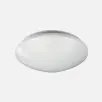
 LG19D Anti-Glare Dimmable LED Bulkhead with PIR Sensor OptionThis bulkhead uses a dimmable driver for steady, flicker-free output and an anti-glare design. Available with a PIR sensor, it suits corridors and indoor spaces where adjustable brightness and energy savings are priorities.View Product →
Incandescent bulbs radiate light in all directions. LEDs do not. A bare chip emits most of its light into a hemisphere, and many fixtures focus that light into a narrow cone. In a room lit by a single ceiling-mounted batten or downlight, you often get a bright pool of light underneath and noticeably darker walls and corners.
Directionality is not a flaw in every situation; it is exactly what task lighting and accent lighting need. The problem appears when a fixture with a narrow beam is selected for general illumination. This is why the beam angle specification matters as much as the lumen count. A narrow optic can make the lumens look impressive at the centre, but leave working surfaces poorly covered.
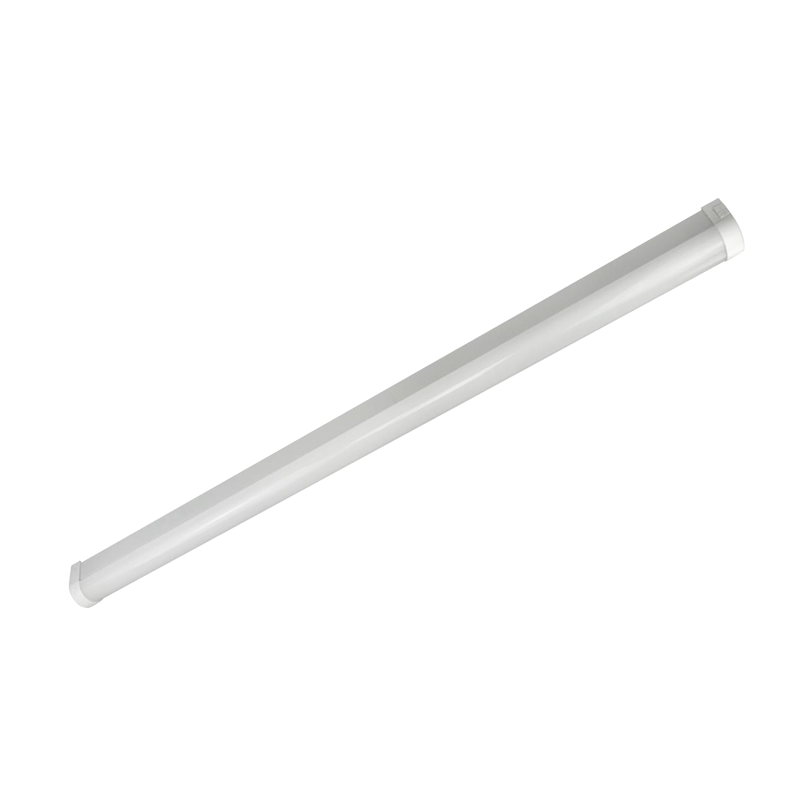
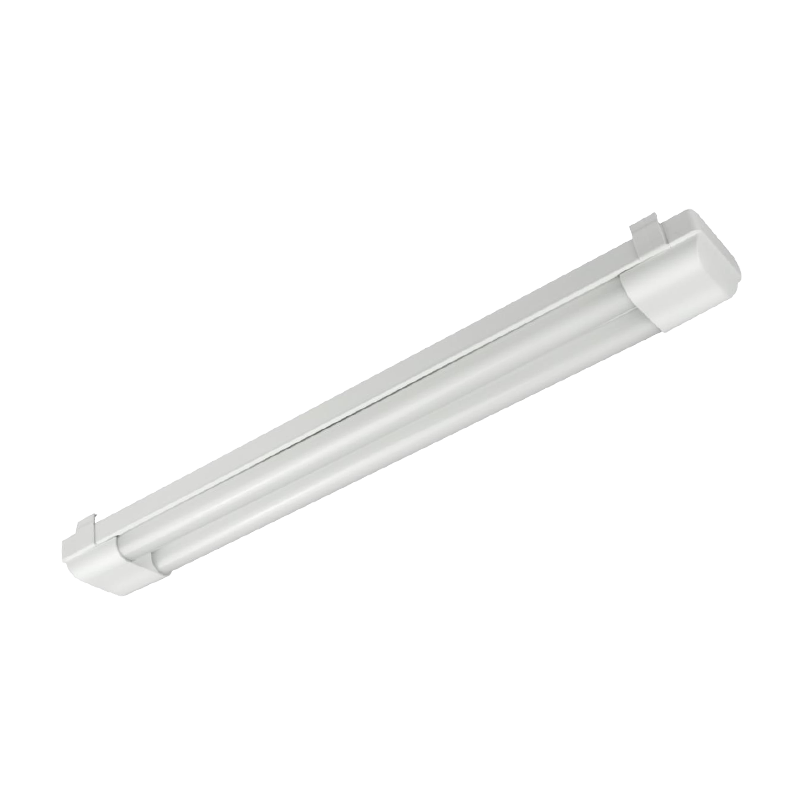
A wider beam angle, such as 120 degrees, distributes light more evenly across a room. When choosing a batten fitting for workshops, corridors, or retail shelving, compare beam angles rather than just wattage. A slim 120-degree batten will almost always give a more balanced result than a narrow 60-degree fixture of the same wattage.
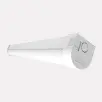
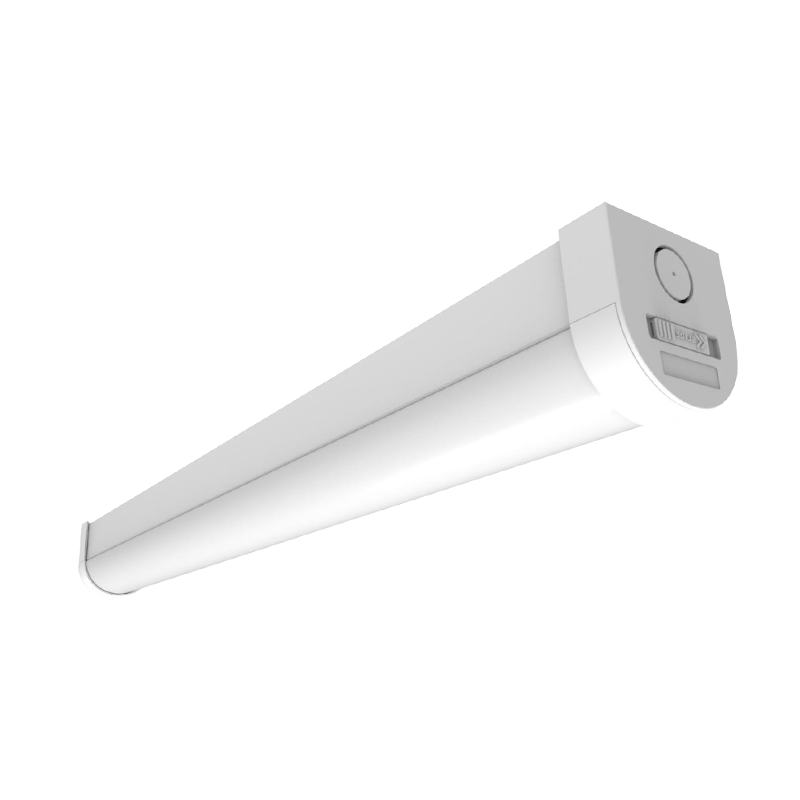
 LG15D Slim LED Batten Fitting with 120° Beam Angle and IP20This slim batten offers a wide 120° beam for balanced light distribution across workshops or retail areas. With high efficacy options and simple slide-switch installation, it delivers efficient, uniform illumination at a competitive cost.View Product →
There is no point pretending otherwise: a quality LED fixture still costs more at the counter than an equivalent fluorescent or halogen fitting. For a complete commercial installation, the initial price difference can be two to three times. The question is what that difference represents. If the extra money buys a die-cast body, a reliable driver, and a tested optical system, it pays for itself. If it only buys a brand label on a weak thermal design, it does not.
The clearest way to see this is a running-cost comparison. Figures below are in USD for a single four-bay industrial lighting zone.
| Cost component | Fluorescent T8 | Budget LED | Quality LED |
|---|---|---|---|
| Initial fitting cost | 240 | 320 | 480 |
| Lamp and driver replacements | 120 | 90 | 0 |
| Electricity over five years | 880 | 500 | 420 |
| Total five-year cost | 1240 | 910 | 900 |
The budget LED looks attractive in the first quarter. Once replacement parts and higher running losses are counted, it is barely cheaper than the quality LED, and in the sixth year the quality fixture pulls ahead. For facilities planned over ten years, the cheapest fixture on the shelf is usually the most expensive one in the long run.
Electricians will tell you the same story: when a complete LED installation stops working, the LED chip is rarely the culprit. The driver is. The chip can last 50,000 hours, but the driver contains electrolytic capacitors and control electronics with their own temperature limits. Inside a poorly vented fitting, the driver sits close to the heat of the LEDs and ages far faster than the modules it powers.
Three main factors put the driver at the front of the failure queue:
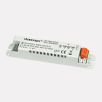
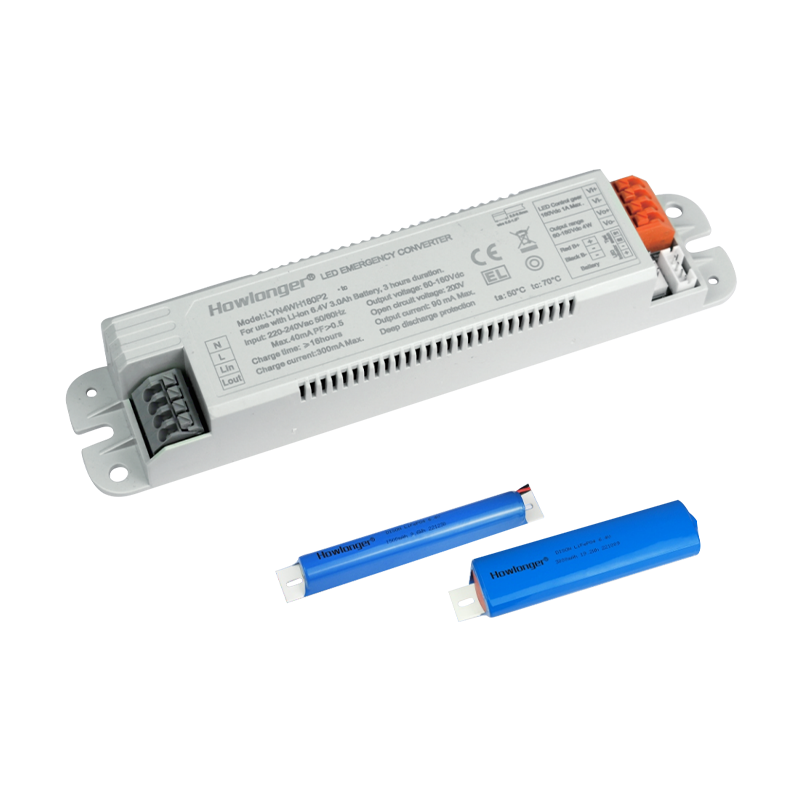
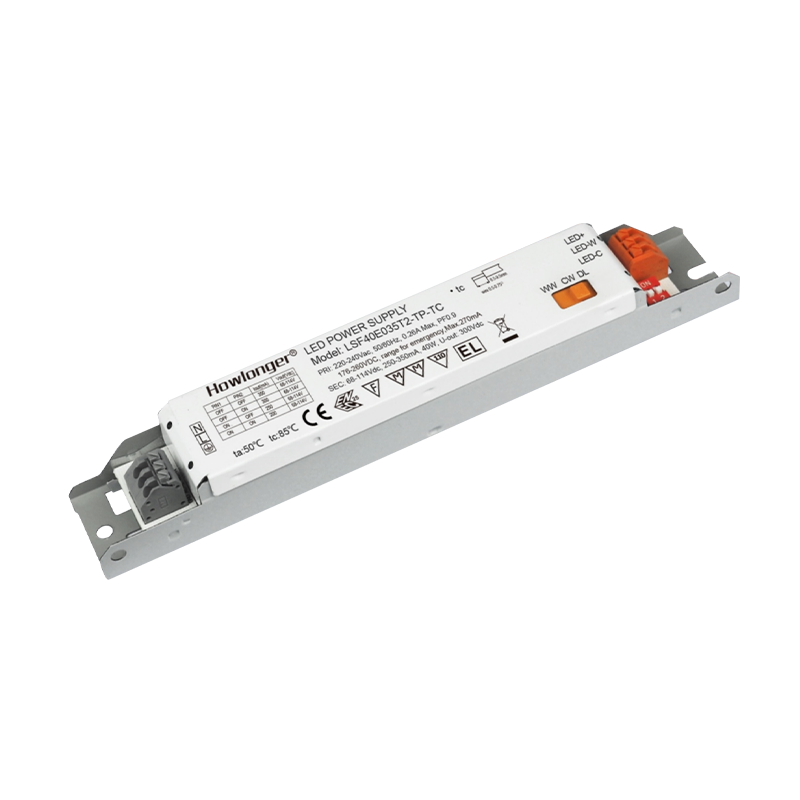
This is why we keep the driver area separated from the hottest zone of the fixture and allow adequate airflow. It is also why a manufacturer that can supply matched replacement drivers is much safer as a long-term partner than one that treats the whole fitting as disposable. Our LED power supply range covers constant current and constant voltage types, so replacing a failed driver does not mean replacing the complete luminaire.
Knowing the disadvantages of LEDs turns the selection process into a short checklist. This is the same list our engineers use when reviewing a new fitting before it enters production.
Aim for aluminium housings or a real heatsink at 20 watts or above. Ask the supplier for the expected junction temperature in the ambient temperature of the project.
Look for dimmable drivers where dimming is needed, surge protection as standard, and a rated driver life that matches the LED life.
Choose CRI 80 or higher for warehouses and offices, CRI 90 for retail or inspection areas. Avoid fittings with a strong blue peak and no diffuser.
Match the beam to the room. Wide 120-degree optics fit general area lighting; narrow 30 to 60-degree optics fit displays and task spots.
Check whether the driver can be replaced without dismantling the whole housing. This simple detail cuts future maintenance costs significantly.
Dealing directly with the manufacturer also helps. When our engineers quote a project, we provide thermal data, driver specifications, and photometric reports before the order, not after. That transparency is the best defence against the practical disadvantages of LED lighting.
In practice, yes. Most other weaknesses, such as premature failure, colour shift, and reduced output, trace back to junction temperature. Manage heat correctly and the other disadvantages become much easier to handle.
All white light contains some blue light. LEDs have a more concentrated blue peak than incandescent bulbs. In normal daytime use the level is not dangerous, but for evening spaces choose warmer colour temperatures and fittings with diffusers to soften the spectrum.
A poor driver does not fully smooth the mains ripple, so the light pulses at twice the mains frequency. The eye may not notice it, but a camera sensor will. Good drivers filter this ripple almost completely.
No. LED dimming depends on the driver and the dimmer type working together. Always check the compatibility list from the manufacturer, or ask the supplier directly.
In most commercial and industrial installations, yes. The payback period is short, the maintenance cost stays low, and the light quality remains stable for the rated life. The key is to verify the thermal and driver quality behind the price.



No.8, Ankang West Road, Zonghan Street, Cixi City, Zhejiang Province, P.R.China
0086-574-6320 0283
Copyright © Ningbo Longer Lighting Co., Ltd.
All Rights Reserved.
 Wholesale LED Lighting Fixtures Manufacturers

 Deutsch