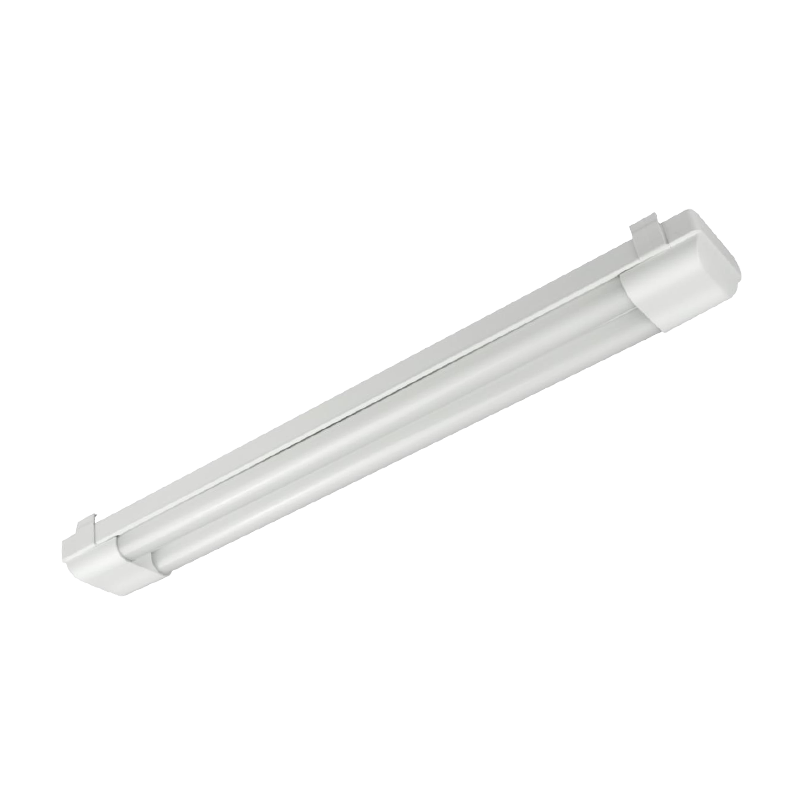


In home renovation and commercial space design, lighting layout directly affects the overall texture and visual comfort of a space. From the core living area to private resting zones, choosing the right lighting is not just about illumination, but about creating an environmental atmosphere. This article provides an in-depth analysis of technical parameters and application scenarios for kitchen ceiling lights, bedroom ceiling lights, and various modern lighting fixtures.
Different living areas have significantly different requirements for light intensity (Lux) and Color Temperature. When planning an interior, it is essential to match the equipment to the space's intended use.
Configuration focus for living room ceiling lights: As a multi-functional activity area, the living room usually requires high and uniform illuminance. It is recommended to use modern lighting fixtures with a Color Rendering Index (CRI) greater than 90 to restore the true colors of furniture and decorations. A large central main light combined with auxiliary light sources can effectively reduce visual blind spots.
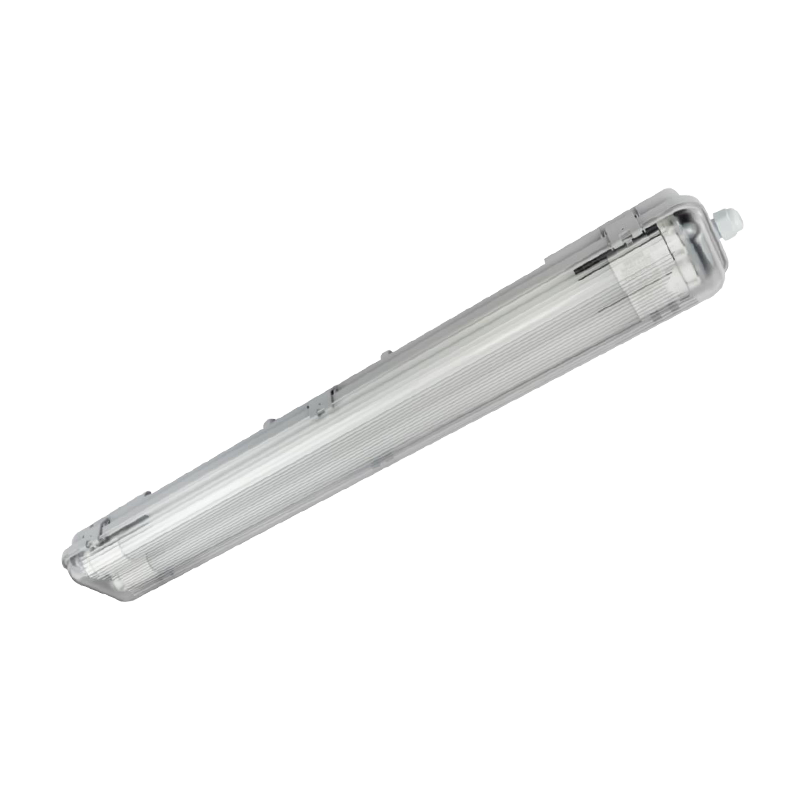
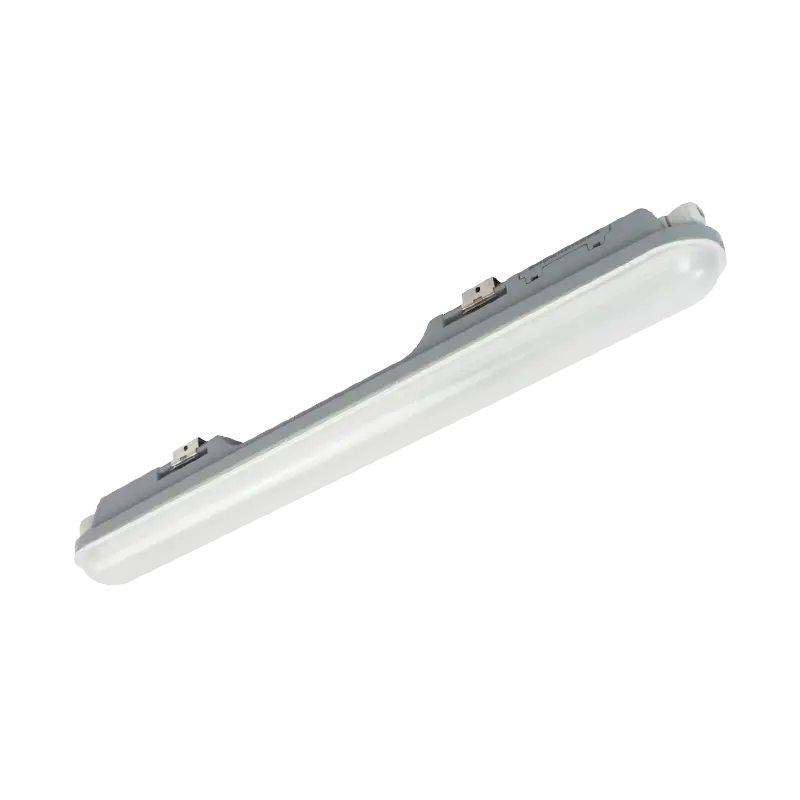
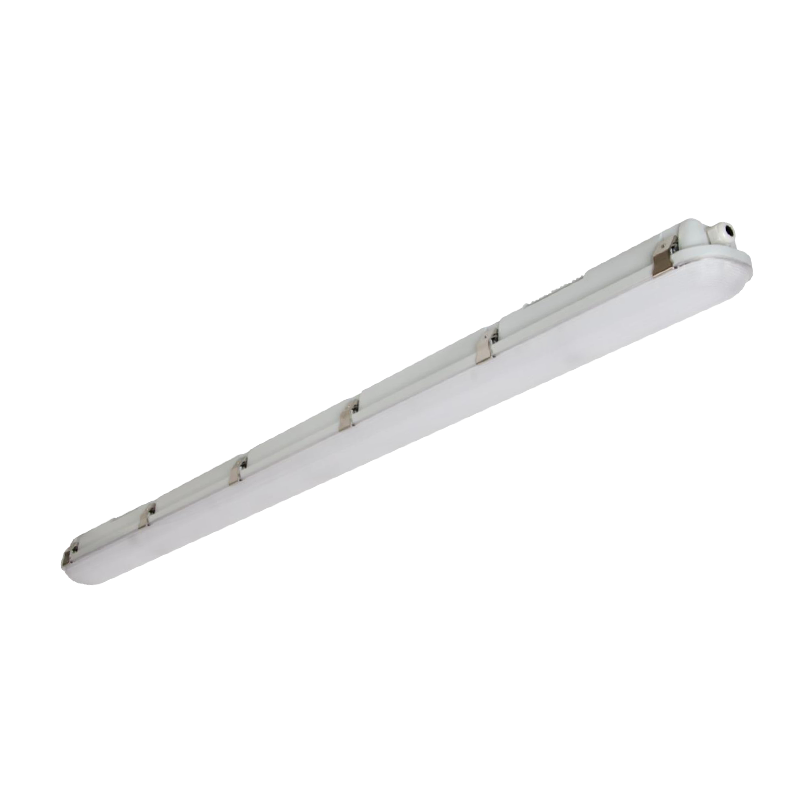
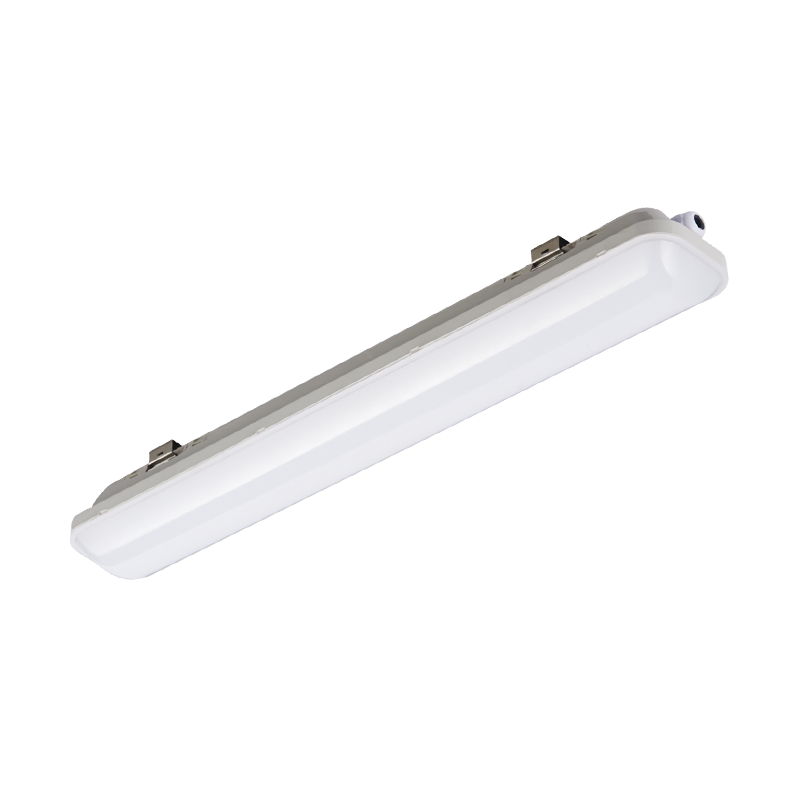
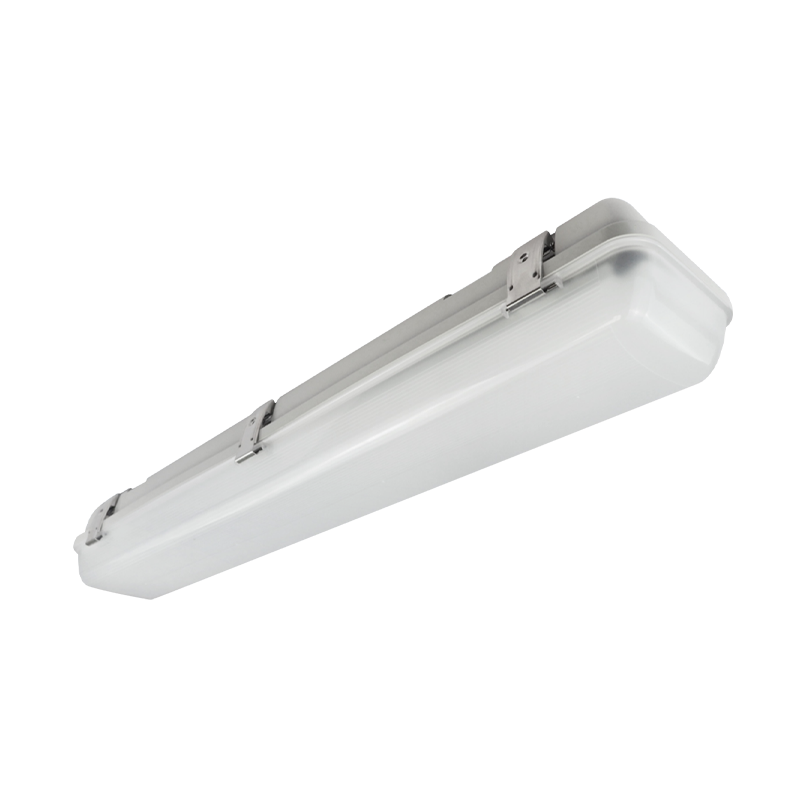
Cleanliness and brightness needs for kitchen ceiling lights: The kitchen environment requires a certain degree of sealing for lamps to prevent oil fumes from entering and affecting the life of the driver. High lumen output ensures safety when cooking and using knives; it is generally recommended to choose neutral white light between 4000K and 5000K.
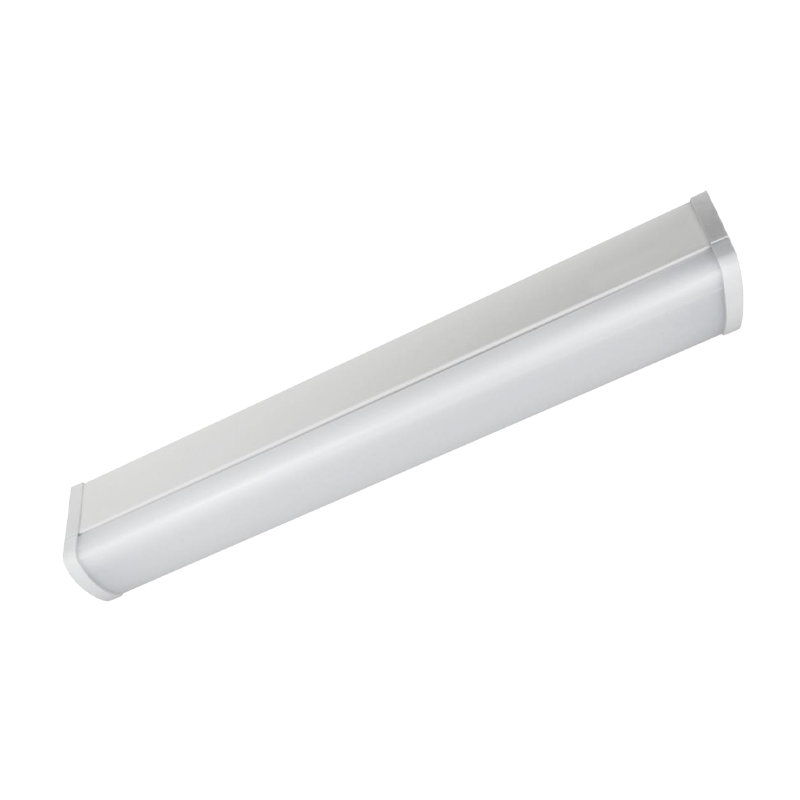
Comfort design for bedroom ceiling lights: Direct glare should be avoided in the bedroom. Warm light with a low color temperature (2700K-3000K) helps relax the nerves. Lamps using side-lighting technology can make the light softer and reduce direct stimulation to the retina.
With the maturity of semiconductor lighting technology, LED Ceiling Light has become the market mainstream. Its core advantages lie in an extremely high energy efficiency ratio and a long service life of 30,000 to 50,000 hours.
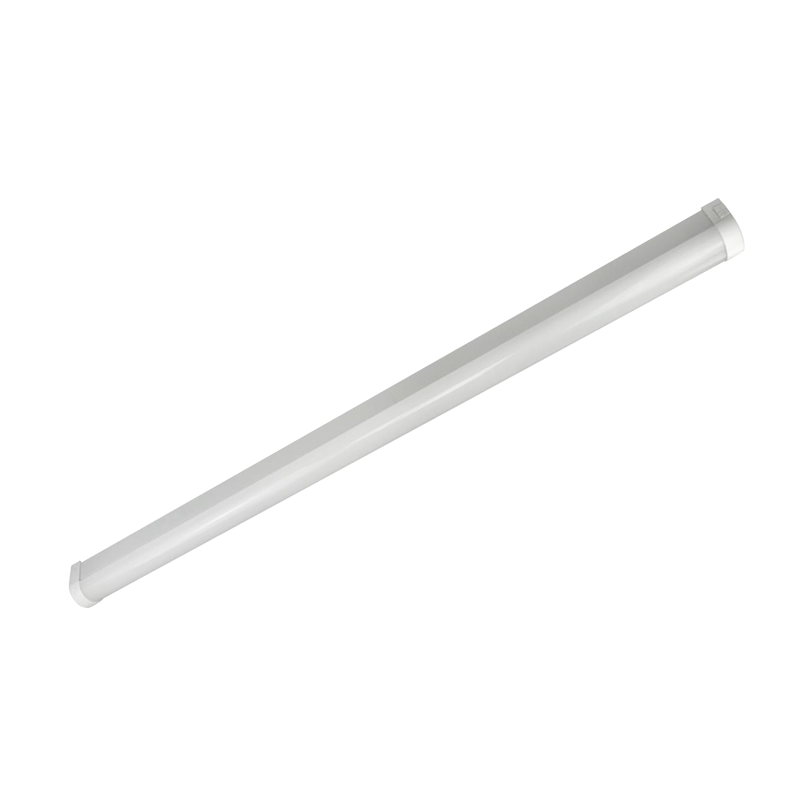
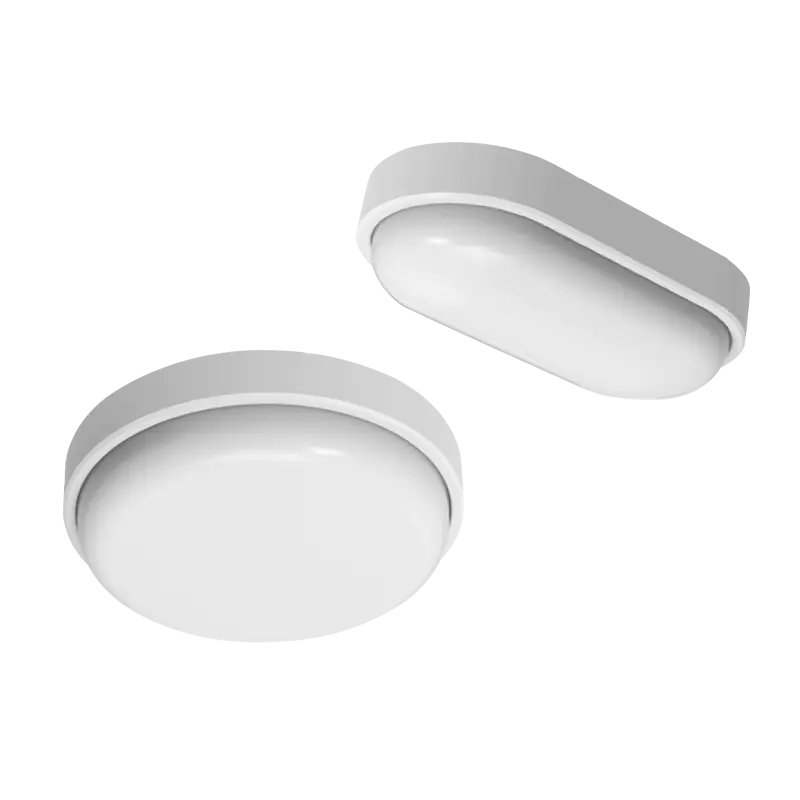
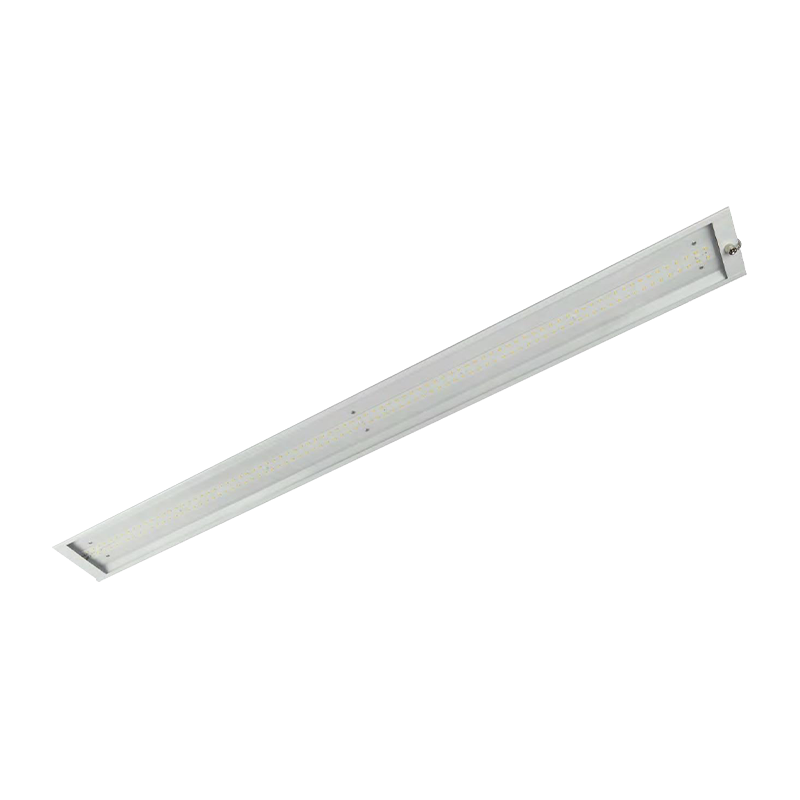
In spaces pursuing minimalist design, flush mount light effectively releases ceiling height pressure by sitting close to the ceiling, making the space appear more open. These fixtures achieve uniform light diffusion through acrylic or high-transparency glass diffusion plates.
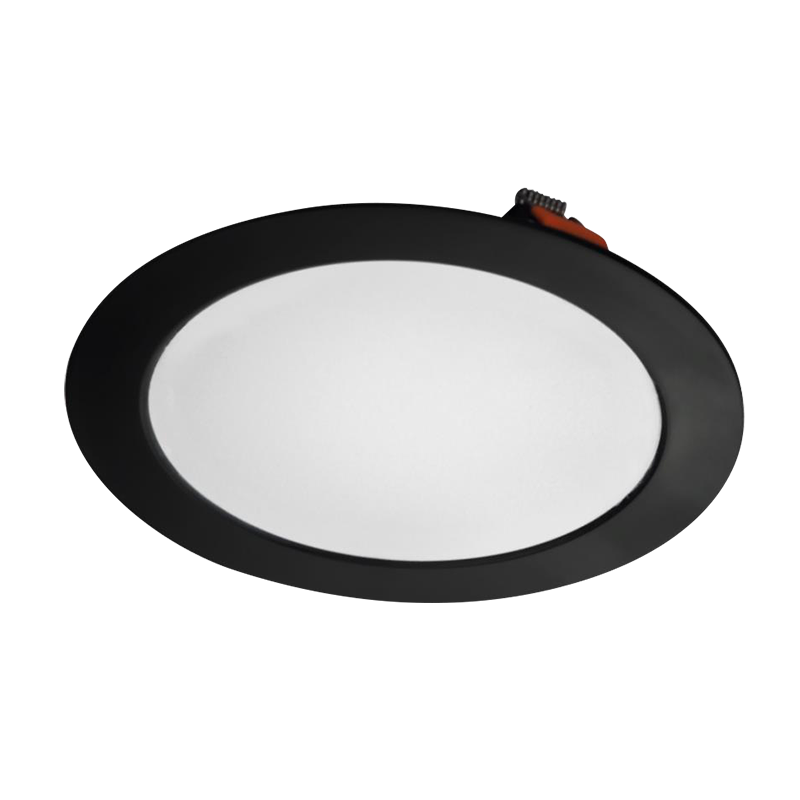
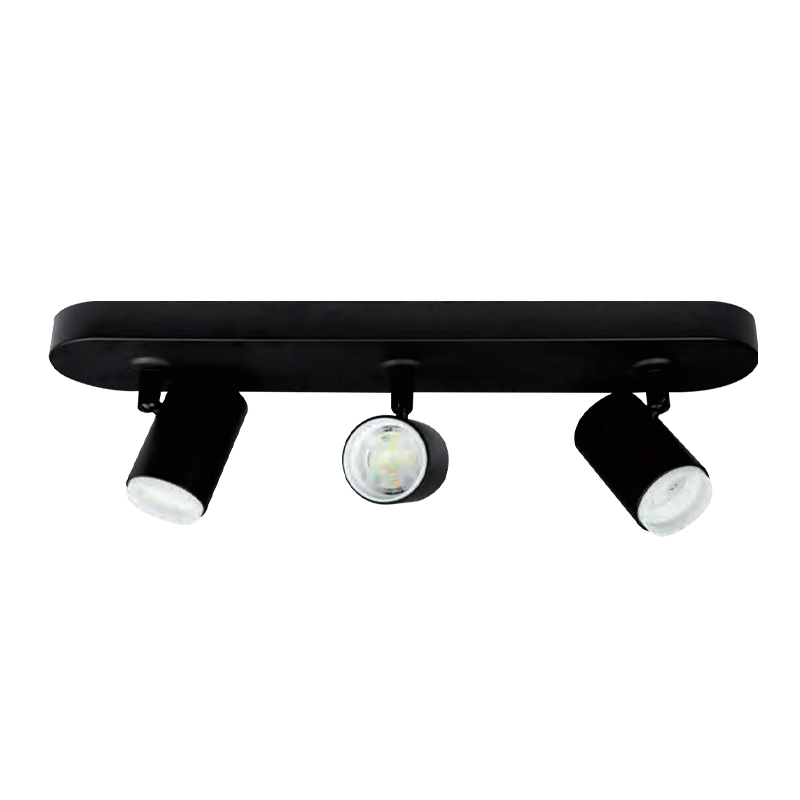
For industrial or modern minimalist decor, black ceiling lights have become a top choice for designers due to their strong visual contrast and texture. The black metal baking paint process is not only wear-resistant but also forms a clear visual focus on white or light-colored ceilings.
When purchasing modern ceiling lights, performance can be intuitively judged through parameter comparison. The following table lists performance data for common specifications:
| Technical Items | Basic LED Fixtures | Professional modern ceiling lights |
| Color Rendering Index (Ra) | 70 - 80 | 90 - 95+ |
| Luminous Efficacy (lm/W) | 80 - 100 | 120 - 140 |
| Power Factor (PF) | > 0.5 | > 0.9 |
| Driver Type | RC Step-down / Linear | Constant Current Isolated Driver |
| Flicker Metric | Visible Flicker | Flicker Free |
| Material | Standard Plastic | Aviation Aluminum + High Quality PC |
To ensure the long-term stable operation of fixtures like flush mount light, details during the installation process are crucial. First, the load-bearing structure of the ceiling must be verified to support the weight of the lamp; second, the wiring should be insulated with professional terminals to avoid local overheating caused by poor contact.
For the maintenance of modern ceiling lights, it is recommended to regularly clean the dust on the surface of the lampshade. Dust accumulation not only reduces light output efficiency but also affects heat dissipation, shortening the life of the LED chip. Choosing lamps with an IP50 rating or higher for dustproofing can effectively reduce the frequency of subsequent cleaning.
In practical applications, the coating quality of black ceiling lights determines its aesthetic value. High-quality electrostatic spraying processes can resist moisture erosion and prevent oxidation and paint peeling after long-term use. For living room ceiling lights, if they are dimmable, the brightness can be dynamically adjusted according to changes in daylight to achieve better energy-saving effects.
By professionally considering color rendering, luminous flux, heat dissipation structure, and spatial matching, users can accurately choose the lighting solution that suits them. Whether it is kitchen ceiling lights pursuing extreme brightness or LED Ceiling Light emphasizing atmosphere and decoration, technical parameters remain the core standard for measuring product value.



No.8, Ankang West Road, Zonghan Street, Cixi City, Zhejiang Province, P.R.China
0086-574-6320 0283
Copyright © Ningbo Longer Lighting Co., Ltd.
All Rights Reserved.
 Wholesale LED Lighting Fixtures Manufacturers

 Deutsch