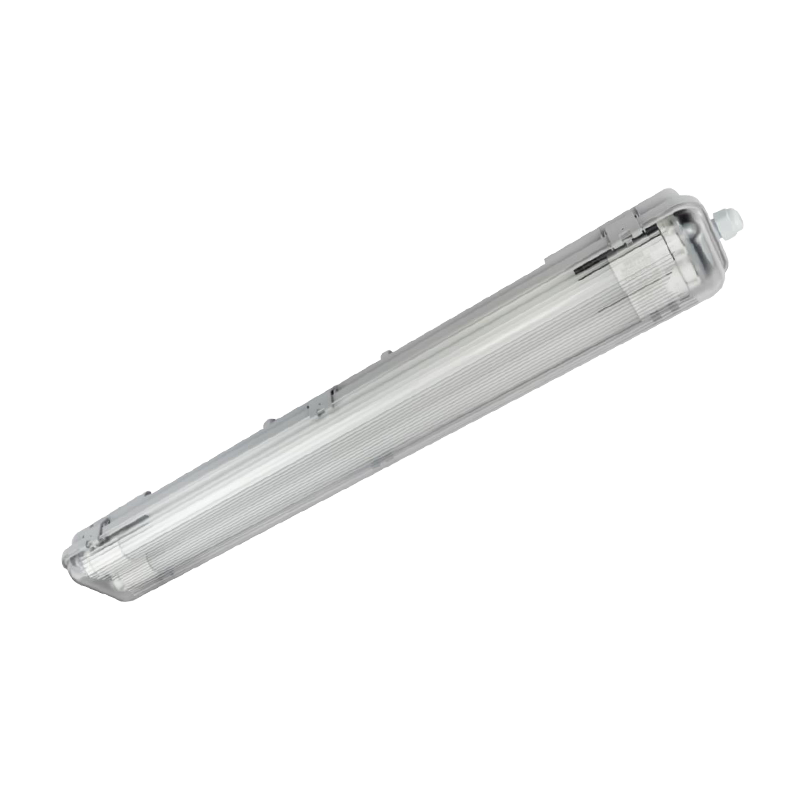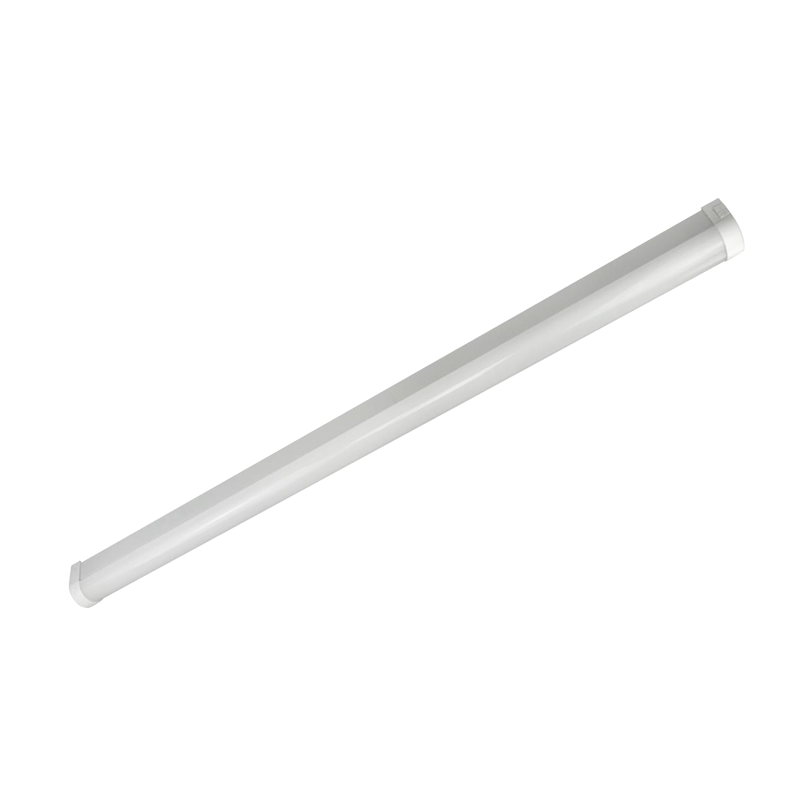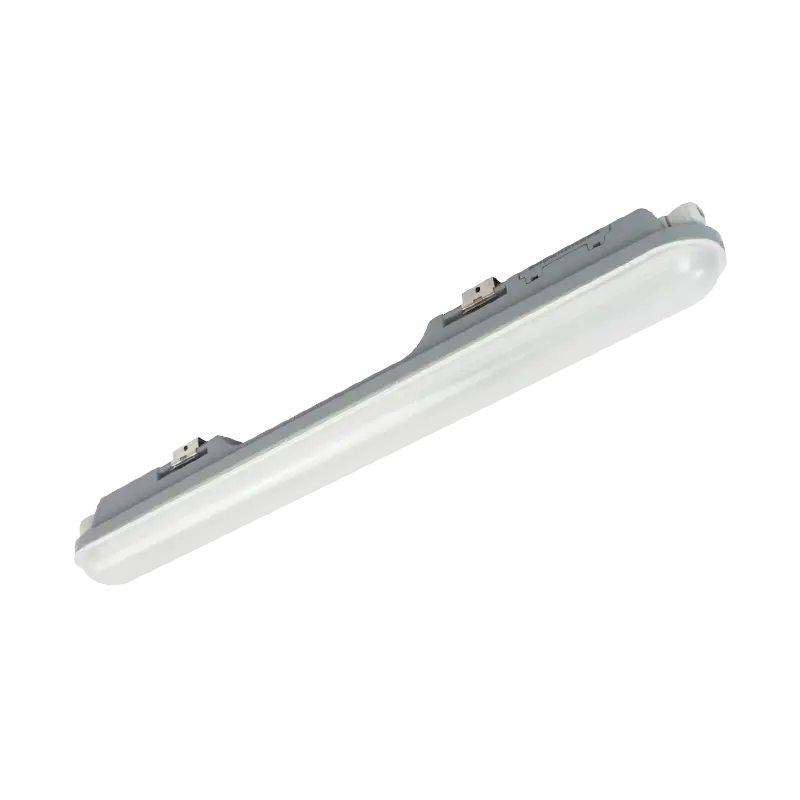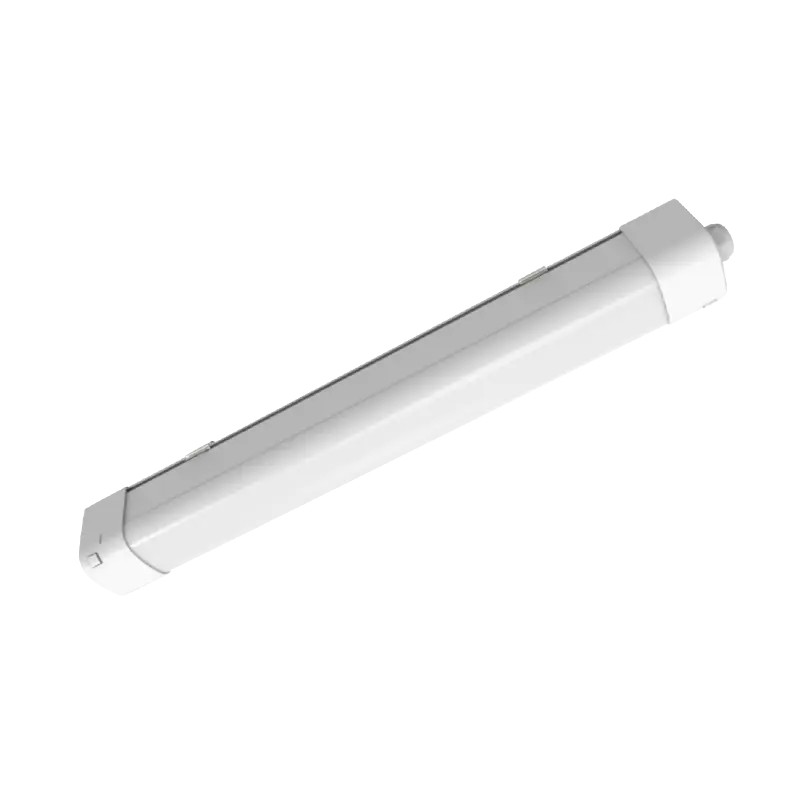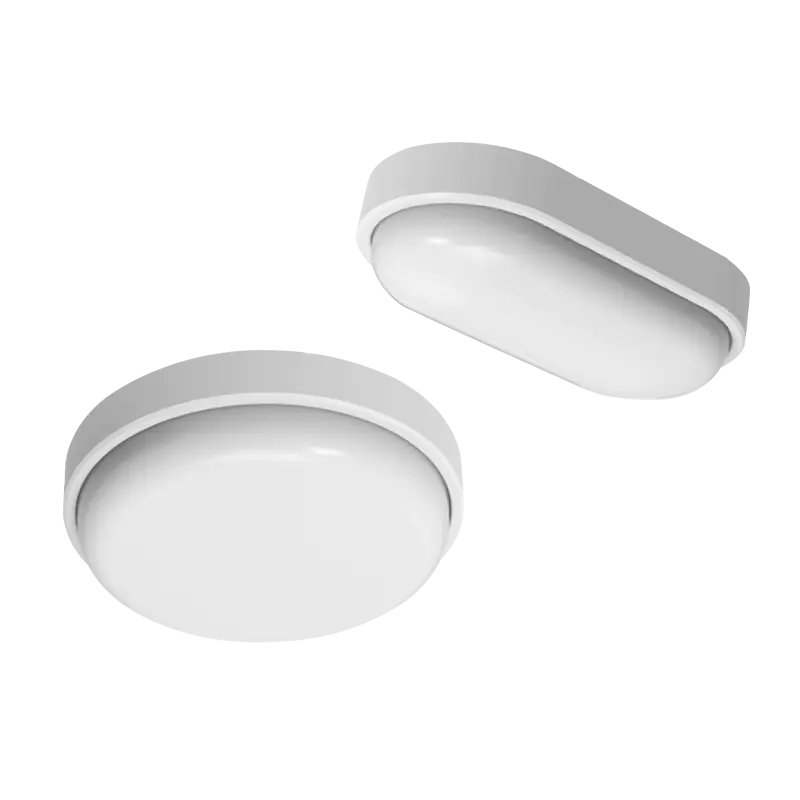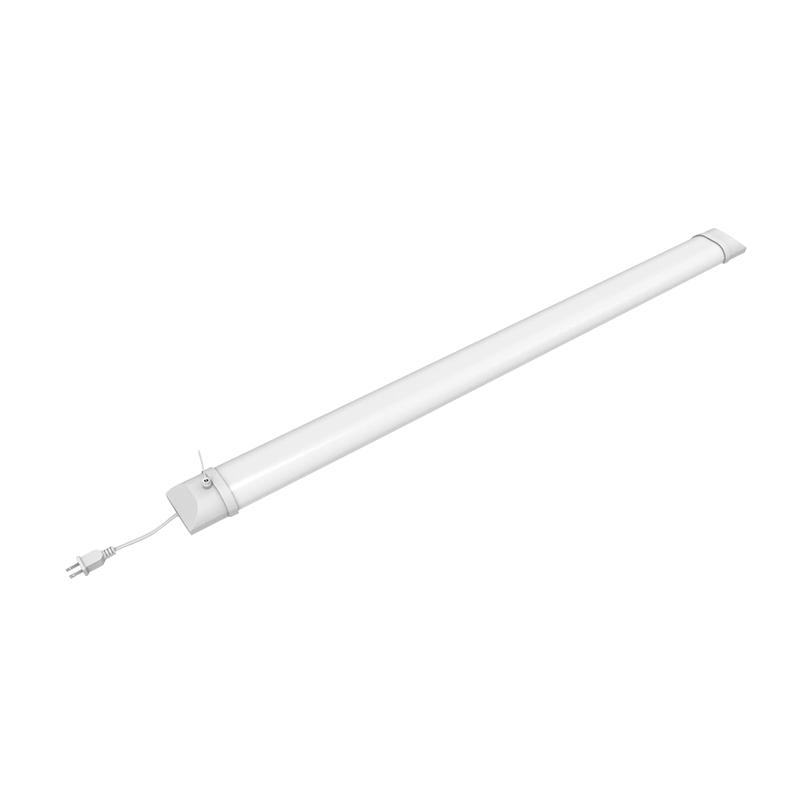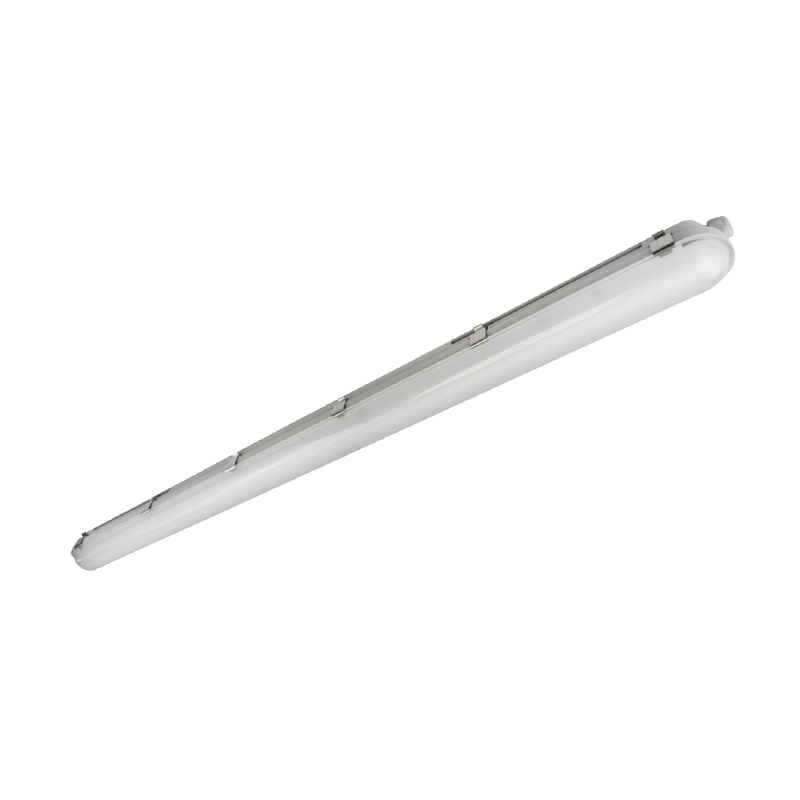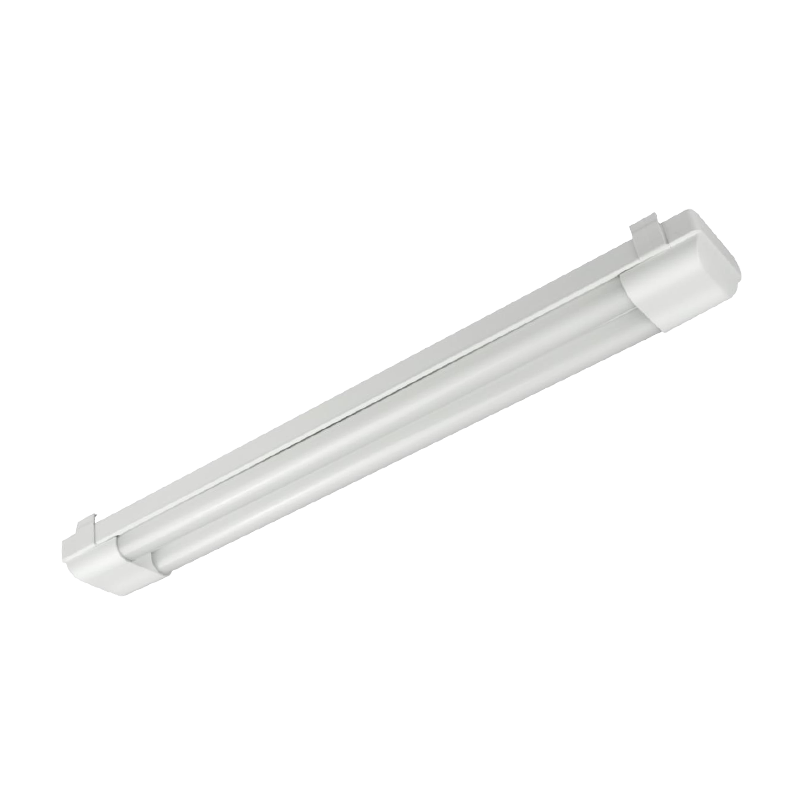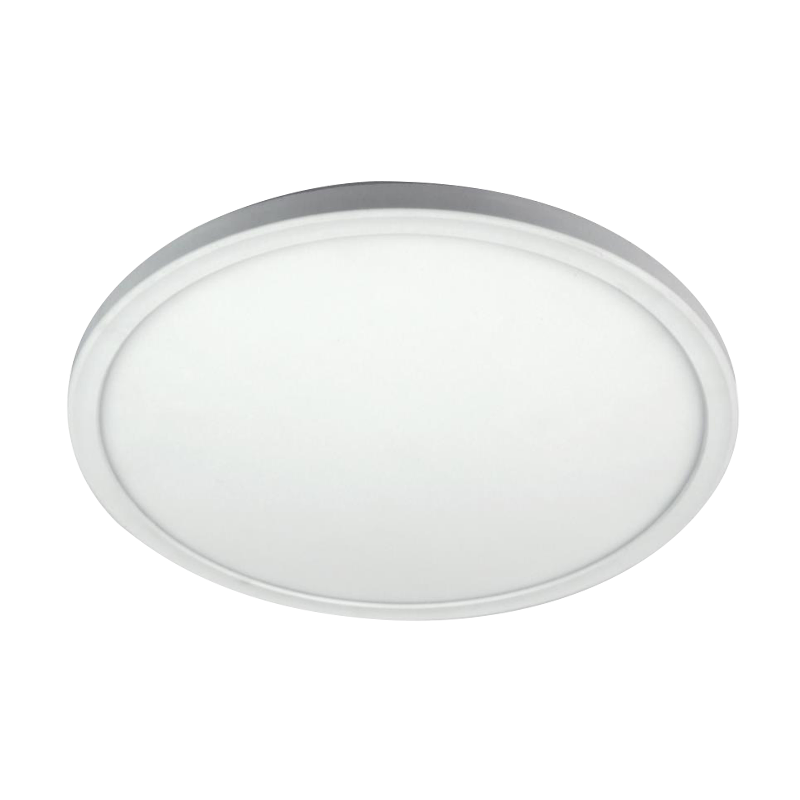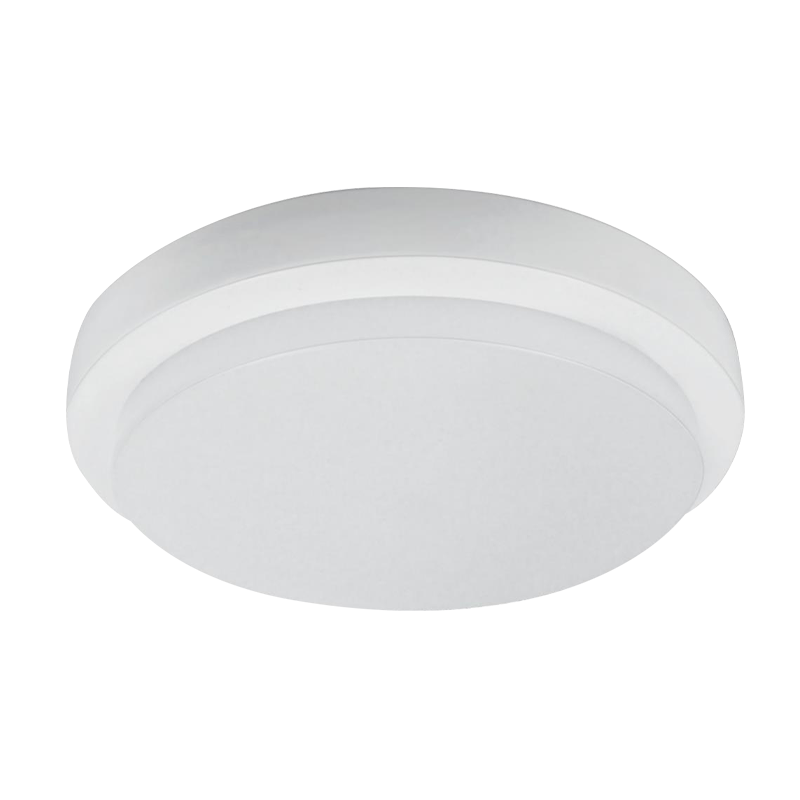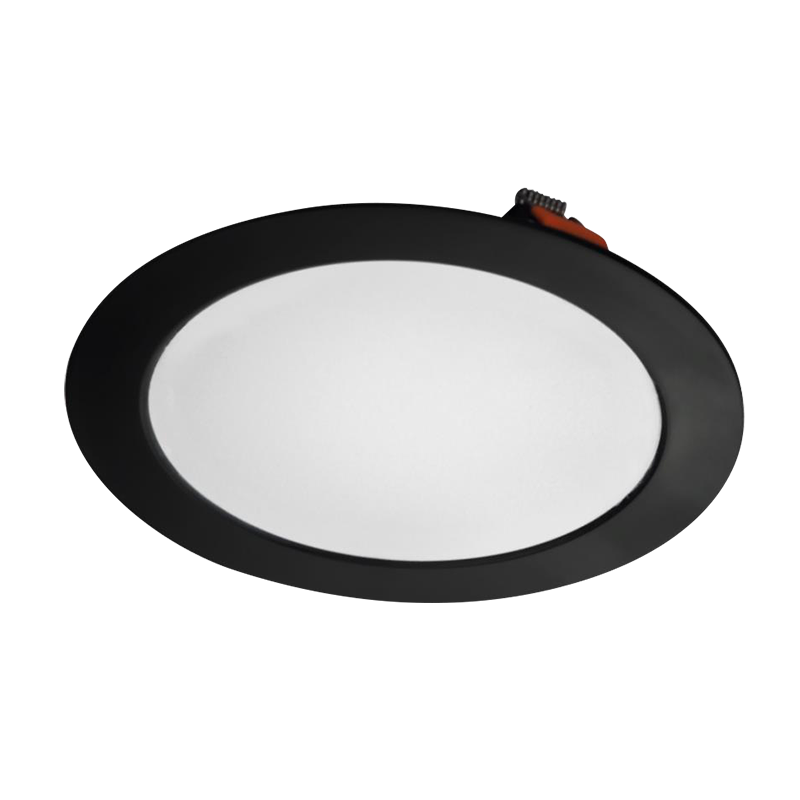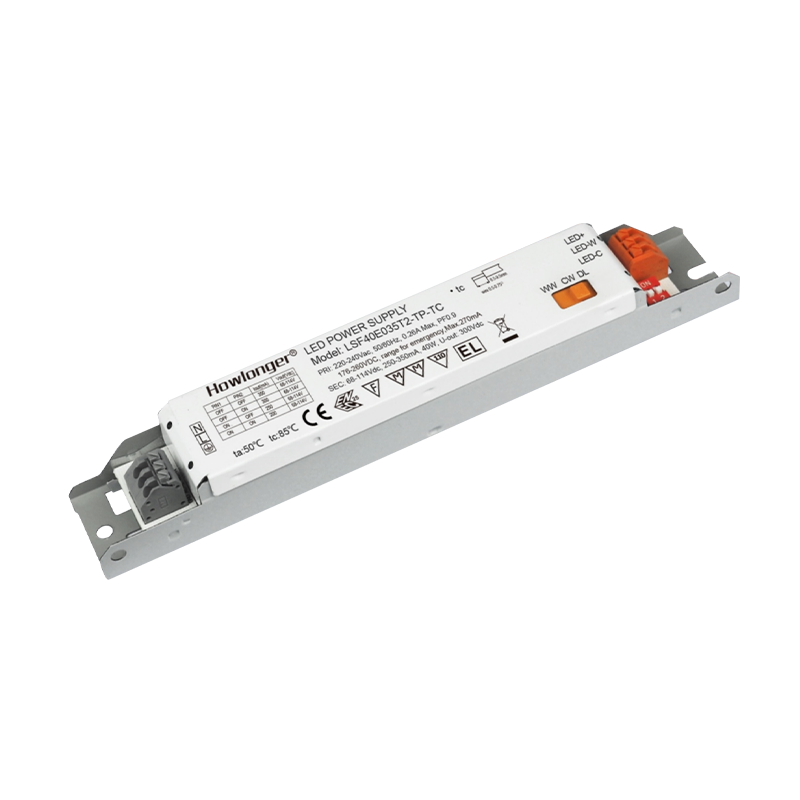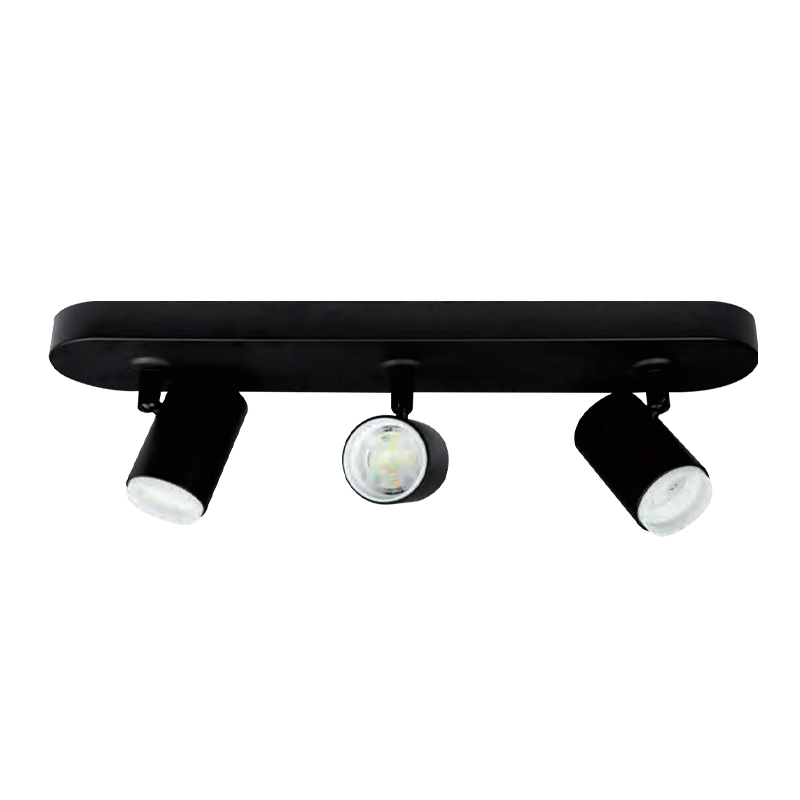


In modern industrial and architectural lighting design, the performance of a lighting system depends not only on the output quality of the light source but also on its long-term stability and weather resistance in complex environments. Whether for large-span spaces or precision-focused areas, a reasonable lighting configuration scheme is directly related to operational efficiency and maintenance costs.
When building an effective outdoor lighting system, the first task is to clarify the impact of luminous flux, light distribution curves, and color temperature on space perception. The core of a high-quality led lighting scheme lies in precise optical control. Compared to traditional gas discharge lamps, advanced solid-state lighting technology features instant startup and stable lumen maintenance control.
During system planning, it is essential to prioritize light distribution design to ensure that light is accurately projected into the target area rather than scattered meaninglessly. To reduce visual interference and improve contrast, Full Cutoff light fixtures should be preferred to minimize glare pollution and useless light spill by precisely controlling the light beam cross-section.
The extremity of outdoor environments requires that outdoor light fixtures possess extremely high physical stability. The core standard for evaluating the weather resistance of a luminaire lies in its ingress protection (IP) rating and the corrosion resistance of its materials.
During the selection process, the following technical parameters should be prioritized:
| Technical Indicator | Industrial Environment Standard | Architectural Decoration Environment Standard |
| Ingress Protection (IP) Rating | IP66 or IP67 | IP65 |
| Material Requirements | Die-cast aluminum, heavy-duty steel | Weather-resistant stainless steel, surface coating treatment |
| UV Resistance Index | Strict (for long-term outdoor exposure) | High (for building facades) |
| Weather-resistant Coating | Corrosion, acid, and salt spray resistant coating | Anti-UV powder coating |
For outdoor spaces, ambient humidity and thermal shock are the main causes of premature luminaire failure. Luminaires lacking effective sealing designs are prone to moisture ingress due to thermal expansion and contraction, which can lead to internal circuit short circuits.
According to different application scenarios, lighting selection requires professional zoning treatment.
Installation points for outdoor wall lights: When installed on walls, the luminaires should maintain a certain height from the ground to provide uniform wall-washing effects or localized illuminance. In windy or humid areas, it is mandatory to use luminaires with deep sealing rings and ensure that the waterproof sealing grade between the junction box and the wall meets standard requirements.
Semi-outdoor application of pendant lights: In semi-sheltered spaces such as pergolas or under eaves, although luminaires are not subject to direct rain, they are susceptible to high humidity erosion. In this case, a Wet Rated protection level is still the safest choice to ensure that salt or condensation in the air does not enter the driver unit.
Functional auxiliary lighting: For key passageways and entrances, the choice of outdoor lights should maintain a proportional harmony with the architectural style. For instance, the height of wall-mounted luminaires is generally recommended to be set at one-fourth to one-third of the door height to achieve visual balance and optimal overlap of the illumination range.
From the perspective of long-term operations, reducing replacement frequency is key to improving the system's cost-effectiveness. When selecting hardware, priority should be given to thermal structure design. The LED driver unit is the most fragile component in the entire system; high-quality luminaires must be equipped with independent heat sinks or high-thermal-conductivity backplates to ensure that the driver temperature remains within the operating threshold.
Furthermore, the ease of maintenance of the luminaires is an indicator that cannot be ignored in professional selection. Good design should support the modular replacement of optical lenses or driver modules without compromising the overall waterproof structure. Through reasonable layout design and intelligent sub-control strategies such as light sensing or dynamic dimming, not only can the energy-saving level of the lighting system be effectively improved, but the power load pressure can also be greatly reduced while meeting specific illuminance requirements.



No.8, Ankang West Road, Zonghan Street, Cixi City, Zhejiang Province, P.R.China
0086-574-6320 0283
Copyright © Ningbo Longer Lighting Co., Ltd.
All Rights Reserved.
 Wholesale LED Lighting Fixtures Manufacturers

 Deutsch