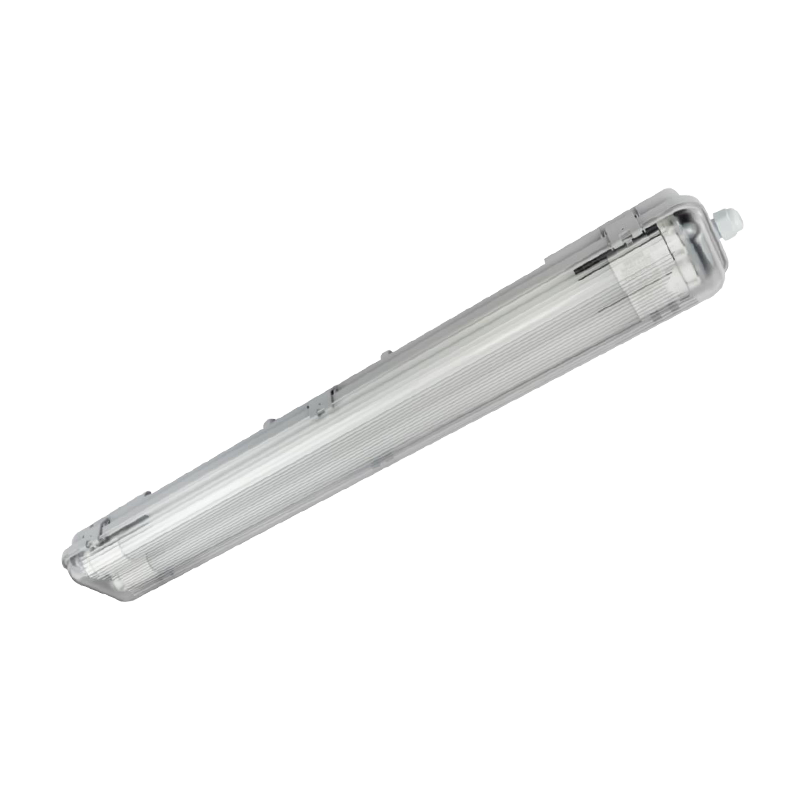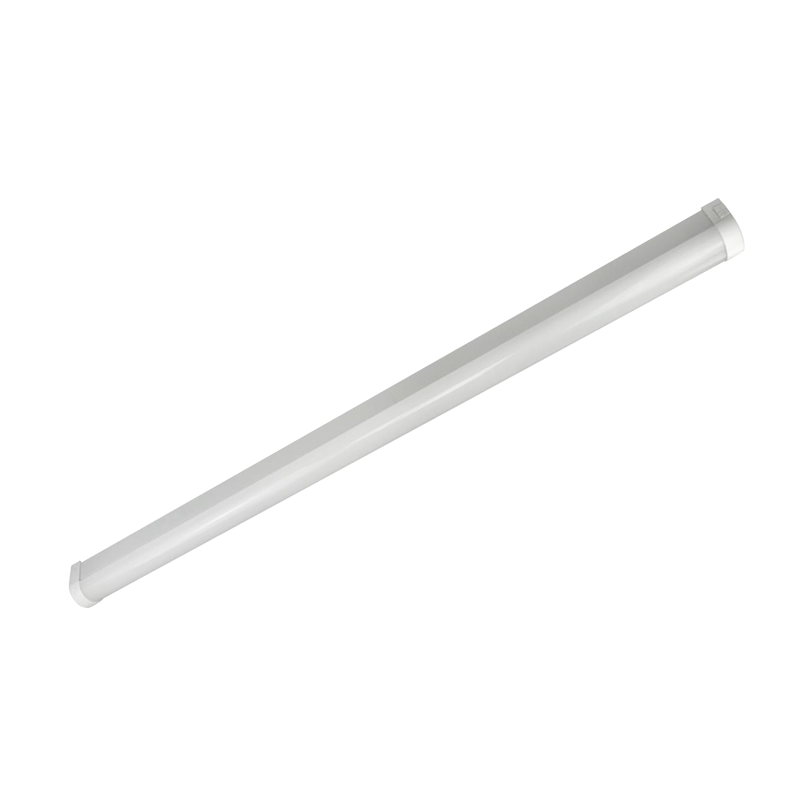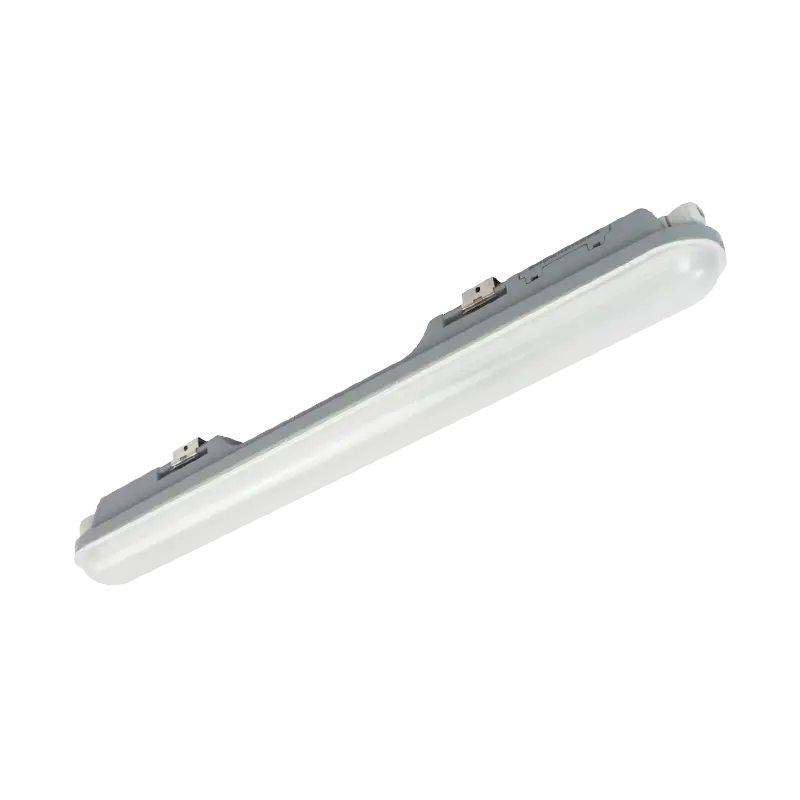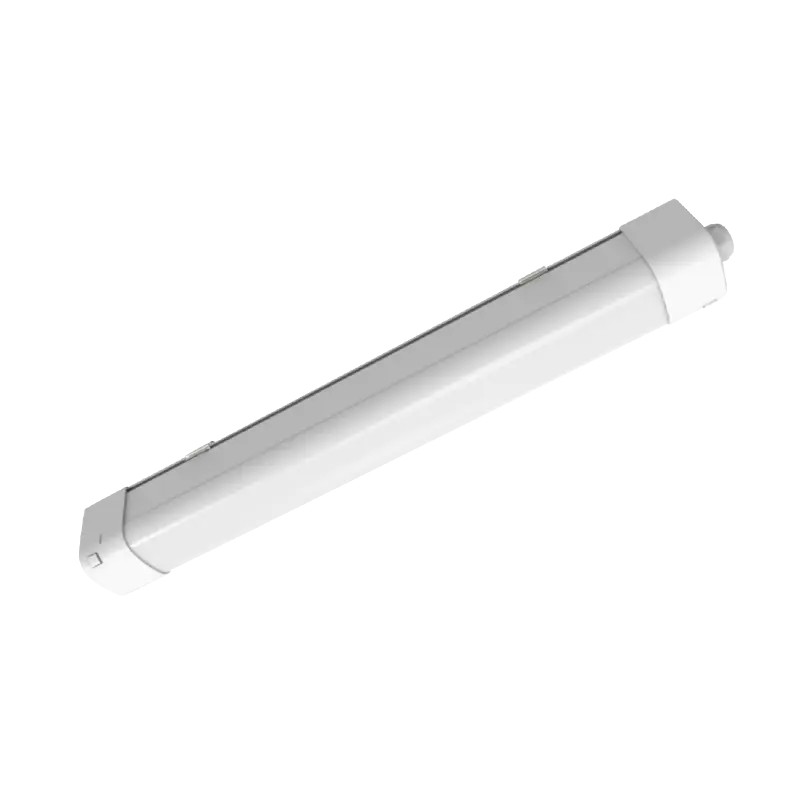


Lighting is the soul of architectural space design. With technological advancements, the selection of lighting systems has evolved from purely functional illumination into a comprehensive engineering discipline that integrates energy efficiency, aesthetics, and intelligent management. A deep understanding of the characteristics of various lighting fixtures and their application scenarios is the key to creating a high-quality light environment.
In modern lighting architectures, LED lighting has become the absolute mainstream. Compared to traditional light sources, its core advantages lie in high luminous efficacy, long lifespan, and extremely low thermal radiation. When selecting light sources, the core parameters to focus on include Correlated Color Temperature (CCT), Color Rendering Index (CRI), and luminous flux.
| Technical Parameters | LED lighting Performance | Traditional Light Source Performance |
| Luminous Efficacy (lm/W) | 100-150 | 15-60 |
| Average Lifespan (hours) | 50,000+ | 1,000-10,000 |
| Color Rendering Index (CRI) | 90-98 | 70-85 |
| Heat Release | Extremely Low | Extremely High |
Adopting solutions with high color rendering (CRI > 95) can more authentically restore the original colors of materials, which is crucial for high-end commercial and residential spaces.
Spatial lighting needs to follow the principle of "layering," creating depth through combinations of different types of lighting fixtures.
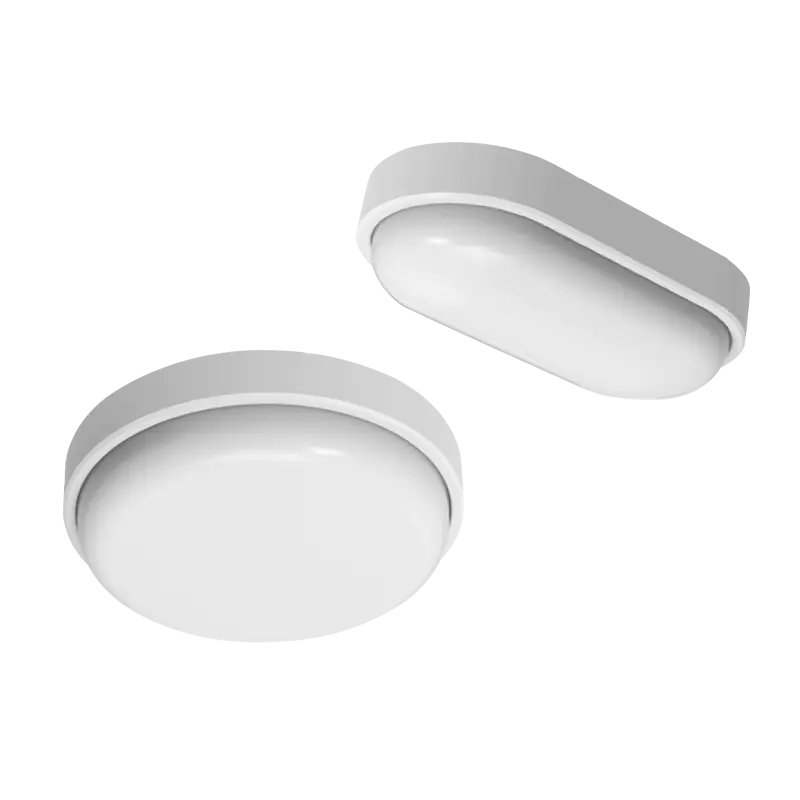
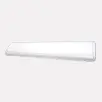
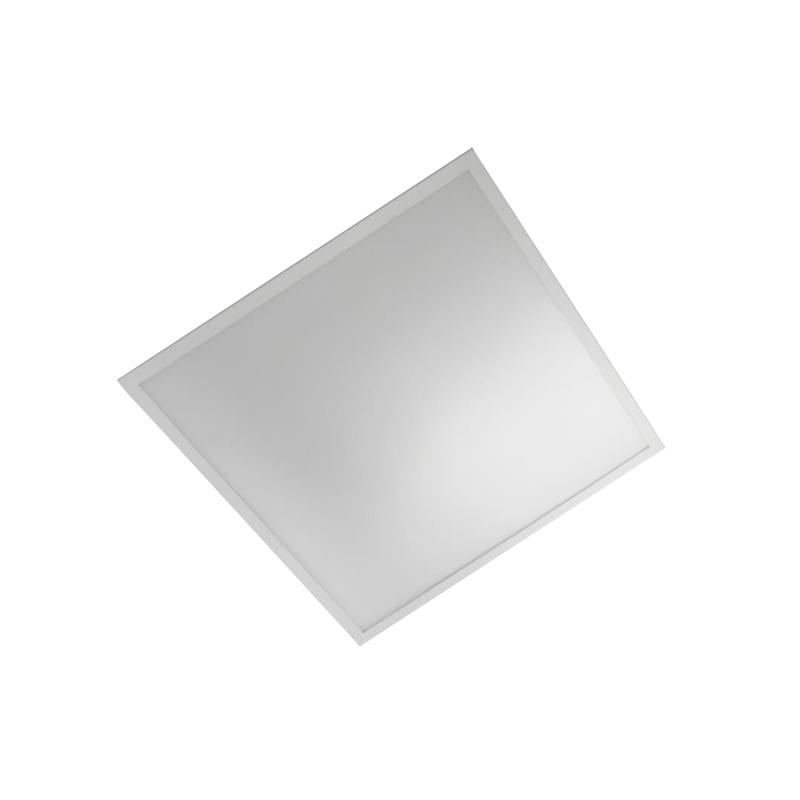
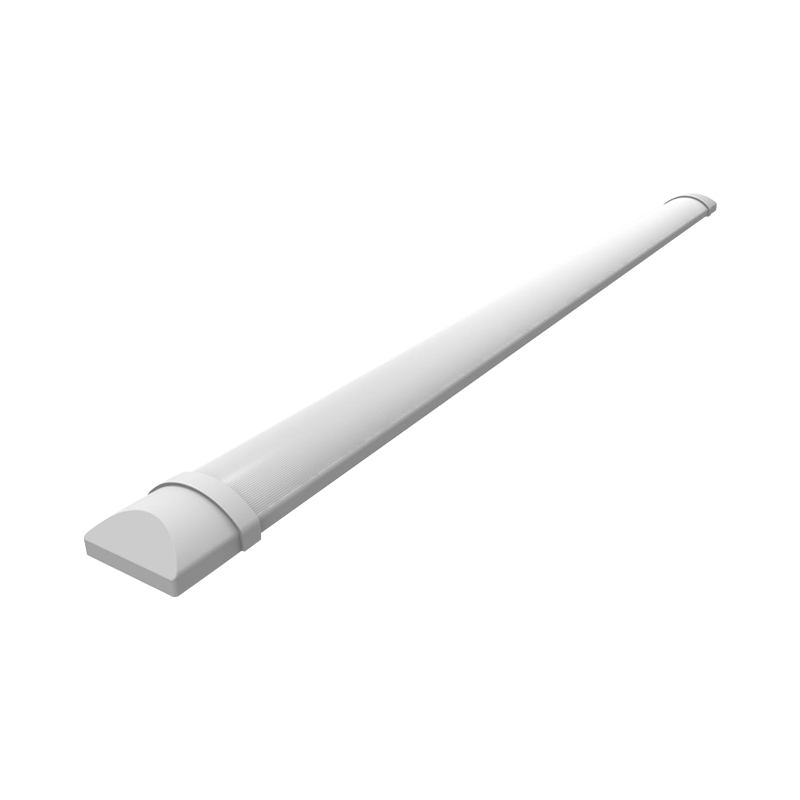
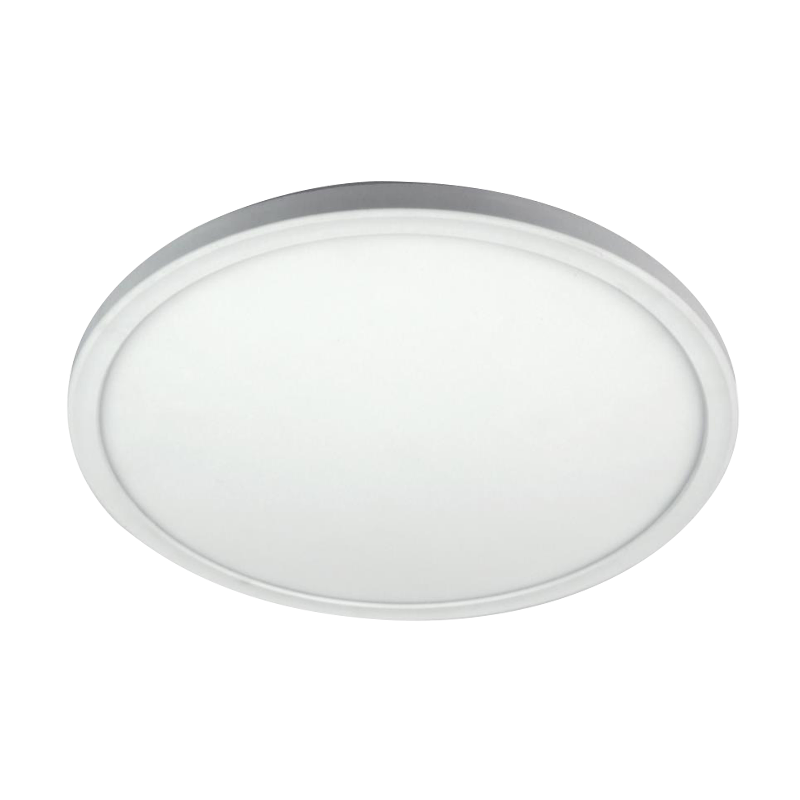
ceiling lights: As the foundation lighting for a space, their design should focus on light uniformity and anti-glare design. Modern recessed or surface-mounted designs, through the principle of diffuse reflection, can effectively reduce the sense of spatial oppression.
pendant lights: Usually serve as visual focal points or functional supplementary lighting (such as over dining tables or kitchen islands). When selecting, consider the shielding angle of the fixture to ensure the light source does not directly irritate the eyes.
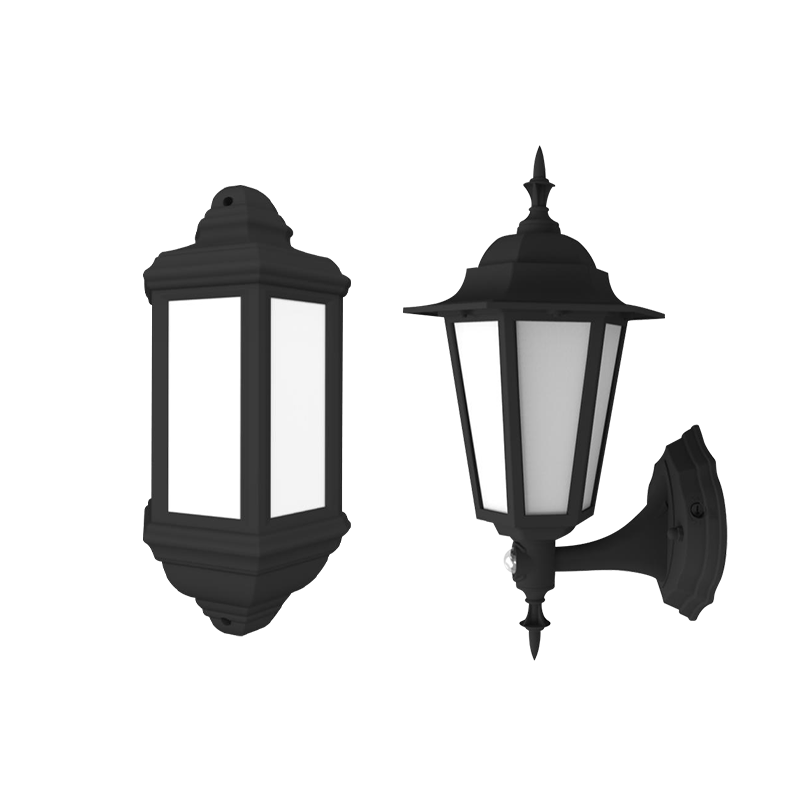
wall lights: Primarily used for wall-washing effects or ambient supplementary lighting, these can change the visual boundary of a space by adjusting the wall brightness.
Reasonable application of these light fixtures allows for the free switching of scenes through dimming systems according to the functional requirements of different areas.
The introduction of smart lighting is essentially a restructuring of lighting logic. It is no longer just the automation of switches, but dynamic adjustment based on the human circadian rhythm.
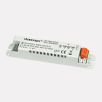
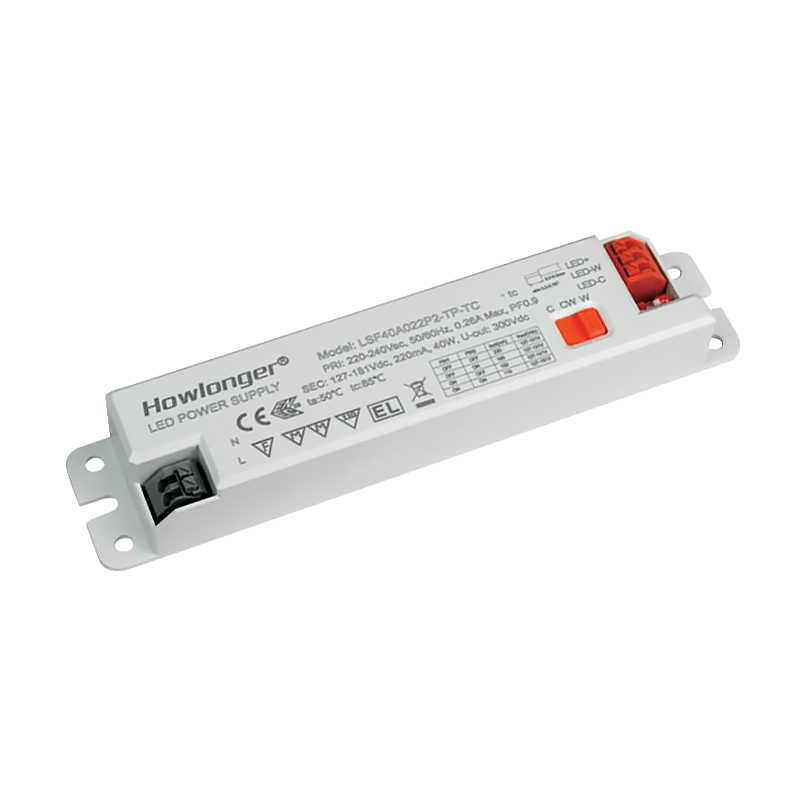
Through bus protocols or wireless control systems, environmental sensors can be linked with lighting terminals. For example, during the day when natural light is abundant, the system automatically reduces indoor brightness to save energy; at night, it automatically switches to a low color temperature mode to promote melatonin secretion and improve rest quality. The prerequisite for achieving this is that the lighting fixture driver must have good dimming linearity to avoid flickering at low brightness levels.
The light environment outside a building has a decisive impact on the overall atmosphere. The selection of outdoor lights must follow stringent ingress protection standards.
When designing landscape lighting, the focus is on "seeing the light, not the lamp." Through precise light control technology, light sources are hidden behind vegetation or architectural structures. For courtyard paths or landscape trees, choose fixtures with narrower beam angles for accent lighting, while for open areas, use floodlights with wide coverage for supplementary lighting.
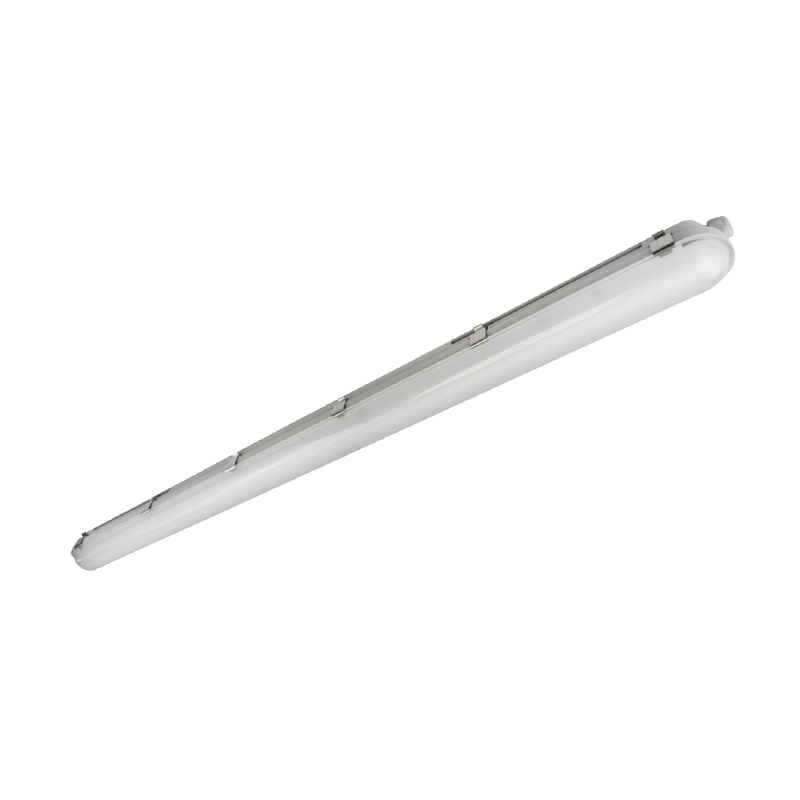
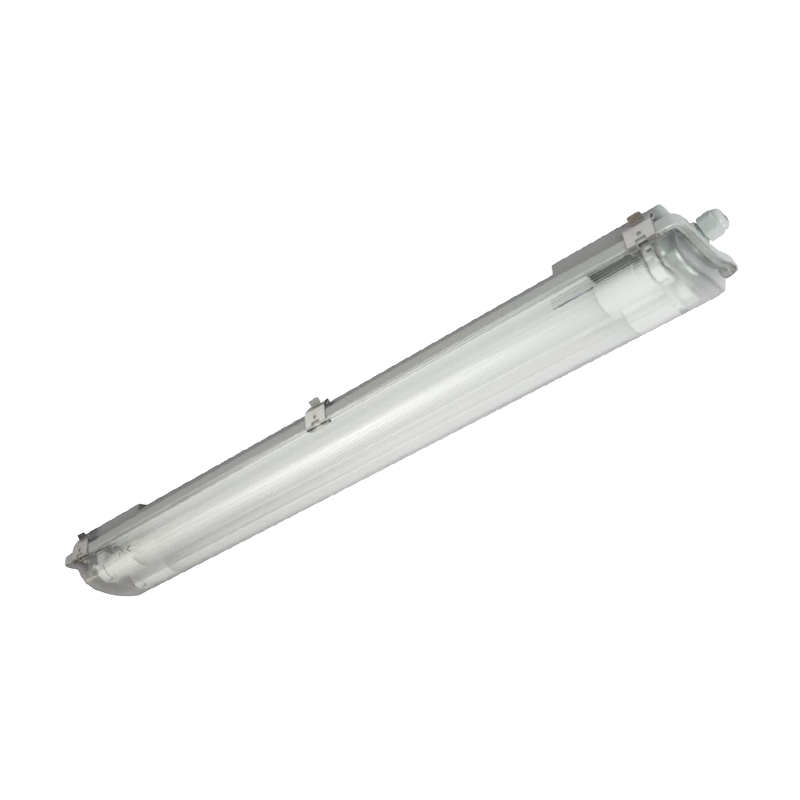
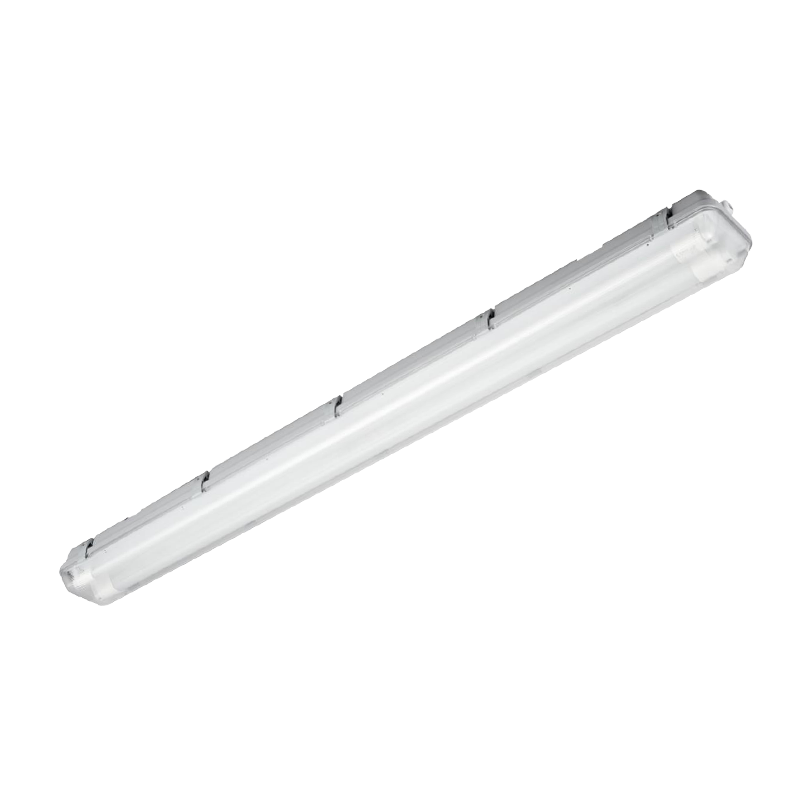
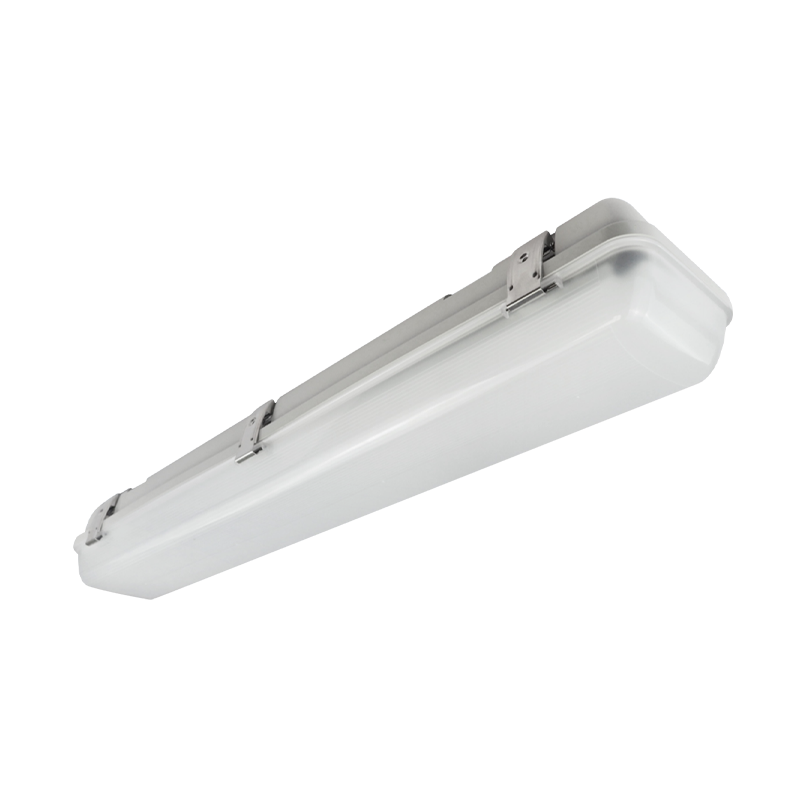
In outdoor environments, corrosion-resistant materials (such as high-grade stainless steel or UV-resistant composite materials) and sealing ratings (IP65 or above) are the foundation for ensuring the stable operation of the system. Reasonable lighting planning not only extends the sense of indoor space but also constructs a highly layered architectural landscape at night.



No.8, Ankang West Road, Zonghan Street, Cixi City, Zhejiang Province, P.R.China
0086-574-6320 0283
Copyright © Ningbo Longer Lighting Co., Ltd.
All Rights Reserved.
 Wholesale LED Lighting Fixtures Manufacturers

 Deutsch