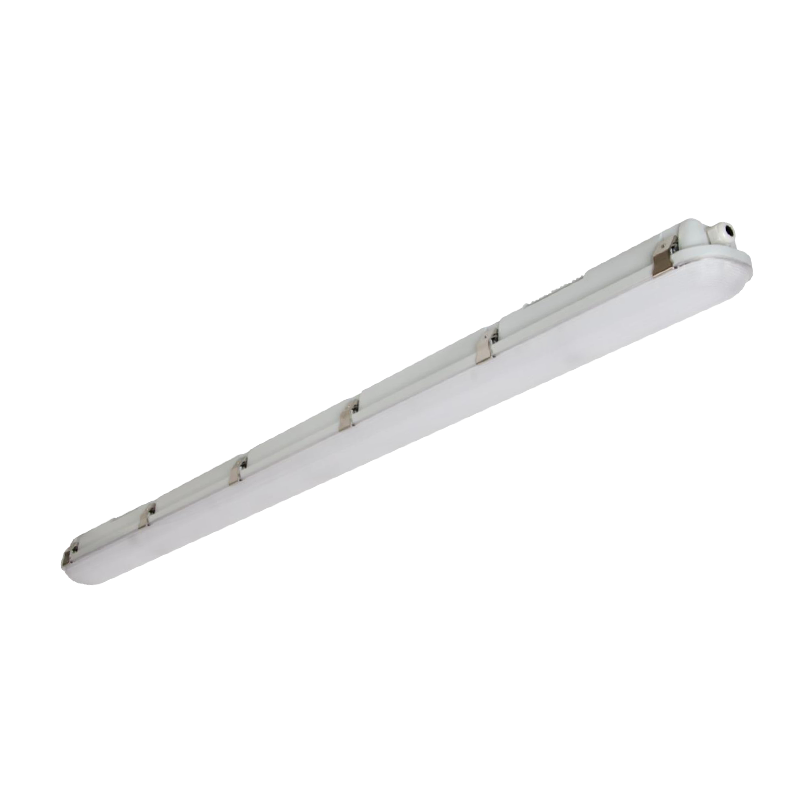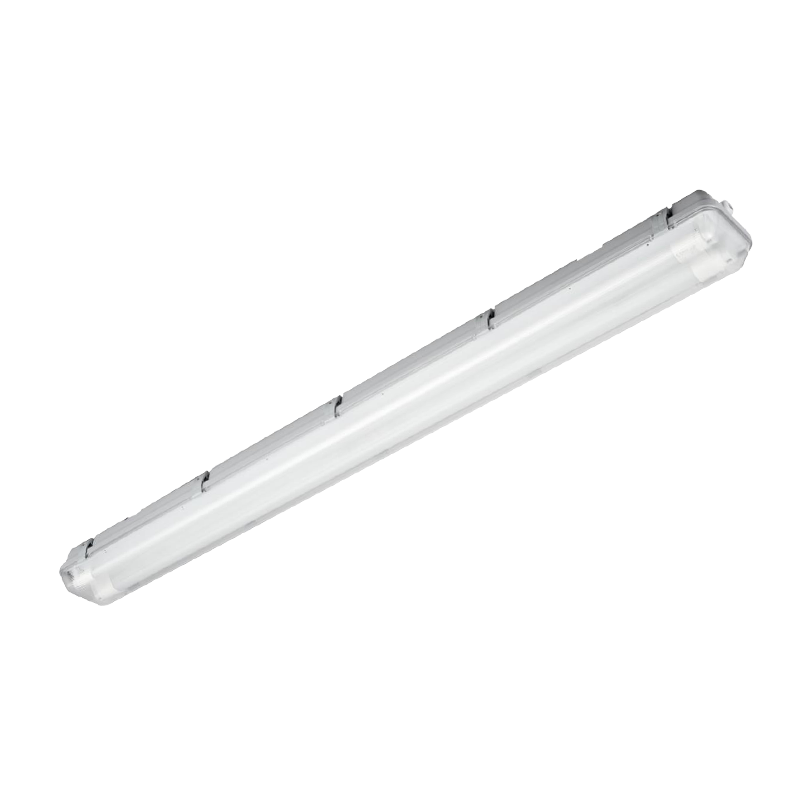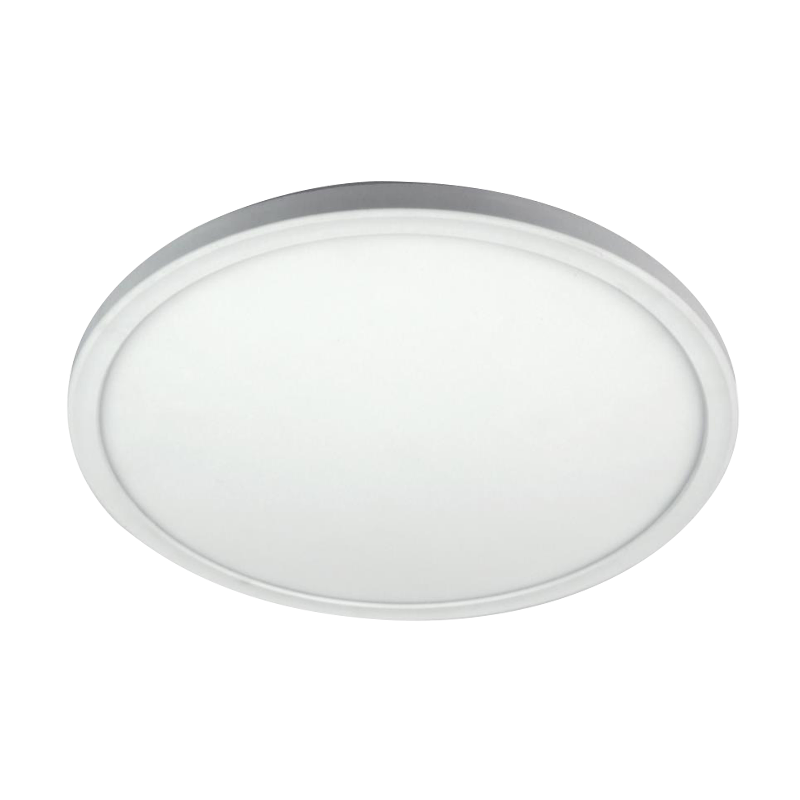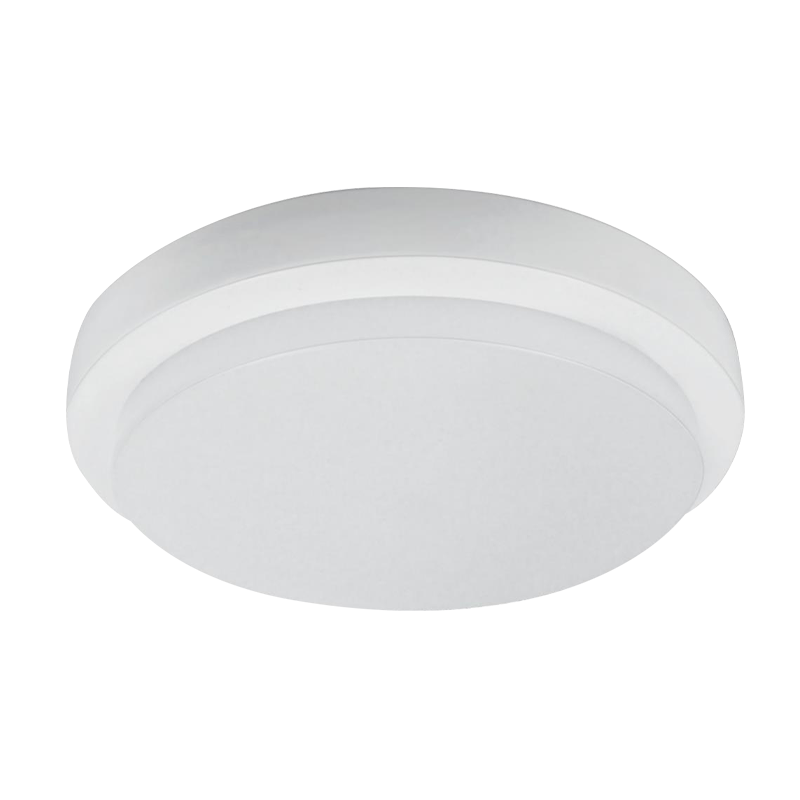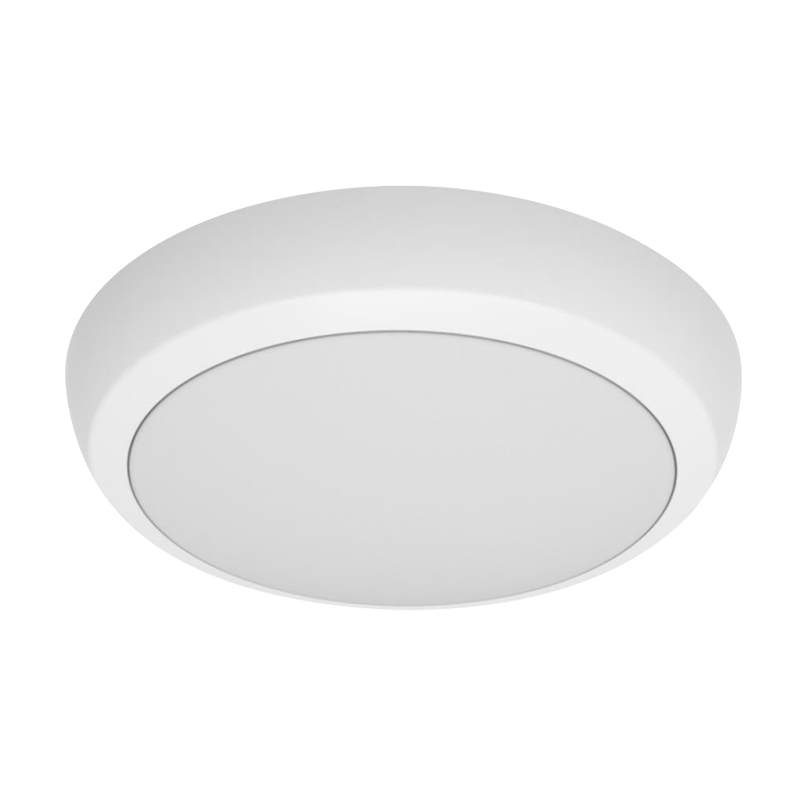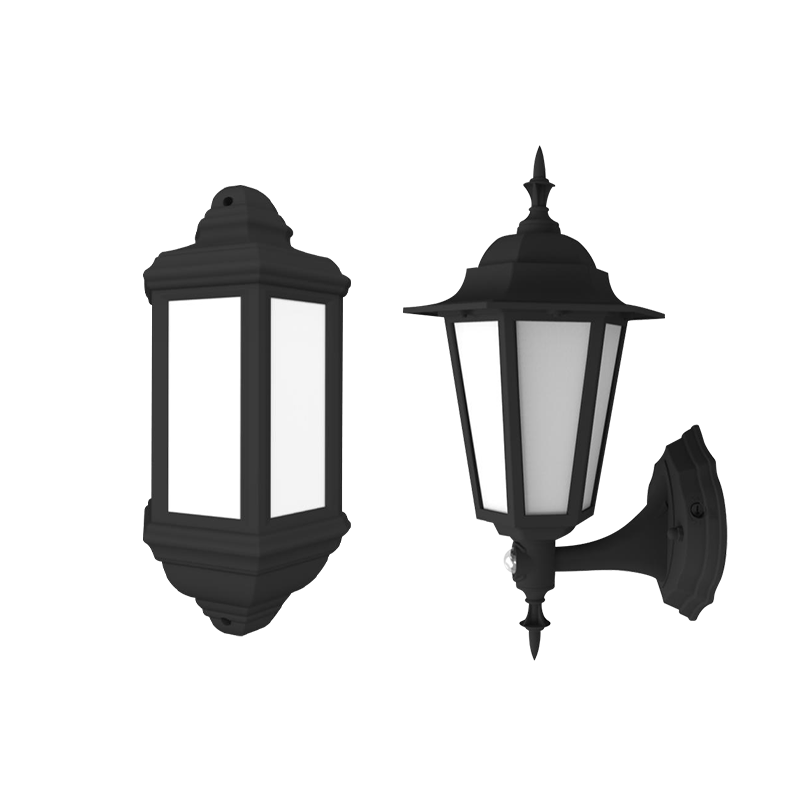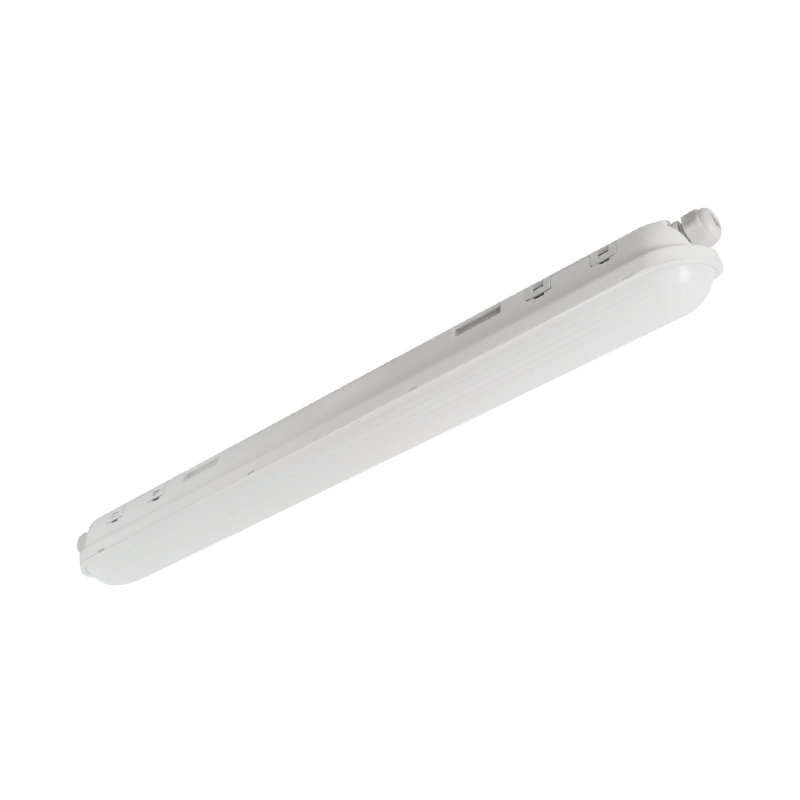


In the design and operation of modern large-scale commercial spaces, high-end office buildings, and precision manufacturing workshops, choosing an efficient, stable, and high-quality lighting solution is the key to enhancing space value and environmental comfort. As one of the core supporting facilities of buildings, indoor LED lighting not only carries the basic function of providing illumination, but also directly relates to energy consumption control, operational costs, and the visual health of personnel within the space. This article will analyze in depth how to build a high-standard indoor lighting system from three professional dimensions: core photoelectric parameters, structural heat dissipation, and light quality control.
When evaluating large-scale deployment of indoor LED lighting systems, luminous efficacy and Color Rendering Index (CRI) are two core indicators that most intuitively affect energy efficiency ratios and lighting quality. To clearly demonstrate the performance of different technical specifications in practical applications, the parameter comparisons of three common professional-grade chip configurations are listed below:
| Key Technical Indicators | Option A (High-Efficacy Chip) | Option B (High-CRI Full-Spectrum Chip) | Option C (Balanced General-Purpose Chip) |
| Input Voltage | AC 100-240V / 50-60Hz | AC 100-240V / 50-60Hz | AC 100-240V / 50-60Hz |
| System Efficacy | ≥ 140 lm/W | ≥ 110 lm/W | ≥ 125 lm/W |
| Color Rendering Index (CRI / Ra) | ≥ 80 | ≥ 95 (R9 > 90) | ≥ 90 |
| Color Consistency (SDCM) | ≤ 3 | ≤ 2 | ≤ 3 |
| Power Factor (PF) | ≥ 0.95 | ≥ 0.97 | ≥ 0.95 |
| Total Harmonic Distortion (THD) | < 10% | < 8% | < 12% |
As can be seen from the technical data, the high-efficacy option has significant advantages in reducing power consumption, and is suitable for areas such as corridors and public waiting areas where color restoration is secondary but lighting hours are extremely long. For design studios, high-end meeting rooms, and precision assembly lines, indoor LED lighting utilizing high-CRI full-spectrum chips provides a visual experience closer to natural daylight. Its extremely low color tolerance (SDCM ≤ 2) ensures that there is absolutely no visible color difference when installed on a large scale, effectively reducing the visual fatigue of space users and improving the overall texture of the space.
The reason why high-quality indoor LED lighting can maintain a nominal L70 lifespan exceeding 50,000 hours lies in its excellent internal heat dissipation channel design. LED chips convert most of the electrical energy into heat during operation. If the junction temperature is too high, it will not only lead to a rapid decline in luminous efficacy, but also accelerate the aging of the phosphor, causing severe color shifts and lumen depreciation issues.
Professional-grade indoor fixtures usually use aviation-grade aluminum (AL6063-T5) with high thermal conductivity as an integrated heat dissipation base. Through precisely calculated dissipation fin areas and air convection channels, the heat generated by the chip can be rapidly conducted to the outer shell. At the same time, matching aluminum substrates and thermal grease with high thermal conductivity (usually not less than 2.0 W/m·k) ensures that the thermal resistance is minimized. In terms of power supply selection, a split-type or physically isolated driver design is used to prevent the heat generated by the driver components from overlapping with the heat of the LED light source, thereby keeping the chip junction temperature within a safe limit during continuous, long-term operation of the entire indoor LED lighting system, fundamentally solving the hazards of illumination decline and flickering.
When applying indoor LED lighting over large areas, glare is the most direct pain point affecting indoor visual comfort. In order to meet the strict requirement of Unified Glare Rating (UGR) less than 19 in international general standards for offices and other locations, modern indoor luminaires adopt multiple technical means in optical control.
On one hand, through precisely calculated deep-recessed anti-glare structures or by adding a micro-prism diffuser, the refraction and reflection paths of light can be effectively altered, suppressing wide-angle light and eliminating dazzling rays that directly strike the eyes. On the other hand, the consistency control of Standard Deviation of Color Matching (SDCM) is an important index to test the quality of large batches of fixtures. In the process of production and selection, the MacAdam Ellipse sorting standard is strictly followed to ensure that all batches of products are within 3 steps (3 SDCM). This means that even if hundreds of indoor lamps are arranged continuously on a white wall or ceiling, the white tone presented is highly consistent, avoiding the cluttered visual experience caused by uneven color performance.
Through the precise control of the above key photoelectric parameters, the scientific design of the heat dissipation structure, and the application of optical anti-glare technology, the problems of degradation, color shifting, and visual discomfort in long-term operation of indoor lighting can be effectively solved, providing a durable, healthy, and low-energy high-standard indoor light environment for various modern spaces.



No.8, Ankang West Road, Zonghan Street, Cixi City, Zhejiang Province, P.R.China
0086-574-6320 0283
Copyright © Ningbo Longer Lighting Co., Ltd.
All Rights Reserved.
 Wholesale LED Lighting Fixtures Manufacturers

 Deutsch