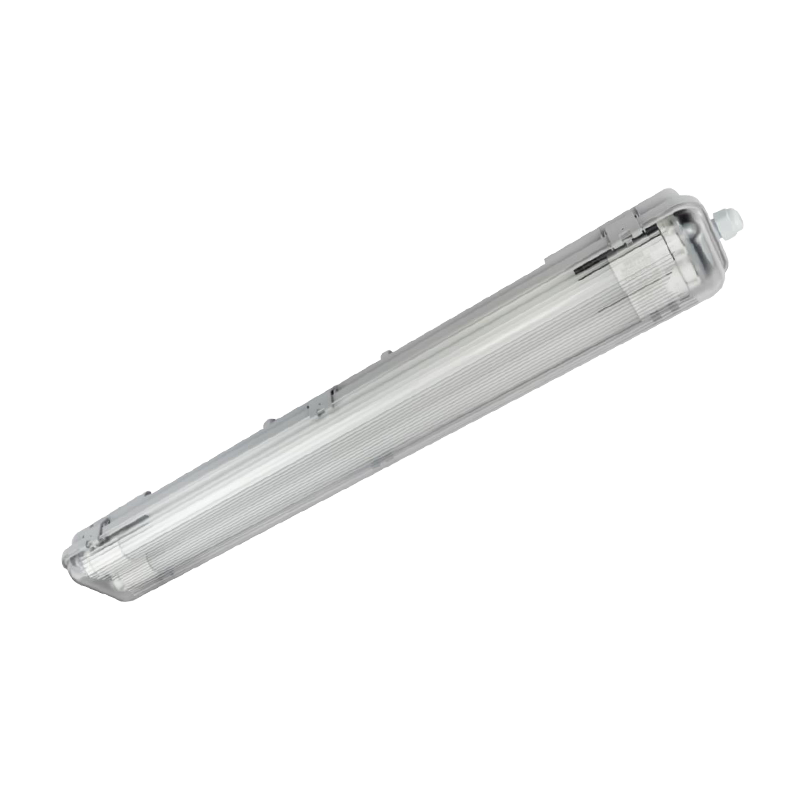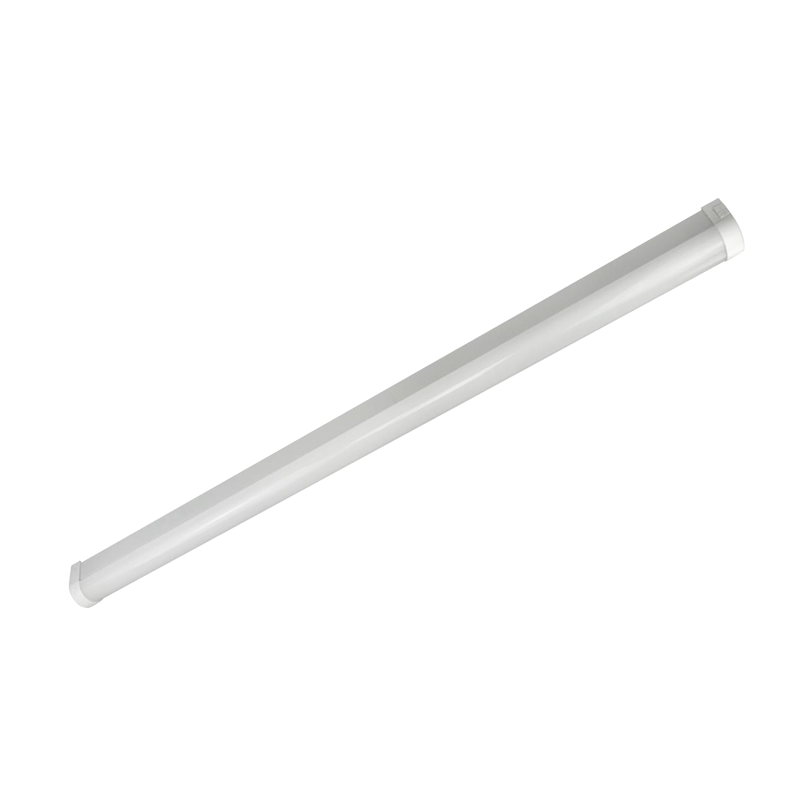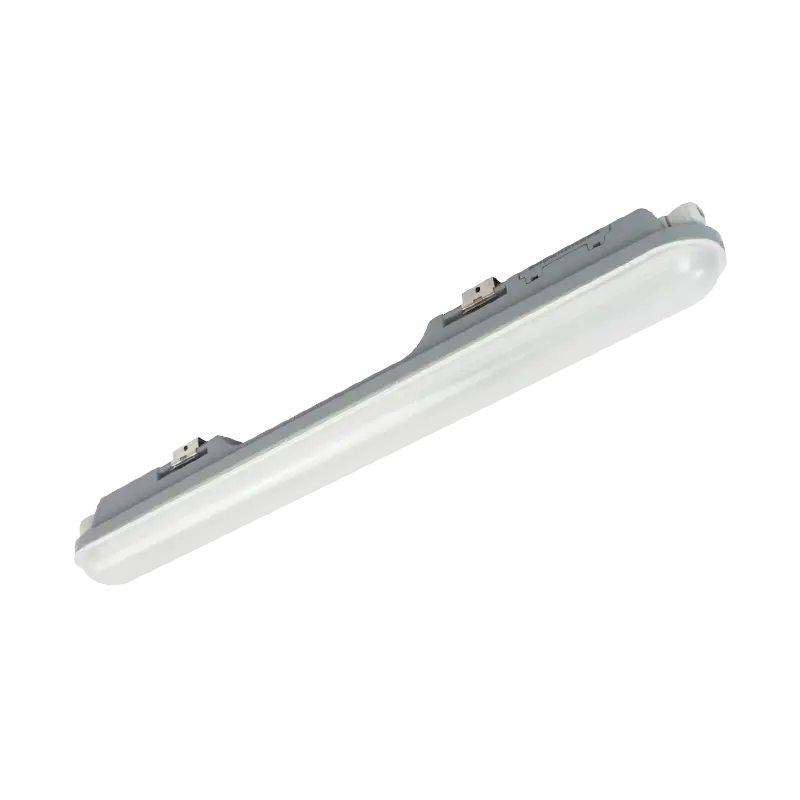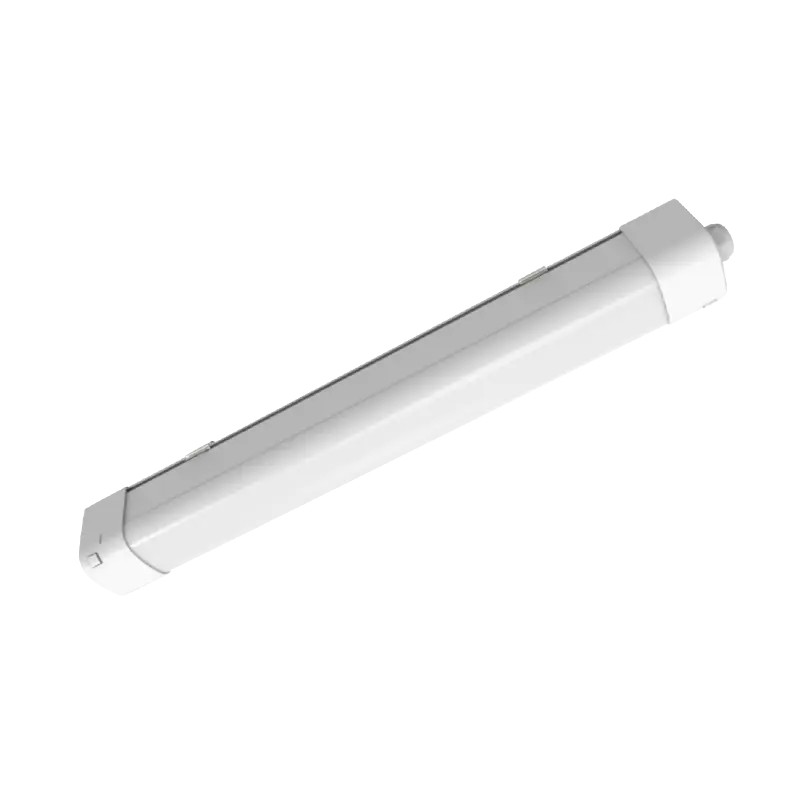


In the design of lighting solutions for modern industrial, warehouse, and outdoor public spaces, the selection of appropriate lighting equipment is crucial for operational efficiency, safety, and aesthetic environment. By systematically planning light fixtures for different application scenarios, one can significantly improve space functionality and optimize overall light output. This article explores the selection criteria and core performance parameters of various lighting equipment from a professional technical perspective.
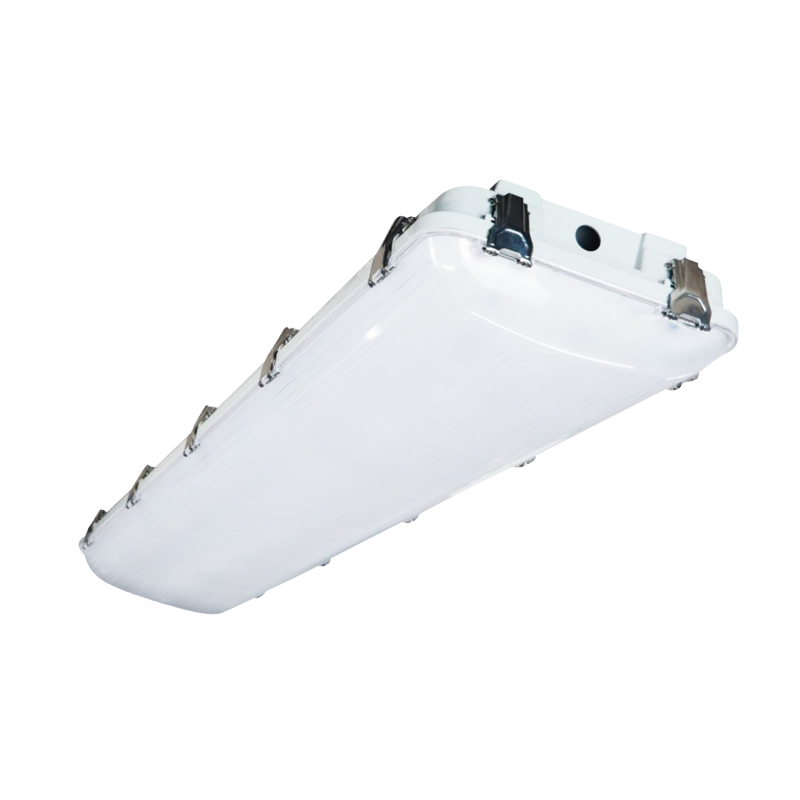
For high-ceiling environments such as factory workshops and large warehouses, high bay led lights are the core lighting solution. Compared to traditional HID or fluorescent lamps, LED systems possess higher luminous efficacy and longer service lives.
When planning indoor lighting layouts, it is necessary to focus on the following technical parameters:
Luminous Flux Output: The core metric for measuring total brightness. High-ceiling environments require calculations based on installation height to ensure the work plane achieves the required illumination levels.
Beam Angle: High-ceiling environments usually employ 60° to 90° narrow beams to ensure light is projected vertically to the work plane; low to medium spaces use 120° wide angles to achieve uniform coverage.
Color Rendering Index: For precision manufacturing, textile inspection, or color-matching operations, it is recommended to use CRI 90+ to provide precise color reproduction; conventional warehouse operations only require CRI 80+.
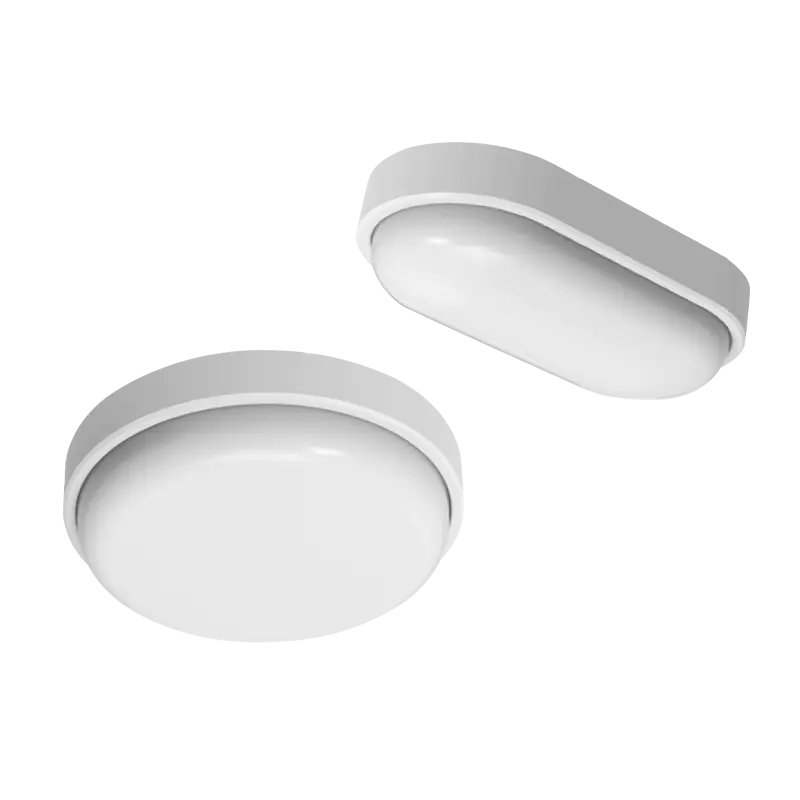
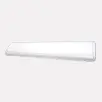
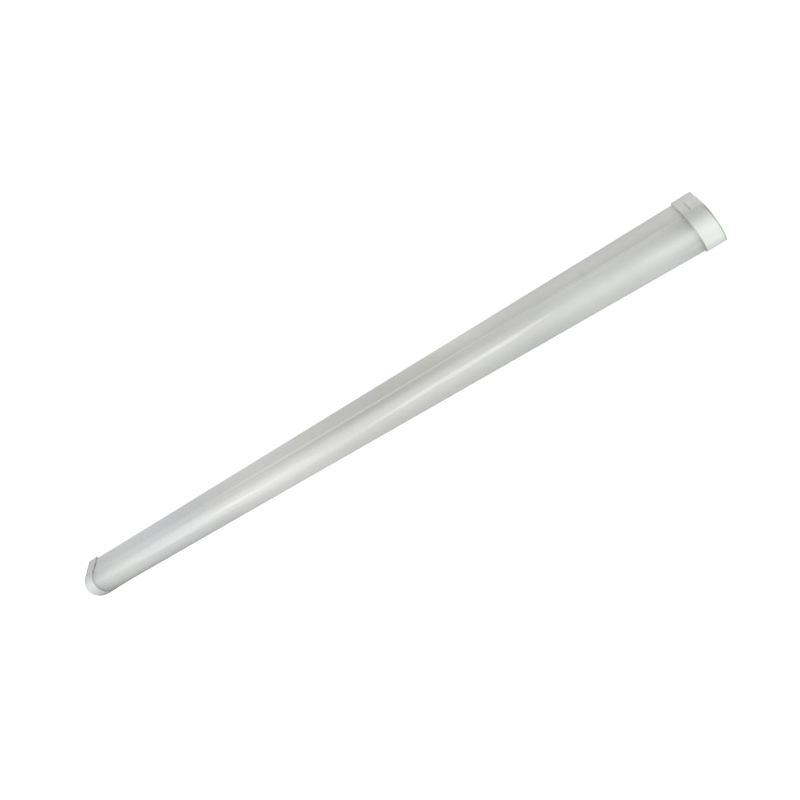
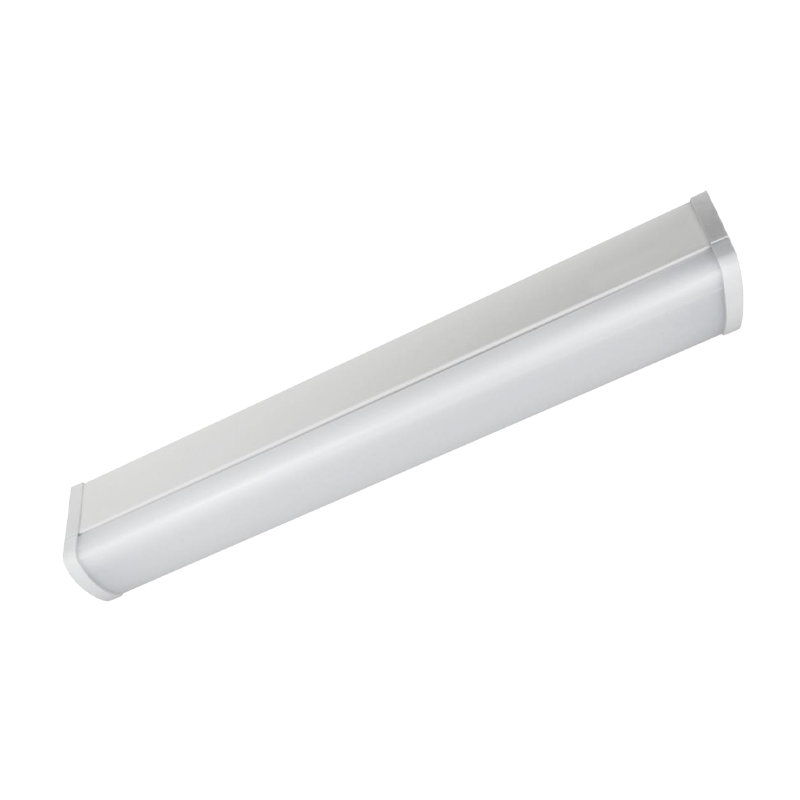
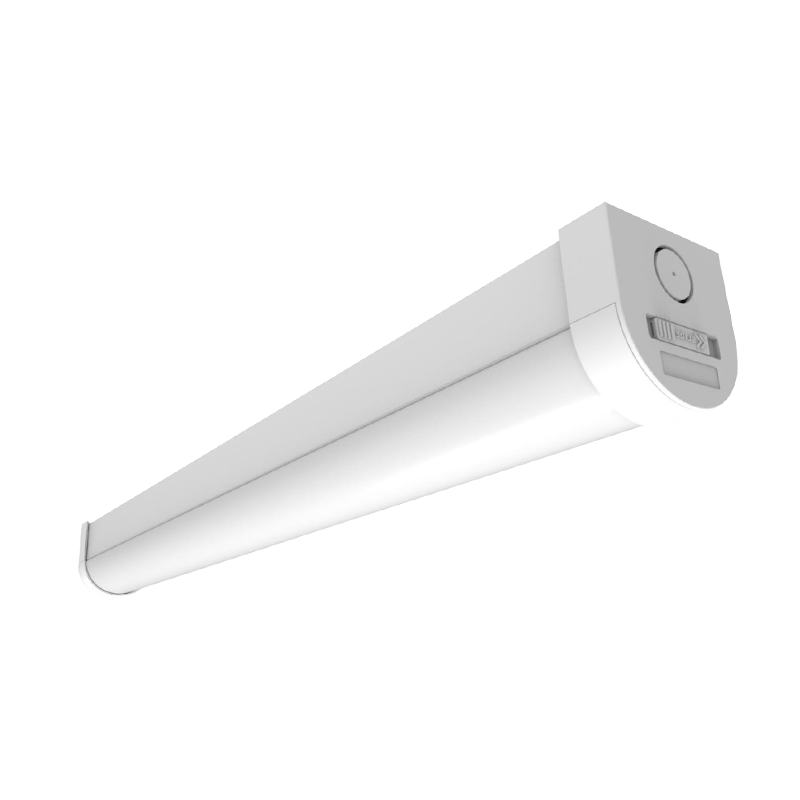
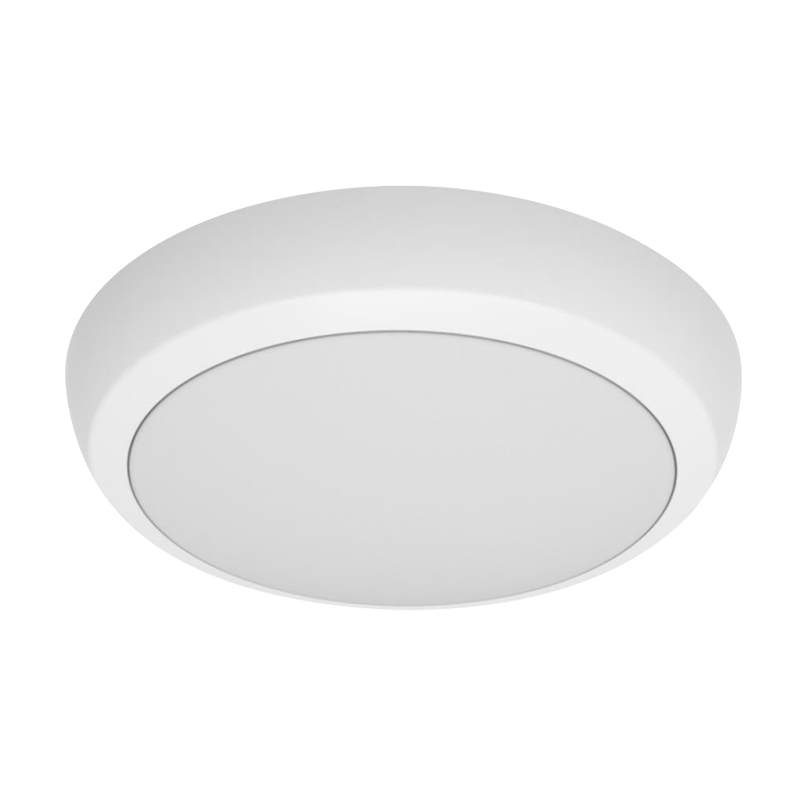
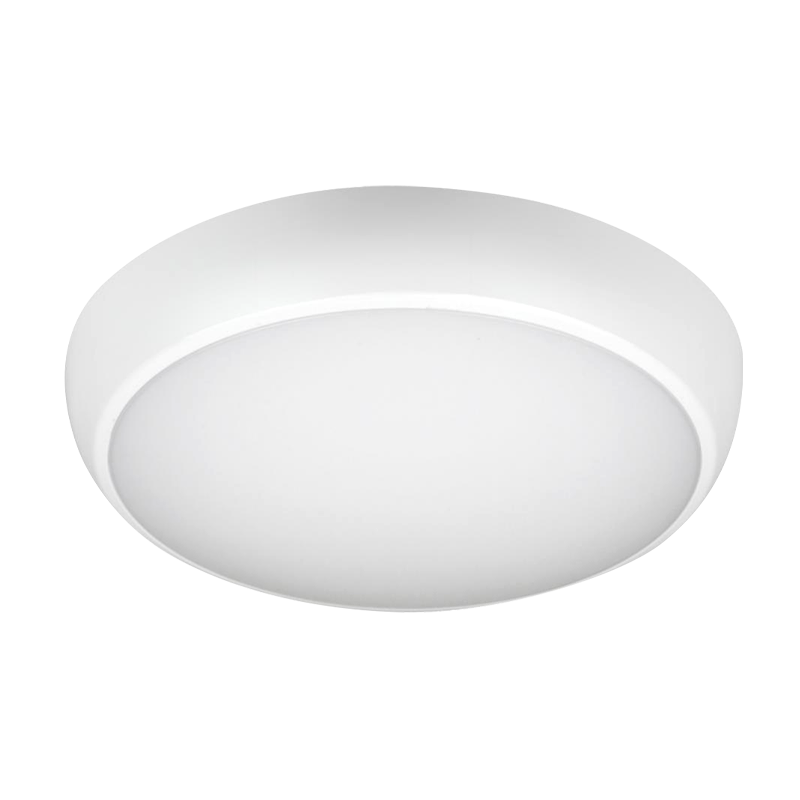
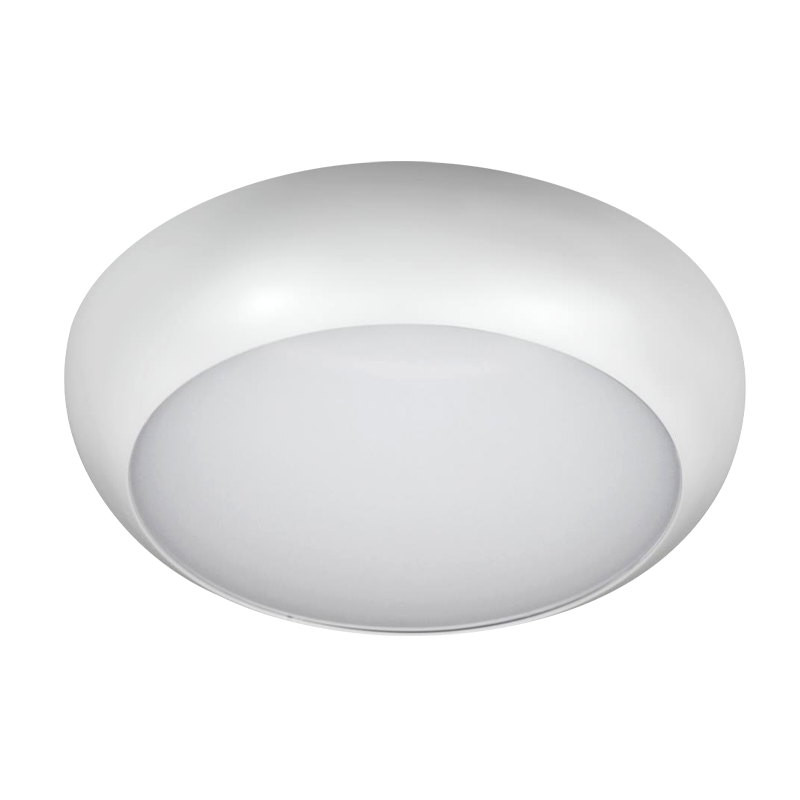
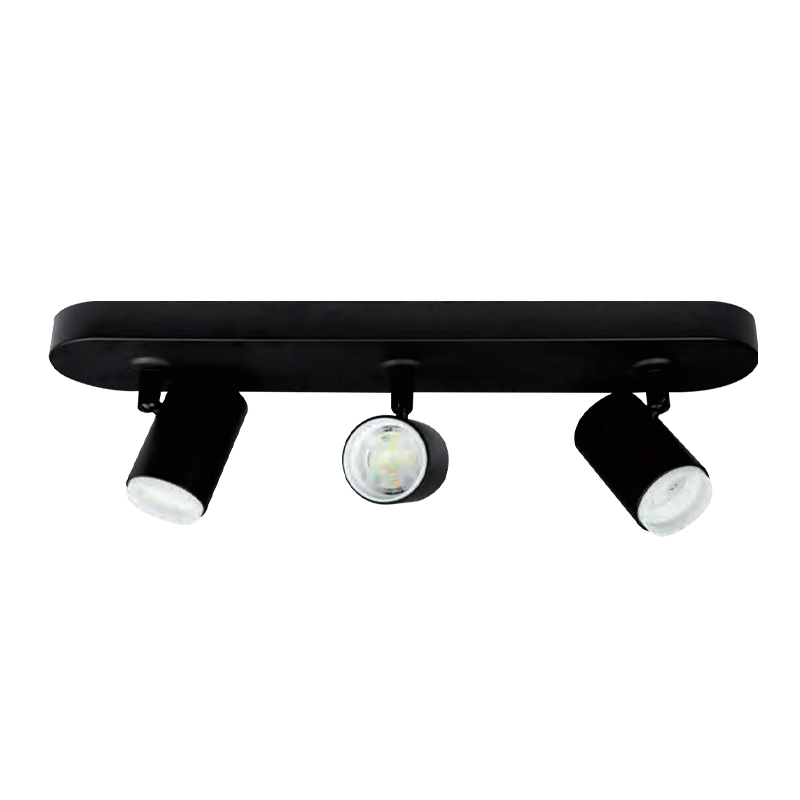
In office areas, showrooms, and precision assembly workshops, lighting design must balance uniformity with localized task lighting. ceiling lights, as general foundational lighting, should be arranged logically to avoid dark spots. pendant lights are suitable for areas requiring localized high illumination or specific aesthetic needs. When selecting these light fixtures, color temperature control is key: 4000K neutral white light is the ideal choice for office spaces, providing a comfortable visual environment without excessive cold or hardness.
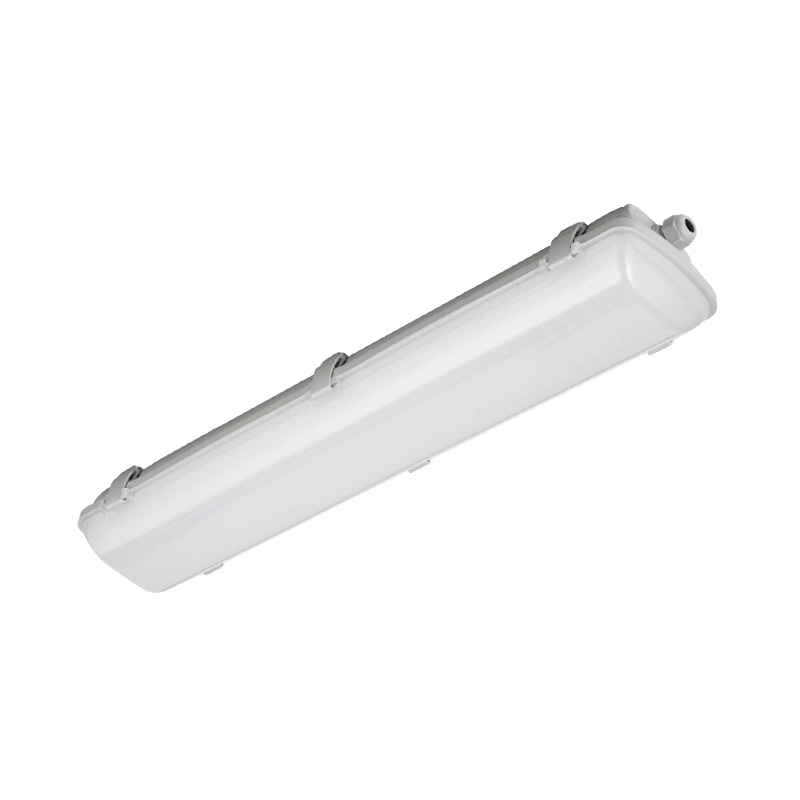
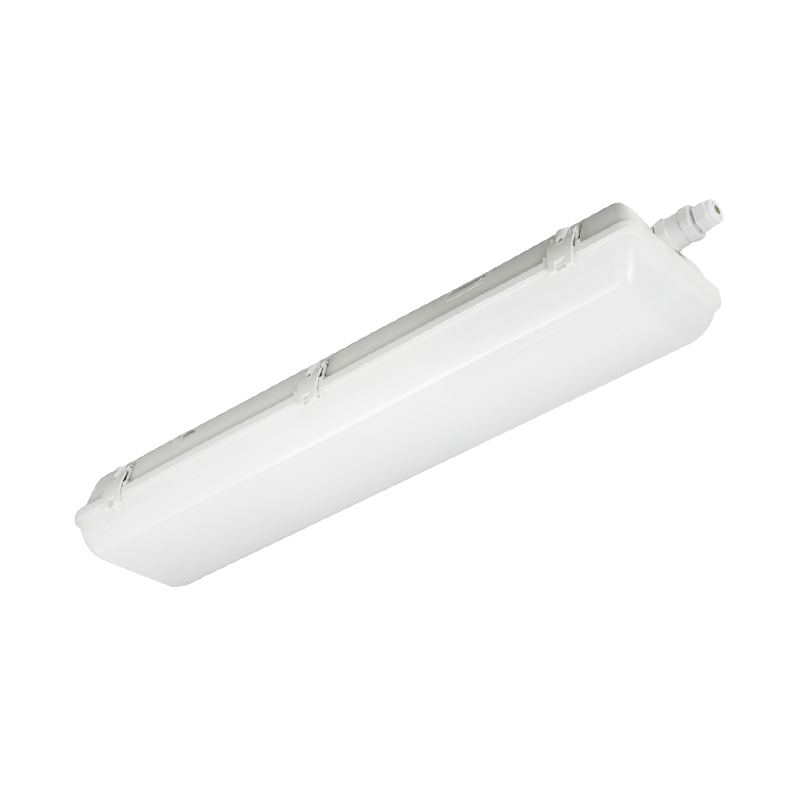
For building facades, landscape areas, and access walkways, professional outdoor lights and outdoor light fixtures must have high Ingress Protection ratings. For outdoor installations, IP65 or higher certification is recommended to withstand long-term exposure to dust and moisture.
Configuration of equipment for different functional requirements in outdoor areas should follow these standards:
landscape lighting: The focus is on highlighting architectural features or plant forms. Adopting low-voltage power systems provides high safety and low maintenance costs.
garden lights: In walkway lighting, designs with glare shields should be used to eliminate glare and ensure visual safety during movement.
outdoor wall lights: As a contouring tool for building boundaries, these should combine beam directionality to avoid light pollution and project light precisely onto the desired surfaces.
To ensure the long-term operational stability of lighting projects, the following table lists the core performance selection benchmarks:
| Performance Indicator | Indoor High Bay Application | Outdoor Landscape/Environment | Office/Precision Operation |
| Recommended CCT | 5000K | 3000K - 4000K | 4000K |
| CRI | >= 80 | >= 70 | >= 90 |
| IP Rating | IP40 - IP54 | IP65 - IP67 | IP20 |
| Beam Control | Narrow beam (60-90°) | Wide beam or projection | Soft diffuse |
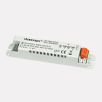
Whether in indoor or outdoor environments, the long-term reliability of a lamp depends on the quality of the driver. High-quality drivers should possess a high power factor and low total harmonic distortion to reduce interference with the power grid and extend the actual lifespan of the light-emitting diodes. For industrial environments, the design of the heat dissipation structure directly affects system efficiency. An all-aluminum heat sink structure is superior to built-in fan solutions, as the latter carries a risk of mechanical failure.
By scientifically evaluating site conditions, operational needs, and installation heights, matching professional lighting equipment can effectively reduce energy loss while ensuring that the lighting system maintains stable luminous flux output during long-term operation. A rational lighting system is not merely a functional necessity but a deep integration of work environment optimization and safety management.



No.8, Ankang West Road, Zonghan Street, Cixi City, Zhejiang Province, P.R.China
0086-574-6320 0283
Copyright © Ningbo Longer Lighting Co., Ltd.
All Rights Reserved.
 Wholesale LED Lighting Fixtures Manufacturers

 Deutsch