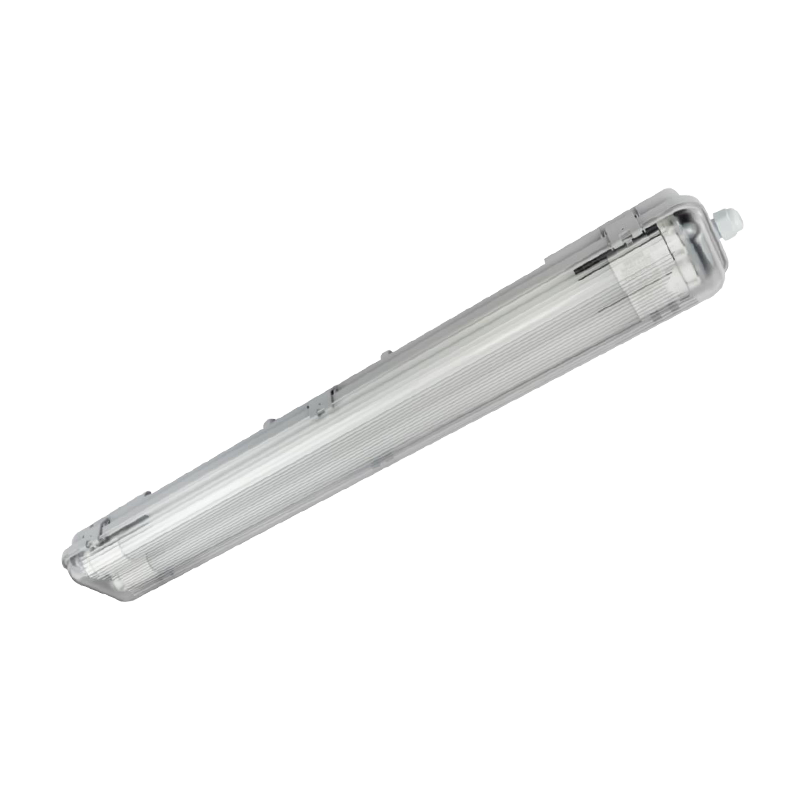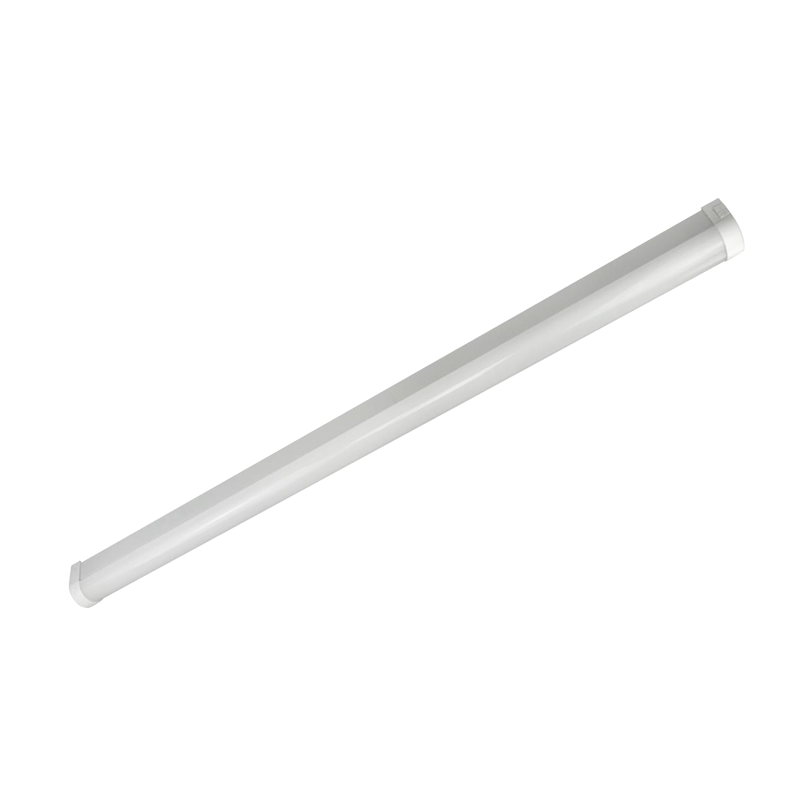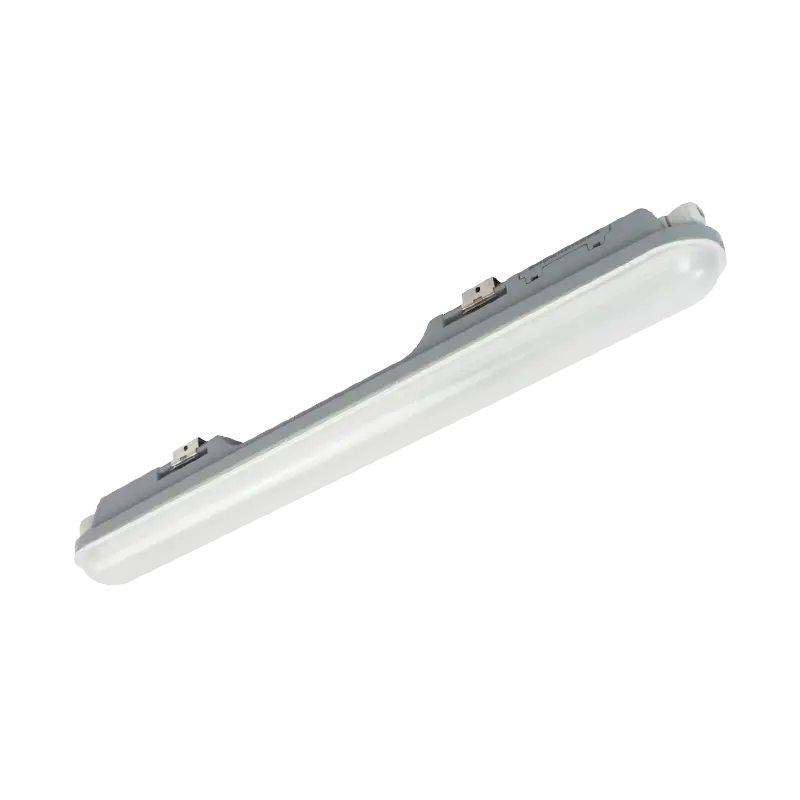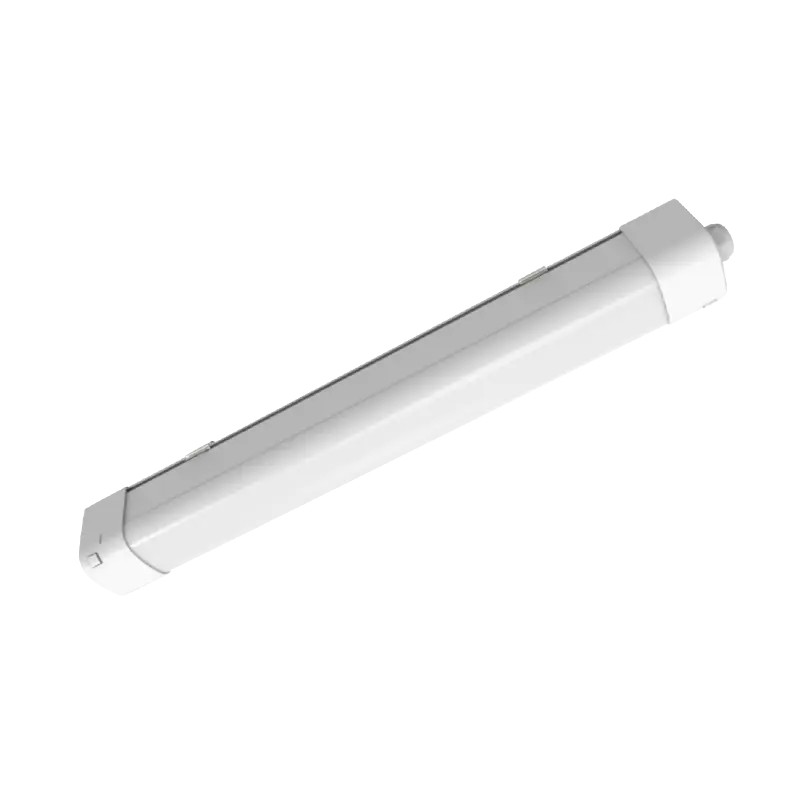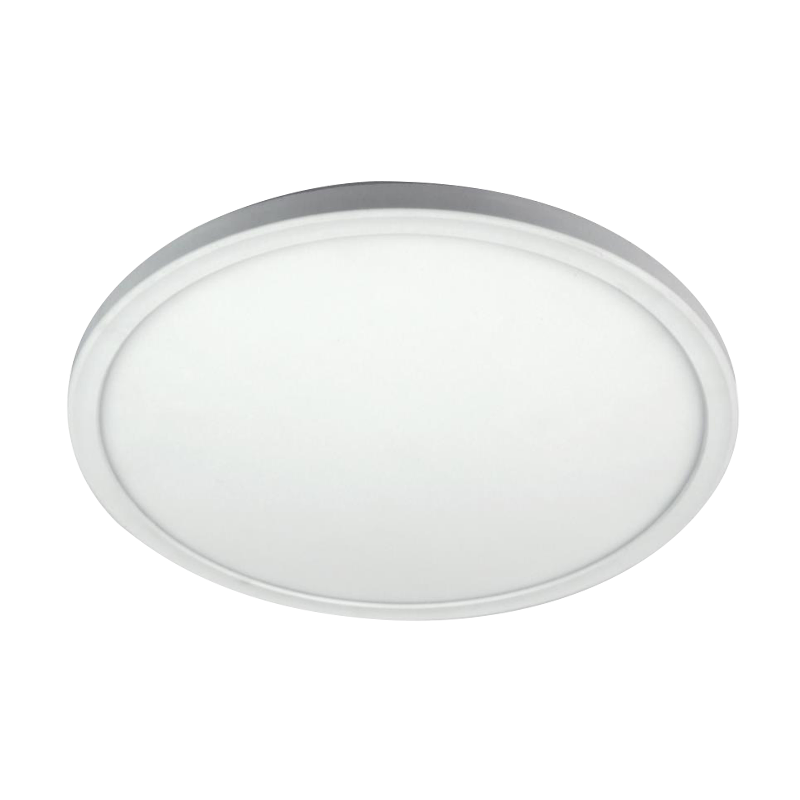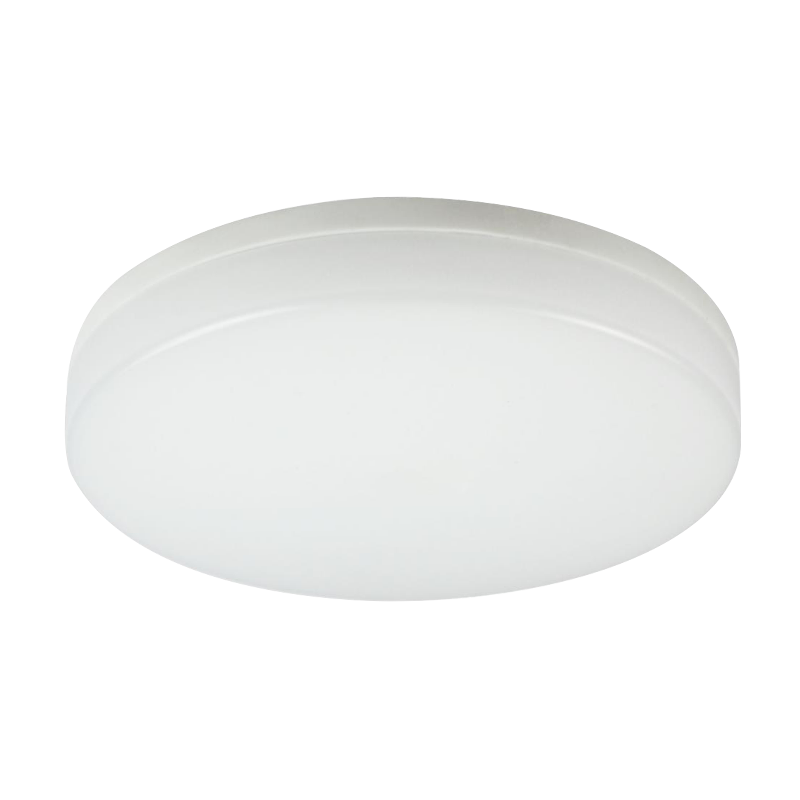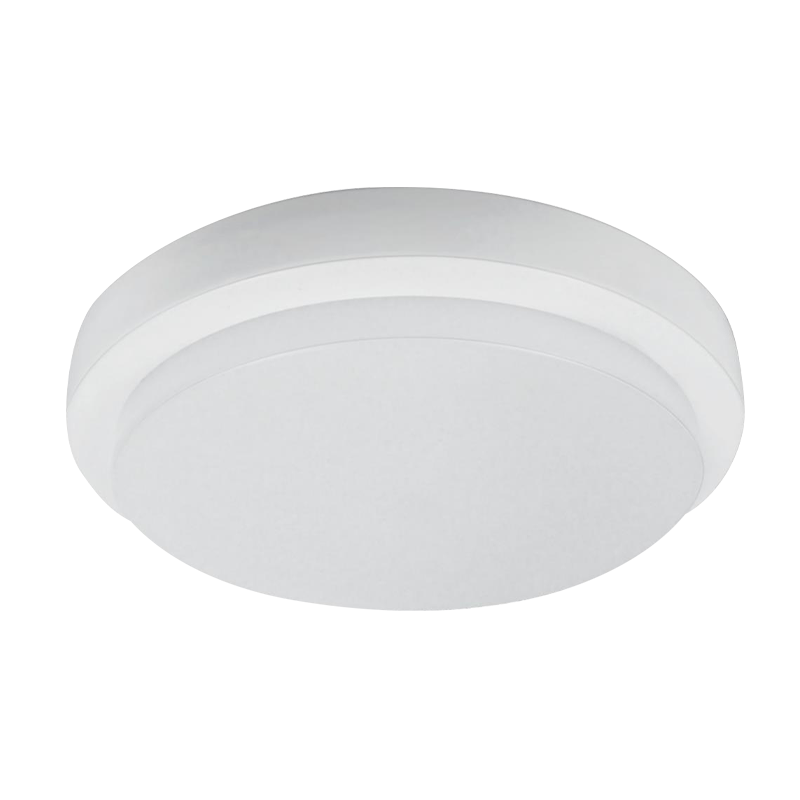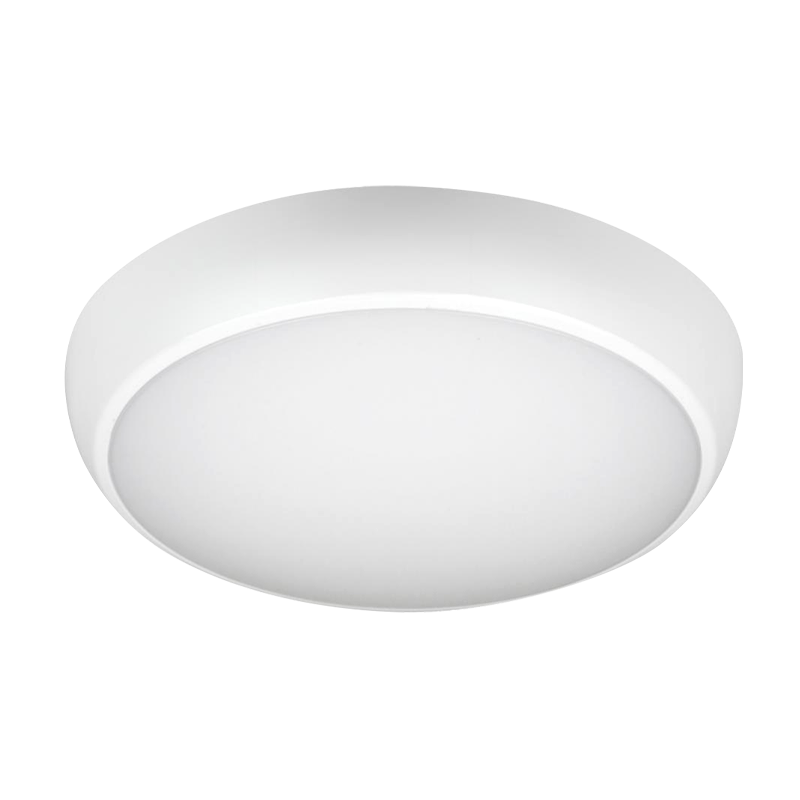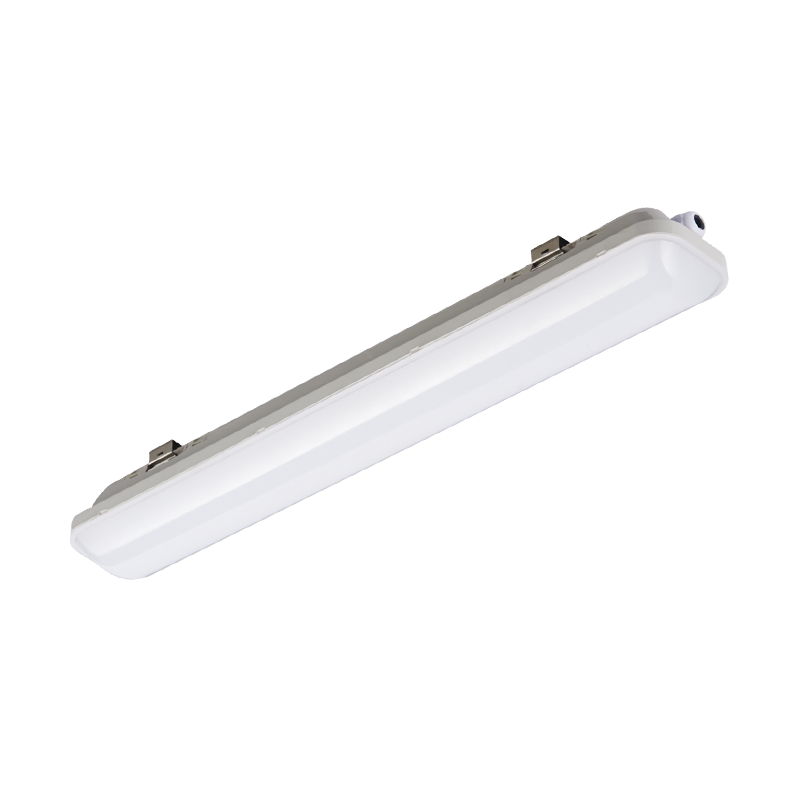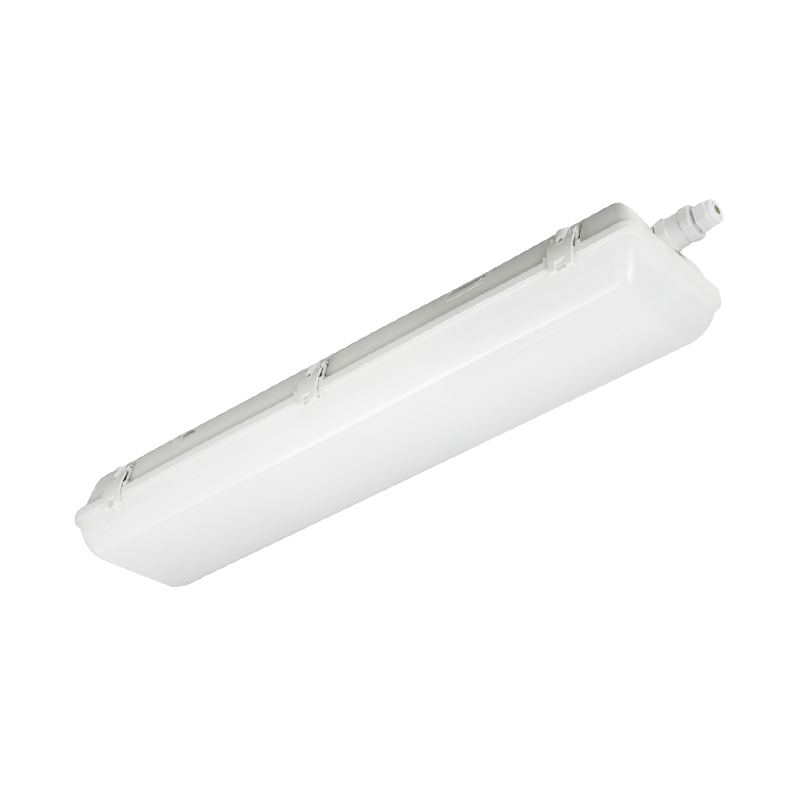


As smart home and lighting technologies evolve, dimming functionality has become an essential feature of indoor LED bulkhead lights. With dimming, users can adjust the brightness of the lighting according to their needs, improving energy efficiency and creating more comfortable indoor environments. This article will discuss the common methods for implementing dimming functionality in indoor LED bulkhead lights.
Voltage dimming is one of the earliest dimming methods used in LED lighting systems. The principle behind this method is to adjust the brightness of the LED light by varying the input voltage. In this system, the brightness of the LED fixture is proportional to the input voltage. Voltage dimming is commonly found in low-power LED lights and is simple to implement and cost-effective.
However, voltage dimming has its limitations. Since it doesn’t modify the LED driver’s working method, it may lead to brightness inconsistencies and color temperature shifts at lower brightness levels. As a result, the light quality may be compromised. Additionally, because voltage dimming only adjusts brightness and doesn’t provide more precise control over the light output, it may not meet the needs of high-performance lighting applications.
Pulse Width Modulation (PWM) dimming is a widely used dimming technology in LED lighting fixtures. The principle behind PWM is to control the brightness of the LED light by adjusting the width of electrical pulses. The LED light is switched on and off at a fixed frequency, and by adjusting the ratio of the "on" time to the "off" time (duty cycle), the perceived brightness can be varied.
The main advantage of PWM dimming is its ability to provide precise and uniform brightness control. Unlike voltage dimming, PWM dimming does not cause noticeable shifts in color temperature, making it ideal for environments that require consistent light quality. PWM dimming is widely used in both commercial and residential lighting due to its accuracy and ability to deliver smooth, flicker-free lighting at any brightness level. However, PWM dimming requires a high-frequency control signal, which makes the driver circuit more complex and can increase the cost of the light fixture.
0-10V dimming is a common analog dimming method, particularly used in commercial lighting systems. This method works by varying the voltage between 0 and 10 volts, where 0V corresponds to the light being off and 10V corresponds to the maximum brightness. The 0-10V dimming method provides smooth dimming, and the voltage range allows for a broad level of adjustment.
One of the main advantages of 0-10V dimming is that it offers a wide dimming range and smooth light transitions, making it suitable for various environments. However, the system requires external dimming controllers, and it may not be as precise as PWM dimming. In high-precision lighting applications, 0-10V dimming may result in slight color temperature shifts or flicker. Additionally, since it relies on external dimmers, the installation process can be more complicated and costly.
DALI (Digital Addressable Lighting Interface) is a digital dimming method used extensively in commercial buildings and smart lighting systems. DALI enables precise control of individual fixtures or groups of fixtures using digital signals. This system allows users to manage brightness, color temperature, and other lighting functions with high flexibility.
Compared to 0-10V dimming, DALI provides higher accuracy and stability. DALI systems can control multiple lights in coordination, making them ideal for large-scale installations where uniform lighting control is required. The main drawback of DALI dimming is that it involves a more complex system with digital controllers and interfaces, resulting in higher installation costs. However, for large commercial spaces or smart buildings, DALI offers a more robust and scalable solution.
Bluetooth dimming has become increasingly popular with the rise of smart home technologies. This method uses Bluetooth connectivity to control the brightness of LED bulkhead lights via smartphones or other Bluetooth-enabled devices. Bluetooth dimming systems are simple to install and do not require complex wiring, making them an excellent option for residential and small commercial spaces.
The advantage of Bluetooth dimming is its flexibility and ease of use. Users can adjust lighting via a smartphone app, allowing for remote control and customization of lighting settings. However, Bluetooth dimming has a limited range and may not be suitable for large areas. Additionally, compatibility with other devices and systems may be a concern, particularly in larger smart home setups.
Zigbee is another wireless communication protocol used in smart lighting systems. Zigbee dimming enables control of LED bulkhead lights through Zigbee-enabled devices, such as smart controllers or mobile apps. Zigbee systems allow multiple devices to connect and communicate, offering a robust solution for large-scale lighting control.
One of the main benefits of Zigbee dimming is its reliability and wide coverage area. Unlike Bluetooth, Zigbee can handle a larger number of devices and offers better performance over longer distances. Zigbee dimming is also compatible with other smart home automation systems, allowing for more complex scenarios, such as motion-triggered lighting or time-based adjustments. However, Zigbee systems can be more complicated to set up compared to Bluetooth, and they require compatible hubs or controllers to function.
With the increasing popularity of voice assistants like Amazon Alexa, Google Assistant, and Apple Siri, voice-controlled dimming has become a convenient and intuitive way to adjust lighting. Through voice commands, users can adjust the brightness of LED bulkhead lights, set specific lighting modes, or even automate lighting based on schedules or conditions.
Voice control dimming offers ease of use and hands-free convenience, making it ideal for smart home environments. Users can control lighting while engaged in other tasks, such as cooking, cleaning, or working. Voice control dimming also integrates well with other smart devices, allowing for the creation of personalized lighting scenes. However, like other smart home technologies, it relies on the functionality and reliability of the voice assistant, and users may encounter limitations in connectivity or compatibility.



No.8, Ankang West Road, Zonghan Street, Cixi City, Zhejiang Province, P.R.China
0086-574-6320 0283
Copyright © Ningbo Longer Lighting Co., Ltd.
All Rights Reserved.
 Wholesale LED Lighting Fixtures Manufacturers

 Deutsch