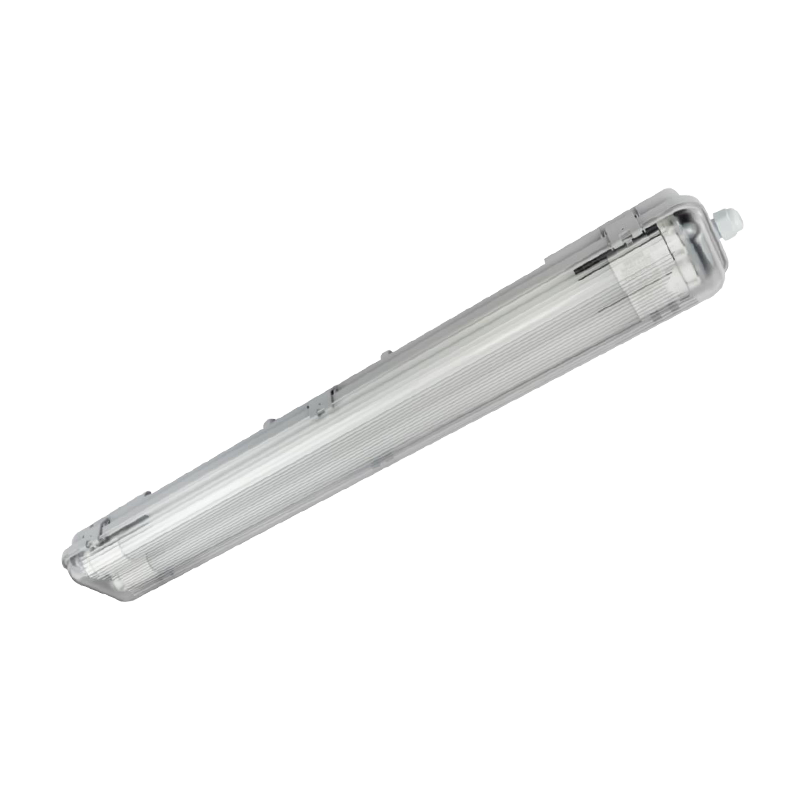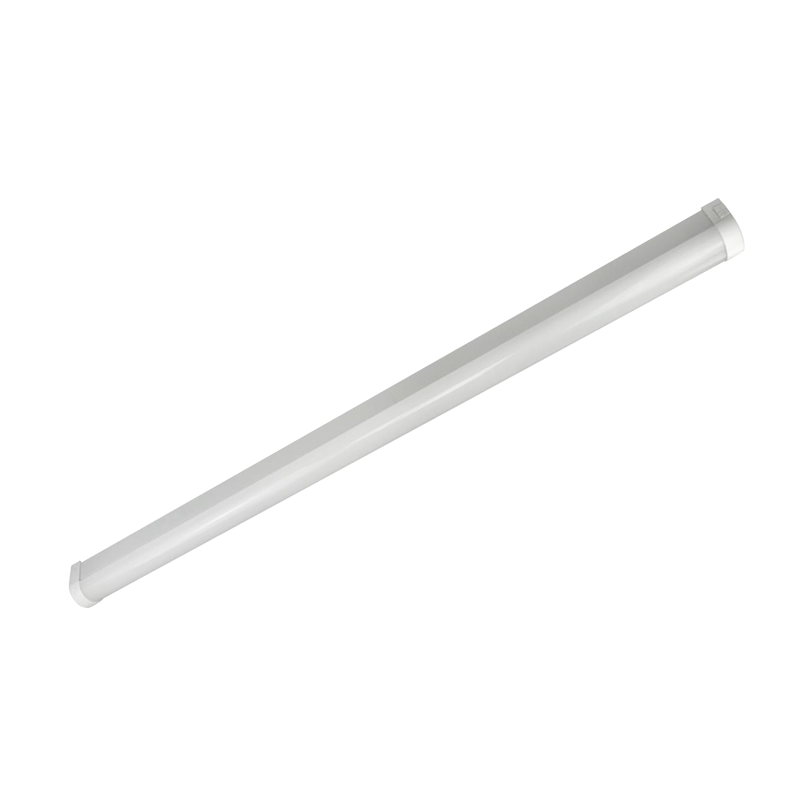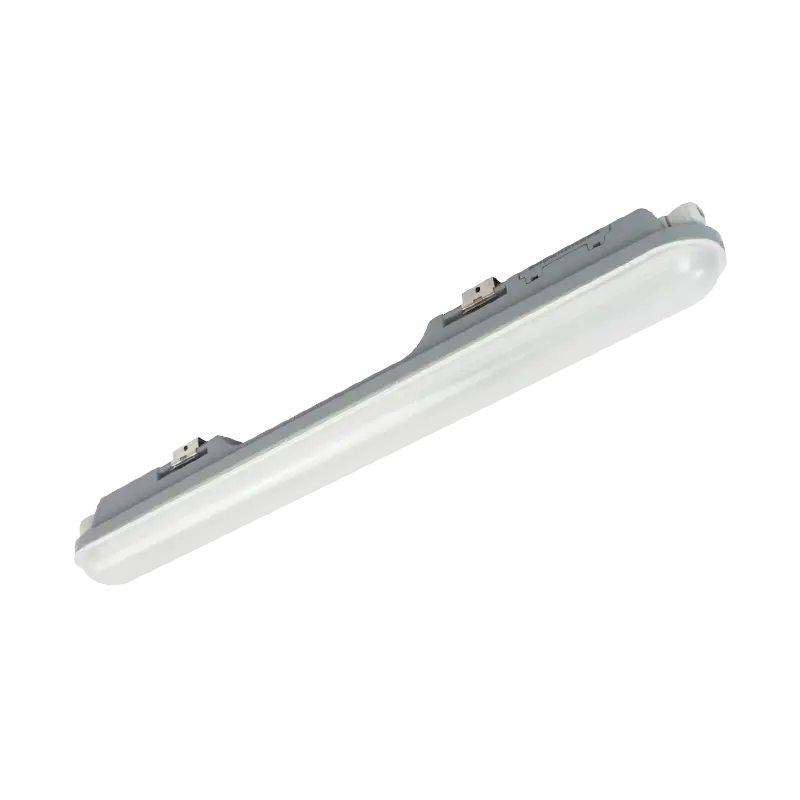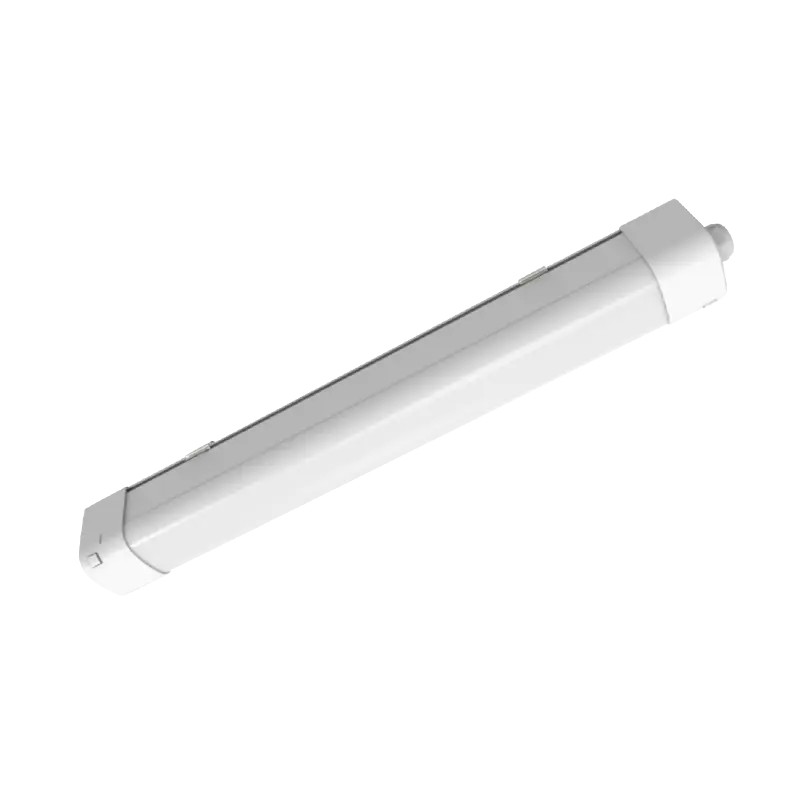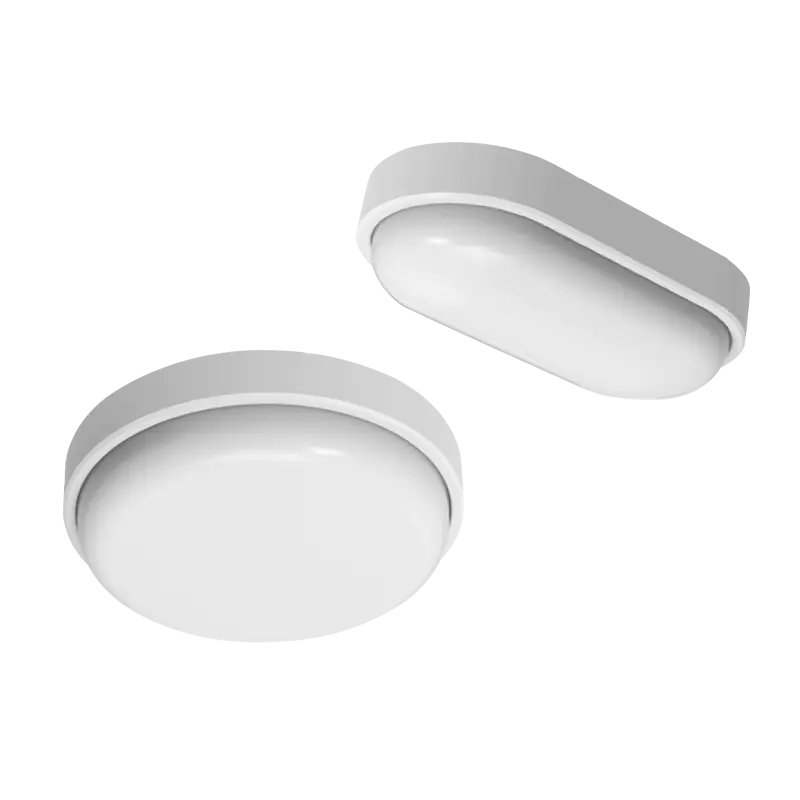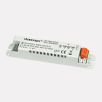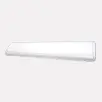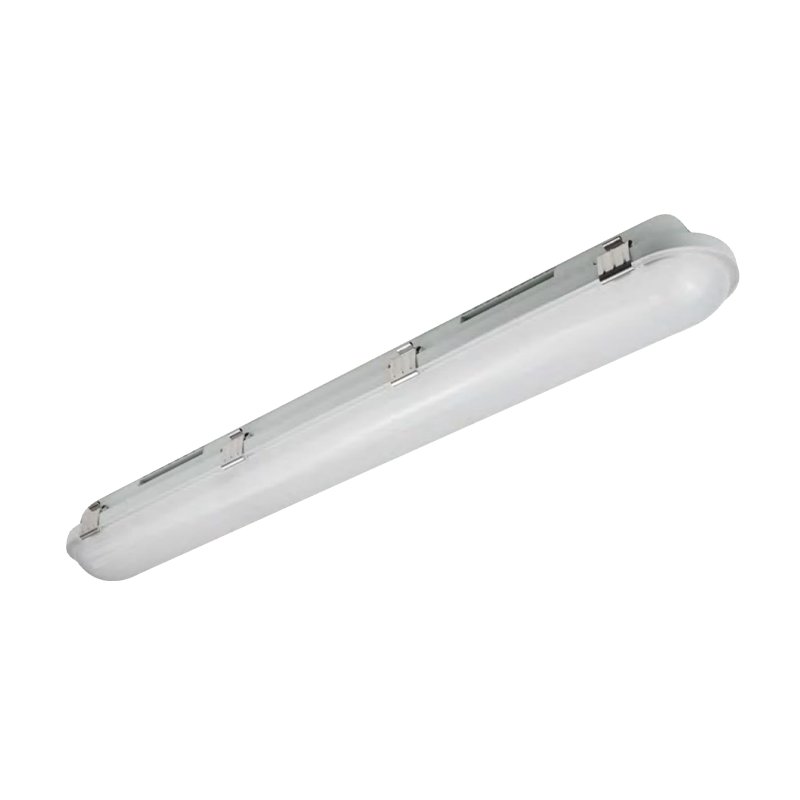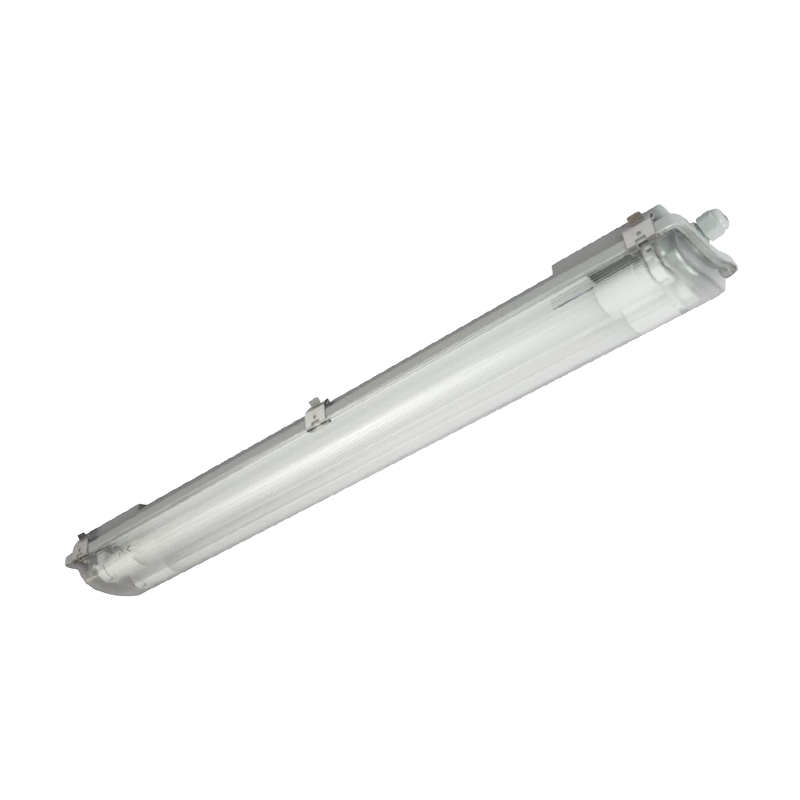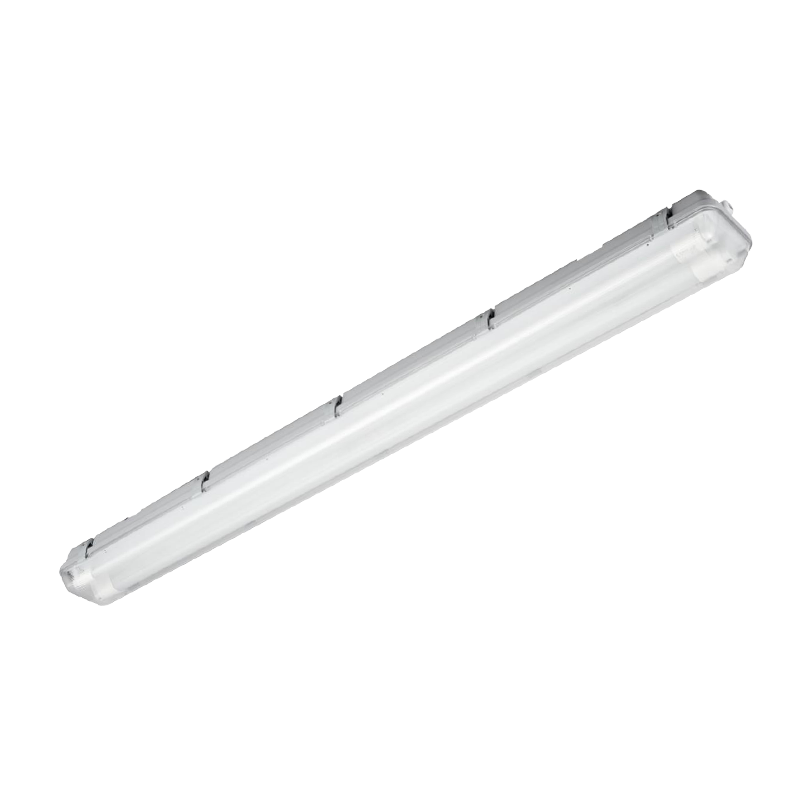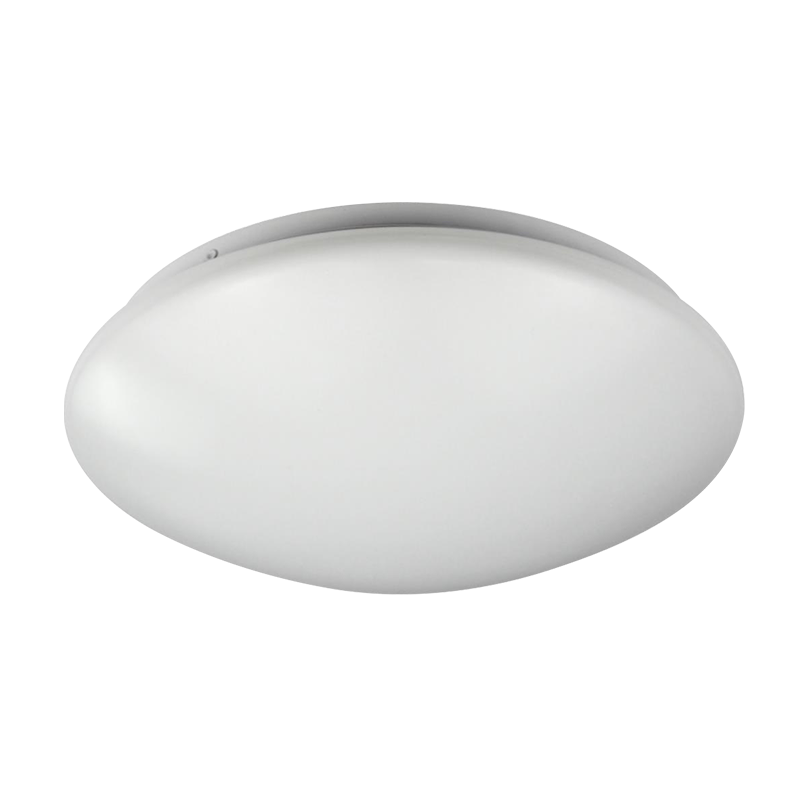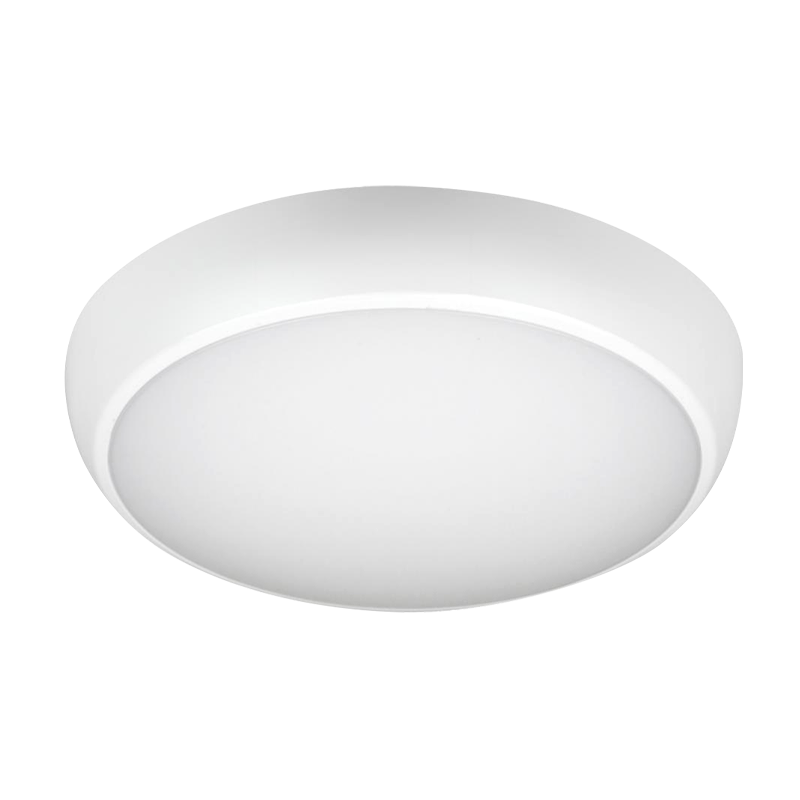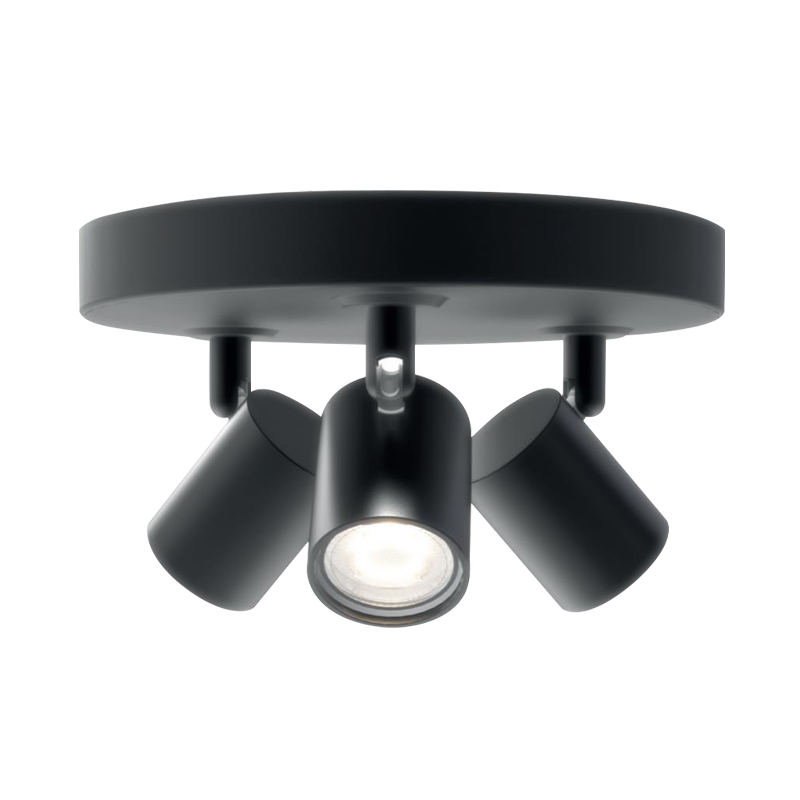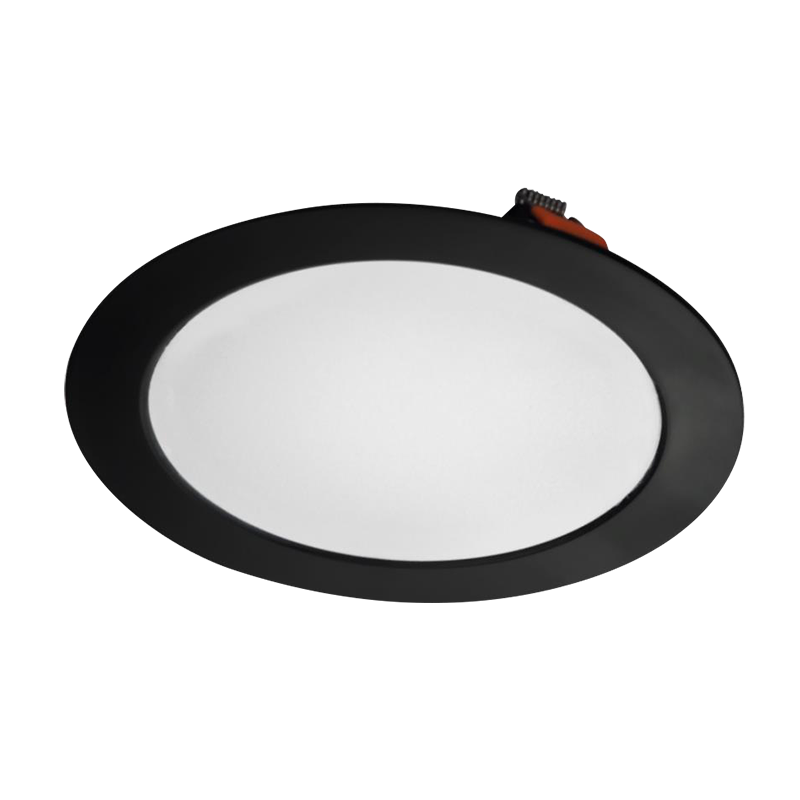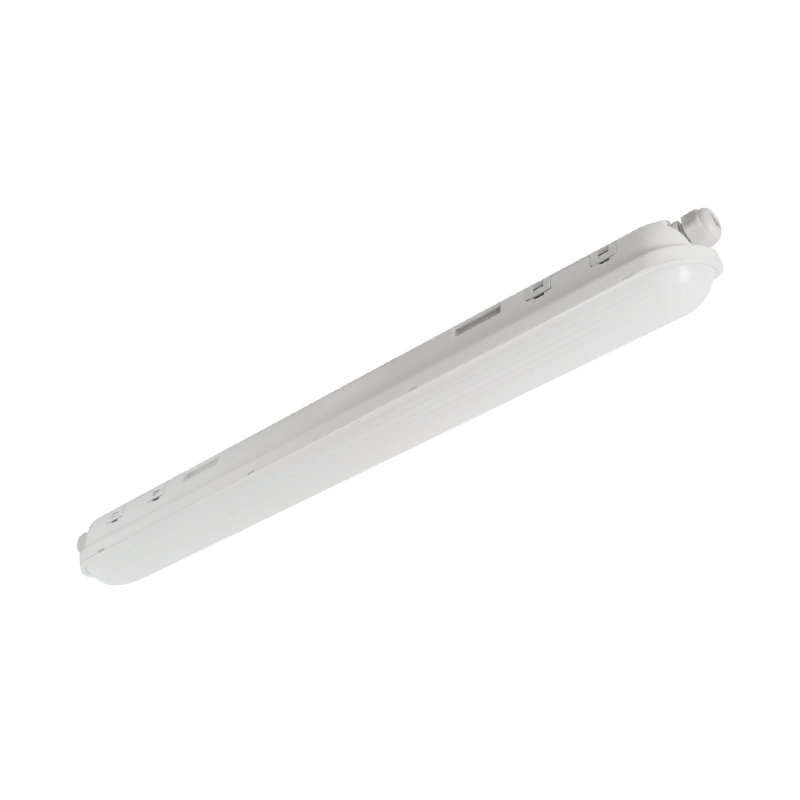


LED Tri-Proof Lights, also known as three-proof lights, are widely used in industrial environments, warehouses, tunnels, cold storage, and factories due to their superior resistance to water, dust, and corrosion. When selecting LED Tri-Proof Lights for various industrial applications, it is essential to consider factors such as environmental conditions, lighting requirements, performance characteristics, and the specific challenges of each industry. This article outlines the selection criteria for LED Tri-Proof Lights in different industrial settings.
Industrial environments differ in terms of temperature, humidity, dust, and exposure to corrosive gases. In high-temperature environments, the heat dissipation capabilities of the light fixture are crucial. For high-humidity or mist-prone areas, a high IP rating (IP65 or above) is essential to ensure the fixture remains unaffected by moisture. In corrosive environments, such as chemical factories, the material of the housing and corrosion-resistant treatment of the light fixture become significant. Aluminum alloy or stainless steel materials are commonly used for durability. In dusty environments like factories or grain storage, dust resistance is critical to ensure the longevity of the lights, with an IP65 or higher rating recommended.
Lighting requirements in industrial spaces primarily include uniformity, brightness, and color rendering. Manufacturing plants and assembly lines require high illumination levels to ensure precision in operations, making the luminous flux of the light fixtures a key factor. Warehouses and logistics corridors need evenly distributed light to reduce shadow areas, requiring specific optical designs, such as linear light fixtures. The Color Rendering Index (CRI) of the light fixture also affects material recognition and color identification, with high CRI fixtures being essential in environments requiring detailed tasks. The lifespan of the lighting is another important consideration. LED Tri-Proof Lights with long operational life can reduce maintenance frequency and increase factory production continuity.
The performance of the LED driver directly impacts the stability and lifespan of the light fixture. In industrial environments where voltage fluctuations are common, it is essential to choose LED drivers with wide voltage input range and built-in protections against over-voltage, over-current, and over-temperature. Power factor and energy efficiency are also crucial. High power factor LED lights help reduce energy consumption and ease the load on the electrical grid. The water, dust, and corrosion resistance must be integrated with the optical and heat dissipation designs to ensure the fixture performs efficiently over time with minimal light decay. Installation methods and dimensions of the light fixtures should be tailored to the layout of the environment, with linear Tri-Proof Lights being ideal for long corridors, and ceiling or pendant-mounted fixtures suitable for workshops and warehouses.
Special environments, such as tunnels, elevated highways, and underground parking lots, require LED Tri-Proof Lights that are impact-resistant and capable of preventing fogging. In cold storage and low-temperature environments, it is essential to choose fixtures with excellent low-temperature start-up performance, ensuring they function reliably in sub-zero conditions. In chemical plants and hazardous areas, explosion-proof or corrosion-resistant lighting fixtures are required, meeting the relevant safety standards. Specific lighting standards also vary between environments; for instance, tunnel lighting must meet specific uniformity and gradual light adjustment requirements, while cold storage needs uniform brightness with frost-free properties.
Industrial lighting needs to operate continuously for extended periods, making maintenance costs a crucial factor in overall investment. High-quality LED Tri-Proof Lights have long lifespans, low light decay, and easy-to-clean features, which reduce the frequency of maintenance. Selecting fixtures with high protection levels, corrosion-resistant materials, and modular designs allows for quick replacement of parts in case of localized damage. Energy-efficient lights can significantly reduce electricity costs, especially in large-scale industrial settings. When considering total cost of ownership, including initial purchase, energy consumption, lifespan, and maintenance, it is possible to achieve the highest return on investment in industrial lighting.
Industrial lighting fixtures need to meet national and international standards, including IP protection ratings, CCC, CE, RoHS certifications, and more. Certain special industrial environments may require additional certifications, such as explosion-proof or corrosion-resistant ratings. Fixtures that have passed these certifications tend to offer more reliable performance, reducing safety risks and after-sales issues. When selecting lighting, it is essential to check the fixture’s certification and warranty terms to ensure stable operation in industrial environments for the long term.



No.8, Ankang West Road, Zonghan Street, Cixi City, Zhejiang Province, P.R.China
0086-574-6320 0283
Copyright © Ningbo Longer Lighting Co., Ltd.
All Rights Reserved.
 Wholesale LED Lighting Fixtures Manufacturers

 Deutsch