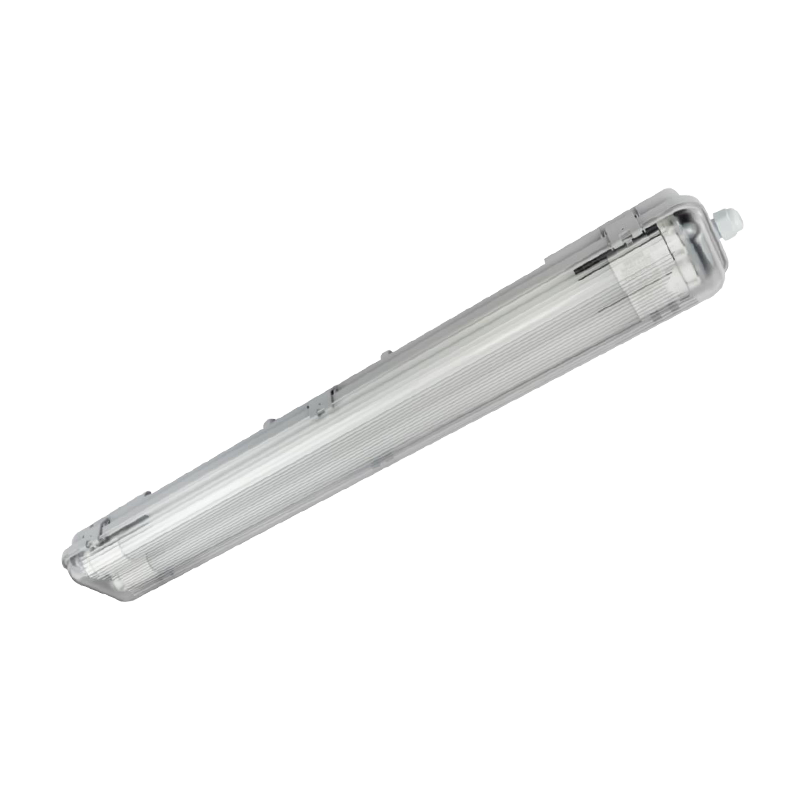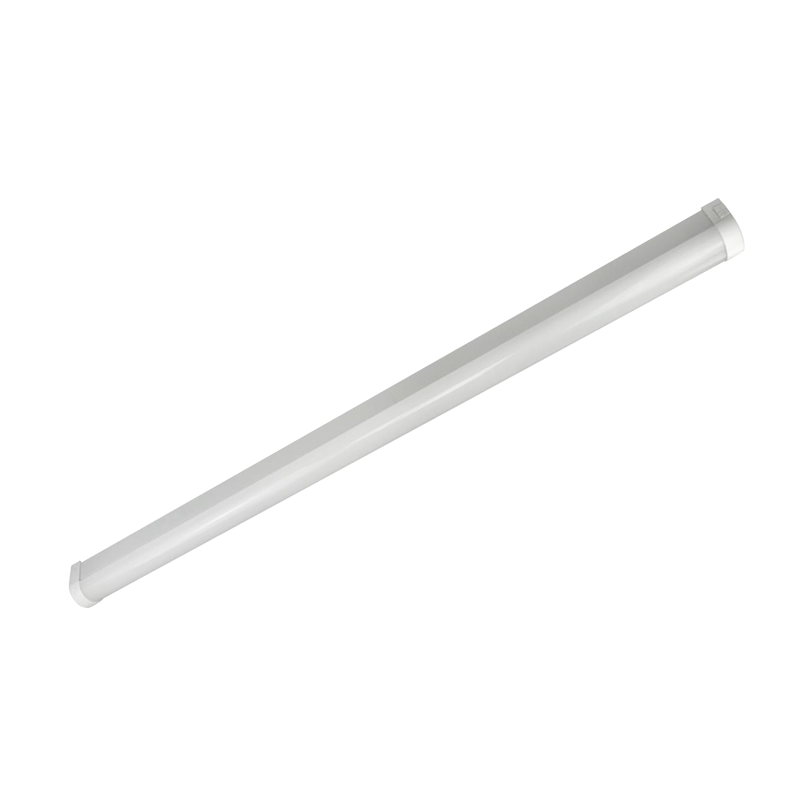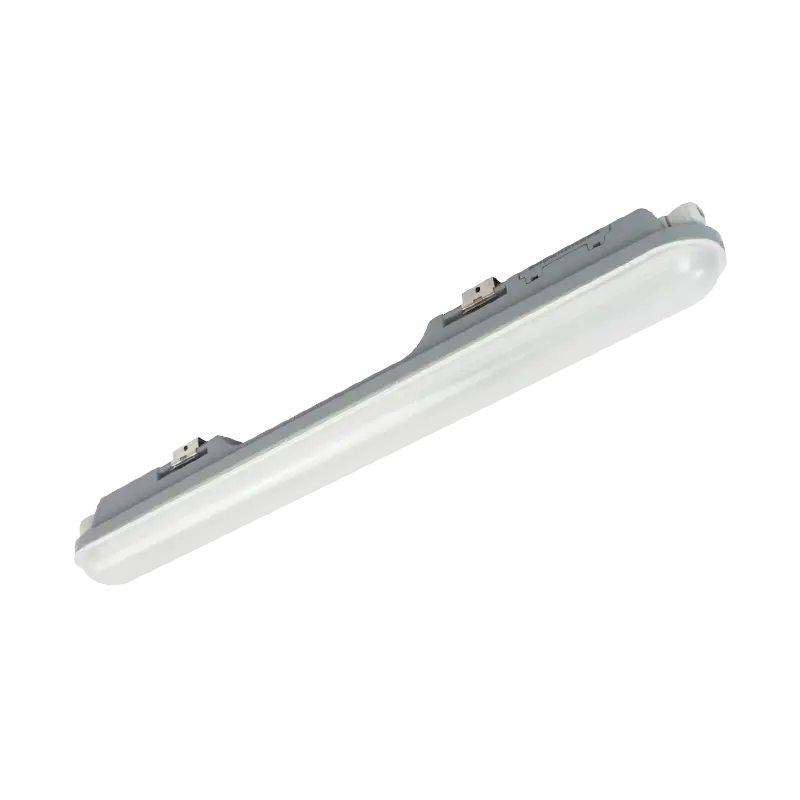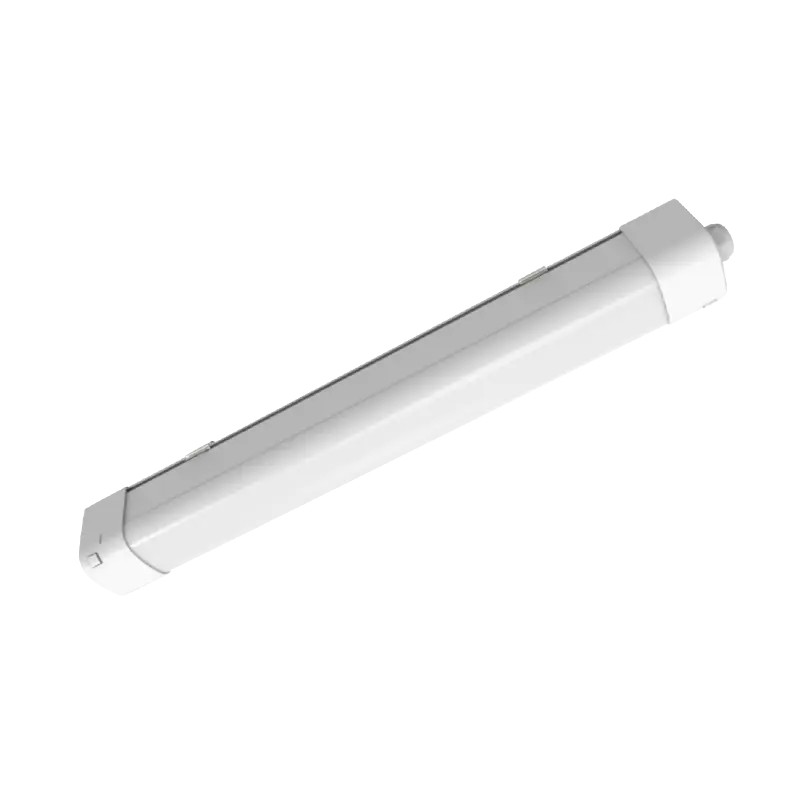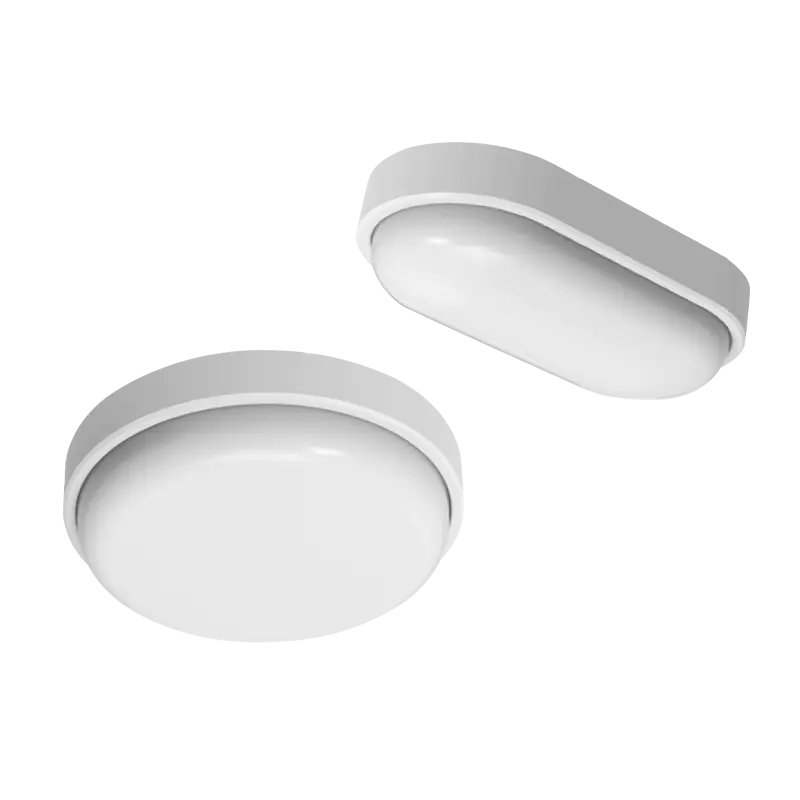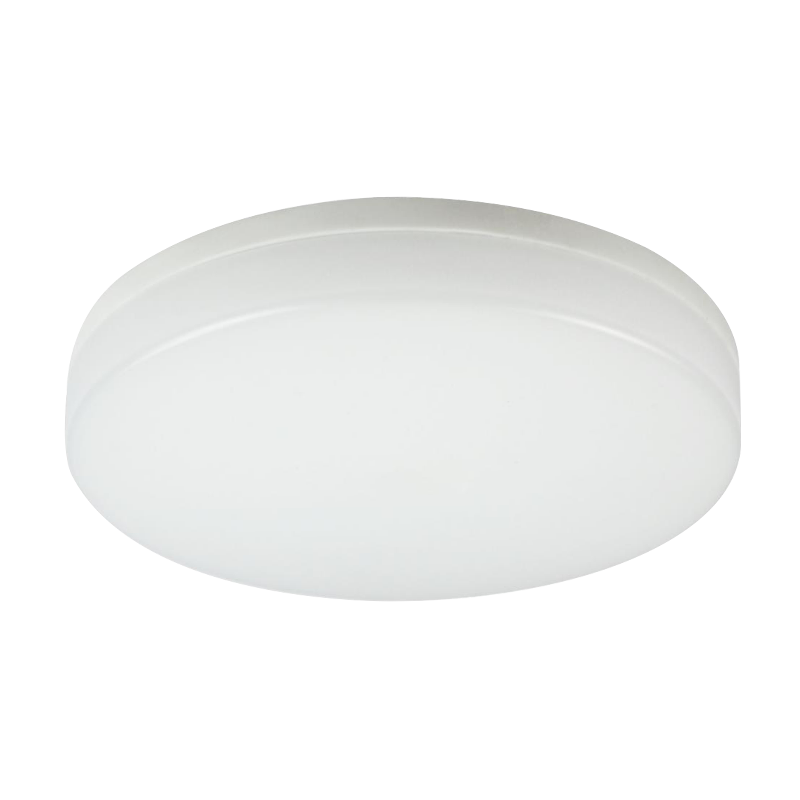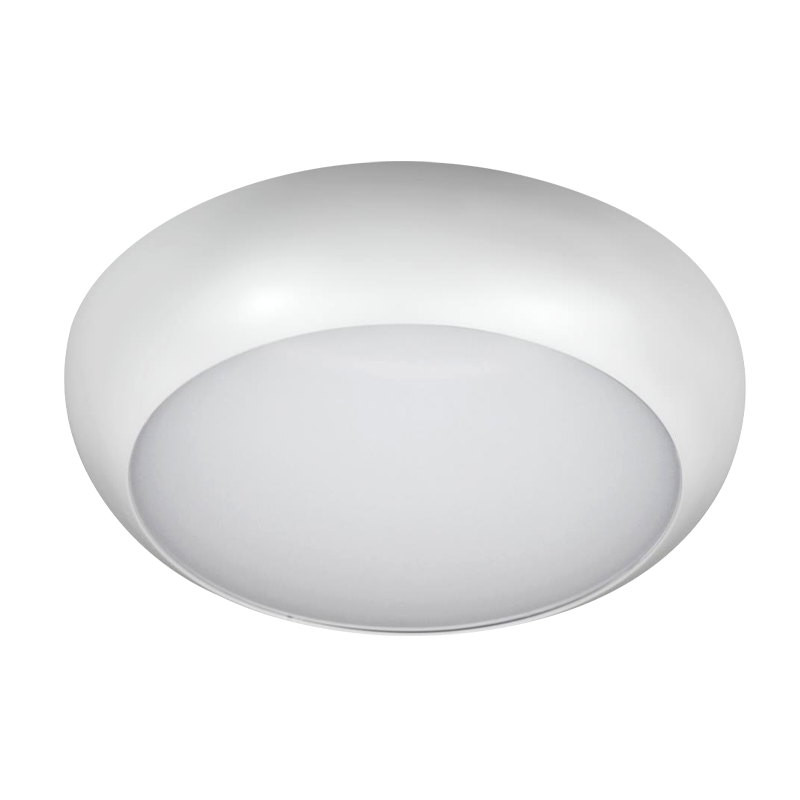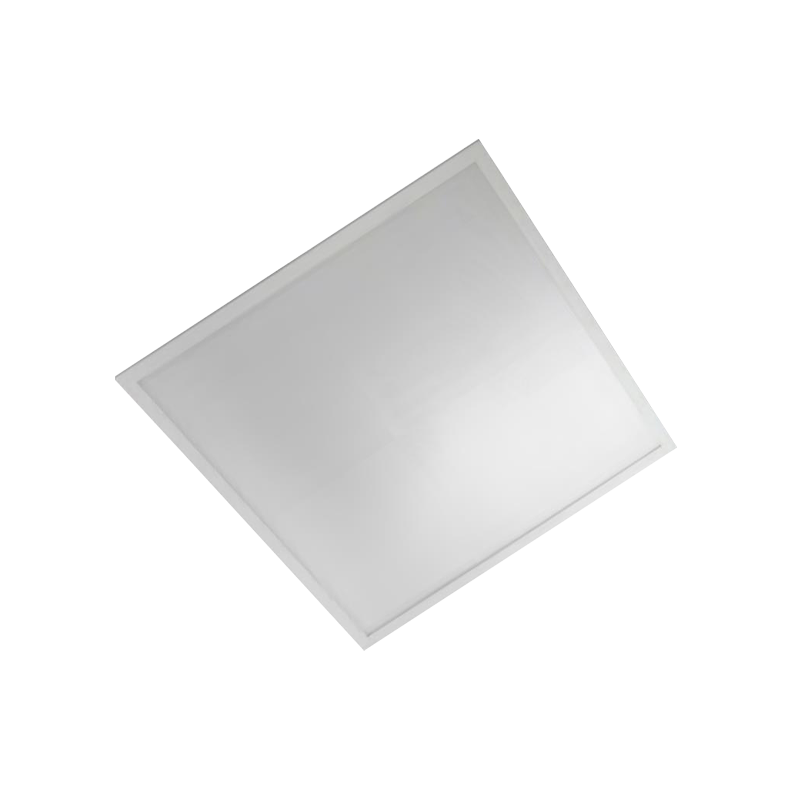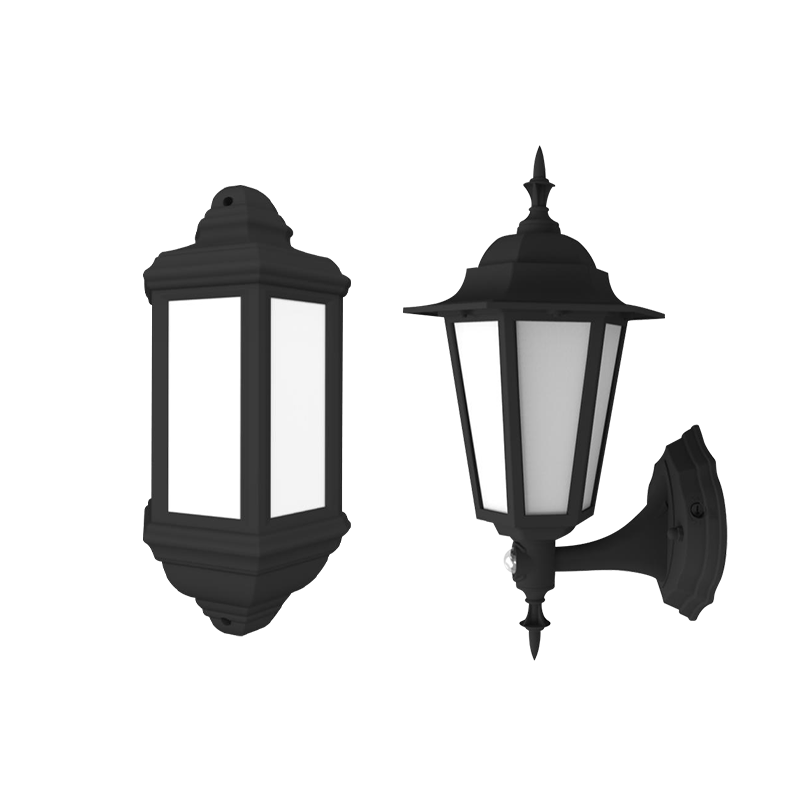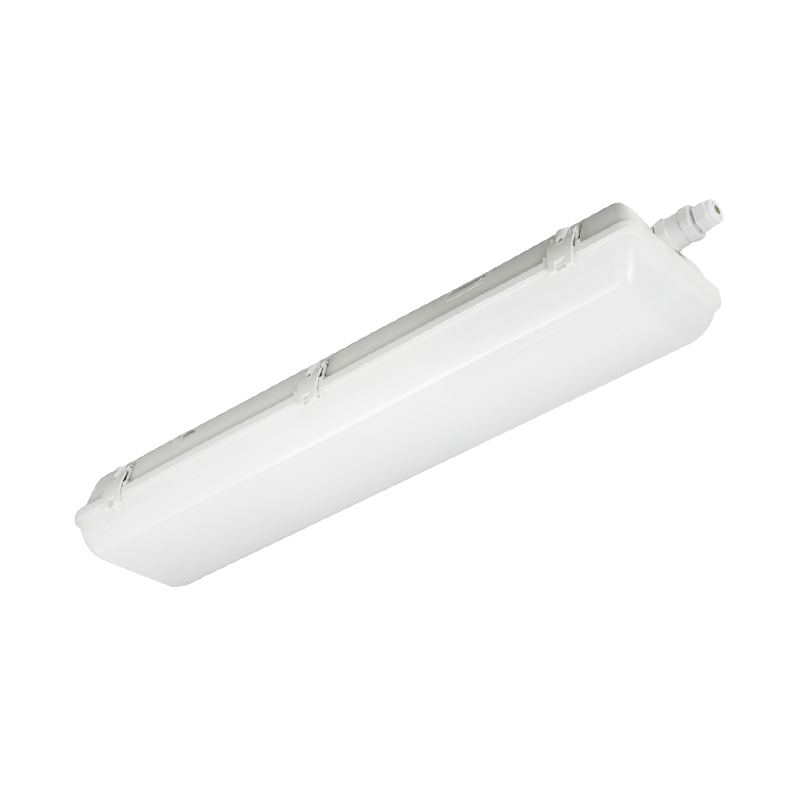


LED Tri-Proof Lights are widely used in industrial, commercial, and outdoor environments due to their excellent resistance to water, dust, and corrosion. Achieving IP65 or higher protection levels requires careful sealing structure design. This article provides a professional analysis of the key design principles, materials, and manufacturing processes that enable LED Tri-Proof Lights to maintain high performance and reliability in harsh environments.
The IP (Ingress Protection) rating system defines the degree of protection provided by electrical enclosures against dust and water. IP65 means the fixture is completely dust-tight and can withstand water jets from any direction without ingress. Specifically:
Dust Protection (first digit “6”): The fixture must prevent any dust from entering and affecting internal components.
Water Protection (second digit “5”): The fixture must resist water jets from any direction without allowing water to penetrate.
To meet these standards, LED Tri-Proof Lights must incorporate multiple sealing measures, ensuring that the housing, light source, and driver components remain protected at all times.
The housing is the core of the IP65 protection. Common materials include high-strength aluminum alloy, stainless steel, or engineering plastics. To prevent dust and water ingress, the housing and all joints must be precisely manufactured. Typical sealing techniques include:
Rubber Gaskets: Installed at joints, such as between the lamp cover and body or the junction box and housing, effectively preventing water and dust entry.
Silicone Sealant: Applied to gaps or seams to block water vapor and fine dust from entering the fixture.
Double Sealing: High-end models may use two layers of sealing at critical joints, further enhancing protection.
Electrical connections are critical points for water ingress. LED Tri-Proof Lights use waterproof connectors and terminal blocks to ensure complete sealing:
Waterproof Terminal Blocks: Rated at IP68, these terminals prevent water from reaching internal electrical components.
Waterproof Connectors and Quick Connects: Threaded or snap-fit waterproof connectors maintain secure connections while facilitating installation.
Heat management is crucial in sealed LED fixtures. Overheating can reduce LED lifespan, so sealing must be balanced with thermal performance. Common methods include:
Aluminum Heat Sinks: External aluminum heat sinks provide efficient cooling while maintaining sealing integrity.
Thermal Interface Materials: High-conductivity materials, such as thermally conductive silicone, transfer heat from LEDs to the heat sink efficiently.
Sealed fixtures rely on natural convection or internal thermal channels to dissipate heat, requiring careful integration of thermal and sealing design.
LED Tri-Proof Lights often operate in harsh environments such as chemical plants or wastewater facilities. Common materials include:
Stainless Steel: Highly corrosion-resistant, ideal for chemical or coastal environments.
Corrosion-Resistant Aluminum Alloy: Lightweight and durable, suitable for most industrial applications.
Engineering Plastics (PC or PP): UV-resistant and chemically stable, offering excellent corrosion protection.
High-quality sealants are critical for long-term performance:
Silicone: Maintains flexibility and sealing properties under extreme temperatures.
Polyurethane Sealants: Resistant to weathering and aging, commonly used in humid or warm environments.
Material selection alone is insufficient; precise manufacturing ensures reliable sealing:
CNC Machining: Provides precise joints and tight tolerances at all seams.
Laser Welding: Offers strong, airtight connections between the housing and components.
Achieving IP65 or higher protection requires strict quality control throughout manufacturing:
Sealant Application: Silicone or gasket materials must be applied evenly, without air bubbles, to maintain consistent sealing.
Assembly and Testing: Each fixture undergoes rigorous water spray and immersion tests to verify resistance against water and dust penetration.



No.8, Ankang West Road, Zonghan Street, Cixi City, Zhejiang Province, P.R.China
0086-574-6320 0283
Copyright © Ningbo Longer Lighting Co., Ltd.
All Rights Reserved.
 Wholesale LED Lighting Fixtures Manufacturers

 Deutsch