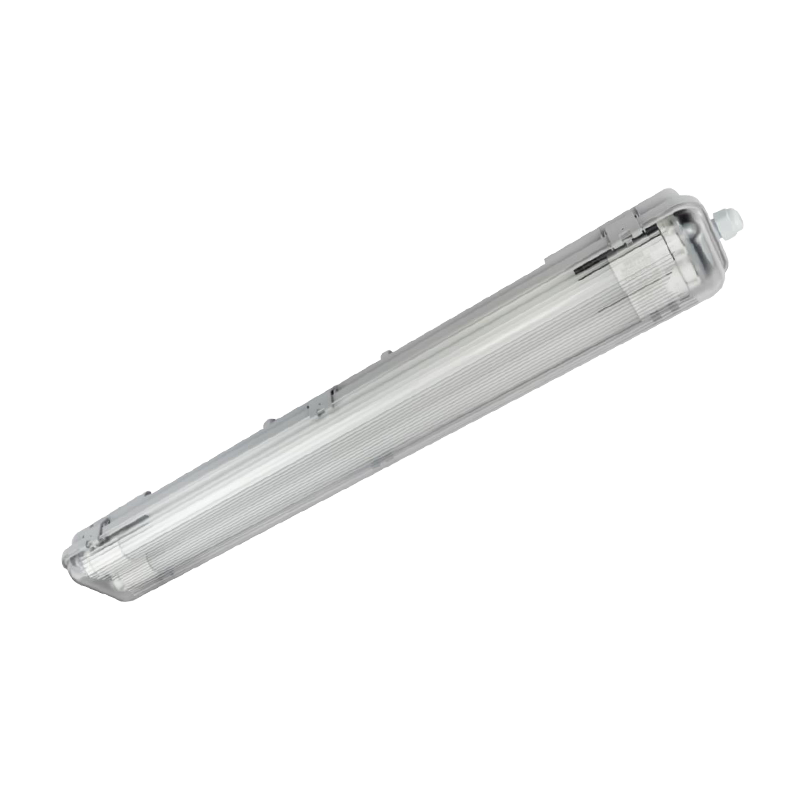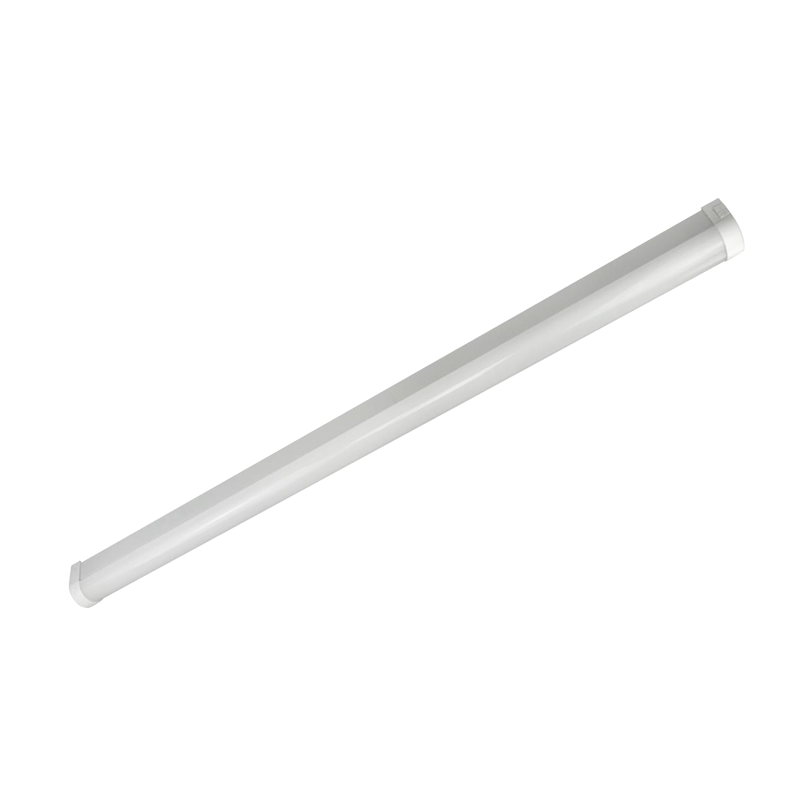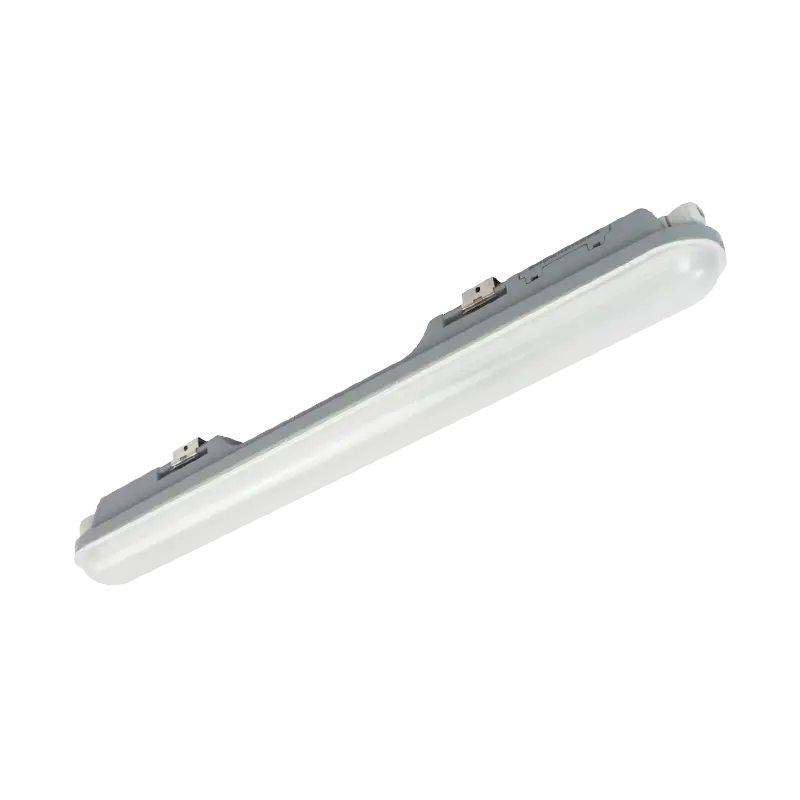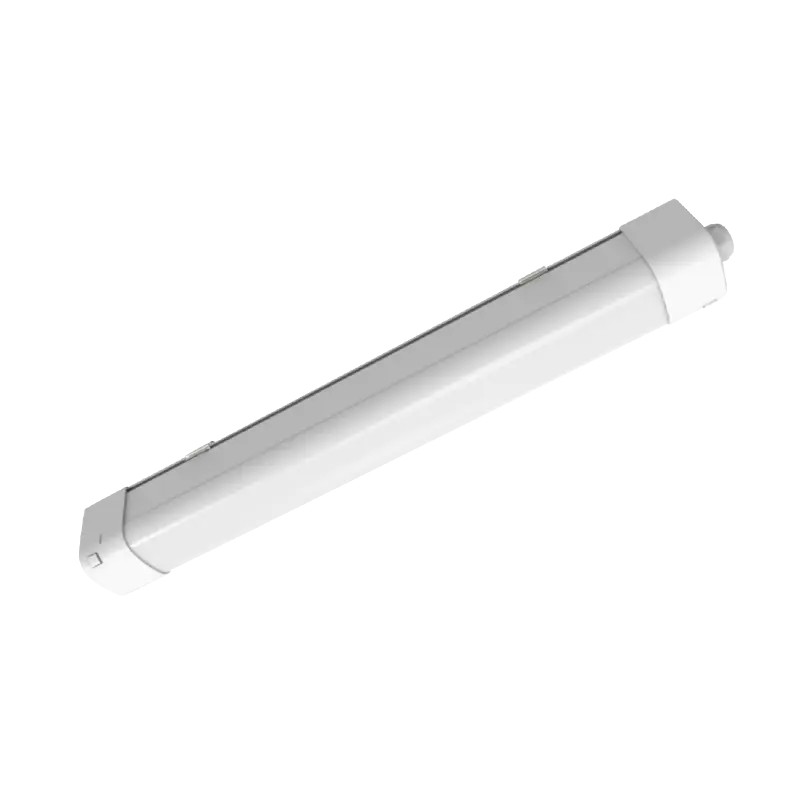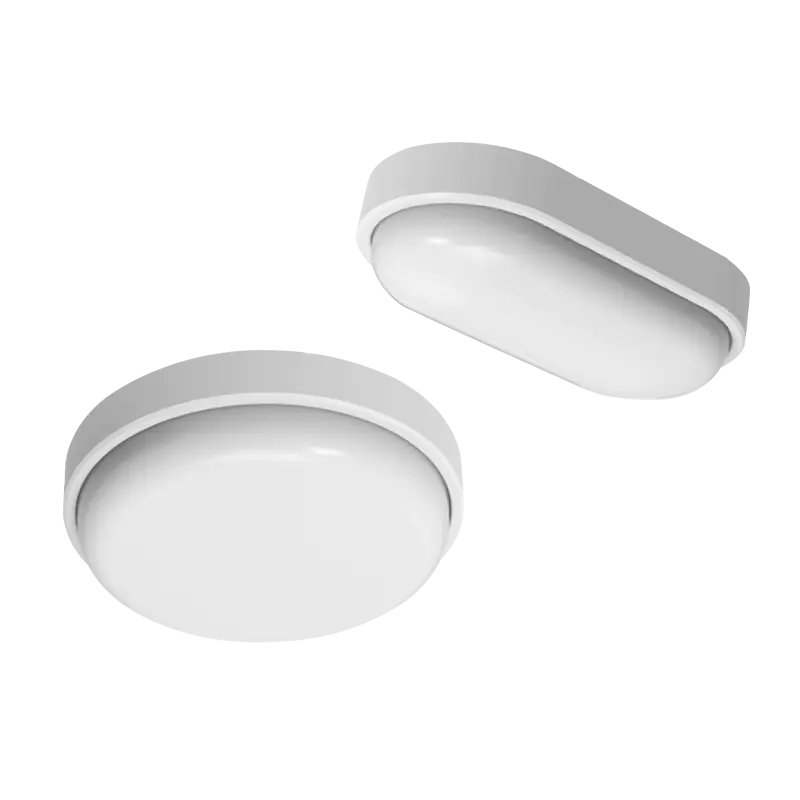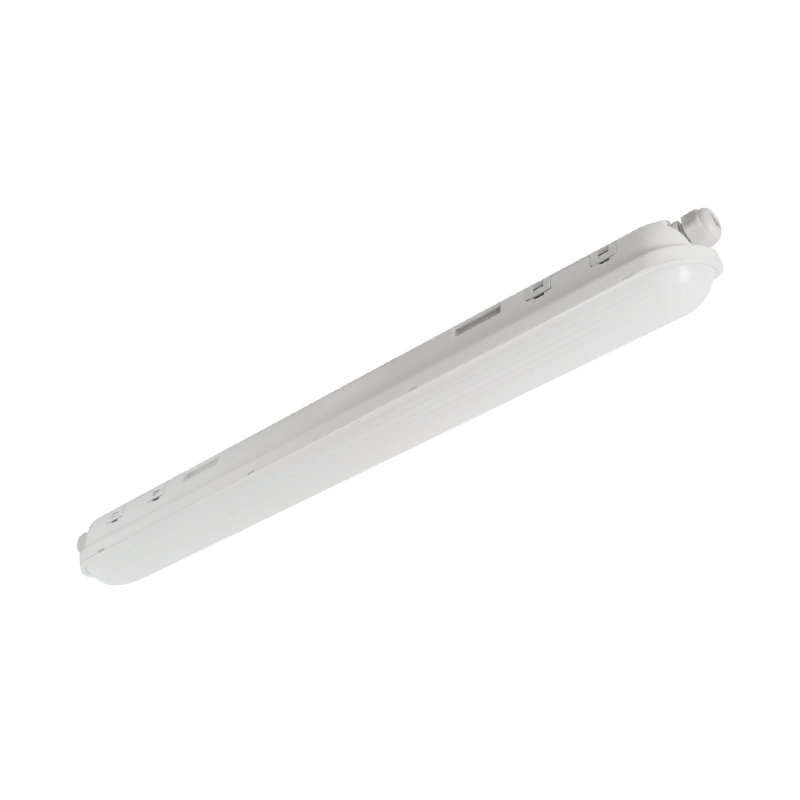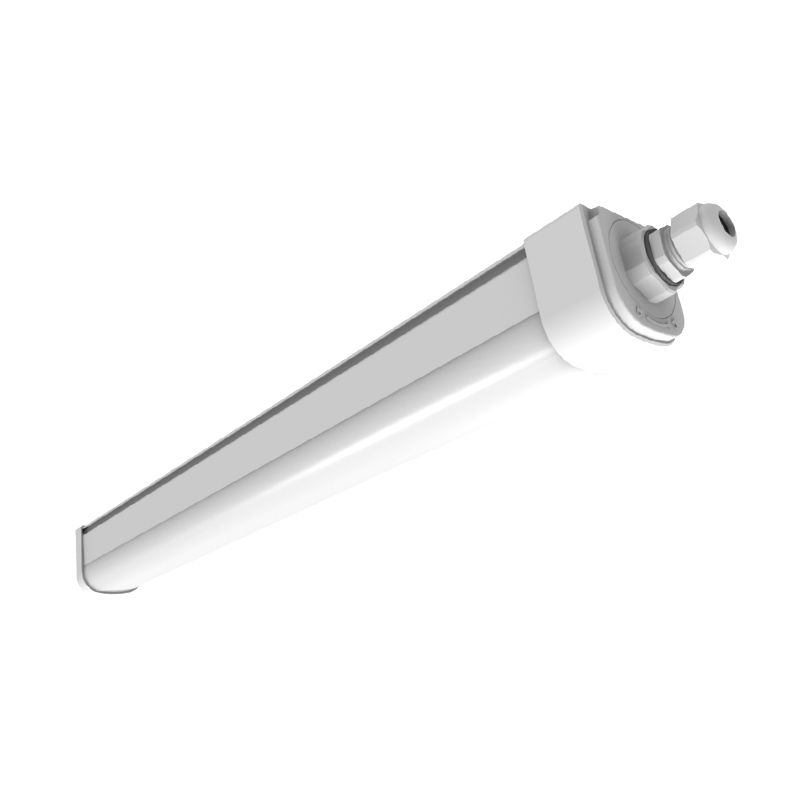


Portable high-brightness LED Tube Tri-Proof Lights are widely used in industrial and outdoor lighting applications. Their high brightness and long lifespan rely heavily on an effective thermal management design. LED light sources are semiconductor devices that generate heat during operation. Inadequate heat dissipation can lead to accelerated lumen depreciation, reduced color rendering index, shortened driver lifespan, and even potential damage to the light fixture. Tri-Proof tubes integrate waterproof, dustproof, and shockproof designs, while an optimized thermal system ensures consistent performance and reliability.
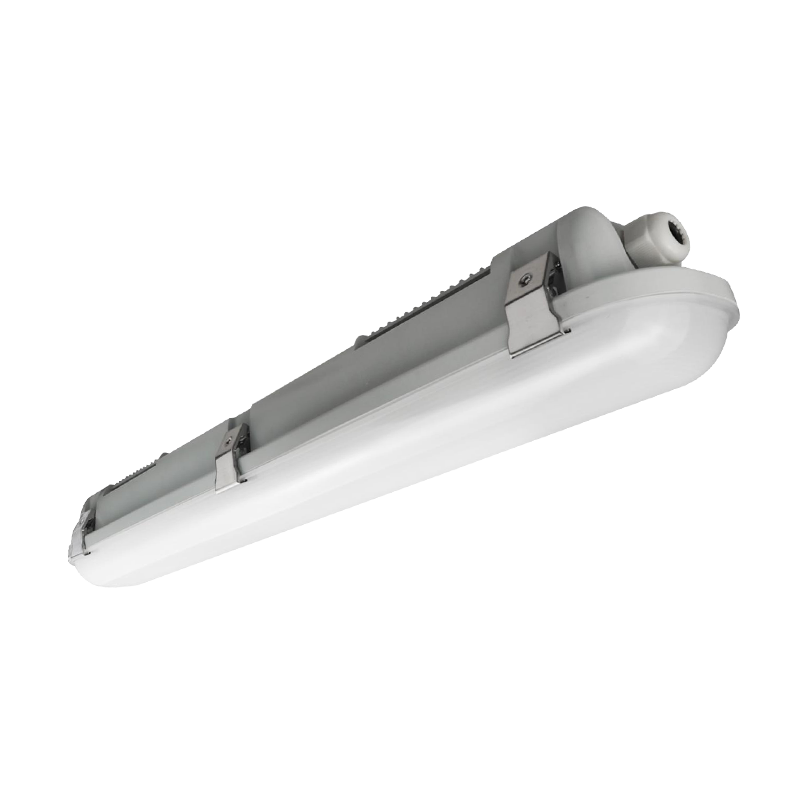
High-performance LED Tri-Proof lights typically feature housings made of high thermal conductivity aluminum alloy or aluminum-PC composites. Aluminum offers excellent heat conduction, rapidly transferring heat generated by the LED chips to the housing surface, which then dissipates it into the air through natural or forced convection. Some portable models include external heat fins, increasing the surface area and enhancing heat dissipation efficiency. Aluminum housings also provide structural strength and vibration resistance, meeting the requirements of demanding industrial environments.
The internal LED module of Tri-Proof lights is usually designed as a separate assembly, with LED chips closely coupled to a thermal base plate. Base plates are generally made of aluminum or copper and optimized in thickness to minimize thermal resistance. Thermal interface materials such as thermal grease or pads are applied between the module and the base plate to ensure efficient heat transfer. High-end models may incorporate thermal barriers between the LED module and driver to prevent heat accumulation from affecting performance. This design achieves rapid heat dissipation within a compact form factor, maintaining the LEDs within their optimal operating temperature range.
The transparent cover of Tri-Proof lights serves both optical and thermal functions. Some models use polycarbonate or tempered glass with good thermal conductivity and the ability to withstand temperature fluctuations without deformation. Air gaps between the cover and housing facilitate air convection, aiding heat removal. Internal airflow is carefully engineered to reduce localized hotspots, improving overall thermal efficiency and ensuring uniform operation.
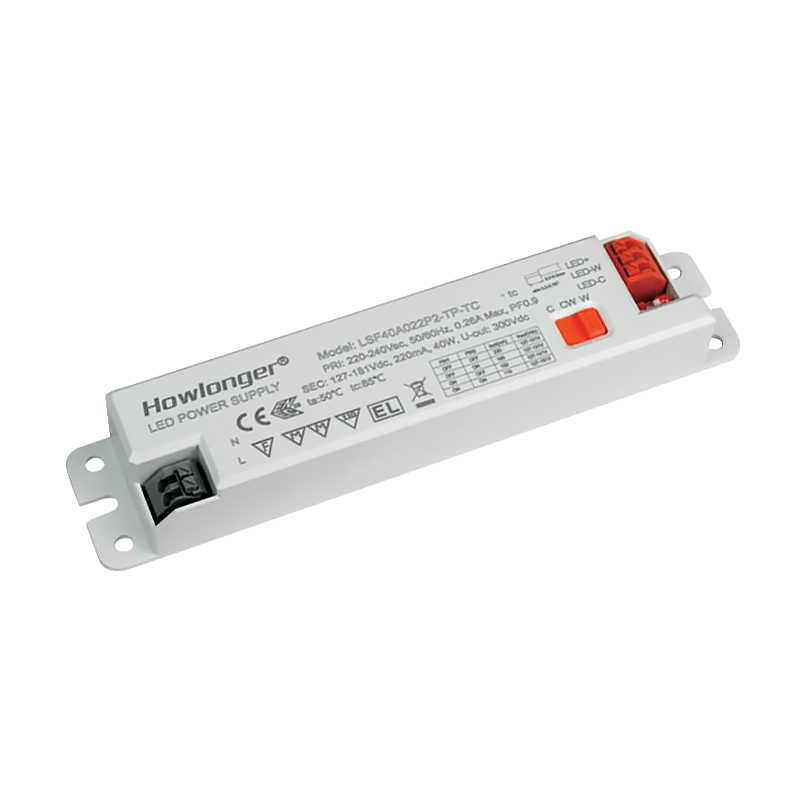
LED drivers are a critical component of thermal management. Portable high-brightness LED Tri-Proof lights typically use constant current drivers with over-temperature protection. Drivers are mounted on the thermal base plate or near heat fins, allowing their heat to dissipate efficiently. Some models include temperature monitoring chips that adjust output current or trigger alarms when the LED module exceeds safe temperature limits. This prevents overheating, maintains lumen output, and safeguards the light fixture.
Portable LED Tri-Proof lights require a balance between heat dissipation and lightweight design. Housing thickness, heat fins, and thermal base plates are optimized to maximize heat removal without increasing bulk. Portable fixtures often feature magnetic mounts or hooks for flexible installation, while thermal design ensures stable operation even during extended high-brightness use. This combination enhances safety, prolongs LED lifespan, and reduces maintenance costs.
In high-temperature environments, thermal management is particularly critical. Tri-Proof lights employ aluminum housings, heat fins, and thermal base plates in synergy, enabling rapid heat transfer and air convection. LED chip temperatures remain within optimal ranges, ensuring consistent lumen output, stable color temperature, and minimal brightness degradation. This makes Tri-Proof lights ideal for industrial plants, tunnels, and underground parking areas, where continuous high-temperature operation is required.



No.8, Ankang West Road, Zonghan Street, Cixi City, Zhejiang Province, P.R.China
0086-574-6320 0283
Copyright © Ningbo Longer Lighting Co., Ltd.
All Rights Reserved.
 Wholesale LED Lighting Fixtures Manufacturers

 Deutsch