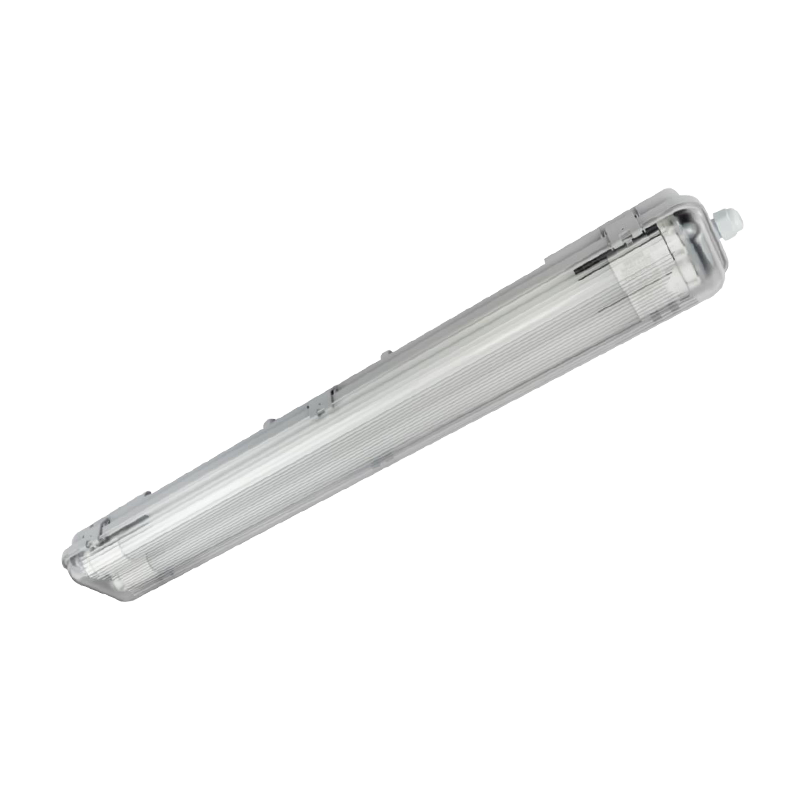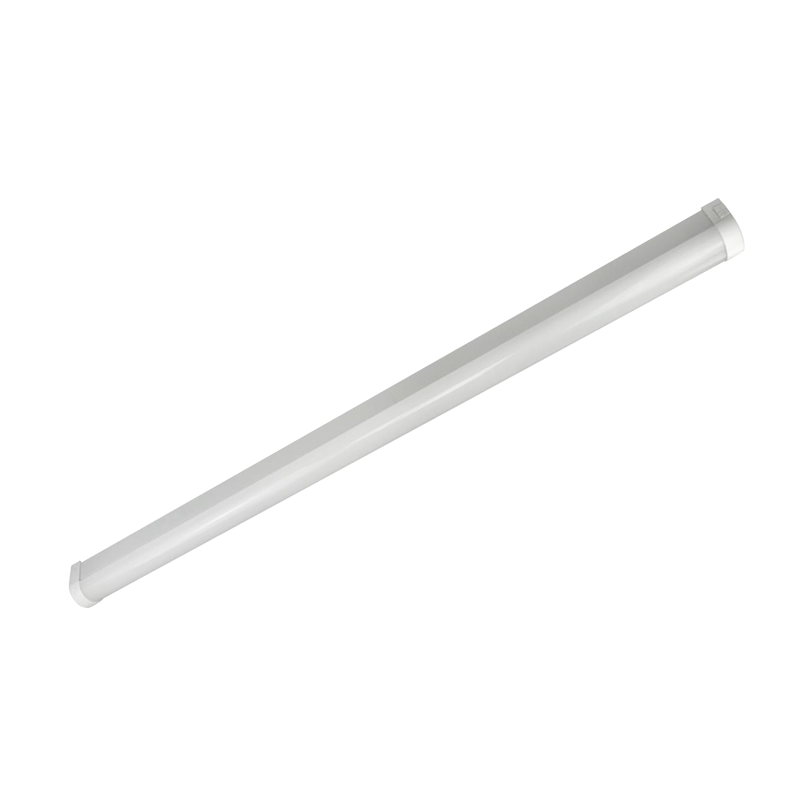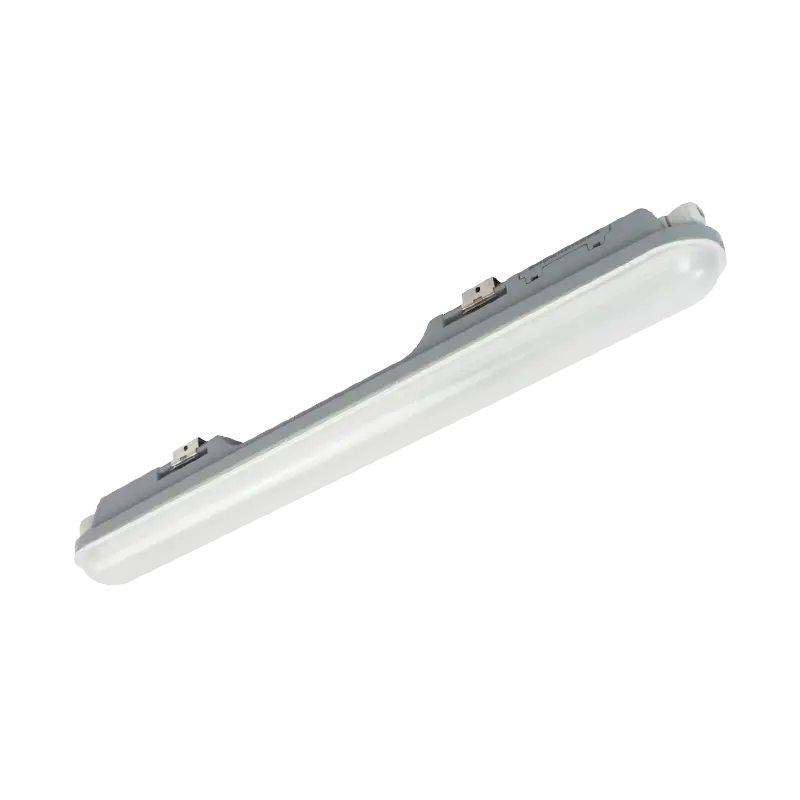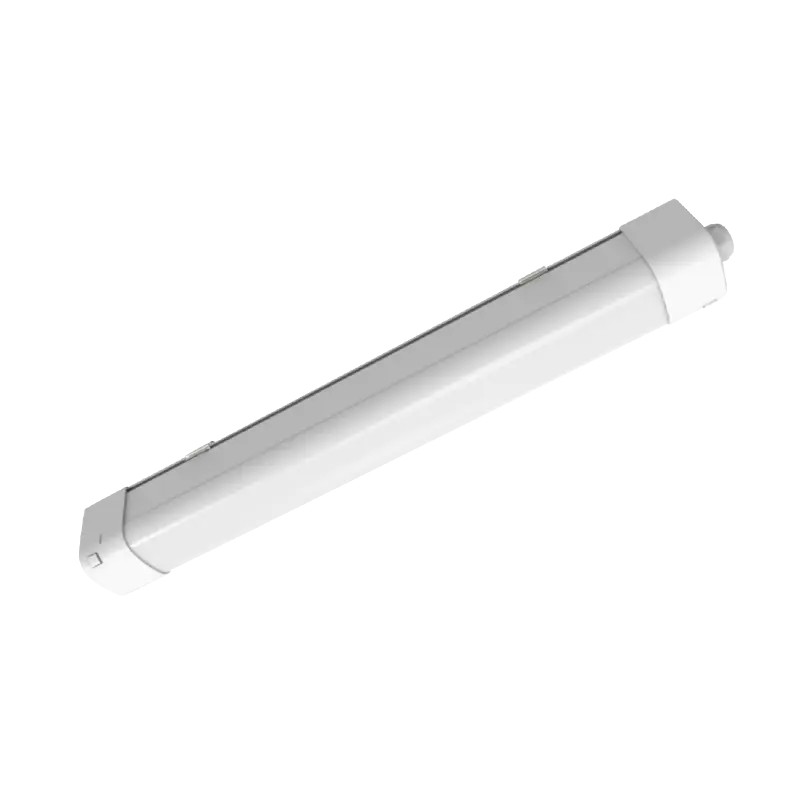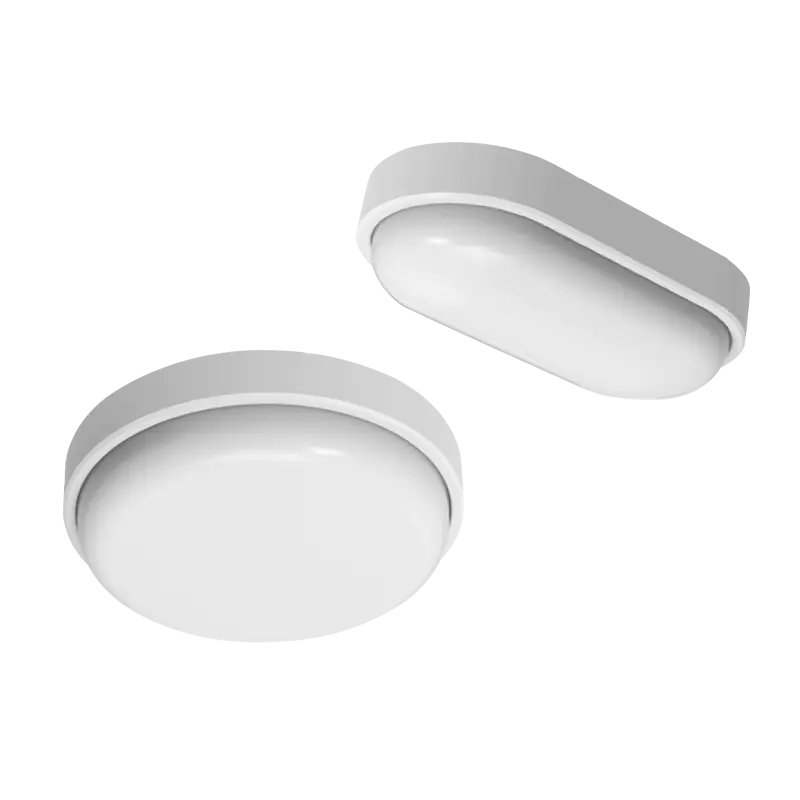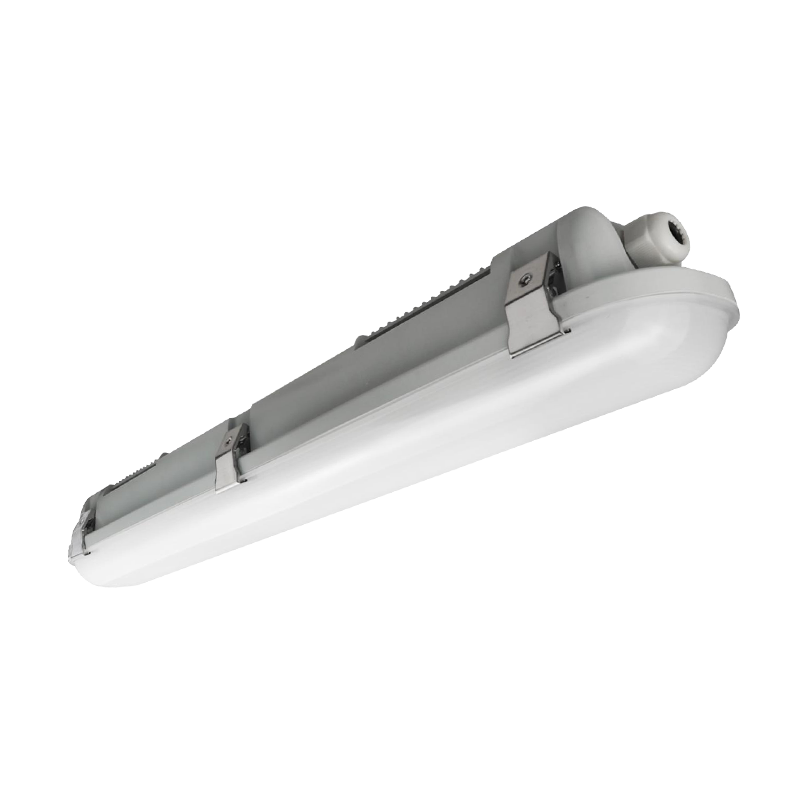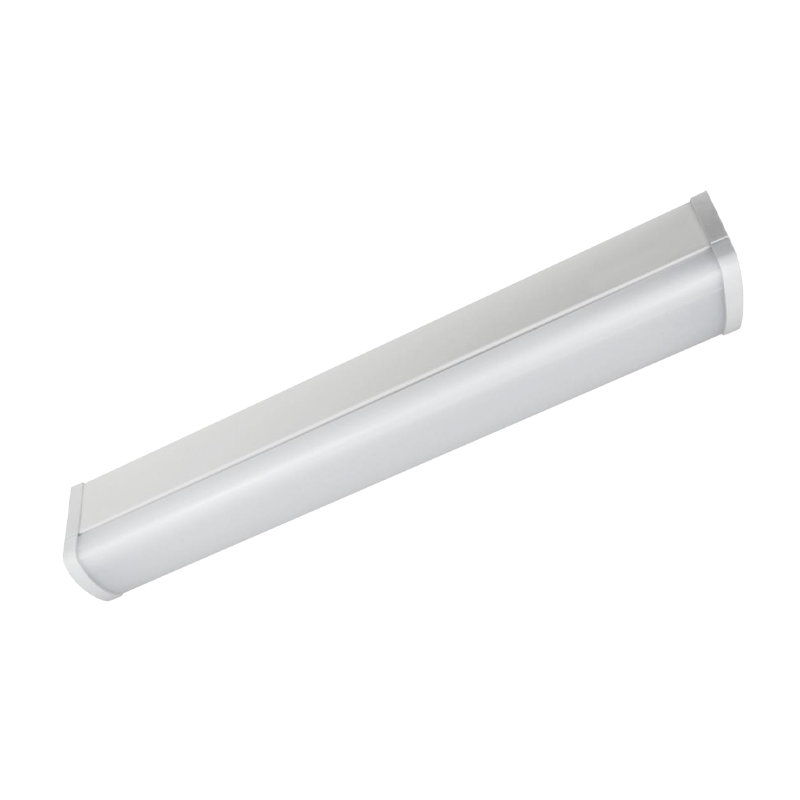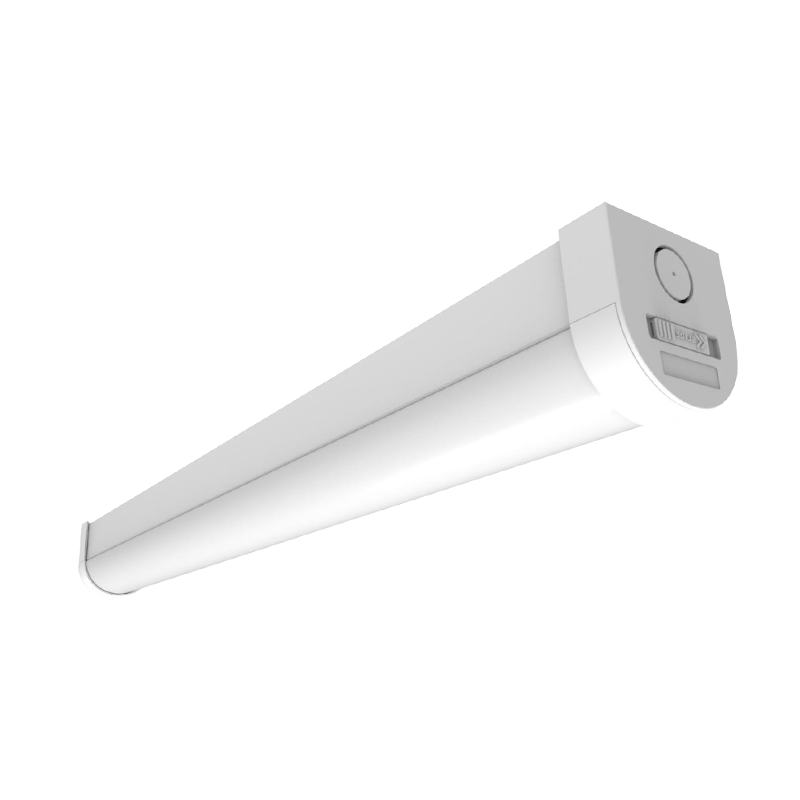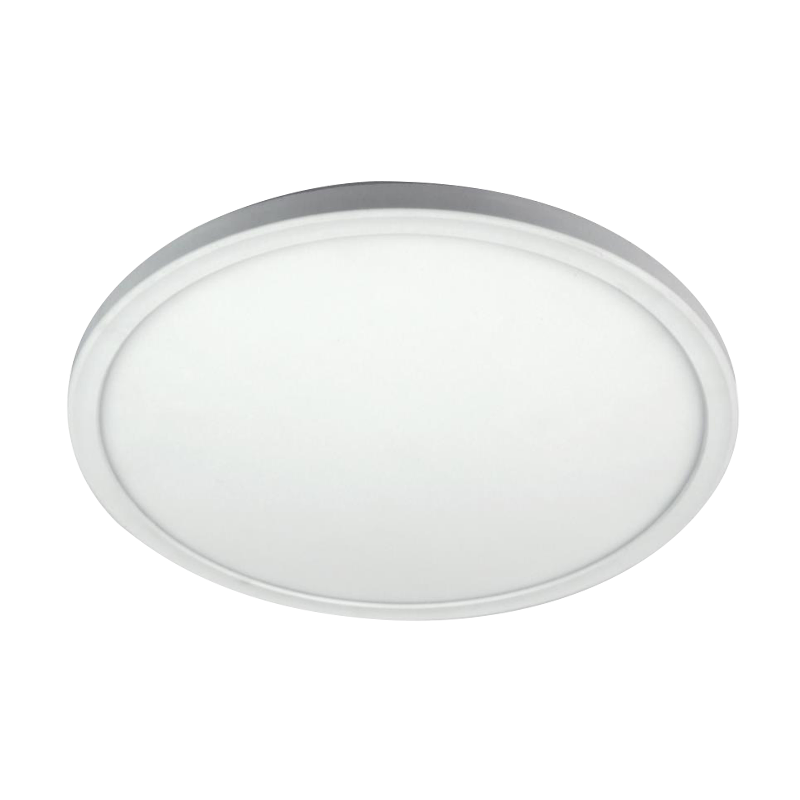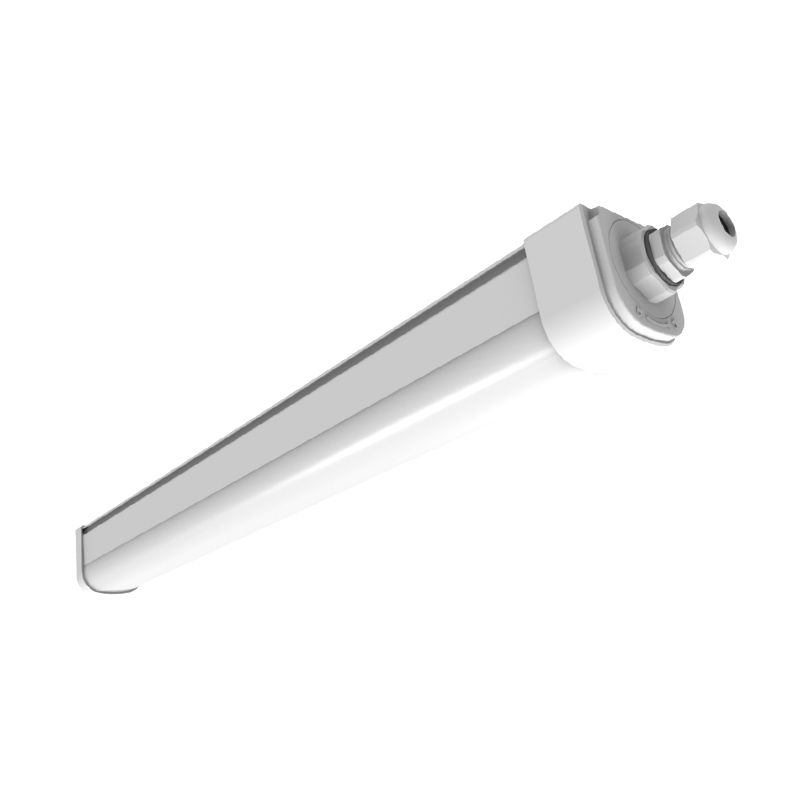


When selecting LED ceiling lights, electrical safety is a critical factor that should not be overlooked. Proper installation and usage can not only ensure the safety of the home environment but also extend the lifespan of the lighting fixtures and improve their performance. This article will elaborate on the key electrical safety issues to consider when choosing LED ceiling lights, helping consumers make informed decisions when purchasing and installing them.
Each LED ceiling light has specific voltage requirements, and it is crucial to confirm compatibility with the home power supply. Generally, LED lighting fixtures operate on AC 220V, but there are also some low-voltage LED ceiling lights designed for environments with lower voltage (such as DC 12V or 24V). When selecting lighting, consumers need to ensure that the power supply voltage is compatible with the fixture to avoid damage or safety risks caused by voltage mismatch.
Furthermore, voltage standards can vary by region, so consumers should confirm whether the purchased LED fixtures are suitable for the local power grid, especially when buying internationally.
The proper wiring method is essential for the electrical safety of LED ceiling lights. Incorrect wiring may lead to short circuits, fires, and other severe consequences. Therefore, when selecting LED ceiling lights, it is important to ensure that the lighting fixtures meet national standards and are equipped with reliable wiring terminals and cables.
If installing the light yourself, it is important to follow the correct wiring procedure to ensure that the neutral and live wires are connected correctly. Wires should be securely fixed, and they must be free from exposed or loose sections. The length, material, and insulation of the wires should meet electrical safety standards to prevent overloads or poor connections that could lead to fires.
The protection rating (IP rating) of LED ceiling lights is a crucial parameter that determines whether the fixture is suitable for a specific environment. In wet or dusty environments such as bathrooms, kitchens, or basements, the waterproof and dustproof performance of LED ceiling lights becomes particularly important. The higher the IP rating, the stronger the protection against dust and water.
Typically, LED ceiling lights with an IP44 rating or higher are suitable for use in humid environments. When installing lights in high-humidity areas, selecting LED fixtures with good waterproof and dustproof performance can effectively prevent electrical faults and electric shock risks.
The electrical safety of LED ceiling lights not only depends on the quality of the fixtures themselves but also on the overload protection of the circuit. Overloading can lead to overheating of wires, short circuits, or even fires. Therefore, when installing LED ceiling lights, it is essential to ensure that the circuit is equipped with appropriate overload protection devices, such as circuit breakers or fuses.
These devices help to disconnect the power in case of an overload, preventing fire hazards caused by excessive current. Additionally, the power rating of the LED fixtures should match the capacity of the home circuit to avoid overloading the system.
Grounding is a fundamental measure for ensuring electrical safety. The electrical system of LED ceiling lights should have proper grounding protection to prevent electrical shocks caused by current leakage. When installing LED fixtures, especially metal or other conductive fixtures, grounding measures are vital.
Residual current devices (RCDs) are important safety devices that protect against leakage. For circuits where LED ceiling lights are installed, an RCD can effectively prevent electrical shocks by detecting leakage currents and disconnecting the power supply. The use of an RCD is essential to prevent the risk of electrical shock.
When selecting LED ceiling lights, the quality of the fixture is the key to ensuring electrical safety. High-quality LED ceiling lights adhere to strict production standards and quality controls, ensuring both electrical safety and long-term stable performance. Consumers should choose LED fixtures that have international certifications, such as CE or UL certification, which guarantee that the lighting meets global electrical safety standards.
Before purchase, consumers should request product certificates and relevant certification documents from sellers to ensure that the lighting fixtures meet national or international electrical safety standards, reducing the risk of electrical hazards.
Although many LED ceiling lights come with installation instructions, it is advisable to seek the help of a professional electrician due to the high electrical safety requirements. Electricians possess the expertise to install fixtures in compliance with electrical standards and guidelines, preventing accidents caused by improper DIY installation.
Additionally, during installation, it is essential to check whether all components and accessories of the fixture are complete and to ensure that the installation location is reasonable. The fixture should not be placed too close to flammable materials, and consideration should be given to ventilation and heat dissipation to avoid safety issues caused by overheating.
LED ceiling lights are highly sensitive to fluctuations in current and voltage. Excessive current or voltage fluctuations may damage the LED fixtures or even cause electrical fires. To ensure electrical safety, it is necessary to maintain a stable voltage in the electrical grid and prevent significant voltage fluctuations.
To mitigate the effects of current fluctuations, it is recommended to use current stabilizers or power filters in the circuit, ensuring the proper operation of LED ceiling lights.



No.8, Ankang West Road, Zonghan Street, Cixi City, Zhejiang Province, P.R.China
0086-574-6320 0283
Copyright © Ningbo Longer Lighting Co., Ltd.
All Rights Reserved.
 Wholesale LED Lighting Fixtures Manufacturers

 Deutsch