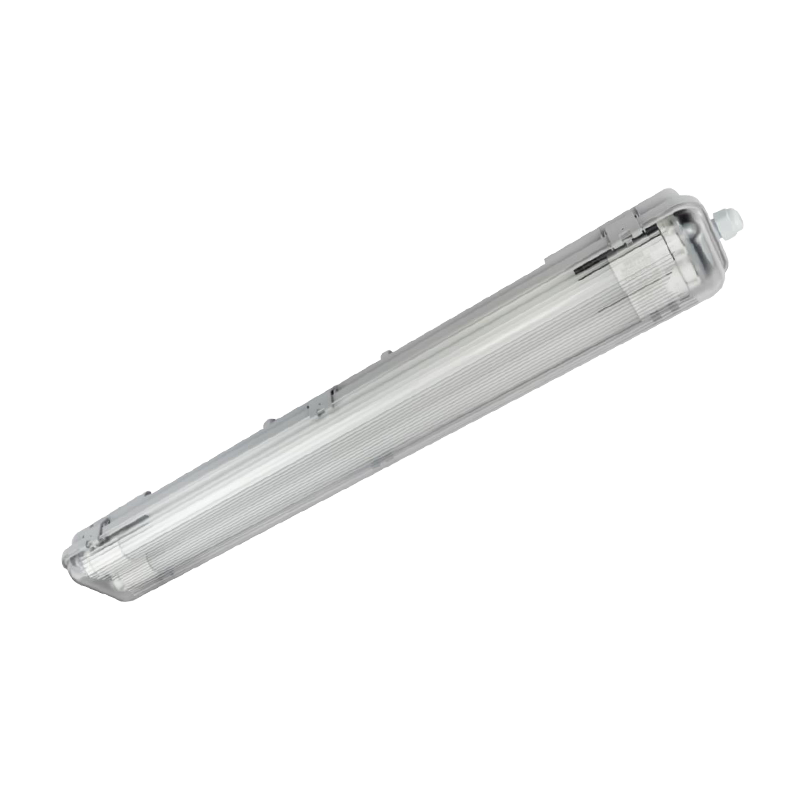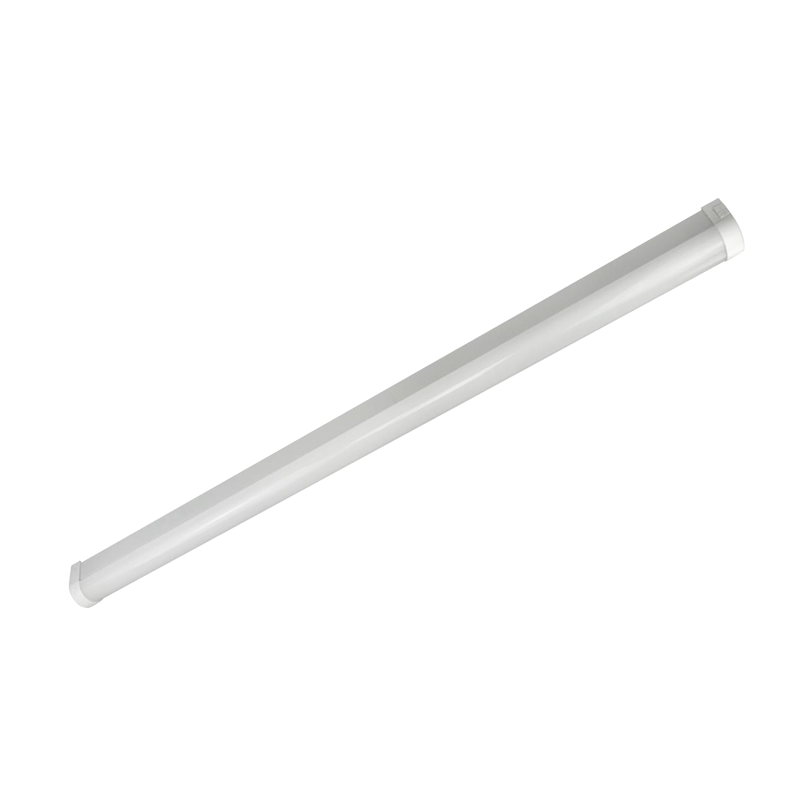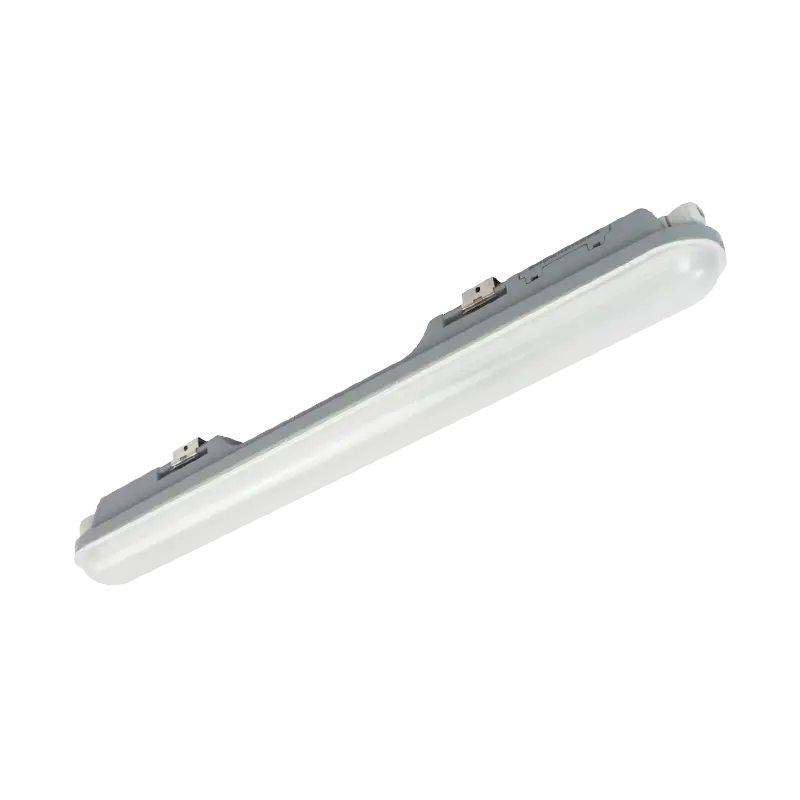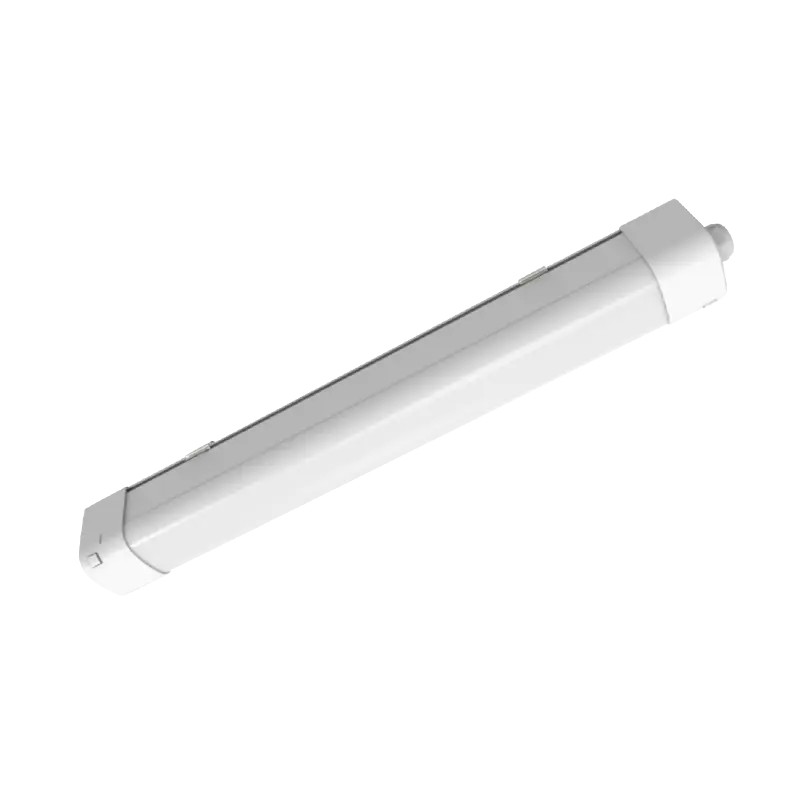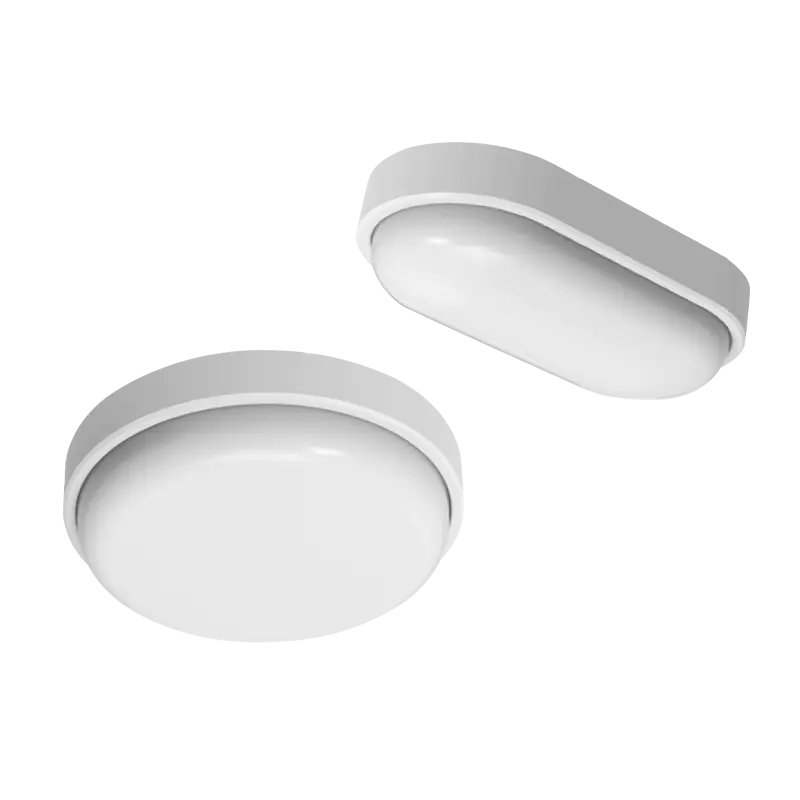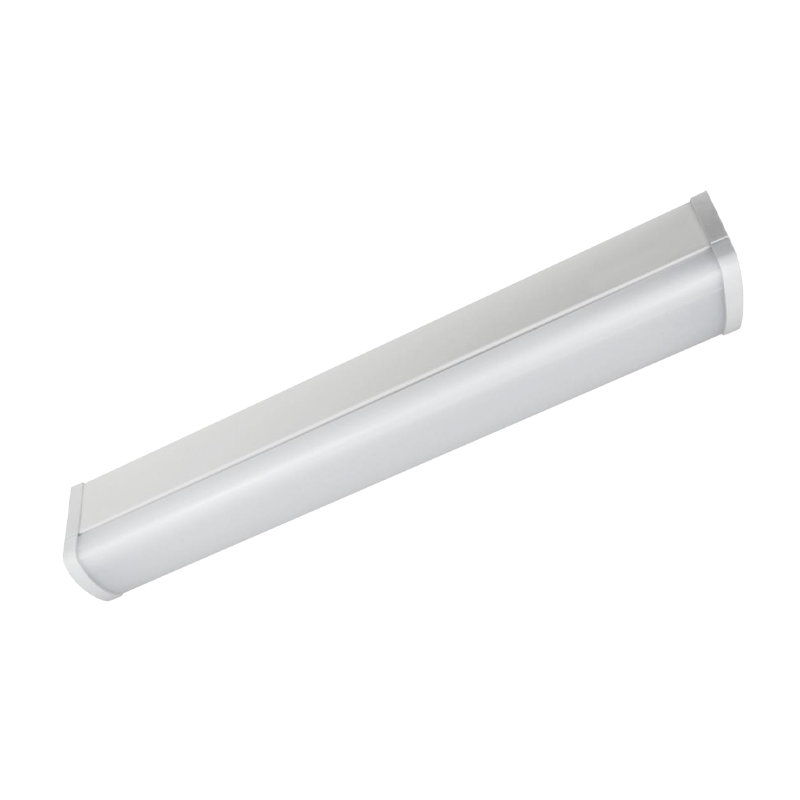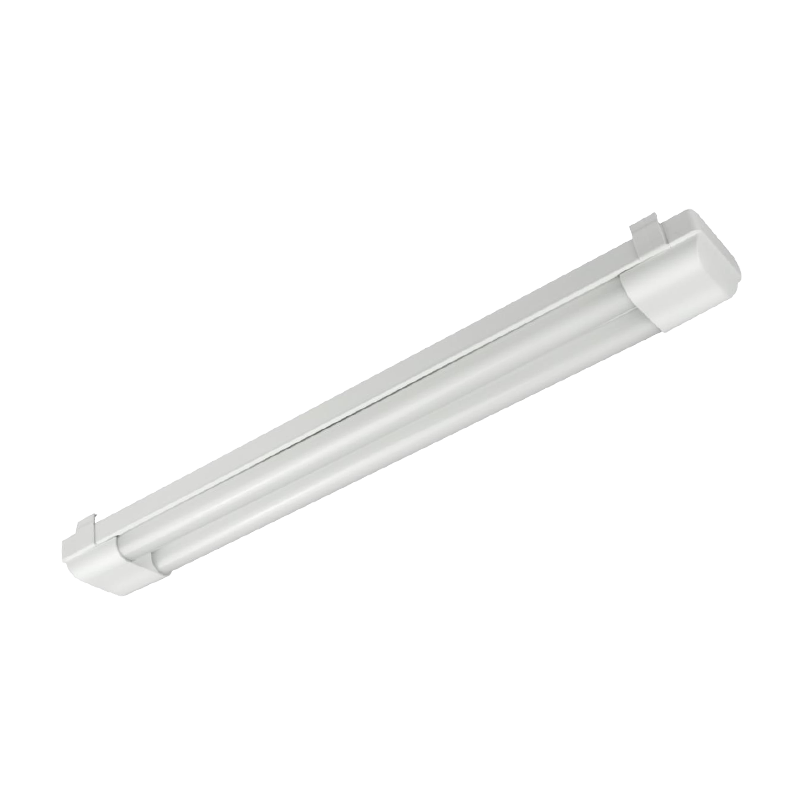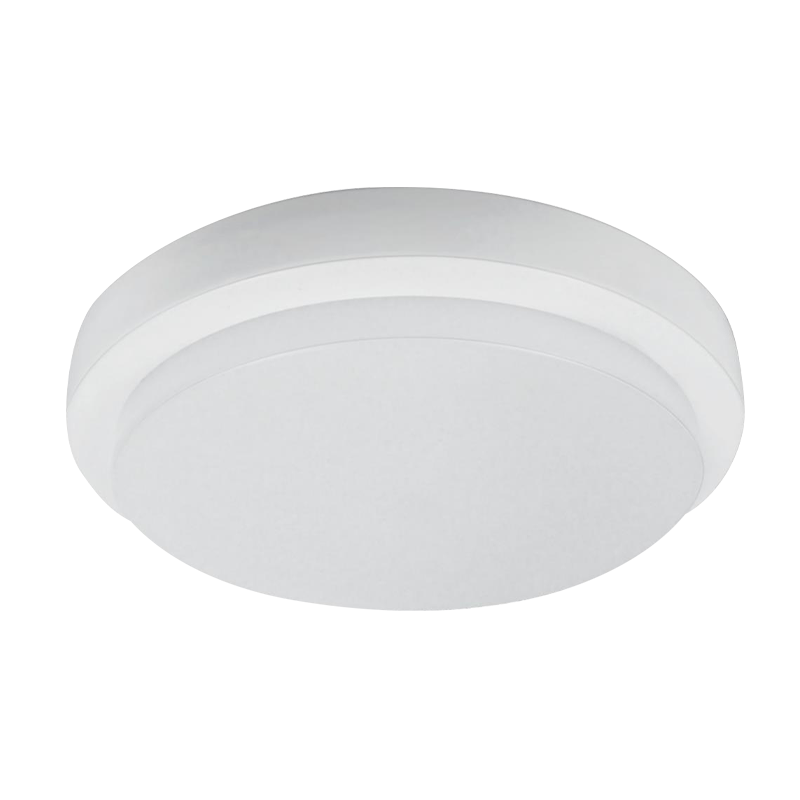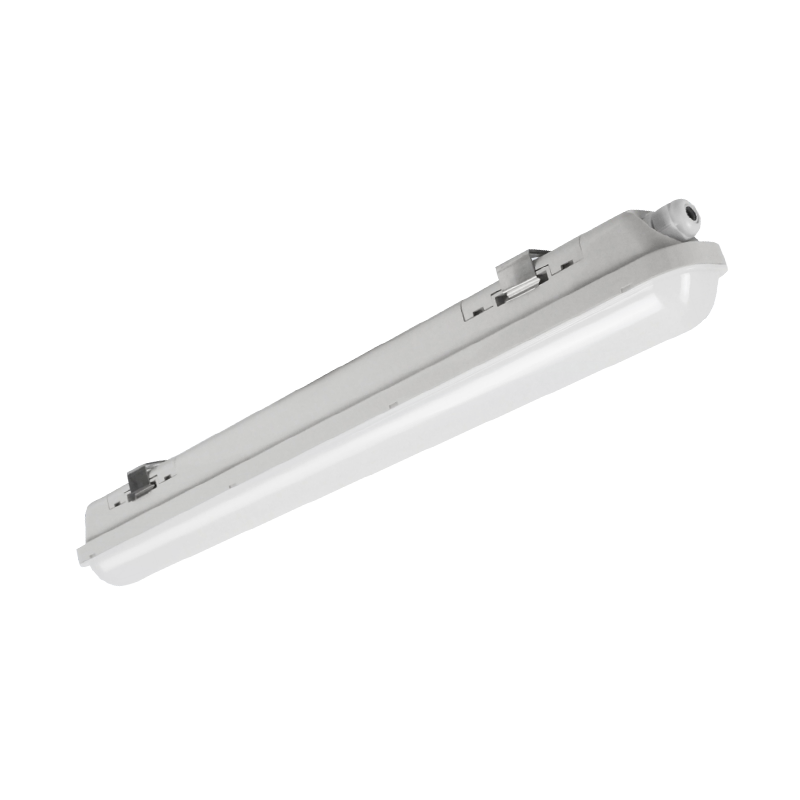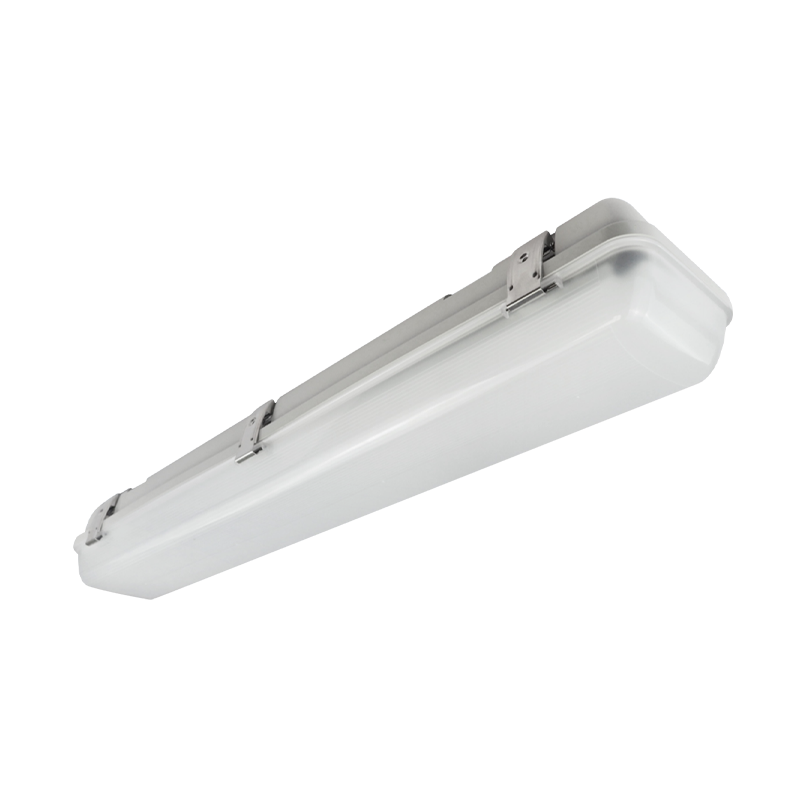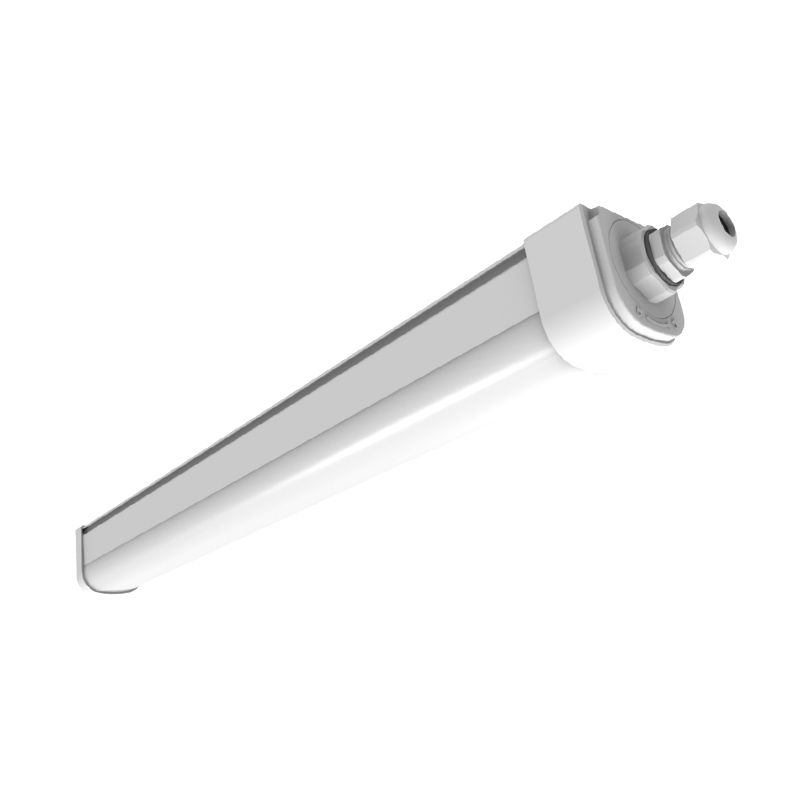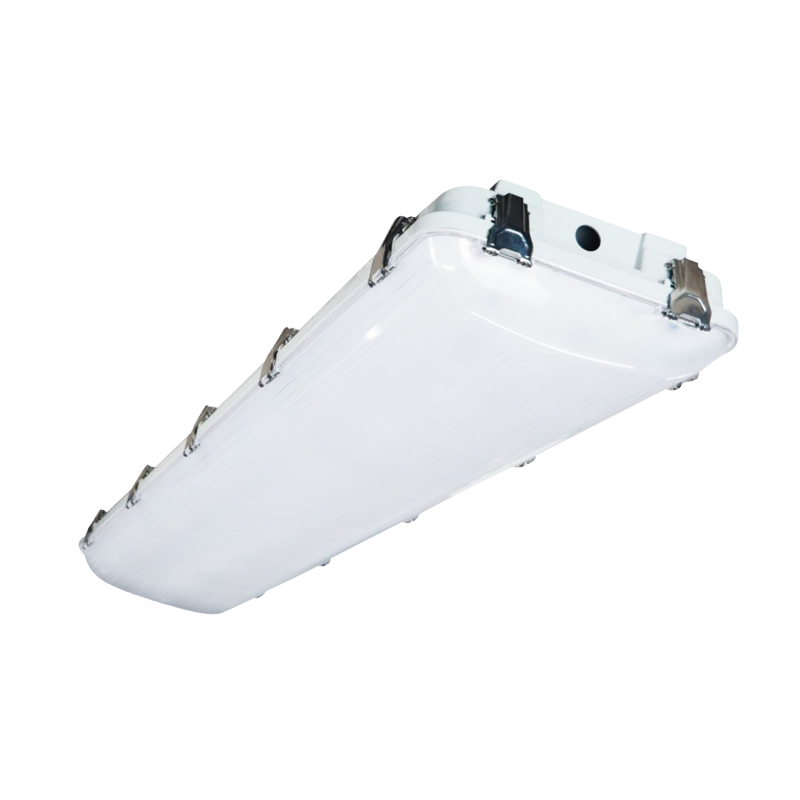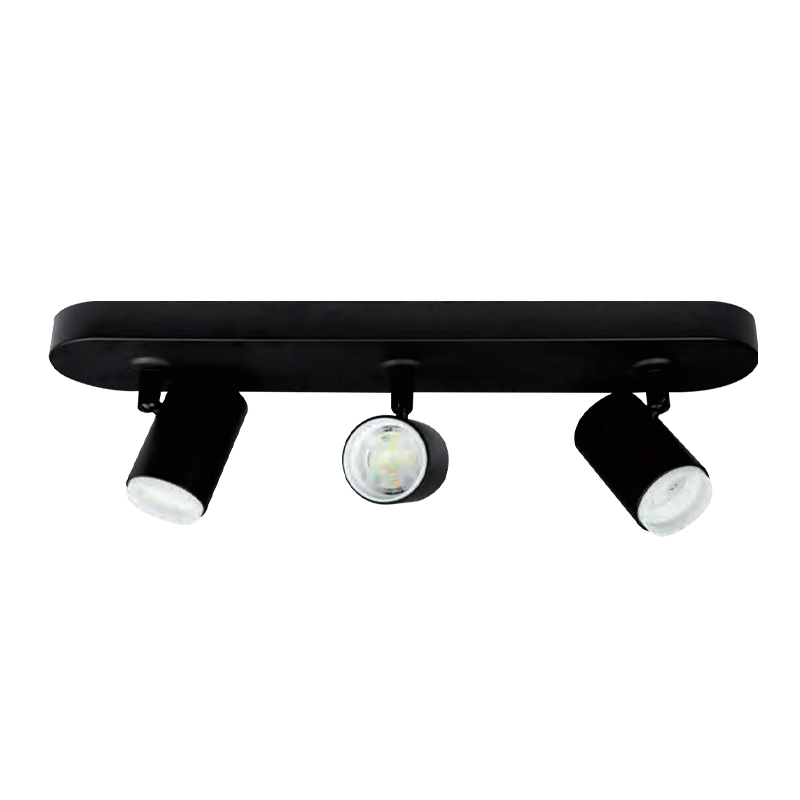


Industrial High-Brightness LED Tri-Proof Lights require careful installation to ensure safe, stable, and efficient operation. Despite their waterproof, dustproof, and corrosion-resistant properties, improper installation can reduce lifespan and compromise lighting performance. Professional installation maximizes functionality and reliability in industrial settings.
Verify that the working environment meets the operational conditions of the Tri-Proof lights. Industrial spaces such as warehouses, workshops, underground garages, and chemical plants have varying humidity, temperature, dust, and corrosive gas levels. Select models with higher protection ratings for outdoor or highly humid areas. Avoid locations with direct contact with corrosive liquids or extreme temperatures.
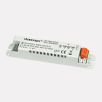
Ensure input voltage matches the lamp specifications, typically AC85-265V wide voltage. Turn off power before wiring and confirm proper insulation. Tri-Proof lights should use independent circuits with reliable grounding. Follow polarity indications for driver wiring to prevent short circuits or reverse connection. For multiple lights, ensure total power does not exceed circuit capacity to prevent overloads.
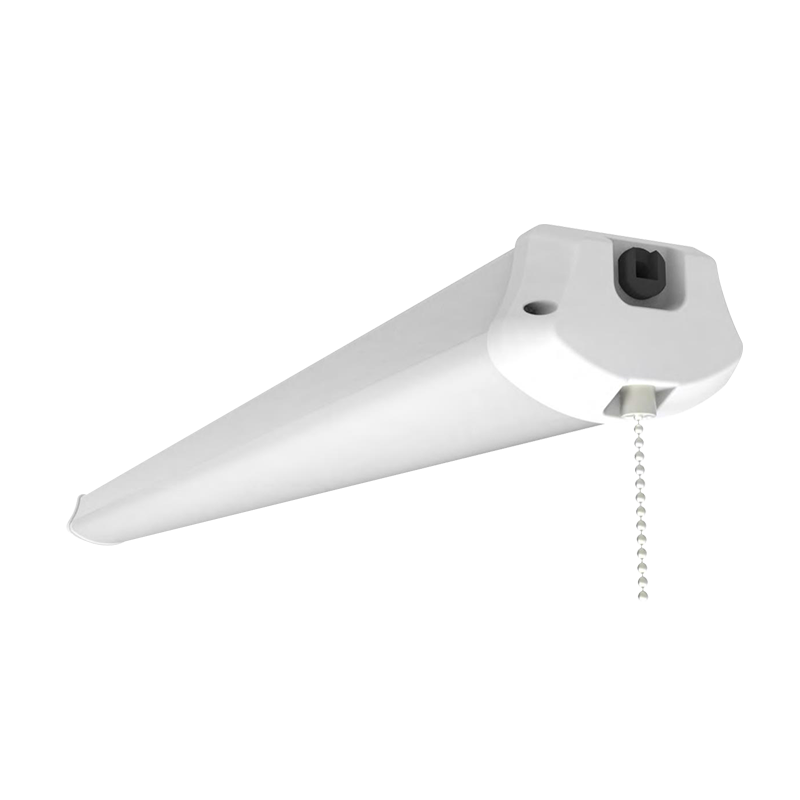
Tri-Proof lights support ceiling, wall, and suspension mounting. Choose the appropriate method based on the site environment. Suspension mounting requires verifying chain or bracket load capacity. Wall and ceiling installations must ensure secure and level positioning. Use corrosion-resistant screws, anchors, and fasteners. High-vibration environments require additional reinforcement to prevent loosening and lighting performance issues.
Ensure correct light direction and beam coverage. Plan fixture placement to avoid dark spots in warehouses, production lines, or tunnels. Avoid obstructions that block light. For dimmable models, consider driver and control system positioning to allow future adjustments.
Inspect seals, screws, and lens integrity before installation to maintain waterproof, dustproof, and corrosion-resistant properties. For outdoor or humid environments, verify sealing performance and consider additional protective covers or waterproof sealant at junctions. Ensure no dust, debris, or moisture inside the fixture before powering on.
Although Tri-Proof lights have heat dissipation designs, ensure adequate airflow around the fixture. Avoid fully enclosed spaces or proximity to heat sources. Poor heat dissipation accelerates LED lumen depreciation and shortens lifespan. Maintain sufficient clearance between the fixture and surrounding objects for optimal ventilation.
Plan installation for easy future maintenance. Leave enough space to replace LED modules or drivers. Ceiling or wall-mounted fixtures should allow safe access. Pre-install terminal blocks or control wiring to facilitate dimming upgrades or system integration later.
In environments with mechanical vibration or impact, use vibration-resistant brackets or shock-absorbing measures. Protect the fixture from loosening or damage, ensuring stable illumination and consistent light output without flicker.
Installers should wear insulated gloves, helmets, and protective equipment. Avoid touching live wires or internal components during installation. Follow national or regional electrical safety standards. Compliance with CE, UL, or relevant industrial certifications ensures safe and reliable operation.



No.8, Ankang West Road, Zonghan Street, Cixi City, Zhejiang Province, P.R.China
0086-574-6320 0283
Copyright © Ningbo Longer Lighting Co., Ltd.
All Rights Reserved.
 Wholesale LED Lighting Fixtures Manufacturers

 Deutsch