

In modern architectural design and interior lighting planning, choosing between Recessed and Surface Mounted ceiling lights is not merely a matter of aesthetic preference; it is a complex balance of spatial geometry, thermal management, and visual comfort. As a leading lighting solutions provider, we analyze the core technical differences between these two options from a professional perspective.
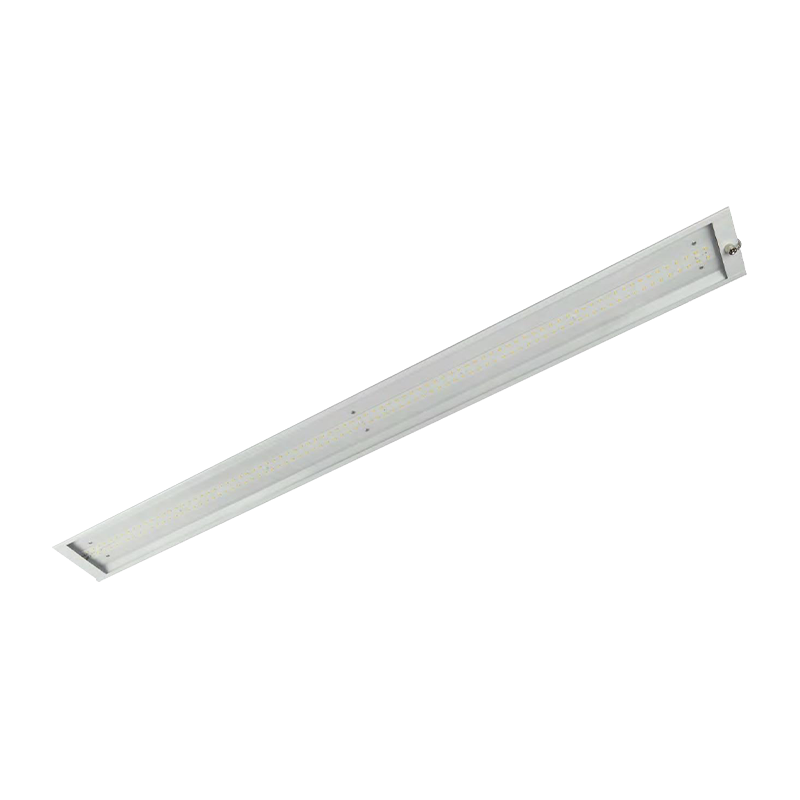
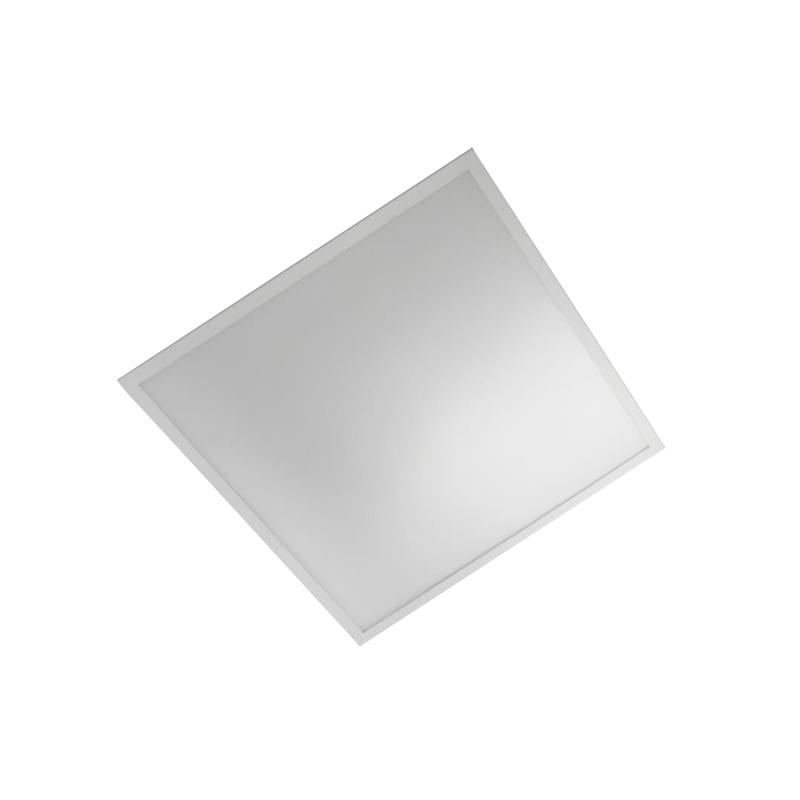
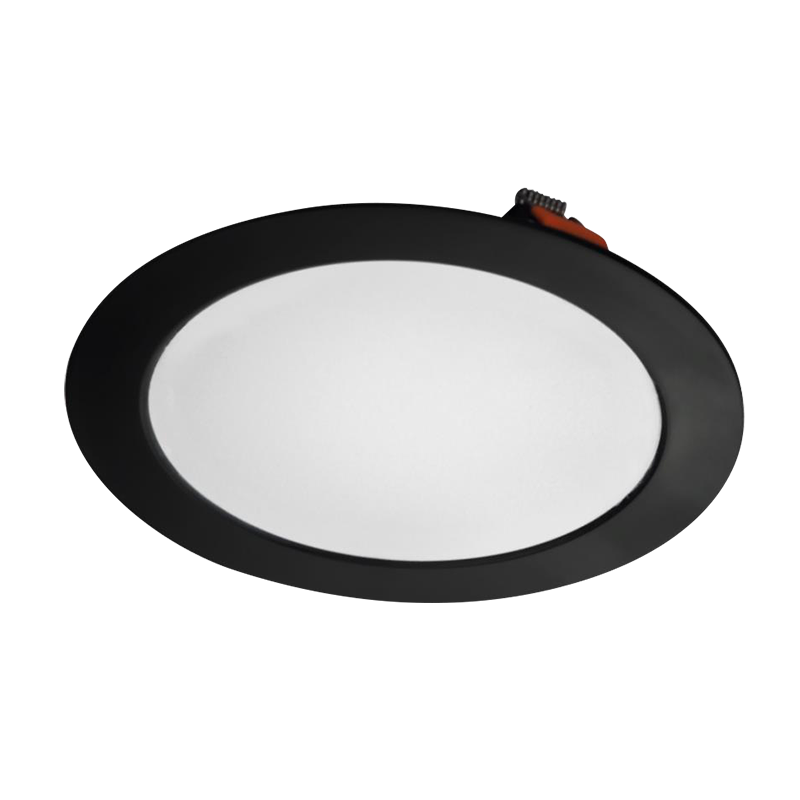
Recessed Lighting, commonly referred to as downlights or spotlights, offers the primary technical advantage of "invisibility." The fixture body is entirely concealed within the ceiling cavity, leaving the luminous surface flush with the ceiling plane. From an optical standpoint, this design provides exceptional Visual Cleanliness, preventing the lighting hardware from encroaching on the physical volume of the room.
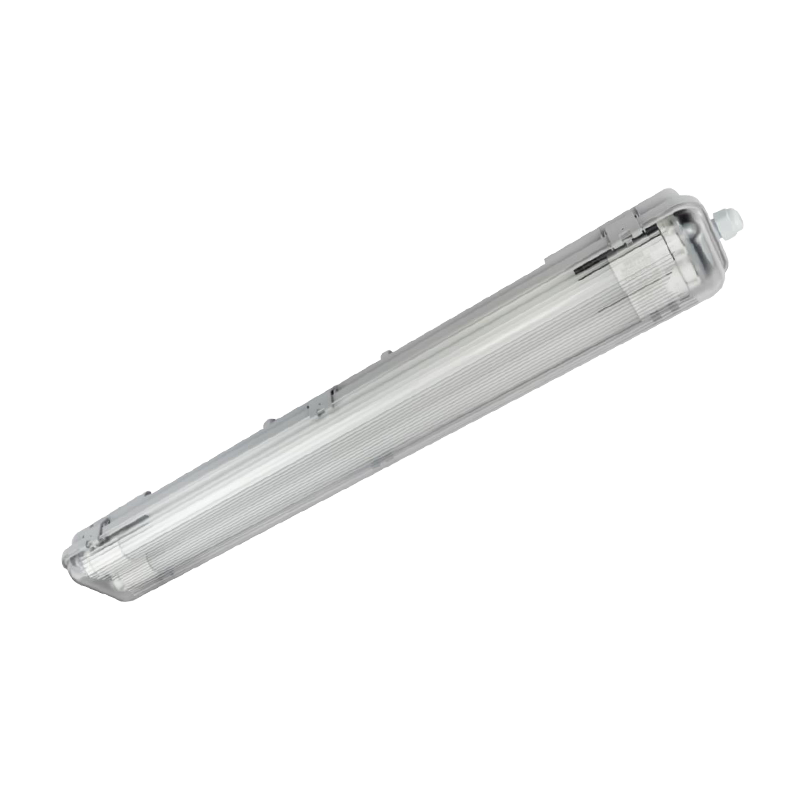
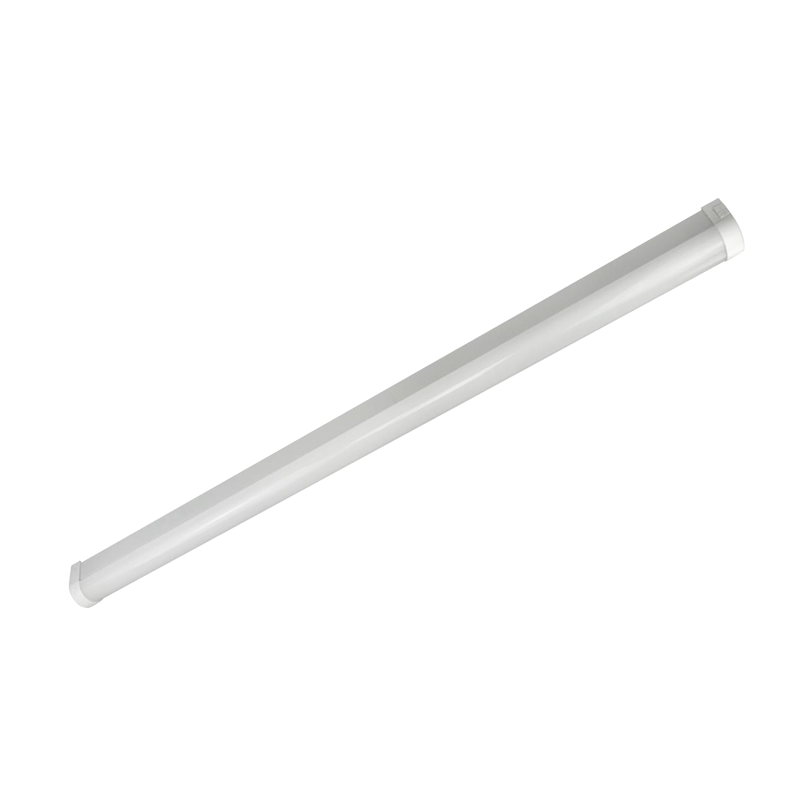
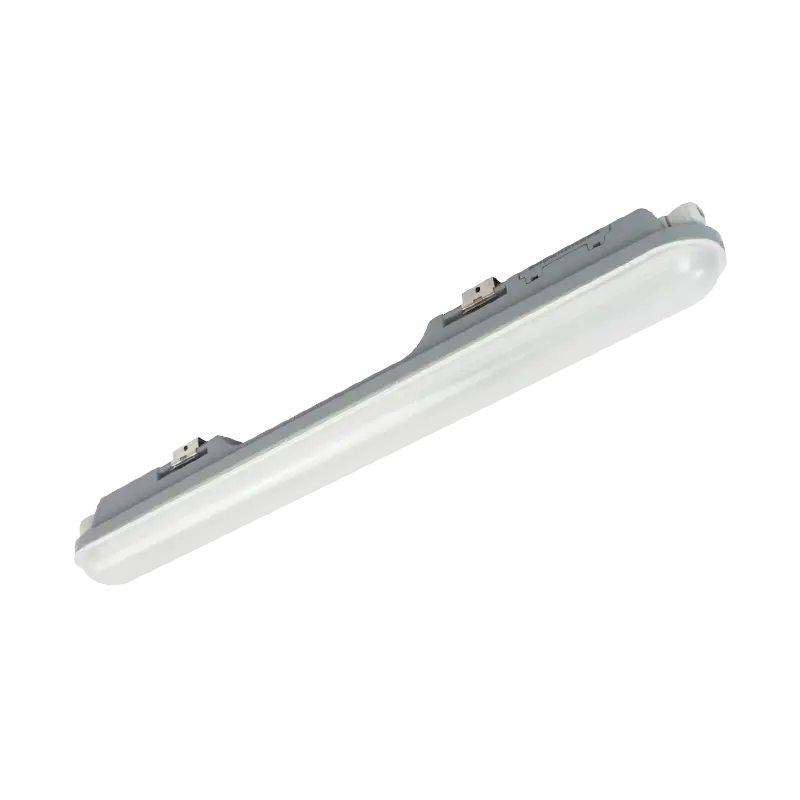
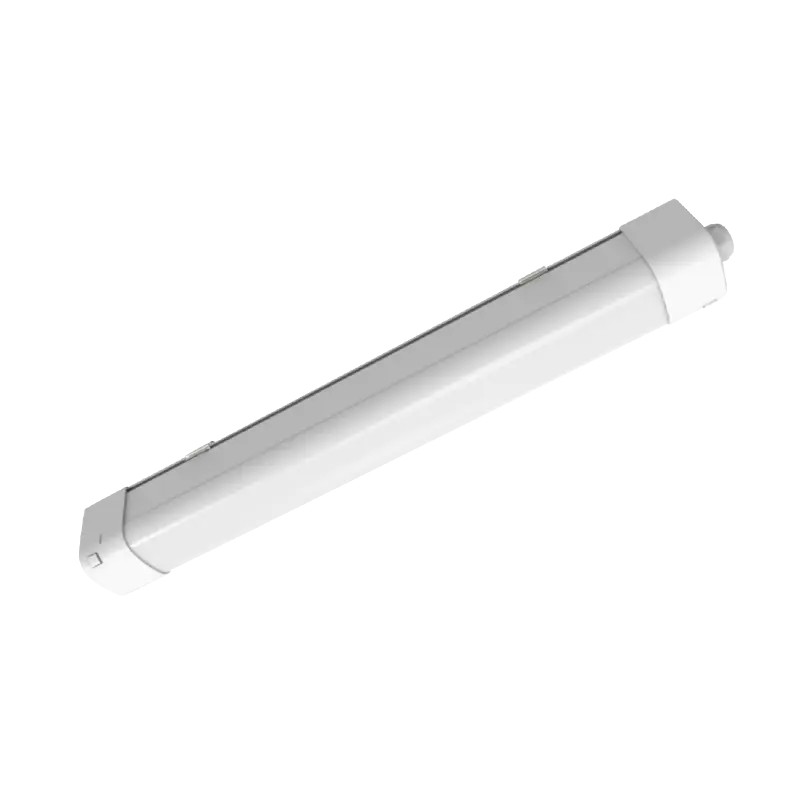
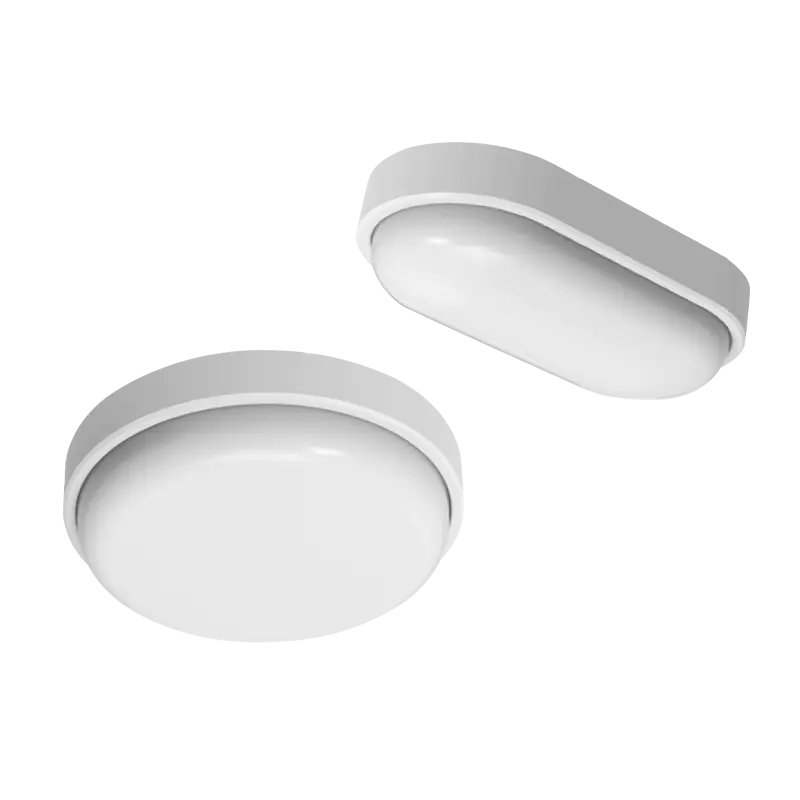
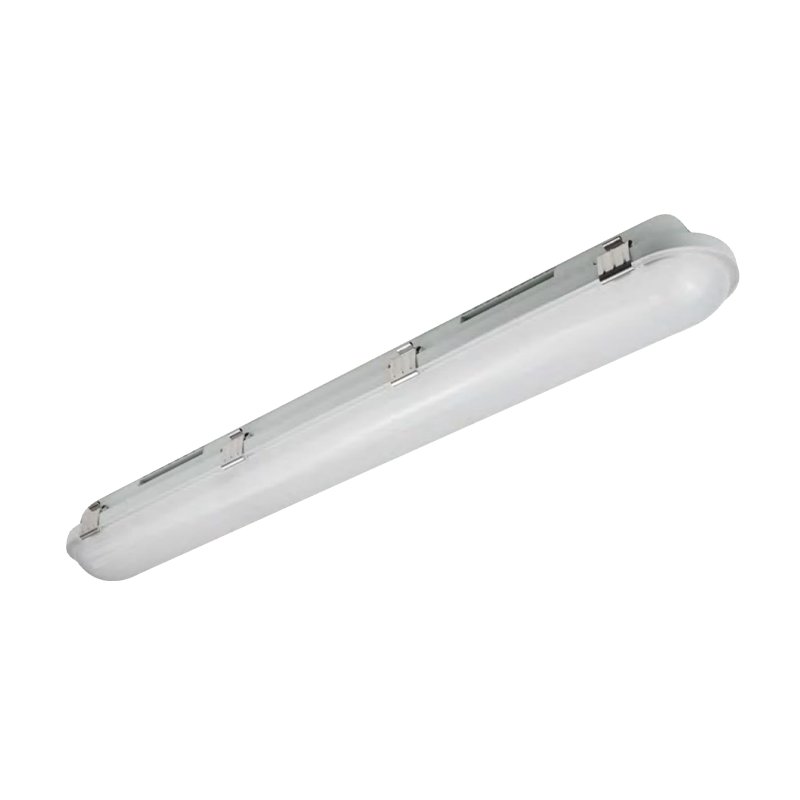
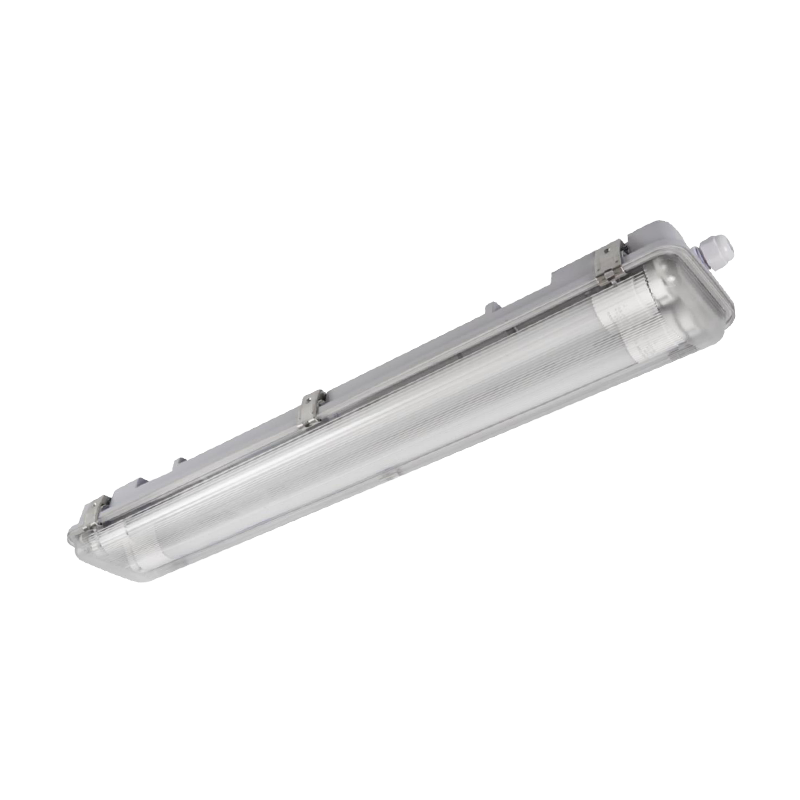
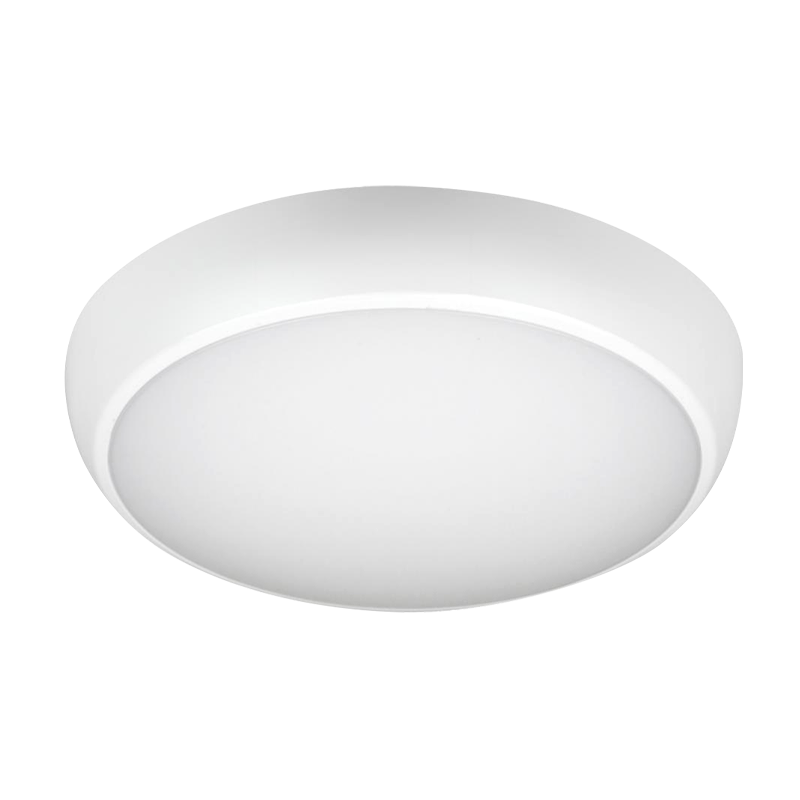
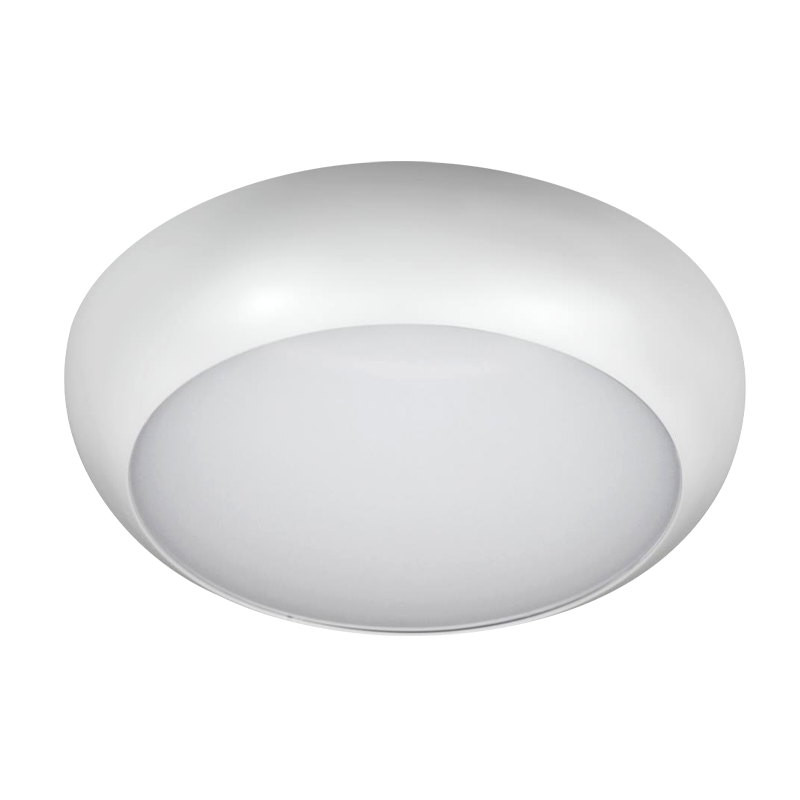
Conversely, Surface Mounted ceiling lights are fixed directly onto the ceiling substrate. For apartments with No False Ceiling or low floor-to-ceiling heights (under 2.6 meters), Surface Mounted fixtures often become a visual focal point. If the scale is poorly chosen, an oversized fixture can create a sense of compression. However, in industrial-style designs, the metallic textures and exposed lines of surface-mounted units can enhance spatial layering.
In professional lighting, Recessed fixtures typically offer more precise Beam Angle control. Because the LED chip is positioned deeper within the housing, paired with high-quality Reflectors or TIR Lenses (Total Internal Reflection), accurate light distribution from 15° to 60° can be achieved. This makes recessed lighting superior for Accent Lighting, allowing for the precise illumination of artwork or sculptures without creating excessive spill light.
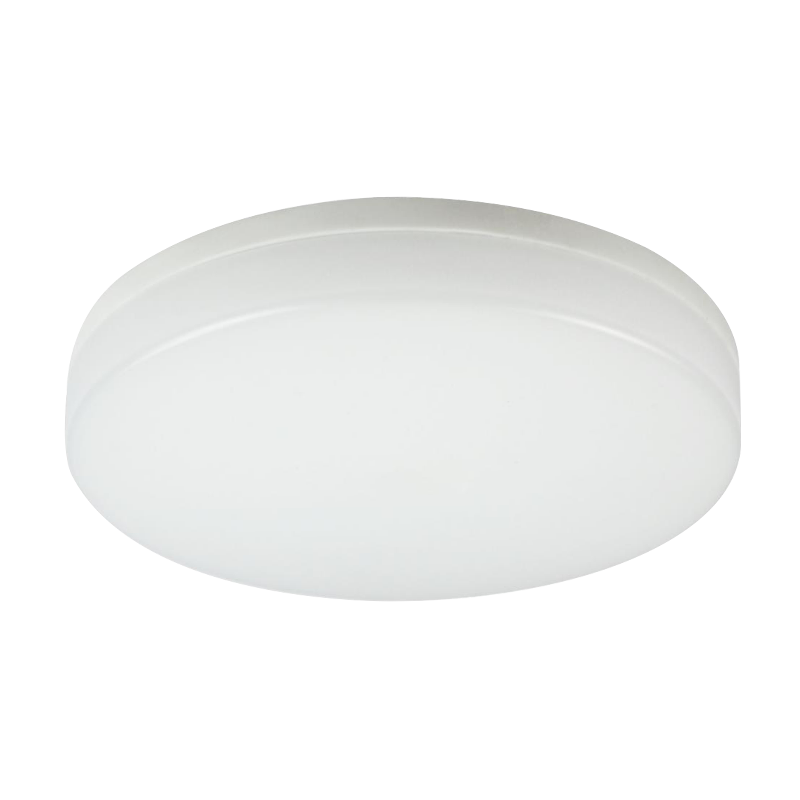
Surface Mounted ceiling lights generally utilize an Opal Diffuser. The light distribution is closer to General Lighting, with beam angles often exceeding 120°. The objective is to achieve uniform light distribution throughout the entire space. For living rooms or offices requiring high Lux levels, surface-mounted fixtures provide a more efficient area light source, reducing dark zones and shadows within the room.
The lumen depreciation of an LED is strictly linked to its Junction Temperature. Recessed fixtures face complex thermal environments because they are installed within enclosed ceiling voids. If insulation is present, IC Rated (Insulation Contact) certified fixtures must be used; otherwise, heat accumulation will drastically shorten the chip's lifespan.
Surface Mounted fixtures possess an inherent advantage in heat dissipation. The fixture body is fully exposed to the air, allowing for natural convection. The aluminum alloy Heat Sink on the rear of the unit can effectively dissipate heat into the surrounding environment. Under identical power ratings, the thermal efficiency of surface-mounted lights is typically higher than that of recessed lights, directly enhancing the stability of the LED Driver.
From a construction cost perspective, Recessed lighting depends on a suspended ceiling system. This requires the property owner to invest in framing, gypsum board, and professional cutting services. Additionally, a false ceiling sacrifices 10-15cm of interior height, which is an expensive spatial cost in high-density urban housing.
The strength of Surface Mounted lighting lies in its non-invasive installation. It does not require altering the ceiling structure and can be secured to standard electrical junction boxes. For renovations of older buildings or spaces with direct-spray concrete ceilings, surface mounting is the only professional choice. Furthermore, maintenance is more straightforward, as drivers and components can be accessed without disturbing the ceiling structure.
The UGR (Unified Glare Rating) is a critical metric for indoor lighting quality. Recessed fixtures often utilize "deep-recessed" designs where the light source is hidden high within the housing. This results in a larger shielding angle, effectively reducing direct light entering the human eye and lowering glare. This achieves the premium "see the light, not the lamp" effect.
Surface Mounted lights, because the luminous surface is exposed, can produce significant glare if the wattage is high and structural shielding is absent. To mitigate this, high-end surface-mounted fixtures often employ Edge-lit technology combined with a light guide plate (LGP), making the output softer and more eye-friendly, balancing high brightness with visual comfort.



No.8, Ankang West Road, Zonghan Street, Cixi City, Zhejiang Province, P.R.China
0086-574-6320 0283
Copyright © Ningbo Longer Lighting Co., Ltd.
All Rights Reserved.
 Wholesale LED Lighting Fixtures Manufacturers

 Deutsch