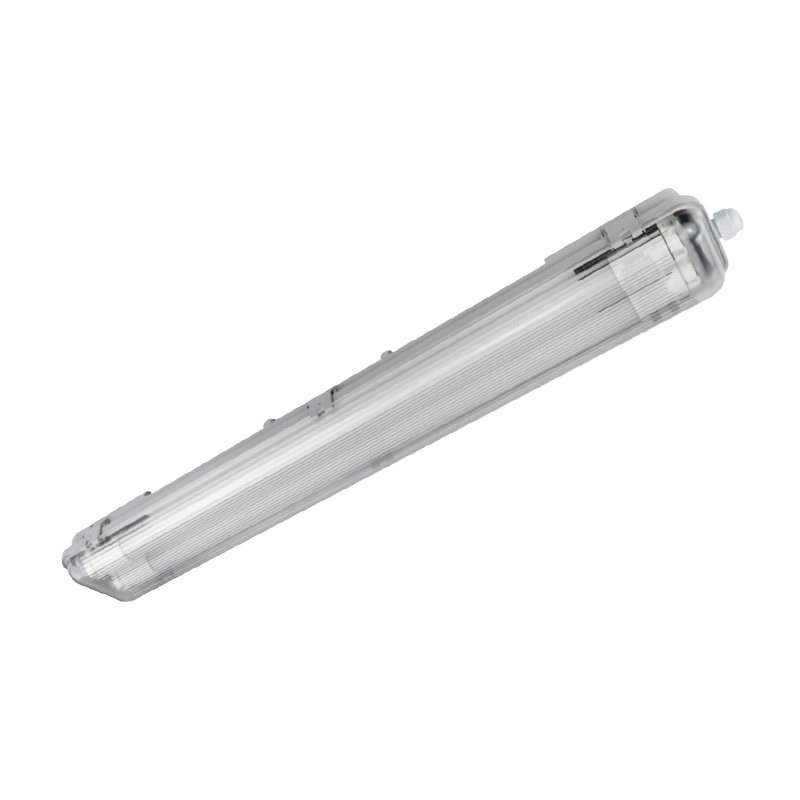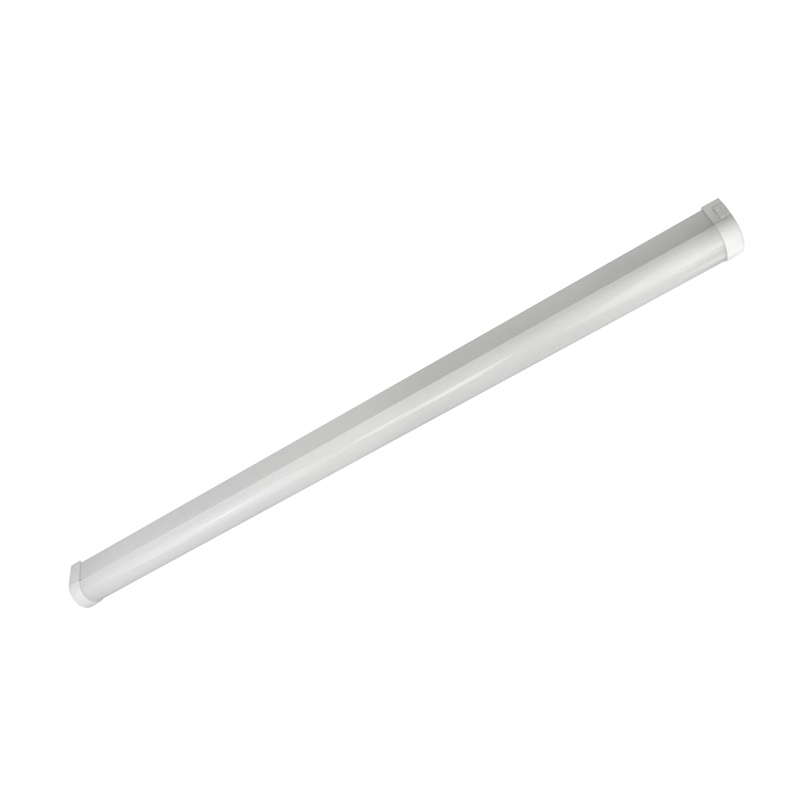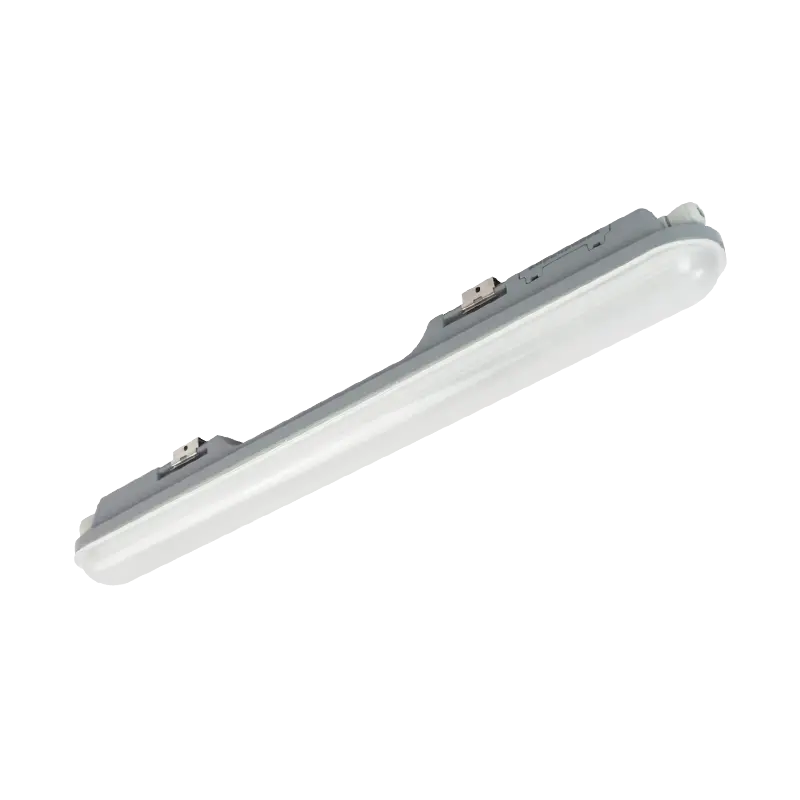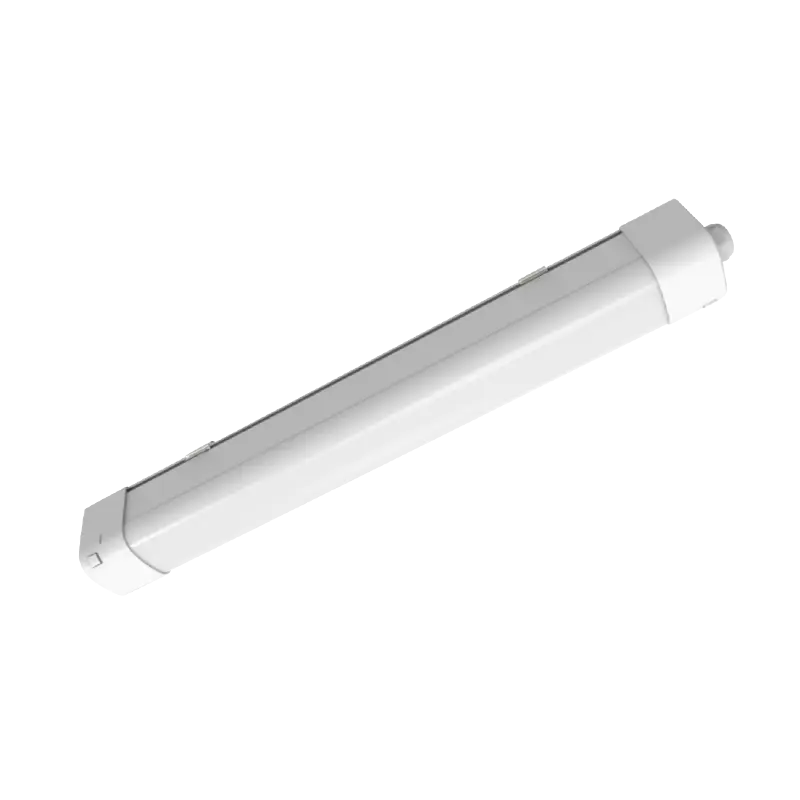


A facility manager replacing 90 fluorescent batten fittings in a warehouse will make the wrong decision if the buying criteria stop at raw lumen output. A high lumen count can hide a weak driver, a poorly designed heat path, and uncontrolled glare. The best quality LED light is not the brightest fixture in the catalogue; it is the fixture where driver, thermal management, optical control, enclosure, and electrical protection are designed as one integrated system.
The practical answer to the question is that no single fixture type is the best for every application. The best LED light for a food processing line is not the best light for an office ceiling, and the best light for a covered car park is not necessarily the best choice for a retail display wall. Instead of searching for one magic product, break quality into measurable criteria: driver performance, heat dissipation, optical design, certification, and production consistency.
These five pillars are not equal. A fixture with good optics but a poor driver will flicker, overheat, or fail early. A fixture with a good driver but poor thermal contact will lose brightness gradually and die before its rated life. The quality of an LED light depends on how well these systems work together.
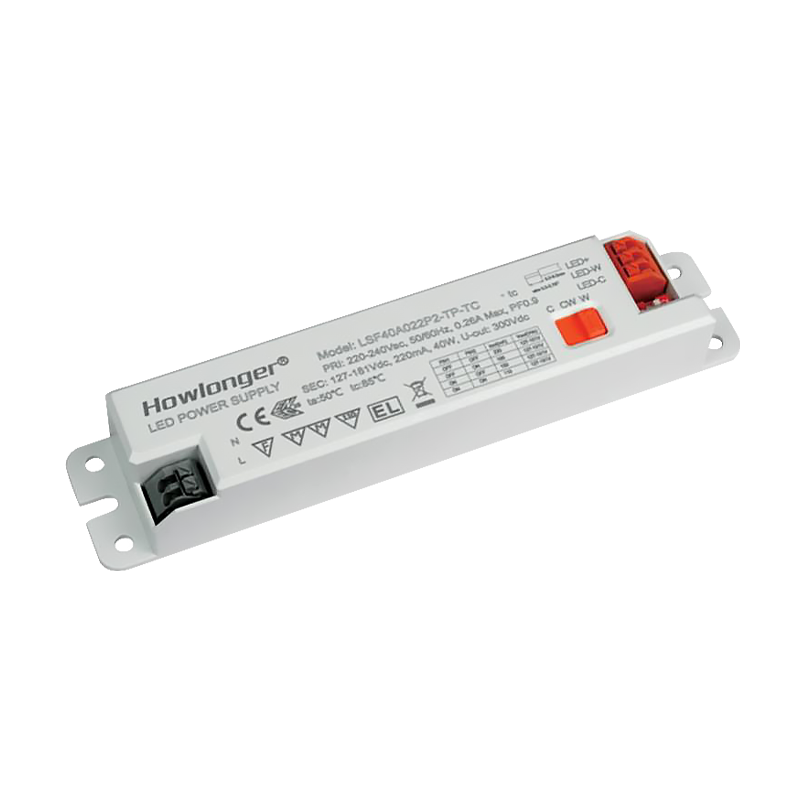
LED chips are current-driven components. The driver is the part that converts the incoming AC supply into the regulated DC current that the LED package needs. If the driver loses current control, the LED may overheat, suffer visible flicker, or fail rapidly. A reliable LED light has a driver designed for the specific wattage and operating environment of the fixture, not a generic low-cost power supply squeezed into a plastic housing.
When asked which LED lights are the best quality, procurement teams often focus on LED chips. Chip quality matters, but the driver is usually the first component to fail. A fixture that runs at 50,000 hours can still fail at 8,000 hours because of an underspecified electrolytic capacitor, weak surge protection, or poor thermal placement of the driver inside the enclosure.
Several specifications separate a high-quality driver from a low-end unit. Power factor matters for commercial and industrial sites because a low power factor increases current draw and contributes to switched-mode power supply losses. Total harmonic distortion can create heating effects on shared electrical circuits. Surge immunity is even more important in industrial buildings, where switching equipment and motors create voltage spikes.
| Output current stability | Constant current output within ±3%; low ripple below 30% to avoid visible flicker. |
|---|---|
| Power factor | Above 0.90 for commercial and industrial fixtures; above 0.95 for higher-wattage linear luminaires. |
| Total harmonic distortion | Below 20% for most projects; below 15% preferred for circuits with sensitive equipment. |
| Surge immunity | Minimum 1 kV differential / 2 kV common; better designs handle 2 kV differential / 4 kV common. |
| Driver lifetime | Rated at a specific case temperature, not an open-air ambient temperature. A 50,000-hour driver at 75°C case temperature is more credible than a 50,000-hour claim without thermal conditions. |
| Protection features | Overvoltage protection, short-circuit protection, thermal protection, and secure wiring connections. |
For fixture buyers, a quality LED light should include a driver that is accessible, replaceable, and correctly matched to the LED load. Integrated drivers that are glued into the fixture may reduce assembly cost, but they make maintenance difficult and often force replacement of the entire fixture after a minor driver failure. A well-designed fixture allows the driver to be accessed without damaging the optical chamber or the waterproof seal.
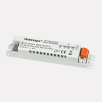
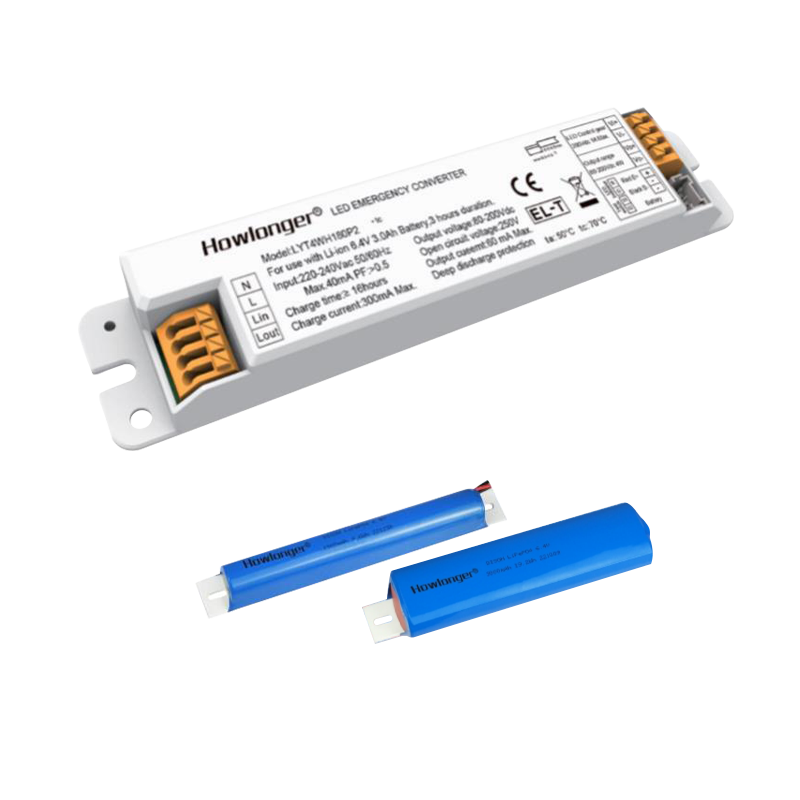 LYT P2 Series Emergency Battery Backup Power Supply for LED FixturesThis industrial LED emergency power supply supports 2–4W output with 90 or 180 minutes of backup, making it a key component for safe lighting during outages.View Product →
Heat is the main enemy of LED lifetime. An LED chip can remain efficient for 60,000 to 100,000 hours in a laboratory test, but only if the junction temperature remains within the recommended limits. In a poorly ventilated fixture, heat accumulates around the LED package, accelerates lumen depreciation, and shifts correlated colour temperature. A fixture that looks bright during the first week can look noticeably dimmer twelve months later if thermal management is weak.
Thermal quality is not determined by the size of the housing alone. The path from the LED package to the surrounding air must be continuous: a good thermal pad or thermal paste between the LED module and the heat sink, a thick enough metal layer, sufficient surface area, and no plastic layer trapping heat directly behind the LED board. In practical terms, a metal-core PCB with proper thermal vias is better than a standard FR4 board for higher-wattage fixtures.
Another factor is the operating temperature of the driver. A driver placed directly above a hot LED array will fail faster than the same driver positioned in a separate thermal compartment. Quality fixture manufacturers share one important design target: keep the driver case temperature low enough to preserve capacitor life and power component reliability.
The curve is illustrative: every 10°C increase in driver case temperature can reduce expected life by a significant margin.
When evaluating an LED light, ask for the expected L70 lumen maintenance figure. L70 refers to the number of hours before the LED maintains 70% of its initial lumen output. This figure should be based on LM80 data from the LED manufacturer and TM-21 projection instead of a random lifetime number in a brochure. A quality LED light should provide a clear L70 figure for the actual operating current and expected ambient temperature.
The mechanical material also matters. A powder-coated aluminium housing is common for linear and industrial fixtures because aluminium spreads heat effectively. Steel housings are stronger but less thermally efficient unless extra design work is done. For wet and dusty environments, the thermal design still needs to work inside a fully sealed enclosure. A totally enclosed plastic body can delay heat release and shorten LED life if the LED array is high wattage.
Brightness is a poor way to judge LED quality. Two fixtures with the same lumen output can produce completely different visual results. One may create harsh shadows, poor colour rendering, and uncomfortable glare. The other may make textures look natural, keep vertical surfaces visible, and allow occupants to work without eye strain.
Colour rendering index is one of the most visible quality differences. A basic LED light with Ra 70 can look flat and make red and skin tones appear dull. A fixture with Ra 80 is acceptable for many warehouses and parking areas. A fixture with Ra 90 or above is better for supermarkets, clinics, offices, and residential interiors. In addition to the overall Ra value, the R9 value matters for strong red colours. A high-quality LED light should have R9 above 50 when full colour rendering is required.
Correlated colour temperature should also be consistent. A quality LED light has a stated CCT range, usually within 150K of the nominal value. Low-cost fixtures often come from multiple LED bins and vary noticeably in colour when installed side by side. If you are lighting a long corridor or a large open area, CCT consistency across fixtures is more important than a single test sample.
| CRI / Ra | 80 minimum for general indoor use; 90+ for retail, healthcare, and colour-critical applications. |
|---|---|
| R9 | Above 0 for acceptable colour fidelity; above 50 for saturated reds and hospitality spaces. |
| CCT tolerance | Within 150K of nominal value; tighter 100K tolerance for large uniform installations. |
| Beam angle | 120° for linear batten and tri-proof fixtures; 60° for downlights; 15-30° for accent lighting. |
| UGR | Below 19 for typical office environments; below 16 for screen-heavy or VDU workstations. |
| Luminous intensity distribution | Ask for an IES or LDT file rather than accepting a single lumen number. |
Beam angle affects how much of the lumen output actually reaches the target work plane. A 120° beam angle is useful for linear fixtures because it spreads light across a room without dark spots between fixtures. A 60° beam angle in a downlight creates more vertical contrast and is often used in reception areas or over counters. A wide beam in a narrow corridor can be too wasteful, while a narrow beam in a large workshop can create harsh pools of light.
Glare control is another quality marker. A bare high-brightness LED surface can cause discomfort even if the CRI is excellent. Optical covers, diffusers, prismatic lenses, and anti-glare baffles change how the light is distributed. Quality LED lights should control upward light where necessary and keep the maximum candela at angles that do not intrude into the eyes of people working below. Before comparing fixture prices, learn how many lumens are required for your mounting height and task plane. This guide to useful lumen levels helps connect lux targets to realistic fixture counts, but the key is to compare usable light, not raw LED output.
guide to useful lumen levelsThe best quality LED lights are not the ones with the longest list of marketing claims. They are the ones that have been tested to known standards and carry certification marks that can be verified against the actual model number. Safety certification covers electrical insulation, creepage distances, earth continuity, and mechanical strength. For LED fixtures, the driver isolation and wiring compartment are especially important because mains voltage is present inside the housing.
If a fixture is sold in Europe, it should be tested against EN 60598 or equivalent. In North America, the relevant standards are generally UL 1598 and UL 8750. Certification marks are not decorations. A certified fixture has passed tests for abnormal operation, heating, and mechanical integrity. A fixture can be built to identical dimensions but with a different driver, thinner wiring, or cheaper terminals and still look similar from the outside.
Ingress protection rating is another critical indicator. IP20 is suitable for dry indoor spaces. IP44 and IP54 are better for covered areas with some splashing. IP65 and IP66 are required for washdown areas, car parking entrances, food processing plants, and outdoor installations exposed to rain. The IP number only matters when the complete fixture, including cable entries and mounting points, is tested as a finished product.
Impact protection is easy to overlook. A polycarbonate tri-proof light used in a warehouse can survive incidental impact from ladders and forklift activity better than a fixture with a brittle diffuser. IK08 means the fixture can resist 5 joules of impact. IK10 means 20 joules are needed to damage the housing. For industrial environments, choosing a fixture with a genuine IK rating reduces breakage risk.
There is also a difference between a factory that tests samples and a factory that operates a witness laboratory with independent third-party involvement. When we build LED lights at our own facility, we treat standards compliance as part of product development, not as an after-sales document. The same principle applies to buyers: ask to see a certificate that names the exact model and the relevant standard. A general certificate for a similar-looking fixture does not prove the quality of the light you are about to buy.
Once the core quality systems are understood, the next step is selecting the right fixture family. The best quality LED light is the one that has the correct IP rating, mechanical design, and optical distribution for the specific application. A high-quality indoor panel light is not suitable for a wet chemical area, and an IP66 tri-proof light may be unnecessarily heavy and visually heavy for an office ceiling.
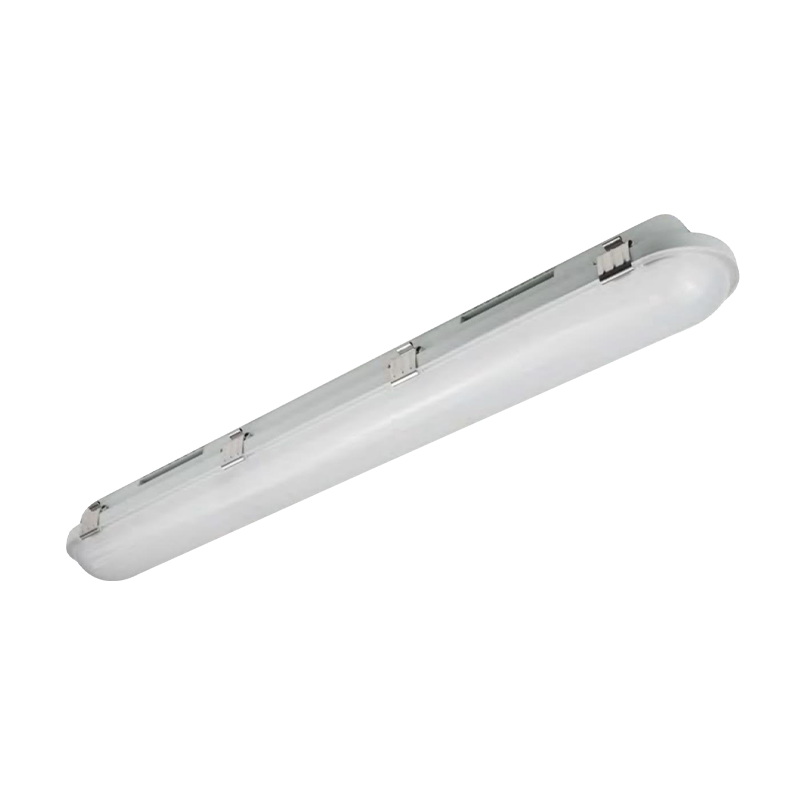
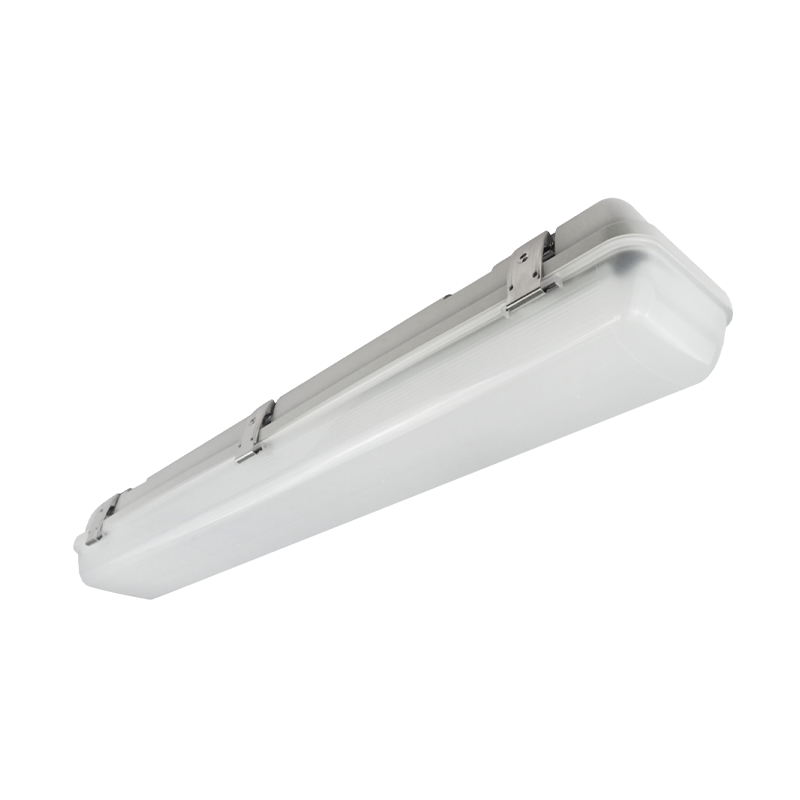
A sealed LED tri-proof light is the usual choice for food processing, car parks, workshops, tunnels, and covered loading bays. The housing protects the LED module from moisture, dust, and insect ingress. The diffuser should spread a wide beam to prevent dark zones between fixtures. For high-abuse areas, look for polycarbonate construction and a high IK rating.
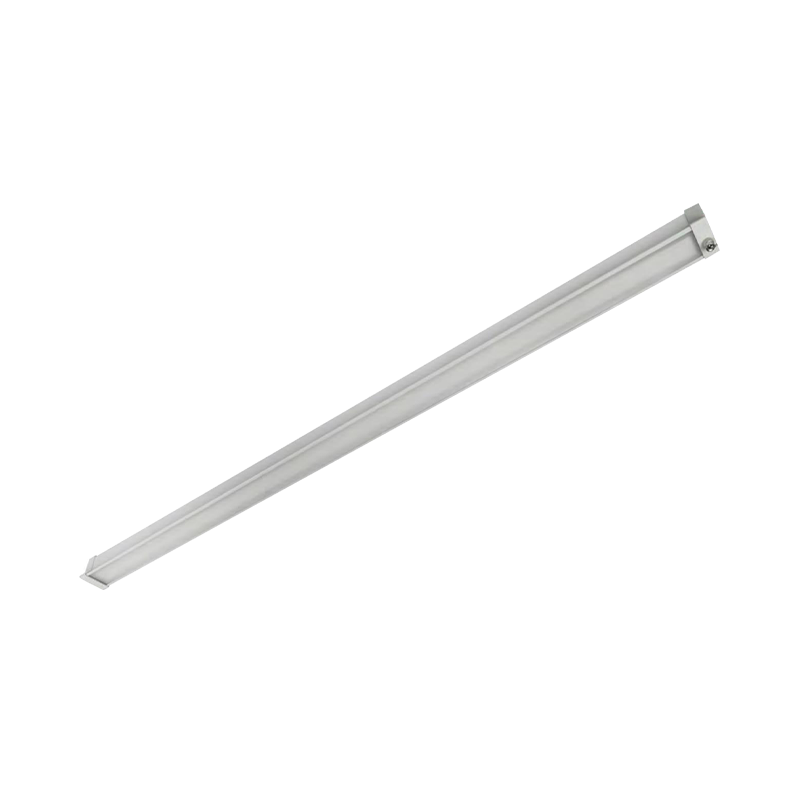
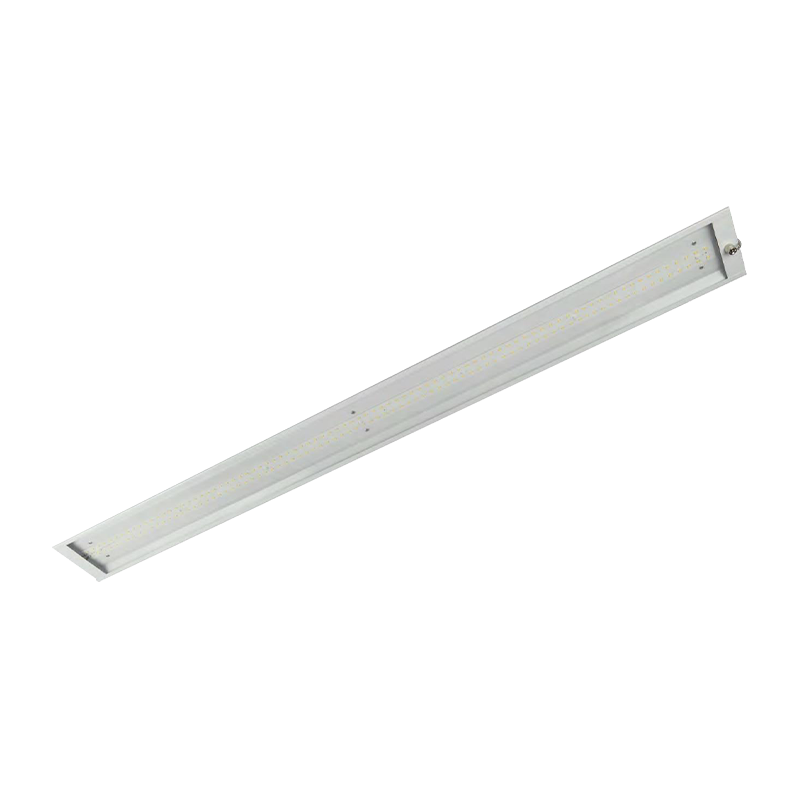
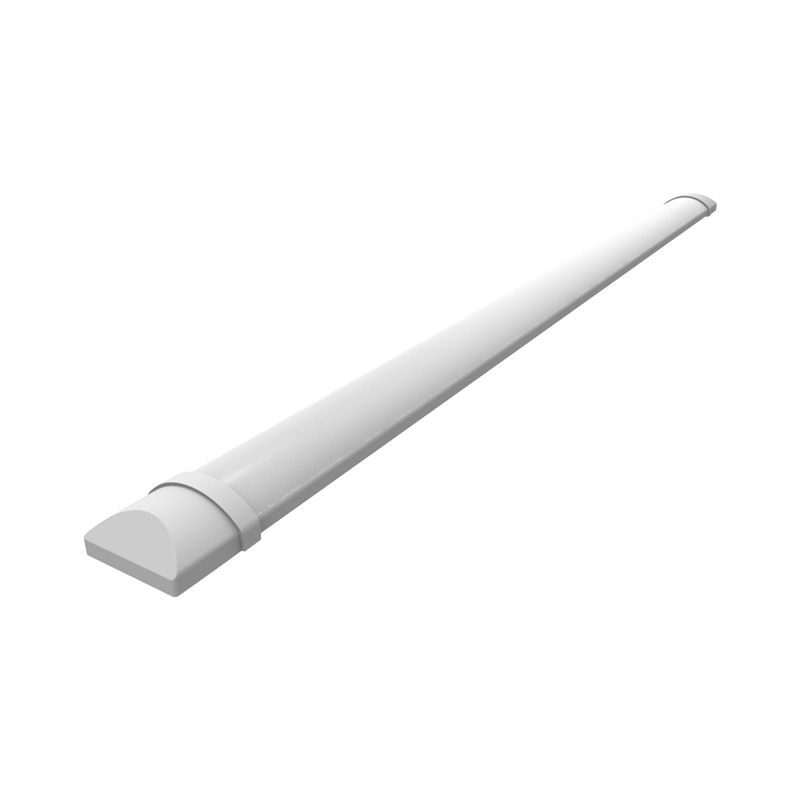
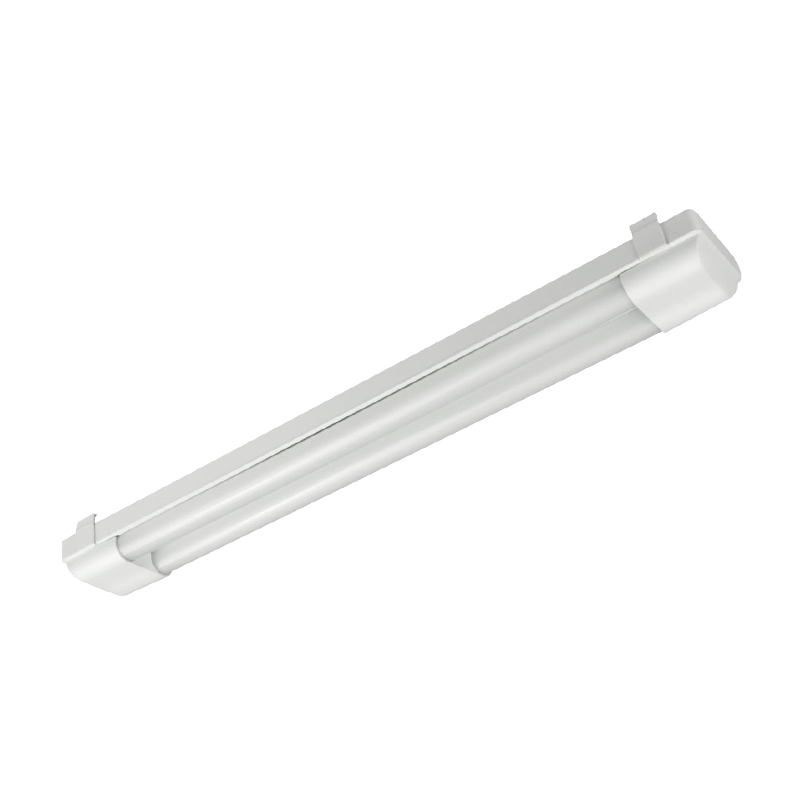
LED batten fittings are the modern replacement for fluorescent strip lights. They are compact, easy to mount, and often available in 120° beam versions for corridors, stores, parking basements, and back-of-house areas. A well-designed batten fitting uses a robust connection block and a driver mounted in a separate compartment from the LED module.
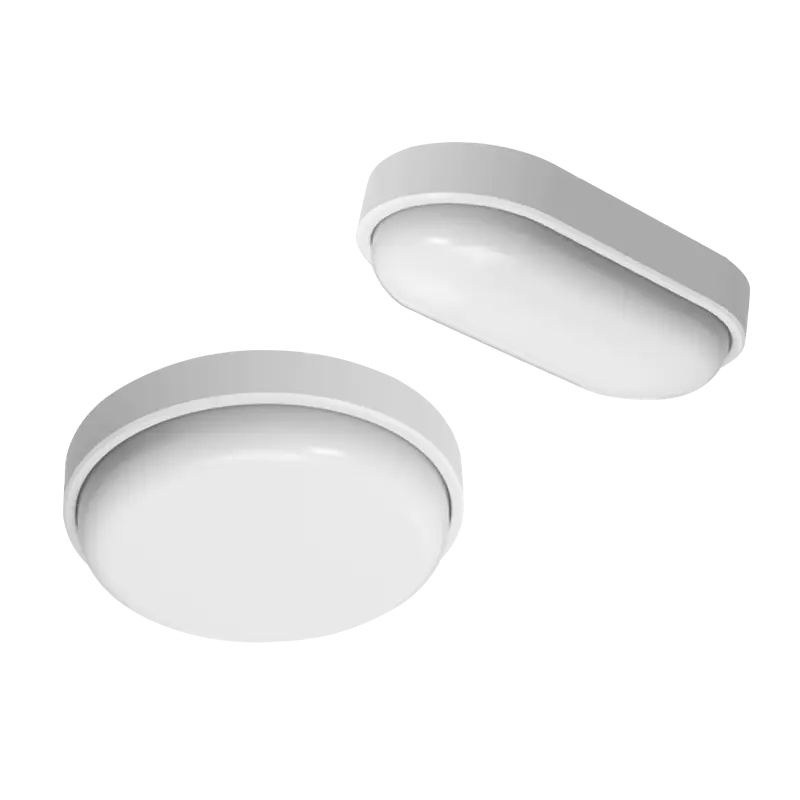
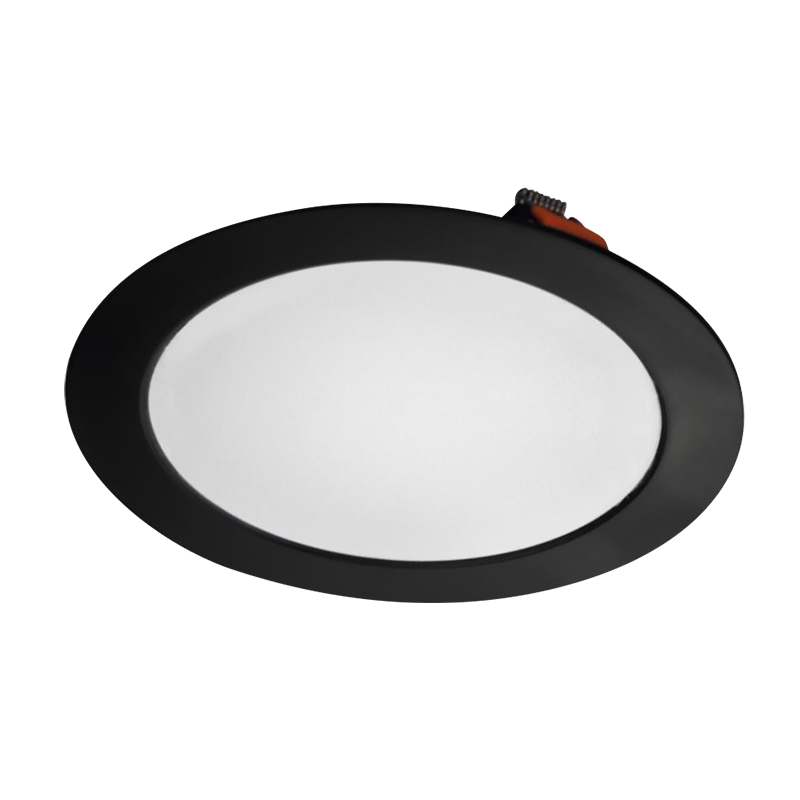
LED bulkhead lights and ceiling lights are used in stairwells, utility rooms, balconies, washrooms, and residential interiors. Quality matters in these products because they are closer to eye level. Anti-glare optical design, dimming compatibility, and a low operating noise level matter more than maximum lumens.
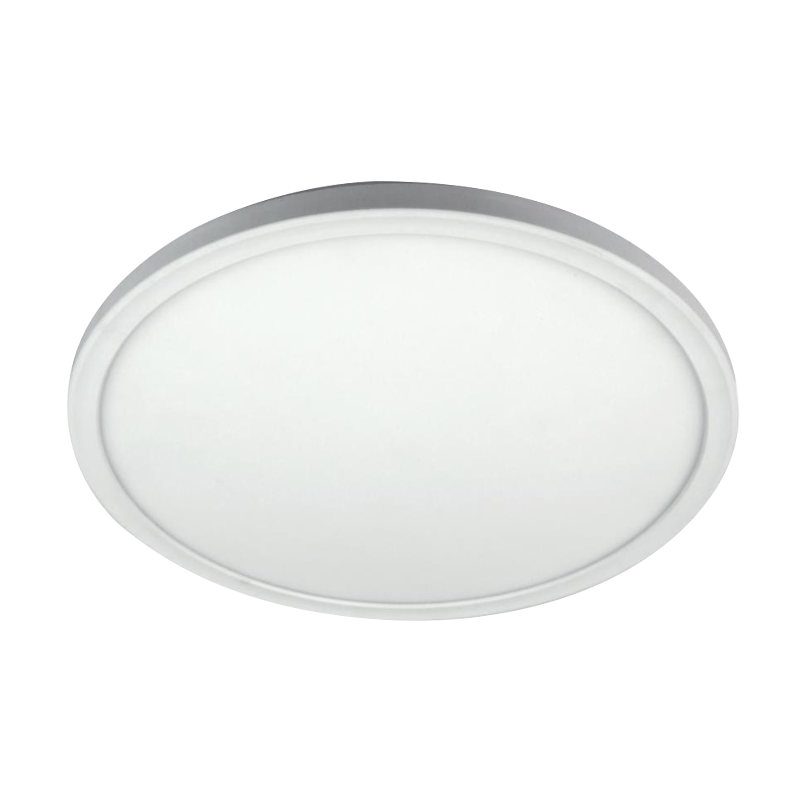
LED panel lights provide uniform lighting for suspended ceilings and grid systems. The best quality panels maintain consistent luminance across the entire surface and do not show bright edges or dark corners. UGR control and flicker-free performance are important when people work under the fixtures for eight hours.
The tri-proof light family is useful for evaluating a manufacturer because it combines sealing, thermal management, optical control, and mechanical strength in one product. A genuine tri-proof light must be tested against water jets, dust ingress, and impact. It also has to remove LED heat from a sealed chamber. A poorly designed tri-proof light will overheat or allow condensation to form inside the optical chamber.
Condensation is a common problem in humid environments. The quality of the gasket, the sealed cable gland, and the optical cover determines whether moisture stays out or gradually works its way inside. A good LED tri-proof light is designed with internal air volume and sealing materials that reduce condensation risk during rapid temperature changes. This kind of detail is not visible in a basic product photo, but it is exactly the detail that decides whether the fixture lasts five years or fifteen.
Indoor LED bulkhead lights are often installed at low mounting heights where occupants can see the light source directly. Anti-glare shielding becomes more important than total lumen output. An adjustable bulkhead can be used to direct light downward for security and safety without producing uncomfortable horizontal brightness. If it is dimmable, the driver must offer smooth dimming without flicker at low levels.
These details are easy to miss when the buying decision is made from a quick spec sheet. The best quality LED lights for indoor compact spaces use the same driver and thermal discipline as industrial fixtures, but add finer optical control.
 LG06J Aluminum Alloy LED Tri-Proof Light with 120° Beam AngleThis IP65-rated tri-proof light offers robust durability for workshops and warehouses, with easy lamp replacement and multiple power and CCT options to suit demanding spaces.View Product → LG19D Adjustable Anti-glare Dimmable Indoor LED BulkheadDesigned for indoor compact areas, this bulkhead features an adjustable anti-glare optic, dimmable output, and a PIR sensor, combining optical control with simple maintenance.View Product →
Certificates and datasheets are useful, but verification should go deeper. A quality LED light should be checked as a product, not on paper alone. Buyers who apply a few simple tests can reduce the risk of receiving a batch of fixtures that is different from the sample.
Batch consistency is a separate quality check. Order a small pilot batch and compare several units side by side. Look for CCT differences, driver noise, visible flicker, and brightness variation. A fixture that is manufactured with proper aging and testing will show tight consistency. A fixture produced from loose assembly lines may vary noticeably even within the same batch.
Another important check is the relationship between the driver and the LED module. If the driver is a generic unit that is sold separately to many customers, the factory should still guarantee that it is electrically matched to the fixture. Thermal matching matters too. A driver rated for 60°C entering air will not survive if it is placed directly over a hot heat sink inside a sealed housing.
For companies sending fixtures overseas, packaging and documentation also affect quality. Ensure that the carton, label, and instructions match the destination market. The product label should list the correct voltage, frequency, wattage, IP rating, and certification marks. A fixture with the wrong label can be delayed at customs or rejected by an inspector even if the electrical performance is good.
For most homes, a quality LED ceiling light or LED downlight with Ra 90, a CCT around 3000K or 4000K, and a dimmable driver is a strong choice. Avoid fixtures with a sharp spotlight effect in living areas. Look for a wide beam angle and good anti-glare shielding. If the fixture is in a bathroom or kitchen, choose an IP44 or IP54 rating to protect against moisture.
No. A high lumen output can create glare, waste energy, and cause visual discomfort if the fixture is mounted in the wrong location. The correct lumen level depends on mounting height, room size, surface reflectances, and the required illuminance. A 5000-lumen fixture can be worse than a 3000-lumen fixture if it produces a narrow beam in a space that needs broad distribution.
Not in every location. Warehouses, parking garages, and indoor industrial spaces may not need CRI 90 because colour accuracy is not part of the task. Retail stores, clinics, and residential spaces benefit from CRI 90 because skin tones, fabric, food, and paint colours look more natural. For general commercial use, CRI 80 is often acceptable. The fixture should also have a balanced R9 value if red tones matter.
A quality LED module should provide more than 50,000 hours of L70 life, and the complete fixture should target 40,000 hours or more. However, fixture life depends on driver quality, thermal conditions, and the electrical environment. A fixture installed in a hot, unventilated enclosure will not last as long as the same fixture installed in a cool open area. Always check the expected operating temperature range.
Look at the driver certificate, power factor, THD, surge immunity, and case temperature rating. A good driver is protected against short circuit and overload, has low output ripple, and is mounted in a place where heat can escape. A large brand name is not a guarantee if the driver is not matched to the LED module. Testing with a simple watt meter and a dimmer can reveal compatibility issues quickly.
The difference comes from optical design, CCT tolerance, lens material, and driver output. One fixture may use a high-efficiency LED chip with a narrow beam, while another uses an older chip with a wide diffusion lens. The same wattage can also produce different luminous flux if the LED current is driven at different levels. This is why fixture quality cannot be judged by wattage alone.



No.8, Ankang West Road, Zonghan Street, Cixi City, Zhejiang Province, P.R.China
0086-574-6320 0283
Copyright © Ningbo Longer Lighting Co., Ltd.
All Rights Reserved.
 Wholesale LED Lighting Fixtures Manufacturers

 Deutsch