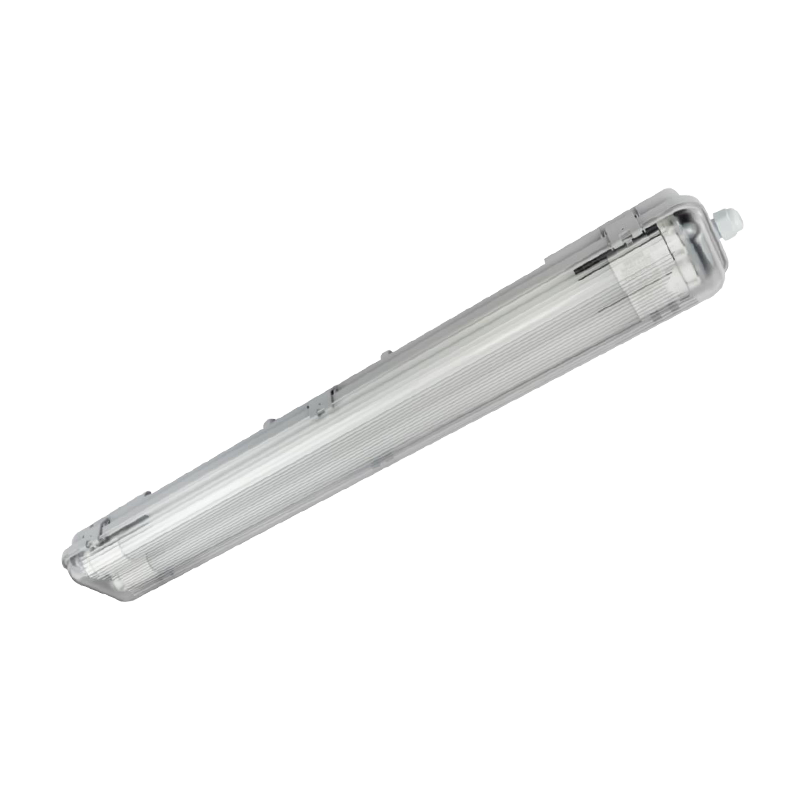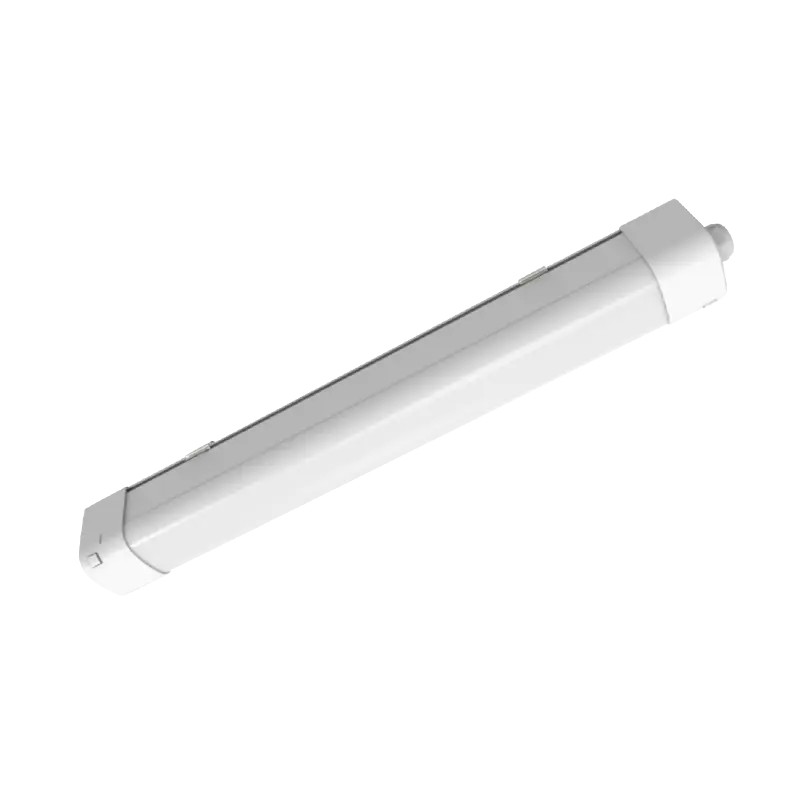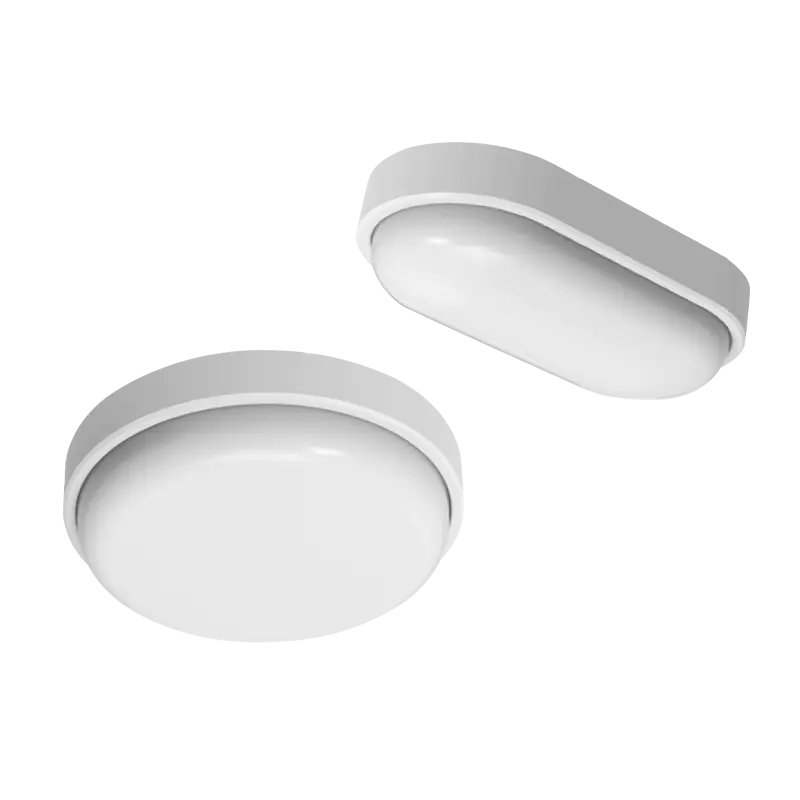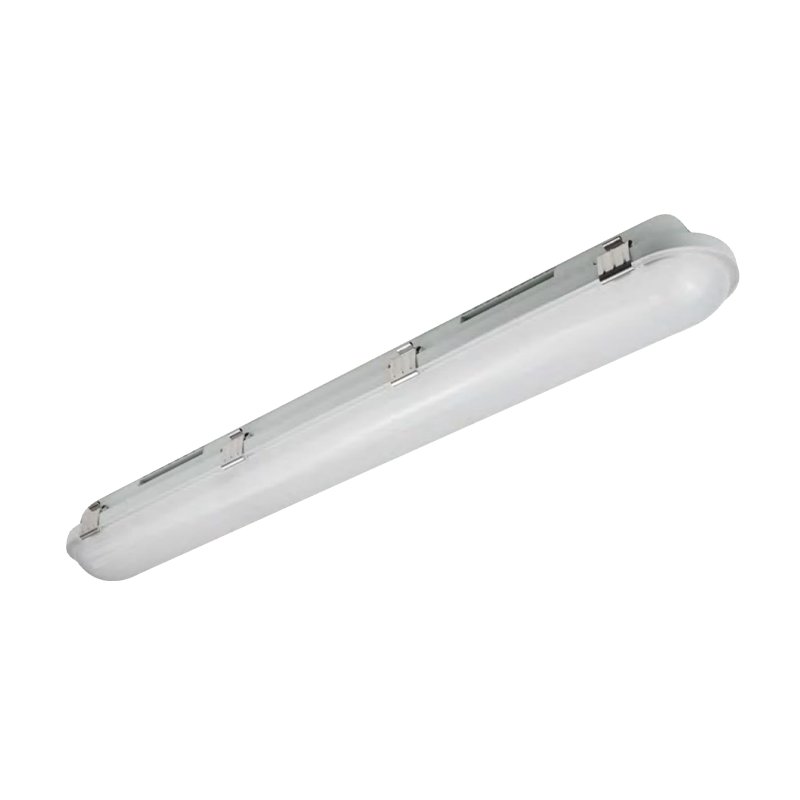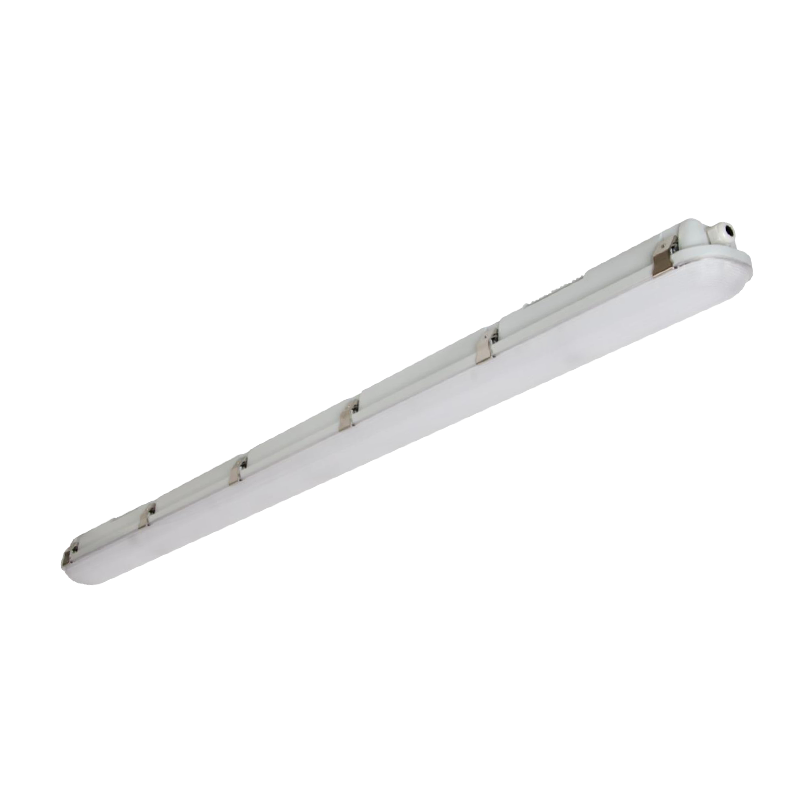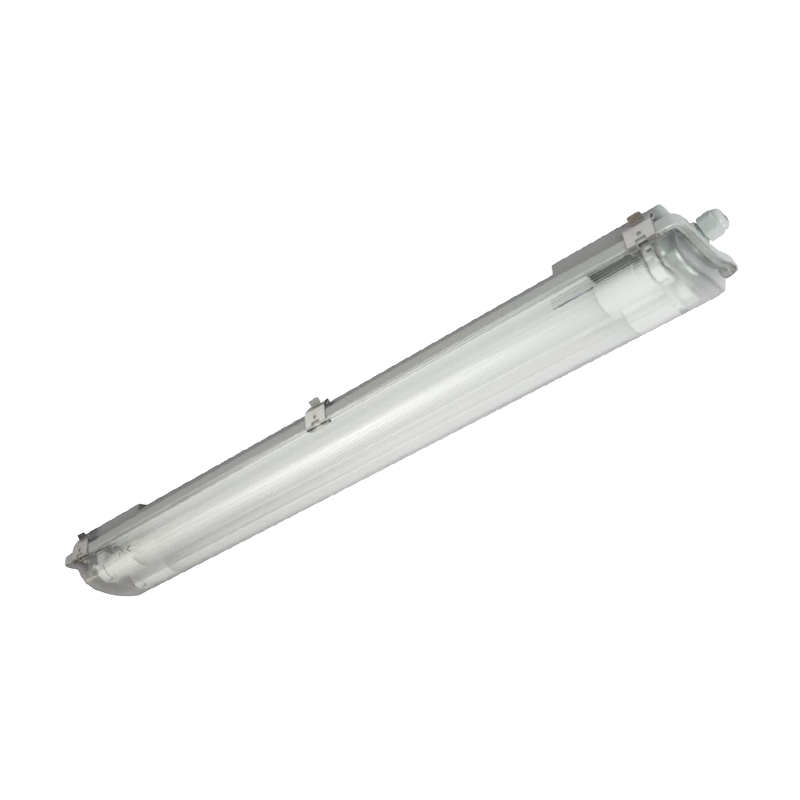


A sealed industrial fixture with a die-cast aluminium body and a driver that can be replaced separately is the longest-lasting LED light you can specify. That family sits in the 60,000 to 100,000 hour bracket at L70, which works out to roughly 8 to 12 years of non-stop operation, or close to 20 years at 12 hours a day, as long as the ambient temperature stays below about 35 degrees Celsius.
Screw-in retrofit lamps are at the opposite end. Fifteen thousand to twenty-five thousand hours is normal for them, because the LED board and its driver are pressed into a small envelope of glass and plastic with almost no path for heat to escape. Battens, panels, bulkheads and ceiling lights fall somewhere between those two poles, and their position is decided by three things: how far the heat has to travel, how good the driver is, and how well the housing keeps water, dust and insects out.
The table below summarises what each fixture family typically publishes, and where those products actually fail in the field.
| Fixture family | Typical L70 rating | Where the driver sits | Most common end-of-life cause |
|---|---|---|---|
| Industrial tri-proof or vapor tight (IP65 to IP66) | 60,000 to 100,000 hours | External, or internal and replaceable | Driver capacitor ageing, gasket hardening after 8 to 10 years |
| Linear batten or shop light | 40,000 to 60,000 hours | Integrated inside the body | Driver heat, LED board discolouration, diffuser yellowing |
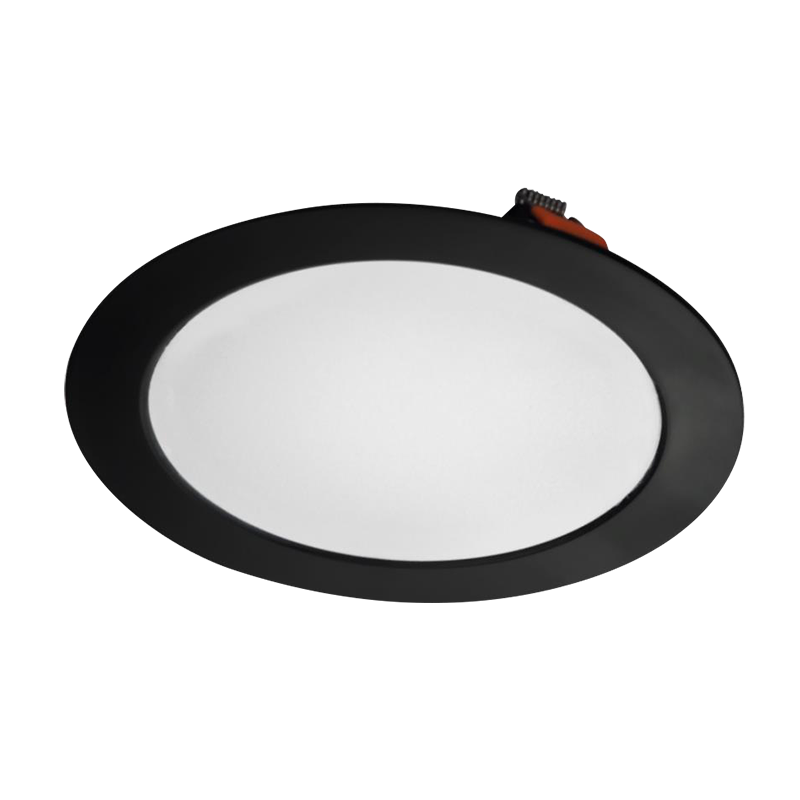
| LED panel light | 35,000 to 50,000 hours | External driver on the back of the panel | Driver failure, light guide plate yellowing |
| Bulkhead | 30,000 to 50,000 hours | Integrated | Seal failure, internal condensation, driver |
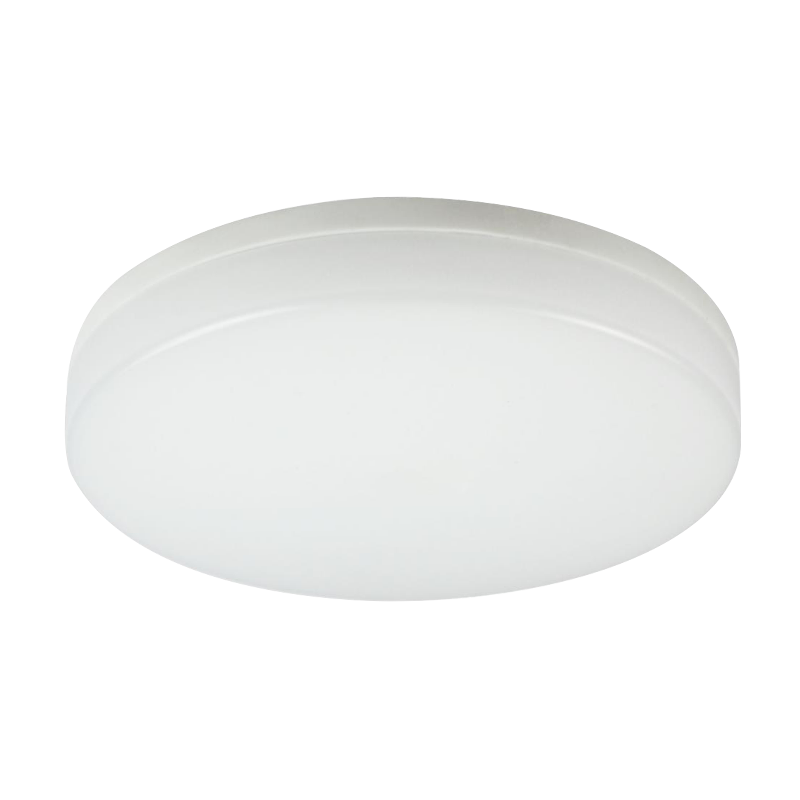
| Ceiling light | 25,000 to 40,000 hours | Integrated | Undersized heat sink, driver at high case temperature |
| Screw-base retrofit lamp | 15,000 to 25,000 hours | Inside the lamp base | Heat trapped in the base, electrolytic capacitor drying out |
If you take one idea away from this page, take this one: the LED chip rarely decides how long an LED light lasts. The driver and the thermal path do. That is why two fixtures with the same chip inside can differ by a factor of four in service life, and why the cheap one is rarely the cheap option once you count the labour to change it.
LED lights do not burn out the way a filament lamp does. They fade. A rated life figure is therefore not the moment the light stops working; it is the moment the light has dimmed to a defined percentage of its original output. The industry standard is L70, meaning 70 percent of the initial lumen output remaining. Some manufacturers publish L80 or L90 for premium products, which is a stronger promise.
The number is produced by a chain of documents that is worth understanding before you sign a purchase order.
Here is where the marketing falls apart. A supplier can quote 100,000 hours from an LM-80 report measured at 55 degrees Celsius case temperature, then put that driver and board into a housing where the case temperature reaches 80 degrees Celsius in a real ceiling void. The extrapolation is technically valid, but it describes a condition your building does not have. Ask for the LM-80 case temperature, not just the hour figure. If you want a deeper walk-through of how the measurement chain works, there is a detailed explanation of how the lifespan of an indoor LED light is defined and measured.
In our own warranty data, driver faults are the single largest category of return across every product family. That is not a coincidence. The LEDs themselves are usually still producing usable light when the fixture is pulled off the ceiling.
The LED junction is the semiconductor surface that produces light, and its temperature is the strongest single predictor of life. As a rule of thumb used across the industry, every 10 degrees Celsius reduction in junction temperature roughly doubles the useful life of the LED, and every 10 degrees increase halves it. A fixture running at 85 degrees junction temperature is not a slightly worse product than one running at 65 degrees; it is a fundamentally different product.
You can judge the thermal design of a fixture without any instruments. Look at the housing material. Die-cast aluminium conducts heat away from the board and spreads it across the surface. Sheet steel and plastic trap it. Then look at how the LED board is attached: a metal-core or aluminium-backed PCB screwed onto a flat machined surface with thermal interface material is the correct answer. A standard fibreglass board stuck down with double-sided adhesive tape is not, and it will show up as colour shift and premature dimming within two to three years.
Beam angle and optical design also matter here, because tight optics concentrate heat. A 120 degree beam angle spreads the light and the thermal load more evenly than a 60 degree version of the same wattage, and the housing can be smaller while still running cool.
The driver converts mains power into a regulated current for the LEDs, and it contains electrolytic capacitors that are the true wear-out component in any LED fixture. A capacitor rated for 105 degrees Celsius might offer 8,000 hours at its rated core temperature. Every 10 degrees below that figure roughly doubles the expected life; every 10 degrees above it halves the life again. This is arithmetic, not opinion, and it explains why a driver that sits in the same compartment as the LEDs fails long before the LEDs do.
Three design decisions separate long-life drivers from short-life ones. First, physical separation: a driver mounted on the far end of a batten or in a separate gear tray runs cooler than one sandwiched against the LED board. Second, serviceability: a driver on a plug-in connector or a screw terminal block can be swapped in ten minutes, while a potted driver forces you to replace the whole fixture. Third, electrical headroom: solid surge protection, a power factor above 0.9 and a wide input range from 100 to 277 volts all reduce stress on the components inside.
Matching the driver to the fixture is the part that most buyers overlook. A fixture supplied with a mismatched or under-rated power supply will fail in the first two years even if every other element is sound, which is why we build the driver programme and the fixture programme together.
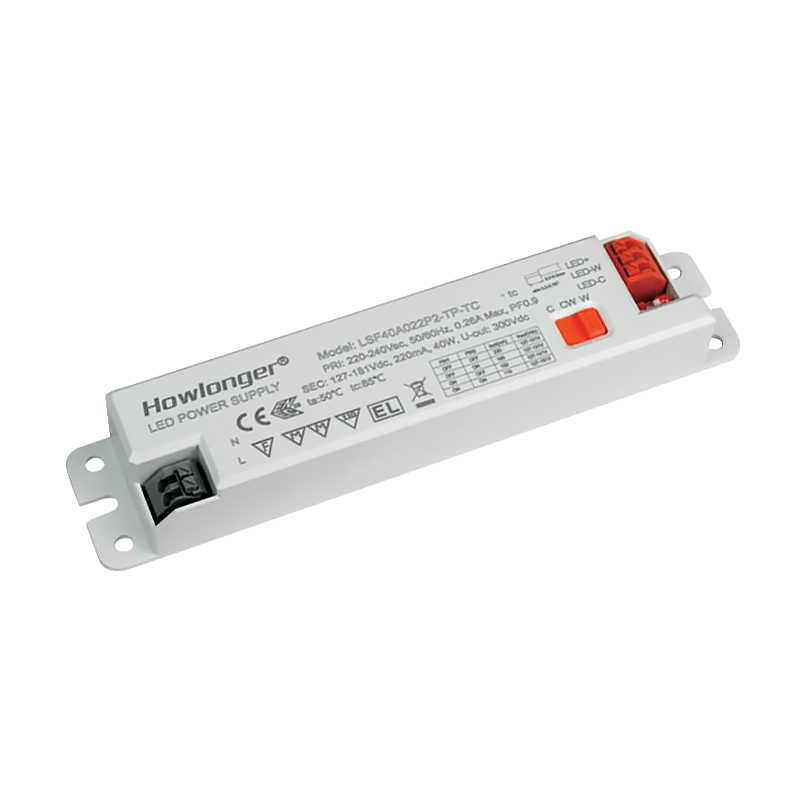 LSF-A-P2 LED Power Supply Series, 15W to 70WAvailable in 15W to 70W models with ripple current below 5%, this supply is worth checking when matching a driver to a fixture.View Product →
When you evaluate a supplier, ask for the driver datasheet as well as the fixture datasheet. If the capacitor temperature rating is not stated, treat the rated life claim as unverified. If the driver cannot be replaced on site, treat the fixture as disposable and price it accordingly.
In wet, dusty or wash-down environments, water ingress kills more fixtures than heat does. The IP rating tells you what the housing resists: IP65 against water jets, IP66 against powerful jets, IP67 against temporary immersion. What it does not tell you is how long the seal will last. That depends on the gasket material. Silicone keeps its compression and stays flexible from minus 40 to plus 200 degrees Celsius. EPDM is adequate for indoor use. PVC foam hardens within a few years and takes a permanent set, at which point the seal stops sealing and water finds the driver.
The mechanical details matter as much as the gasket. Stainless steel clips do not rust and do not lose tension. Glass-filled polycarbonate bodies resist impact better than thin ABS. A polycarbonate diffuser rated at IK08 survives a 5 joule impact, which is the difference between a fixture that survives a workshop and one that does not. In coastal or chemical environments, add salt spray and corrosion testing to the question list, because an aluminium housing with a poor powder coat will corrode from the inside out.
Condensation is the quiet killer. A sealed fixture that heats up and cools down every day pulls moisture through its cable gland and breathes it back out through the same path. The fix is a pressure-equalisation vent with a hydrophobic membrane, or a breather plug, depending on the design. Ask how the fixture handles internal pressure cycling, and if nobody can answer, that is your answer.
Ambient temperature is the variable you control least and that affects life the most. The junction temperature is the ambient temperature plus the rise caused by drive current and thermal resistance, so a fixture that runs comfortably at 25 degrees in a showroom can be under real stress at 45 degrees in a laundry, a foundry or a ceiling void above a hot process line.
Indicative relative service life against a 25 degree Celsius reference, based on the 10 degree rule applied to the driver capacitor and to LED lumen maintenance.
| Ambient temperature | Realistic service life | What to specify |
|---|---|---|
| 25 degrees Celsius, clean and air-conditioned | 12 to 18 years | Standard fixture, integrated driver is acceptable |
| 35 degrees Celsius, typical warehouse | 8 to 12 years | Aluminium board, driver with thermal separation |
| 45 degrees Celsius, laundry, kitchen, boiler room | 5 to 8 years | High-temperature version, external or remote driver |
| 55 degrees Celsius and above, steel mill, oven line | 3 to 5 years | Driver mounted outside the heat zone on a remote gear tray |
| Minus 20 to minus 40 degrees Celsius, cold store | 8 to 12 years | Cold-rated driver with low-temperature electrolyte, silicone gaskets |
Cold is a different problem from heat. Light output from the LEDs actually improves at low temperatures, and the lumen maintenance curve looks better, but the driver may refuse to start, or may start with a delay, because its electrolyte thickens. Doorway and cold-store luminaires need drivers specified for the minimum starting temperature, not just the maximum operating one.
Voltage quality is the last environmental factor. Sites with heavy motor loads, welding equipment or long cable runs see repeated surges that damage driver input stages even when the fixture keeps working at first. Surge protection rated for 2 kV or 4 kV on the input is cheap insurance in those installations.
The best fixture installed badly will not reach its rated life. A fixture mounted against a ceiling with no clearance above it cannot convect heat away, and the same product that lasts fifteen years with 50 mm of free air above it may last six when boxed in. Cable glands must be tightened to the correct torque so the gasket compresses but does not split. Diffusers left off after an installation check let dust build on the LED board, which is both a thermal and a photometric problem.
Control gear adds another failure layer. Drivers used with phase-cut dimmers that are not compatible will buzz, flicker and run hot. Circuits with high inrush current can weld relay contacts inside the driver. If you are dimming or switching large numbers of fixtures, check the inrush figure per fixture and the maximum load per dimmer channel, and use a control protocol that the driver actually supports, whether that is 0-10 volt, DALI or a wireless module.
Maintenance practice matters too. In a group replacement policy, where every fixture is changed on a fixed calendar cycle, the driver is often scrapped while it still has years of life in it. In a condition-based policy, spot replacement of drivers keeps the housing and optics in service far longer and reduces waste.
This family wins on durability in hard environments, and it wins by a wide margin. The body is sealed to IP65 or IP66, the LED board sits on a metal core plate bolted to a die-cast or extruded aluminium housing, and the driver is often in a separate compartment that stays cooler than the optics. A 120 degree beam angle across an aluminium alloy body spreads the heat so effectively that the same wattage runs cooler than in a slim batten.
Where these fixtures are used, the replacement interval is usually driven by the driver rather than the LEDs: eight to ten years in a wet, dusty plant, fifteen years or more in a clean warehouse. The full range of LED tri-proof light models is designed around that split, which is why the driver is accessible without removing the whole body from the ceiling.
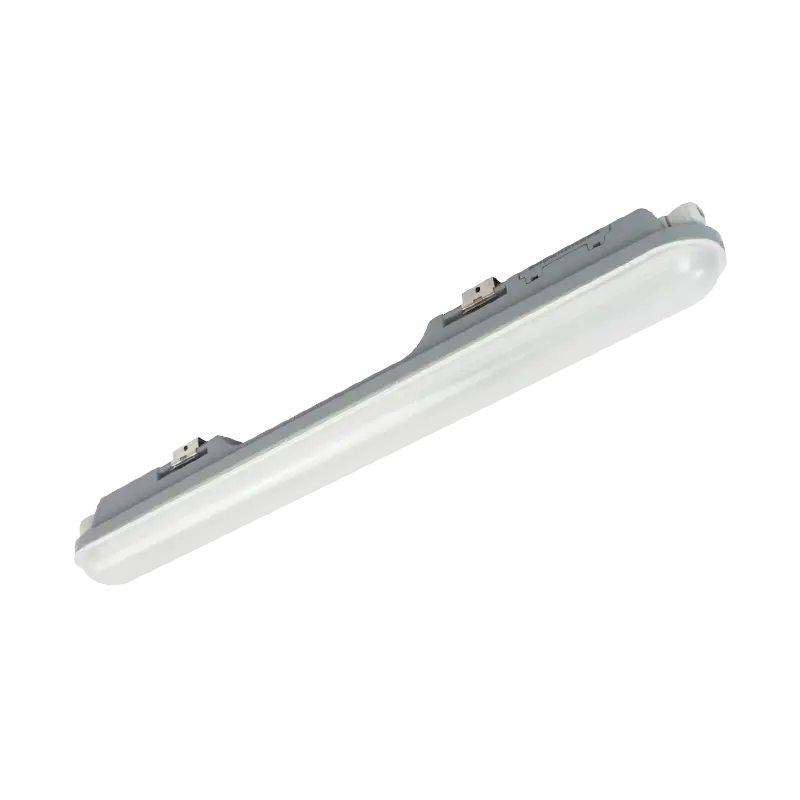
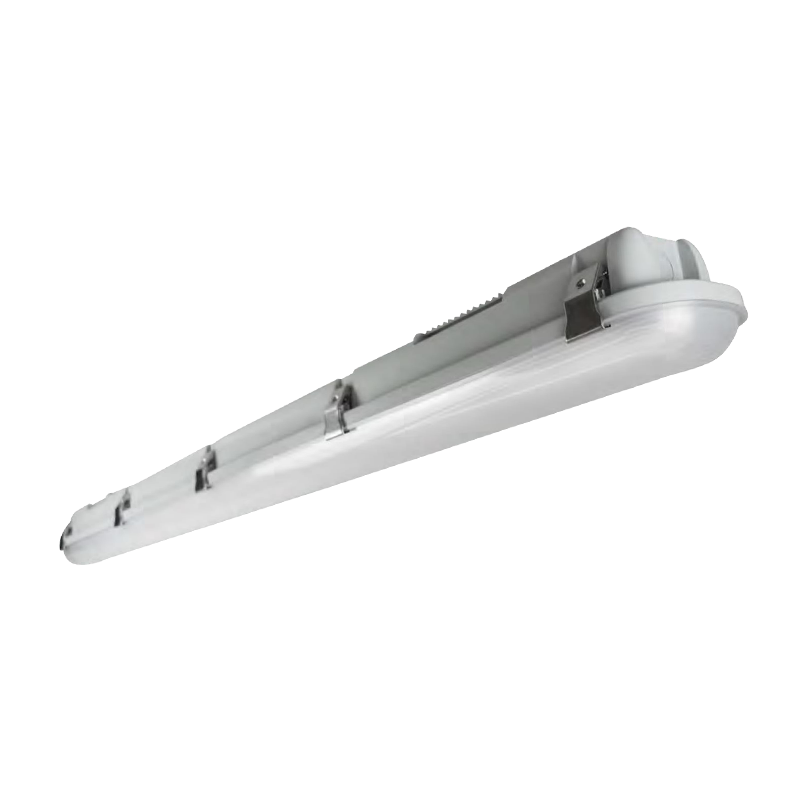
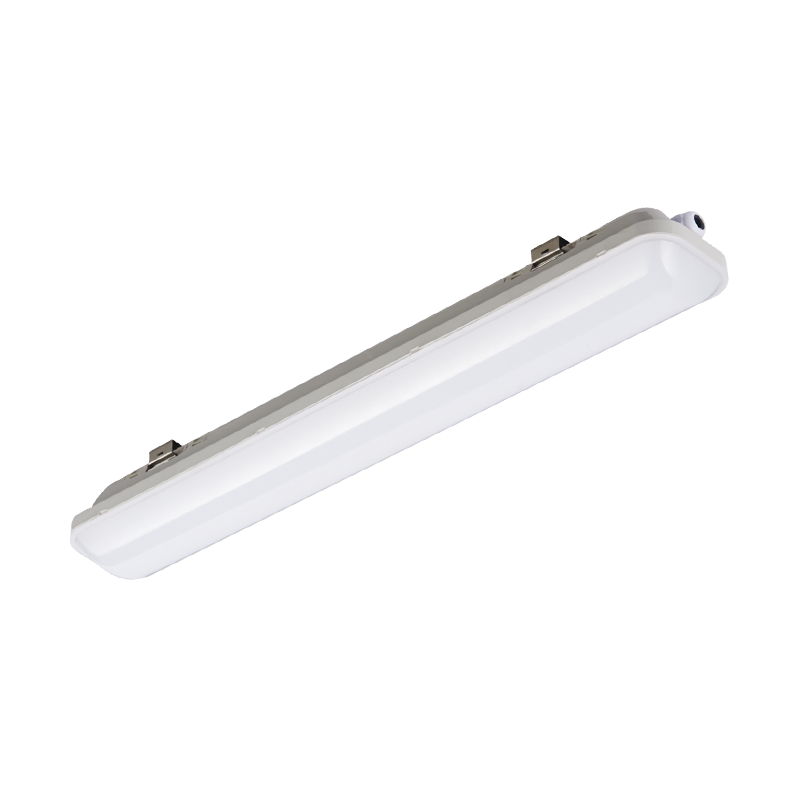
 LG06J Aluminum Alloy LED Tri-Proof Light, IP65With IP65 protection and a back-side open cap for easier light source replacement, this tri-proof fixture suits wet or dusty installations.View Product →
A typical example is a die-cast aluminium alloy tri-proof with a 120 degree beam angle and a sealed optical chamber, built for workshops, car parks, food areas and cold stores where a standard batten would fail within two years. If your installation is wet, dusty or washed down regularly, this is the category that will cost you the least over a fifteen year horizon, even though the unit price is two to five times higher than an open batten.
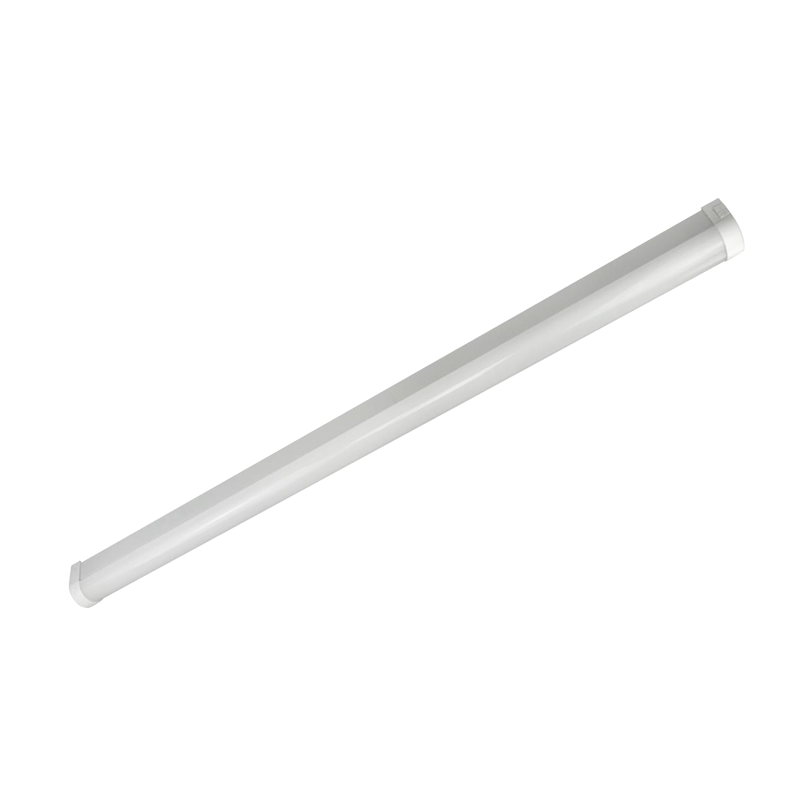
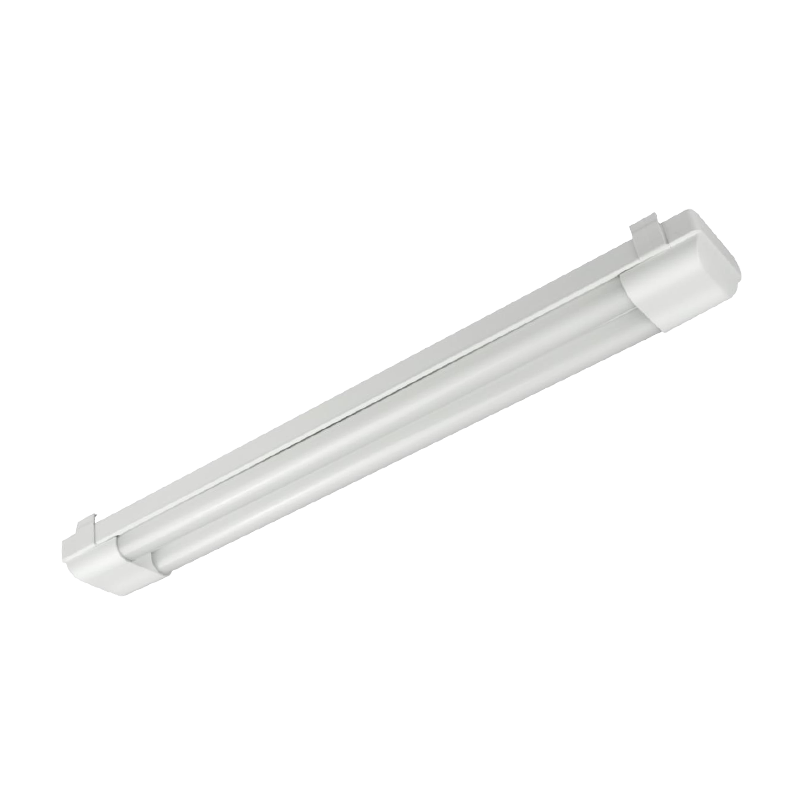
Battens are the workhorse of indoor lighting and they can reach 40,000 to 60,000 hours, but only when the driver is not sitting directly behind the LED board. The failure pattern is consistent: the centre of the strip discolours first, output drops unevenly along the length, and the driver fails at around the same time. In clean, climate-controlled spaces that is perfectly acceptable. In an unheated warehouse with summer temperatures over 40 degrees Celsius, the same product can drop to under 15,000 hours.
Panel lights are specified for appearance as much as for light, and the light guide plate is usually the limiting factor rather than the LEDs. Yellowing appears earlier in panels that have no rear ventilation and sit in insulated ceiling grids where the ambient temperature climbs well above room level. Bulkheads last well when the gasket is silicone and the driver is not packed against the back plate; when it is, condensation and capacitor ageing follow. Ceiling lights with small die-cast heat sinks are the most sensitive of the three, because there is simply not enough surface area to move heat out of a compact housing, and their realistic life in a hot climate is often closer to 20,000 hours than the 40,000 hours printed on the box.
 LG15D Slim LED Batten Fitting, IP20A slim IP20 batten fitting offered in several lengths and power ratings, with 120/130/150 lm/W options and slide-switch access.View Product →
Ten minutes with those answers will tell you more about a fixture than an hour of lumen output comparisons. Two luminaires can both claim 130 lumens per watt and 50,000 hours, while one is built to survive a decade in a foundry and the other is not built to survive a decade at all.
Unit price is the smallest part of the cost of light. The larger part is the labour to reach the fixture, and that labour is paid again every time a cheap product fails. The table below models a wet, dusty plant running 12 hours a day for fifteen years, with a realistic reduction in rated life because of the 40 degree Celsius ambient and the dust load.
| Option | Unit price | Real service life on site | Replacements in 15 years | Parts and labour | Total per position |
|---|---|---|---|---|---|
| Open IP20 batten, integrated driver | 10 USD | 8,000 hours | 8 | 80 + 360 USD | 450 USD |
| Standard batten with better driver | 25 USD | 12,000 hours | 5 | 125 + 225 USD | 375 USD |
| Sealed industrial tri-proof, replaceable driver | 60 USD | 80,000 hours plus one driver | 1 driver only | 14 + 45 USD | 119 USD |
The lesson is not that expensive fixtures are always better. It is that a fixture with an integrated driver in a hostile environment is a subscription, not a purchase. In a clean office at 22 degrees Celsius the same batten may genuinely run for a decade and the arithmetic flips. Match the specification to the room, and the cheapest total cost usually takes care of itself.
There is a second cost that never appears on an invoice: unplanned dark hours. A failed fixture above a production line, in a loading bay or over a fire exit triggers an emergency work order, and emergency labour costs several times the scheduled rate. Fixtures with replaceable drivers and predictable wear-out patterns let you plan the work instead of reacting to it.
A fixture that performs well in a domestic showroom can fail immediately in an export market, and the reason is rarely the LEDs. North American installations run on 120 or 277 volts, and Canadian industrial sites frequently use 347 volts, so the driver input range and its certification must cover the actual supply. A 220 to 240 volt only driver is not a smaller version of the same product; it is a different design with different component stress.
Cold starts matter in the same way. A distribution centre in a northern climate may see minus 30 degrees Celsius at the loading doors, and a driver with standard electrolyte will either fail to start or start with visible delay. Silicone gaskets keep their seal at those temperatures; PVC foam does not. Coastal and de-icing-salt environments add corrosion to the list, which is why salt spray testing belongs in the specification for parking structures and ports.
Documentation is part of the product. Photometric files, LM-79 and LM-80 reports, driver certificates and packaging suitable for long sea freight all have to be ready before the container leaves, not after. For projects in the United States and Canada, the vapor-tight and shop-light families are built specifically around those requirements.
Matching the fixture to the local supply and the local climate is the difference between a rated life that holds and one that exists only on the datasheet.
Rated life figures are only as good as the testing behind them. In our own facility, fixtures and their drivers are evaluated in TUV and SGS witness laboratories, and the company holds 123 patents across lighting and power supply design, alongside participation in two national standards and seven industry group standards. That work is not decorative; it is what allows an LM-80 report and a TM-21 extrapolation to be converted into a rated life figure that a buyer can actually rely on.
For any supplier you are evaluating, the verification chain has four links: a photometric report for the whole fixture, an LM-80 report for the LED package at a stated case temperature, a driver datasheet with capacitor and case temperature ratings, and a warranty that covers both the luminaire and its driver. If one of those links is missing, the hour figure on the packaging is a marketing number rather than an engineering one.
Some do, under specific conditions. A sealed industrial fixture rated at 100,000 hours and running 12 hours a day will reach that figure in about 23 years if the ambient temperature stays near 25 degrees Celsius and the driver is kept cool. In the same fixture at 50 degrees ambient, the realistic figure drops to fewer than ten years. The hour rating is a laboratory starting point, not a promise about your building.
In the overwhelming majority of cases the driver failed, not the LEDs. The usual causes are an undersized heat sink, a driver packed against the LED board, an electrolytic capacitor running above its rated temperature, or moisture entering through a hardened gasket. Failures that appear as flickering, delayed start-up or a faint glow before total failure are almost always driver symptoms.
They are worth it whenever access is difficult or the environment is harsh. If a fixture sits in a wet, dusty or hot area, the cheaper product's real life can drop to a quarter of its rated figure, and each replacement costs far more in labour than the fixture cost. In a clean, air-conditioned office with easy access, a mid-range batten can be the better economic choice.
The LEDs themselves prefer cold. Lumen depreciation slows down, and light output is actually higher at low temperatures. The driver is the problem: standard electrolytic capacitors struggle to start below minus 20 degrees Celsius. A cold-store installation needs a cold-rated driver and silicone seals, otherwise the fixture will fail in cold rather than in heat.
It reduces thermal cycling, which is genuinely gentler on solder joints and driver components, but it also accumulates operating hours four to ten times faster. For a driver rated at 50,000 hours, running continuously reaches that figure in under six years, while 12 hours a day takes more than eleven. Switching a fixture on and off a few times a day is not what kills it.
A sealed tri-proof or vapor-tight fixture with a die-cast aluminium body, an aluminium-backed LED board, silicone gaskets and a driver that can be replaced without removing the housing from the ceiling. That combination typically delivers 60,000 to 100,000 hours at L70 and allows the driver to be changed as a scheduled, low-cost maintenance task rather than a full fixture replacement.
Yes, if the fixture was designed for it. A driver on a plug-in connector or a screw terminal block can be swapped in minutes by an electrician, and the housing, optics and LED board stay in service. If the driver is potted into the body, replacement is not practical and the whole fixture becomes a consumable item. Ask this question before you order, not after the first failure.
Check three things: the LM-80 case temperature, the driver's rated life and case temperature, and whether the warranty covers the driver for the same period as the LEDs. If the supplier can only quote an hour figure without those details, the number should be treated as unverified regardless of how large it is printed.



No.8, Ankang West Road, Zonghan Street, Cixi City, Zhejiang Province, P.R.China
0086-574-6320 0283
Copyright © Ningbo Longer Lighting Co., Ltd.
All Rights Reserved.
 Wholesale LED Lighting Fixtures Manufacturers

 Deutsch