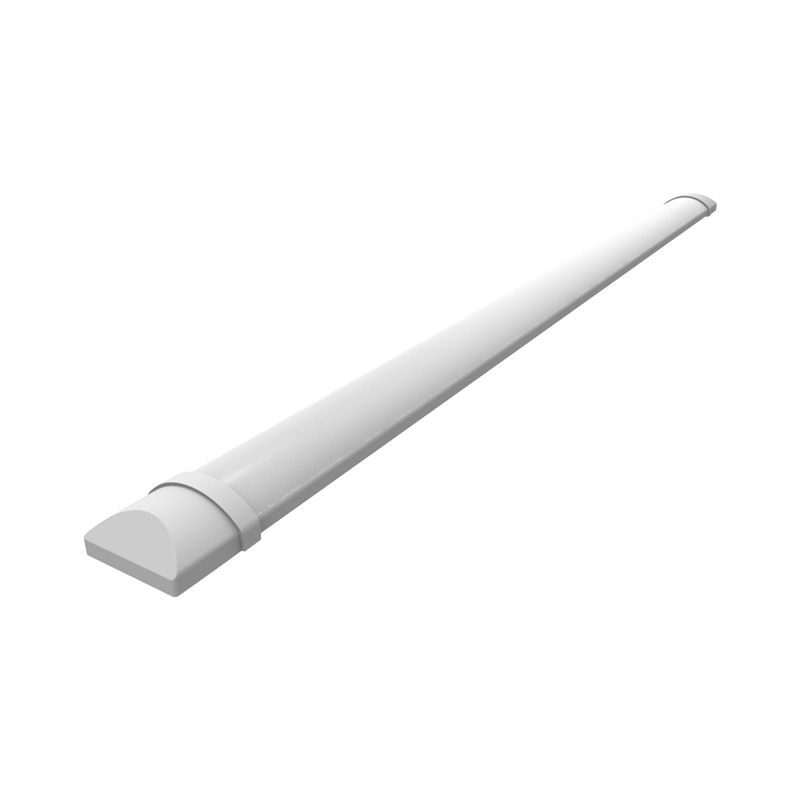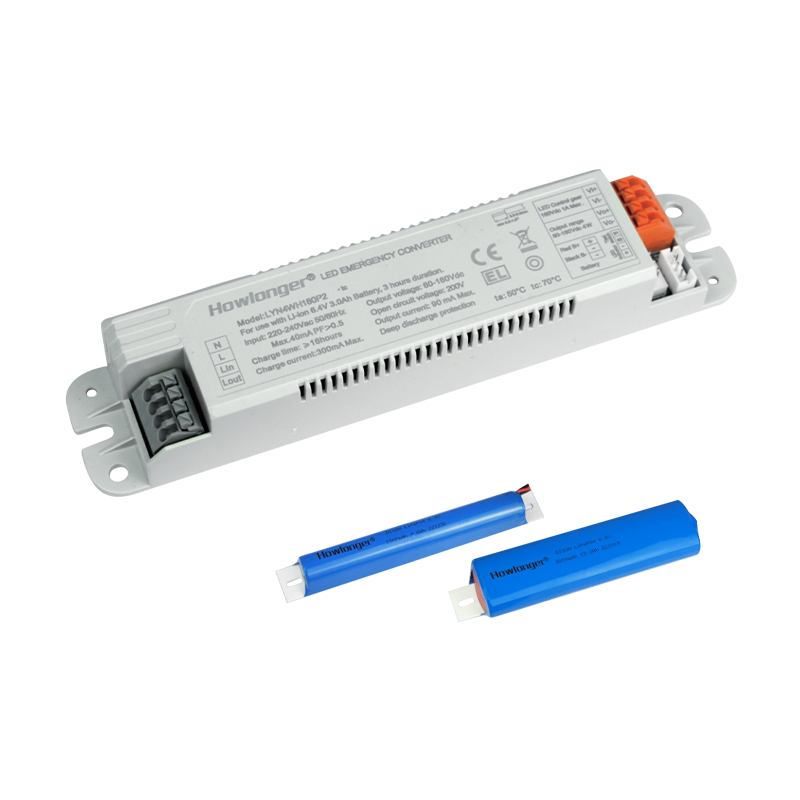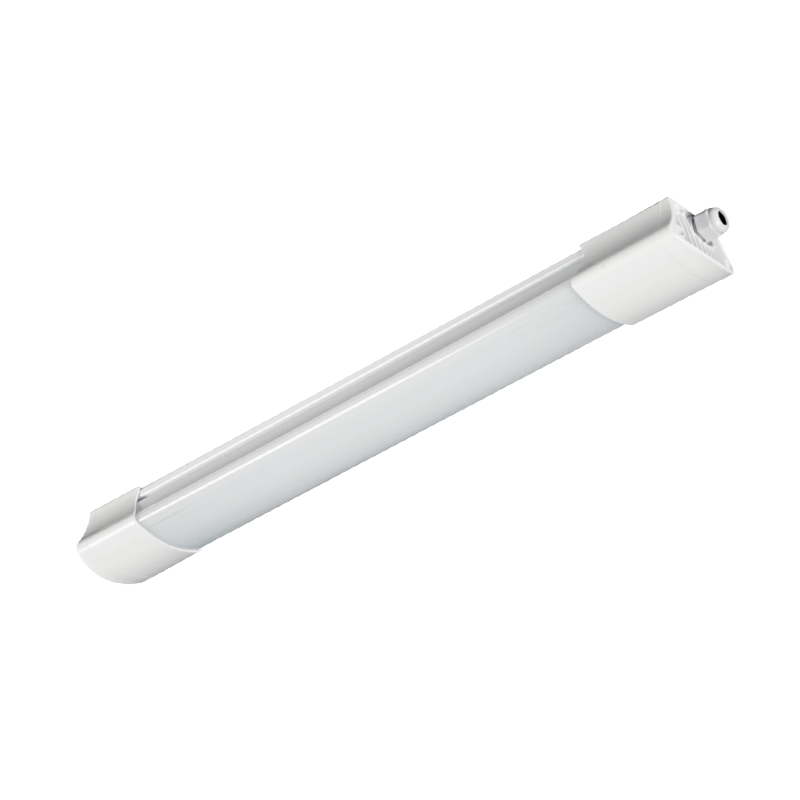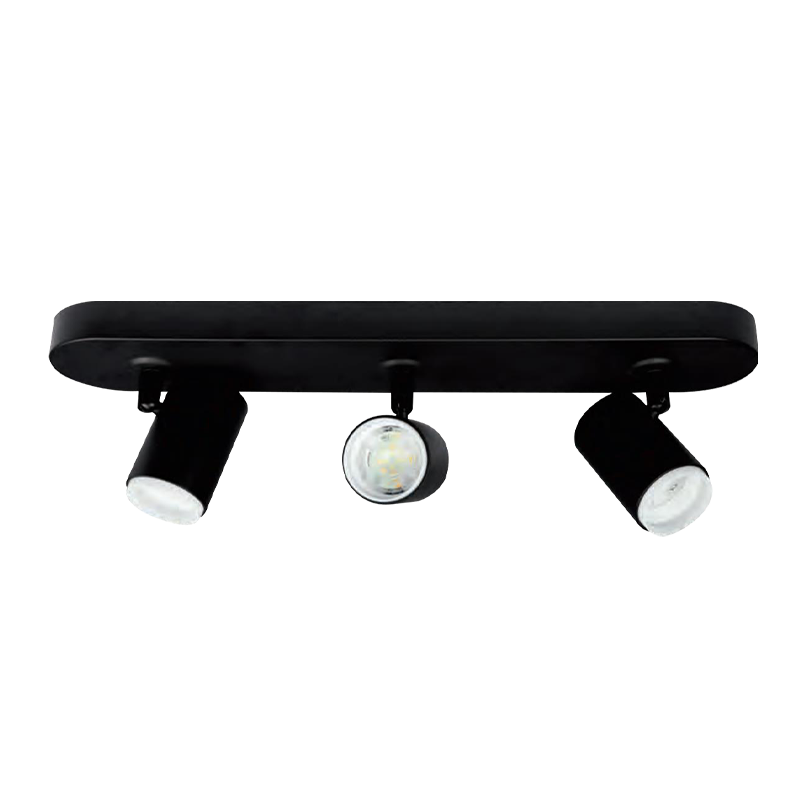


Yes, LED batten lights can be dimmable, but dimming is not an inherent feature of every LED batten fitting. Whether a specific batten light dims smoothly depends on the LED driver inside the fixture, the control interface it supports, and the dimmer switch you pair it with. A non-dimmable driver will not respond to a standard wall dimmer, and forcing it to do so can cause flickering, buzzing, or even premature failure. This guide explains exactly how dimming works in LED batten lights, how to confirm that a product is dimmable, and what to check before you wire it into your lighting system.
As a lighting manufacturer that designs and builds LED batten fittings under one roof, we test our dimmable models against multiple dimmer types and control protocols. The information below reflects our in-house engineering experience, laboratory test results, and field feedback from international projects.
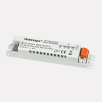
An LED batten light is a linear luminaire typically used in commercial, industrial, and residential settings. Its dimming capability is not determined by the LED chips themselves, but by the LED driver that powers them. The driver converts incoming AC power into a constant current or constant voltage output. A dimmable driver includes a control stage that adjusts the output current or pulse width in response to an external signal.
There are four common control methods used in dimmable LED batten lights:
Some modern LED batten lights also support multiple protocols in one driver, giving you flexibility to choose between a physical dimmer, a wall panel, or a building management system. If you want to understand the technical differences between these protocols, read our article on how commonly used dimming protocols work on LED batten fittings.
When a manufacturer says a batten light is “dimmable”, they must state the compatible dimming method and the dimming range. For example, a fixture may be dimmable from 10% to 100% with a trailing-edge dimmer. Always check the product data sheet before purchase.
If you already have a batten light or are comparing specifications, here are the steps to confirm dimming capability:
At our factory, every dimmable batten fitting is marked with a small dimming symbol near the terminal block. We do this because installers need to identify dimmable features without opening the driver compartment. We also print the dimming range on the product label.
| Feature | Dimmable LED Batten | Non-Dimmable LED Batten |
|---|---|---|
| Driver type | Dimmable constant current driver with control input | Standard constant current driver |
| Brightness control | Yes, typically 10–100% or 1–100% | No, fixed at full output |
| Dimmer compatibility | Must match protocol (TRIAC, 0–10V, DALI, PWM) | Not compatible with dimmer switches |
| Energy saving | Variable – can save 30–80% when dimmed | No dimming saving |
| Flicker performance | High quality drivers are flicker-free at all levels | Usually flicker-free at full load, but not dimmable |
| Cost | 10–25% higher upfront | Lower upfront |
| Installation complexity | Requires control wiring or compatible dimmer | Simple direct AC wiring |
| Suitable applications | Offices, meeting rooms, retail, warehouses, hospitals | Storerooms, utility areas, corridors |
The upfront price difference is small when compared with the long-term energy and flexibility benefits. A dimmable system can also adapt to changing daylight conditions, reducing cooling load because the lights generate less heat when dimmed.
Dimmability adds a layer of control that goes beyond simple on/off switching. Here are the main reasons facility managers and lighting designers choose dimmable batten lights:
We measured energy consumption on one of our 48W dimmable battens in a warehouse mock-up. With a daylight-linked dimming profile that reduced output to 60% during peak daylight hours, the total daily consumption fell by 42% while maintaining the required task illuminance. The chart below illustrates the power consumption pattern over a typical day with and without dimming.
Even when a batten light is dimmable, dimmer compatibility is the most common source of installation problems. A 0–10V batten will not work with a TRIAC dimmer unless the driver is designed to support both interfaces. The dimmer must also be rated for LED loads, not just incandescent or halogen lamps.
We publish a specific dimmer compatibility list for each batten fitting model. For example, our 0–10V battens are tested with Lutron, Legrand, Leviton, and Philips Advanced drivers. Our phase-cut battens are compatible with leading and trailing edge dimmers from the same manufacturers, as long as the dimmer load is within the stated range. If you are unsure which protocol to use, read our detailed comparison of commonly used dimming protocols.
Even with the right components, dimming can sometimes fail to deliver smooth control. Below are the typical issues we see from field installations and our factory troubleshooting guide:
| Symptom | Likely Cause | Solution |
|---|---|---|
| Flicker at low dim levels | Dimmer minimum load not met or incompatible dimmer | Add a compatible load resistor or use a dimmer designed for lower wattage |
| Light turns off before slider reaches minimum | Driver minimum dimming level is too high or dimmer trim setting is wrong | Adjust dimmer trim, or select a driver with a lower minimum dimming level |
| Audible buzzing from fixture | Acoustic resonance caused by PWM frequency or dimmer waveform | Replace dimmer with a trailing-edge type; contact factory for alternate driver |
| Inconsistent brightness across multiple fixtures | Different driver batches or voltage drop in control wiring | Ensure same driver model; keep 0–10V control wire length under 100m (328ft) |
| Dimmer does not respond | Wiring mistake or driver not dimmable | Verify terminal connections; confirm driver model is dimmable |
| Light flashes when switched on | LED driver inrush current causes a compatibility issue | Use a dimmer with higher inrush rating or an electronic circuit breaker |
If you encounter a compatibility issue that is not on this table, check the manufacturer’s application note. Our technical team also provides remote assistance for projects using our fixtures.
Our product range includes several LED batten fittings designed for dimming. Each model is available in multiple lengths, wattages, and colour temperatures. The fixtures below are representative of our dimmable options and are built with our own matching LED drivers.
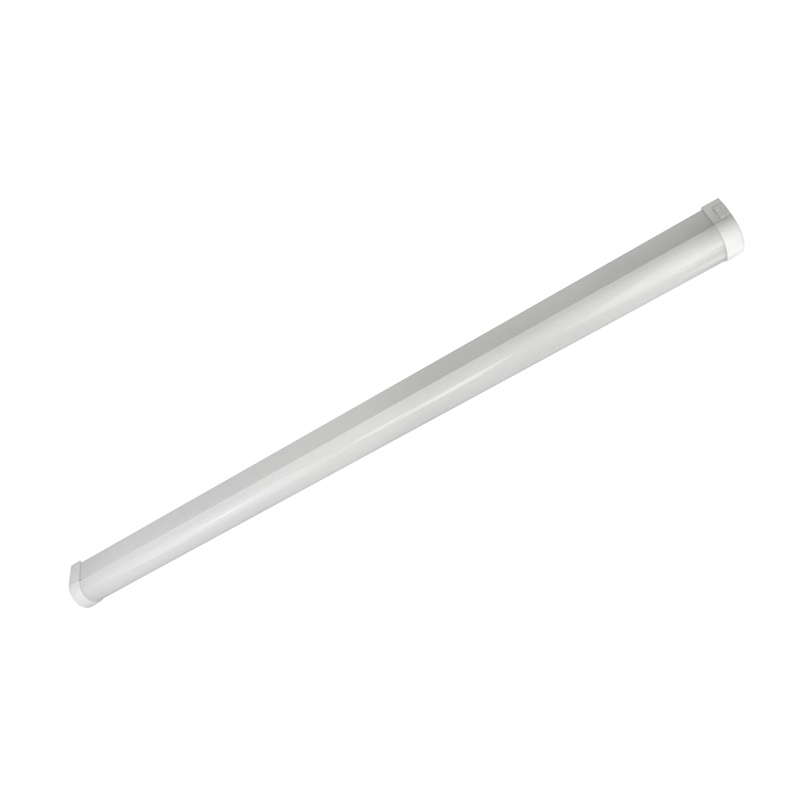
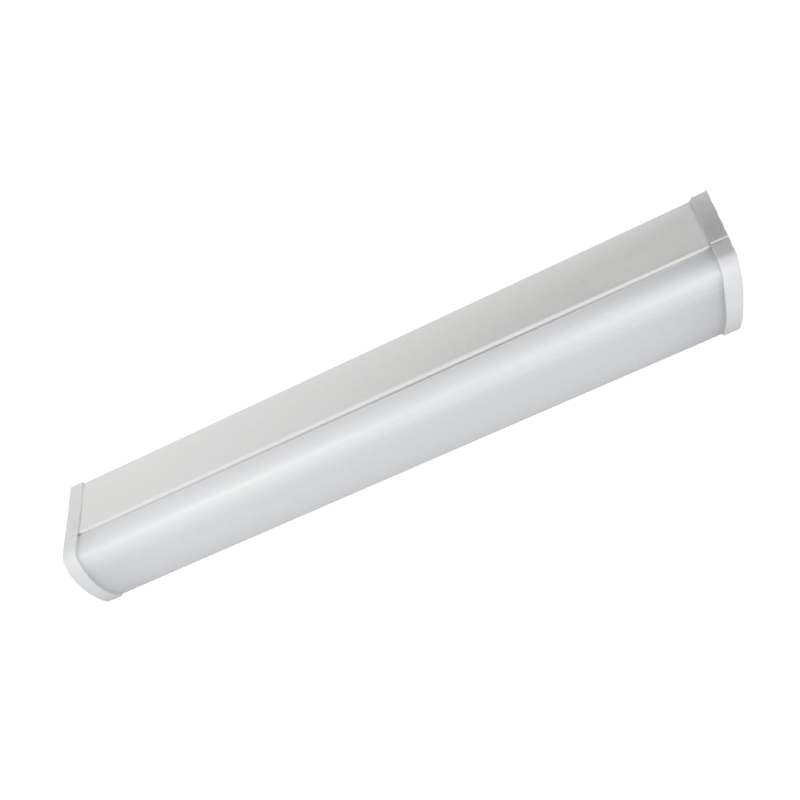
The LG15D is an ultra-slim batten fitting with a 120° beam angle, ideal for surface mounting in modern offices and retail spaces. It supports phase-cut dimming (leading or trailing edge) and can be dimmed to 5% with compatible dimmers. The housing is made from cold-rolled steel with a white powder coating, and the diffuser provides a uniform light distribution with a UGR of less than 19. Wattage options range from 20W to 60W, with luminous efficacy up to 150 lm/W. This model is also available with a microwave sensor for daylight harvesting and presence detection.
 LG15D Slim LED Batten with 120° Beam for Modern InteriorsThis ultra-slim batten offers phase-cut dimming down to 5% and high efficacy up to 150 lm/W, ideal for offices and retail spaces.View Product →
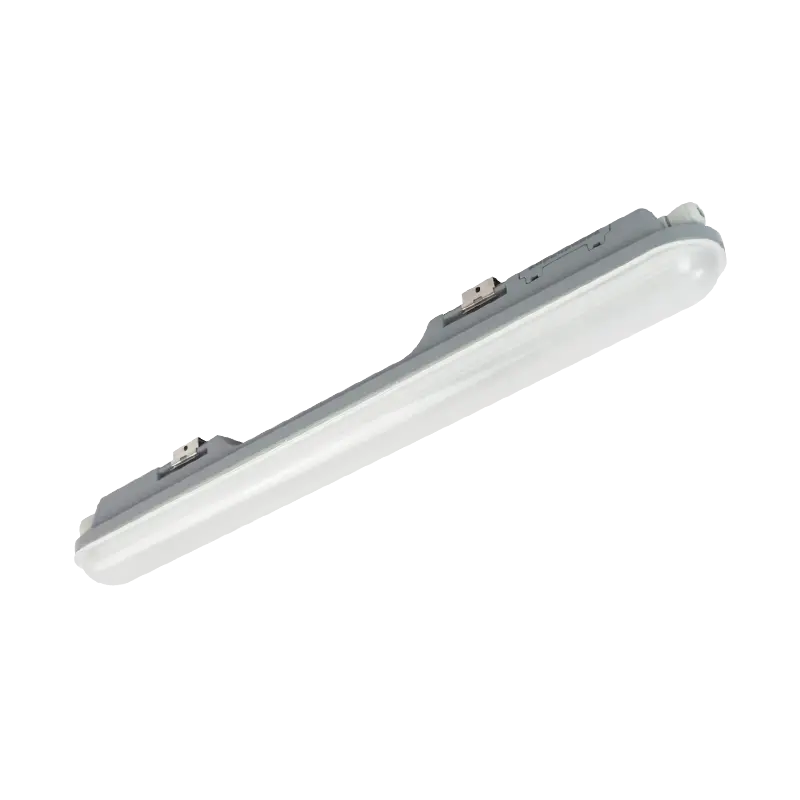
The LG15A is a robust linear batten that supports 0–10V dimming as standard. It is designed for offices, schools, and healthcare facilities that need integration with building management systems. The fixture offers a wide dimming range from 1% to 100%, and it is available in 1.2m and 1.5m lengths. The LG15A includes a quick-connect terminal block for easy control wiring, and its die-cast aluminium end caps provide mechanical strength. With an IP20 rating, it is best used in dry indoor environments.
 LG15A Robust Linear Batten with 0–10V DimmingA durable indoor batten with wide dimming range and quick-connect wiring, suited for building management integration in dry environments.View Product →
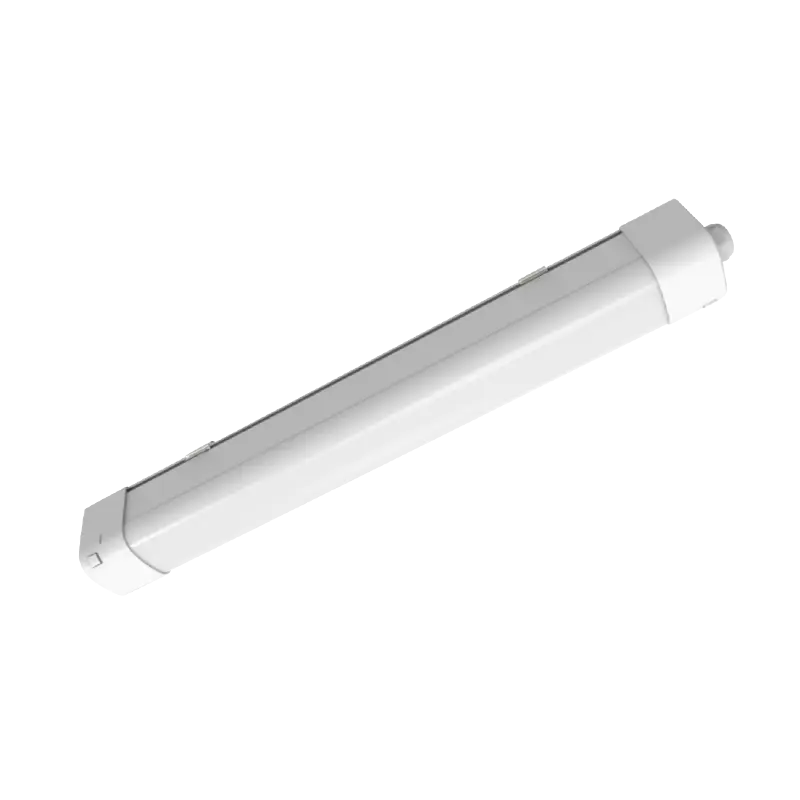
For narrow spaces such as shelves, counters, and display cabinets, the LG05BN provides a compact batten solution with TRIAC dimming capabilities. Its slim profile is only 48mm wide, and it can be surface mounted or suspended. The LG05BN uses a constant current driver with a passive PFC, achieving a power factor above 0.9. It is dimmable from 10% to 100% and is compatible with most universal dimmers. This model is a popular choice for furniture manufacturers and retail fit-out companies.
LG05BN Compact Batten for Narrow Spaces and ShelvesWith TRIAC dimming and a slim 48mm profile, this fixture fits display cabinets and counters while offering simple installation.View Product →
All these fixtures are tested in our in-house laboratory for dimming curve, flicker rate, and electromagnetic compatibility before shipment. We can also customise the driver to support DALI or 0–10V with a different dimming range, depending on your project requirements.
Selecting a dimmable batten fitting is not just about picking a model that says “dimmable”. You need to verify several parameters to ensure the light performs as expected in your specific application.
If you are replacing fluorescent tubes with LED battens, dimmable versions may require a separate control wire. In a retrofit, the existing dimming wire may only be present for 0–10V or DALI systems. For phase-cut dimming, no extra wire is needed, but the dimmer must be rated for LED loads. We always recommend consulting an electrician or lighting designer before retrofitting.
Correct wiring is critical for stable dimming performance. Here are the main points to follow during installation:
For suspended installations, ensure the batten light is securely fixed to the ceiling through its mounting brackets or suspension wires. Dimmable battens carry the same mechanical installation requirements as non-dimmable ones; dimming does not change the mounting method.
Manufacturers state dimming range in their datasheets, but how is that range measured? In our laboratory, we use a photometric integrating sphere combined with a digital power meter to record light output and power consumption from 1% to 100% driver setting. We also measure output ripple and flicker percentage using a fast-response photodetector.
The graph below shows a typical dimming curve for one of our phase-cut batten drivers. The curve is nearly linear in perceived brightness when the driver uses a logarithmic output function.
When evaluating a dimmable batten, ask the manufacturer for the dimming curve data. If they only provide a percentage range without a curve, the dimming quality may be unpredictable, especially in the lower 10% of the range.
Dimmable LED batten lights are often used in the same indoor locations as non-dimmable units, but there are a few environmental factors that can affect performance:
For roadway or industrial high-bay applications, IP66-rated tri-proof batten lights can also be dimmable. The same dimming principles apply, but the control wiring must enter through a waterproof gland. If you need to understand the relationship between housing design and dimming performance, our article on LED batten fitting fire hazards covers some related installation safety aspects.
Dimming does not inherently shorten LED life. In fact, running LEDs at a reduced current lowers the junction temperature, which can prolong the L70 lifetime. The risk comes from a poor-quality driver that introduces excessive ripple or operates outside its design range. Our dimmable drivers are designed to maintain a ripple current below 30% at all dimming levels, which prevents LED chip stress.
Maintenance for dimmable battens is similar to non-dimmable units: clean the diffuser regularly, check the driver connections during routine inspections, and replace the fixture if the LED module fails before the driver. Because the driver is enclosed in the batten housing, you cannot replace it separately in most models unless the design includes a sliding driver compartment. If your project requires in-situ driver replacement, choose a batten with a serviceable driver tray – this is a feature we offer on selected LG15 models.
For industrial environments, vibration can loosen terminal screws over time. Use ferrules on stranded wires and tighten screws to the specified torque. Our terminal blocks accept solid or stranded wires up to 1.5 mm². If vibration is severe, consider using thread-locking compound or zip ties to secure the wiring.
Although dimmable fixtures have a higher purchase price, the total cost of ownership can be lower in applications that actually use the dimming function. The table below shows a simple comparison for a 50-batten installation in a small factory.
| Cost Item | Non-Dimmable | Dimmable (with sensor) |
|---|---|---|
| Initial purchase (average) | $2,750 | $3,450 |
| Dimmer/sensor costs | $0 | $1,200 |
| Installation labour | $600 | $850 |
| Annual energy cost | $2,880 | $1,670 |
| 5-year total energy cost | $14,400 | $8,350 |
| Total cost over 5 years | $17,750 | $13,850 |
This example assumes a 10-hour working day, 60% average dimming output, and an electricity price of $0.15/kWh. Actual savings vary by tariff and dimming profile. The payback period for the extra investment is usually under 18 months in spaces with daylight access.
No. Only fixtures with a dimmable LED driver can be dimmed. Attempting to dim a non-dimmable batten with any type of dimmer will cause flickering and may permanently damage the driver.
Yes. The dimmer must be compatible with the driver's control type and must be rated for LED loads. A standard incandescent dimmer may not work correctly with low-wattage LED fixtures.
Most dimmable battens offer 10% to 100% dimming. Premium drivers can dim to 1% or 5%. Look for the minimum dimming value in the datasheet; 1% is preferred for spaces that require very low night-time light levels.
Yes, if the sensor provides a compatible control output (0–10V, DALI, or a switch that toggles between two brightness levels). You can also use a sensor to turn the lights on and off while leaving the dimming function to a separate controller.
This is often caused by a dimmer that is not designed for low minimum loads, or a driver with a dimming curve that does not correlate with the dimmer's conduction angle. Check the compatibility list and replace the dimmer if necessary.
They usually cost 10% to 25% more than non-dimmable versions. However, the added flexibility and energy savings can offset the initial cost in applications where dimming is used regularly.
When you purchase LED batten lights directly from a manufacturer, you get more than a product catalogue. You get access to the engineers who designed the driver, the test technicians who validated the dimming curve, and the quality team that inspects every batch. Our factory in Ningbo operates SGS and TUV witness laboratories, which means dimming compatibility and electromagnetic compliance are tested in-house before products are shipped.
We are a member of the China Lighting Standardization Technical Committee and hold over 120 patents related to LED lighting and modular assembly. This engineering base allows us to produce dimmable battens with custom dimming ranges, driver response curves, and control protocols. Whether you need a standard TRIAC dimmable model or a fully addressable DALI system, our team can support your project from sampling to mass production.
If you are evaluating dimmable LED batten lights for an upcoming project, we encourage you to ask for the dimming test report and a sample unit. That is the only way to verify that the light meets your expectations for smooth flicker-free dimming.



No.8, Ankang West Road, Zonghan Street, Cixi City, Zhejiang Province, P.R.China
0086-574-6320 0283
Copyright © Ningbo Longer Lighting Co., Ltd.
All Rights Reserved.
 Wholesale LED Lighting Fixtures Manufacturers

 Deutsch