

The short answer is yes: you can use an LED bulb in a tri-light lamp, and even a standard LED will work safely. But a standard LED delivers only one brightness level. To understand why, and to know which bulb preserves all three steps, it helps to look at how a tri-light socket is built.
A tri-light lamp, also called a 3-way lamp, uses a rotary switch with four positions: off, low, medium, and high. The socket is an E26D base, which looks like the familiar E26 base but has three contacts instead of two. The threaded shell is the neutral connection, the center tip carries the first switched circuit, and a concentric metal ring around the tip carries the second switched circuit.
A classic 3-way incandescent bulb contains two separate filaments inside one glass envelope. One filament connects the neutral shell to the center tip; the second connects the neutral shell to the ring contact. The switch energizes one filament for low, the other for medium, and both together for high. That is how the old 50/100/150W bulbs worked: the 50W filament alone gave low, the 100W filament alone gave medium, and both together gave 150W.
Think of it like a car with two engines. You can run the small engine, the large engine, or both at the same time. The tri-light switch simply decides which engine or engines receive power.
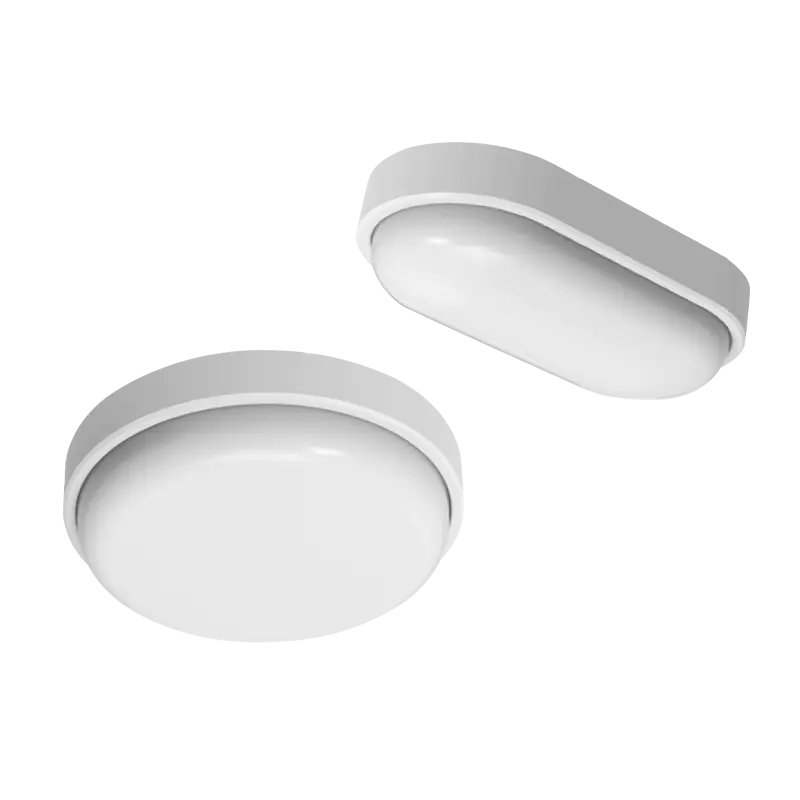
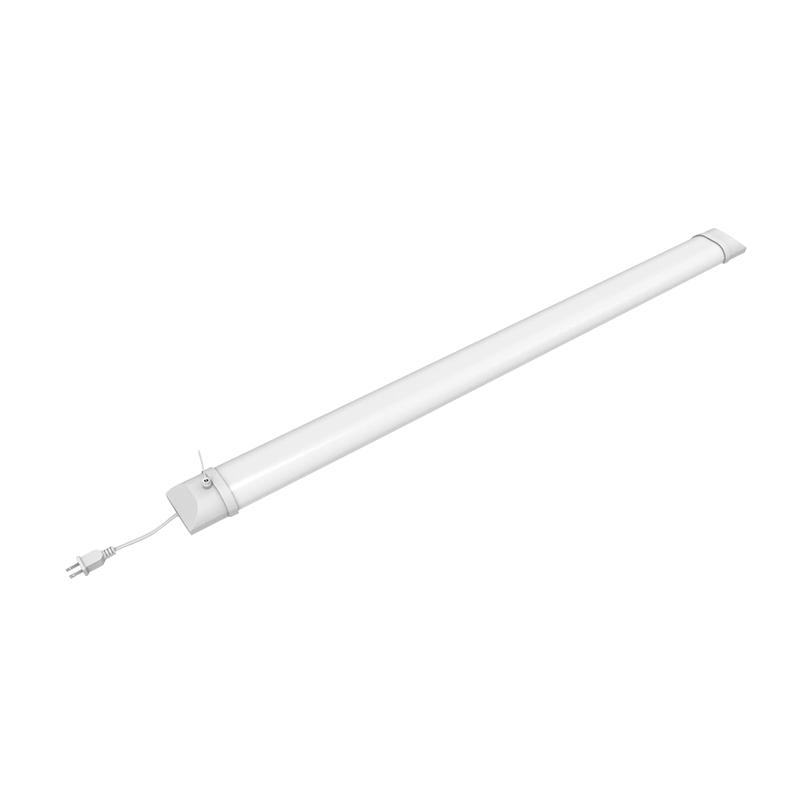
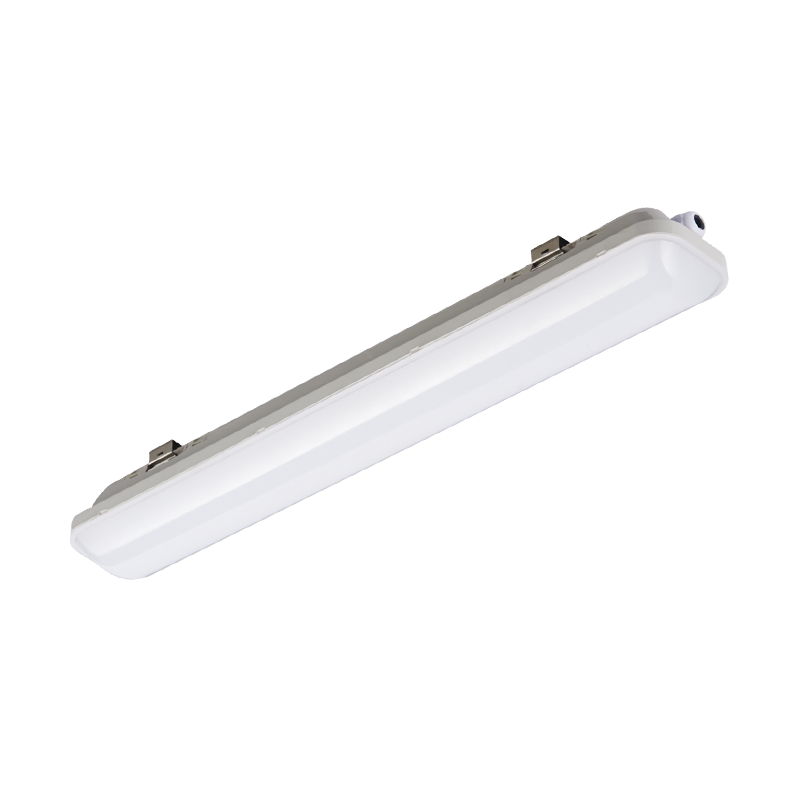
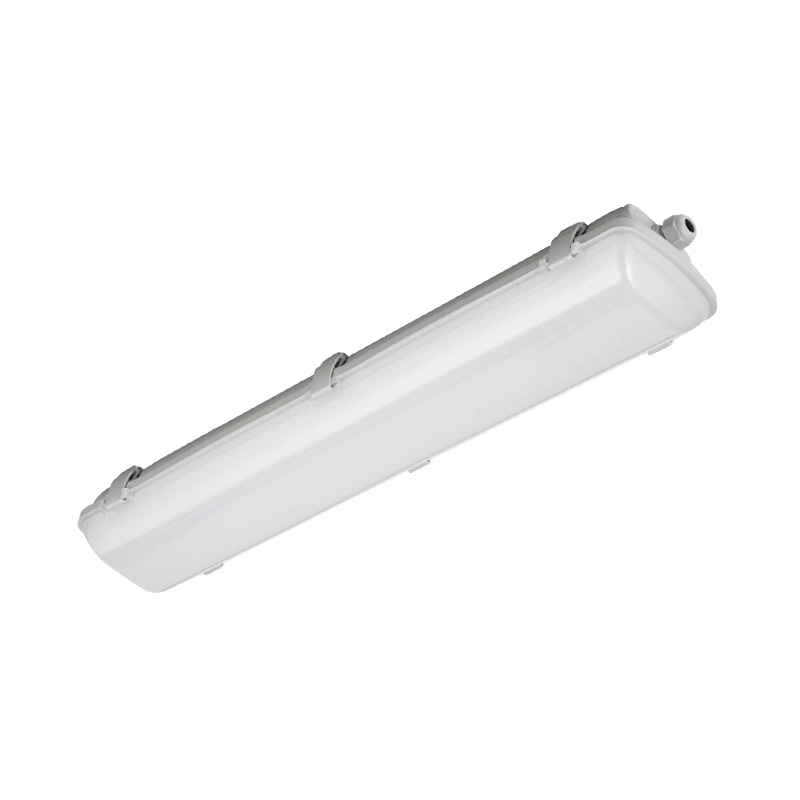
Tri-light lamp sockets are standard household equipment in the United States, which is why fixture manufacturers build dedicated LED products for that market. If you are planning a broader LED upgrade, Longer Lighting's North American LED lighting fixtures range covers vapor-tight fixtures, shop lights, and backlit panels engineered for North American voltage and safety requirements.
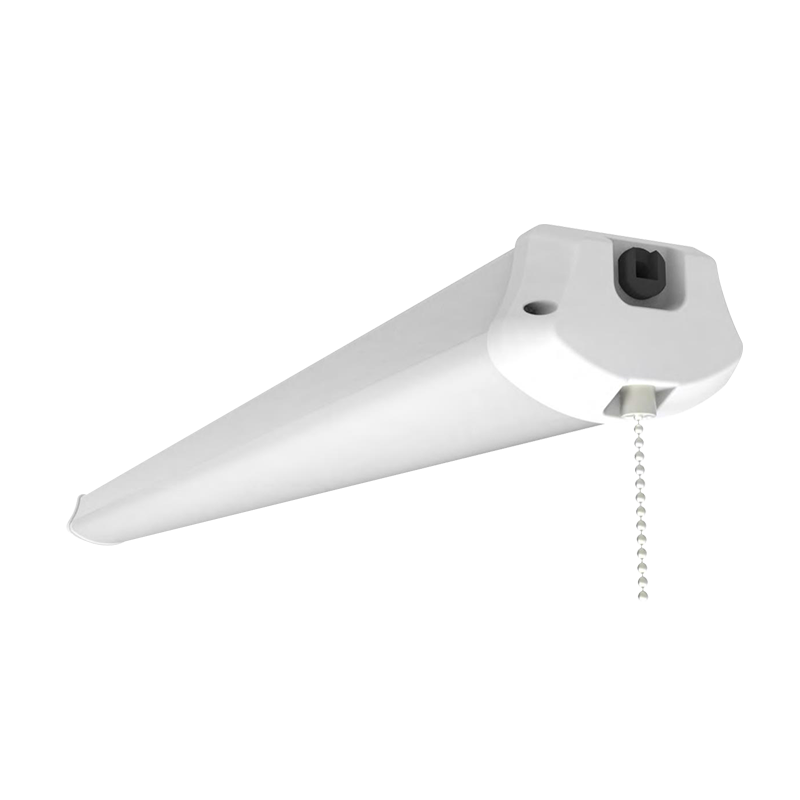 North American LED Lighting Fixtures Manufacturers, FactoryNingbo Longer Lighting Co., Ltd. is China North American LED Lighting Fixtures Manufacturers and Wholesale LED Shop Light Factory, offer ...View Product →
Yes. A standard LED bulb with an E26 base fits a tri-light socket mechanically, because the thread diameter and pitch are identical. The bulb seats correctly, the neutral shell connects, the center tip connects, and the lamp will not damage the bulb or the fixture. This is safe to do.
The limitation is functional. A standard LED contains one driver and one light engine. There is no second circuit inside the bulb that can connect to the socket's ring contact, so the bulb cannot respond to the second switch circuit. In practice, the four switch positions change from low, medium, high to a simple on/off pattern. Depending on how the lamp is wired, users typically report on-on-off-off or on-off-on-off: the bulb lights at full brightness on the first or second click and turns off at the third. It never produces a middle brightness step.
Why does the pattern vary from lamp to lamp? Because each socket layout energizes the center tip at different switch positions. The bulb only sees the center tip and the neutral shell, so any position that feeds the tip turns it on, and any position that bypasses the tip turns it off. The ring contact simply has nothing to connect to inside a single-circuit LED.
If you rarely adjust brightness and you want the cheapest way to convert a tri-light lamp to LED, a standard LED is an acceptable choice. Just set the right expectation: you get full brightness or no light.
A dimmable LED bulb will not restore the three-step function. Dimmable LEDs are engineered to work with a phase-cut dimmer switch that reduces power by chopping the AC waveform. A tri-light socket contains no dimmer; it is a multi-position switch that closes one circuit, the other circuit, or both at full line voltage.
Because no dimming signal ever reaches the bulb, a dimmable LED in a tri-light socket behaves exactly like a standard LED: full brightness or off. The dimming feature is unusable, and the sudden full-voltage switching can cause momentary flicker or a soft hum in some models. You can use a dimmable LED safely, but it will not give you low, medium, and high. The only bulb type that reproduces the original tri-light behavior is one with two separate driver circuits.
To keep the low, medium, and high steps, you need a dedicated 3-way LED bulb, sometimes labeled Tri-Light on the package. These bulbs contain two independent LED driver circuits inside the same envelope. One driver connects to the center tip contact of the E26D base; the other connects to the ring contact. The lamp switch controls the two drivers exactly the way it controlled the two filaments in an old incandescent bulb: low powers the first circuit, medium powers the second, and high powers both.
Most 3-way LEDs follow the classic rating formula of 50/100/150W equivalent, producing roughly 500 to 1,600 lumens across the three steps depending on brand. The dual-driver design is also why these bulbs cost more: at North American retail, expect about $8 to $15 per bulb for a 3-way LED versus $2 to $5 for a standard LED. The premium pays for two constant-current drivers, a larger heat sink, and a bigger glass envelope.
Before buying, check the package for the words "3-Way" or "Tri-Light." A bulb that only says "Dimmable" will not act as a three-step bulb. Also measure the shade or harp clearance, because most 3-way LEDs use the taller A21 envelope rather than the standard A19 shape.
From an engineering standpoint, the driver is what makes an LED predictable: it converts line power into a steady current for the LED chips. The same principle applies to larger LED fixtures, and longer-lasting installations often rely on well-matched drivers. Longer Lighting's LED power supply solutions include constant-current and constant-voltage drivers for commercial and industrial luminaires that need a separate power source.
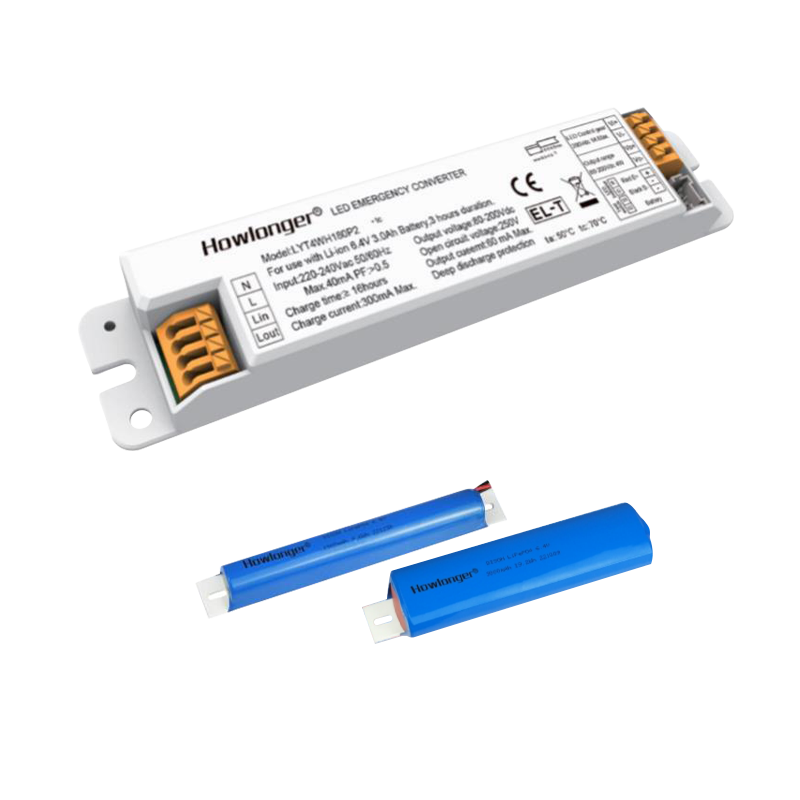 Wholesale Indoor LED Power Supply Factory, ManufacturersNingbo Longer Lighting Co., Ltd. is China LED Power Supply Manufacturers and LED Power Supply Factory, supply Wholesale LED Power Supply ...View Product →
Before you screw in any LED bulb, a one-minute check up prevents the most common tri-light problems.
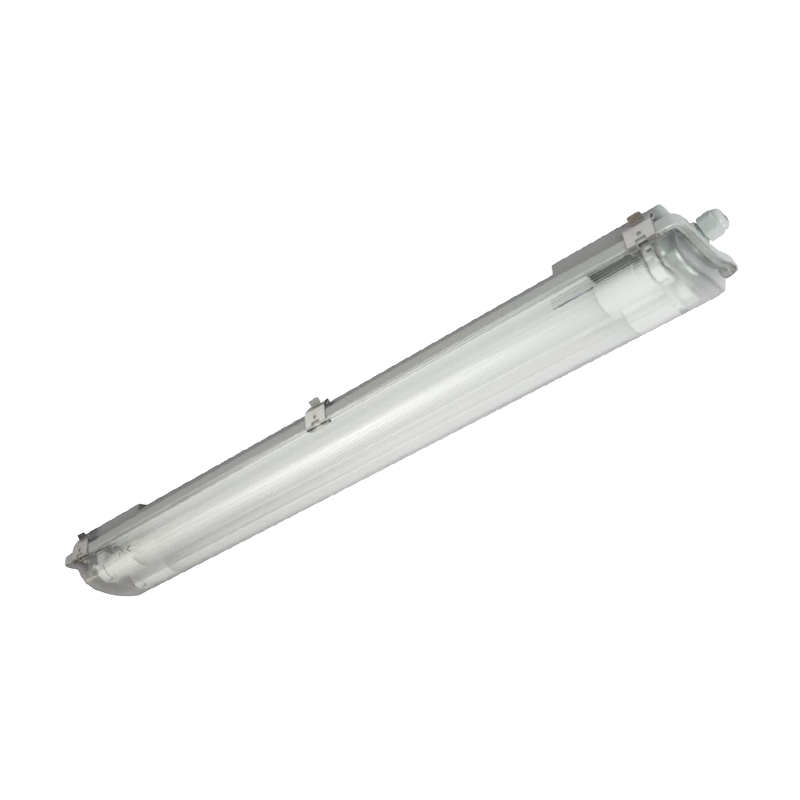
If your tri-light lamp sits in a garage, workshop, or semi-outdoor area, a household socket may not be the most durable solution even with a correct bulb. Moisture, dust, and temperature swings call for sealed fixtures with proper ingress protection. For those environments, industrial-grade LED tri-proof lights are built with sealed, impact-resistant housings and are a stronger choice than an open tri-light lamp.
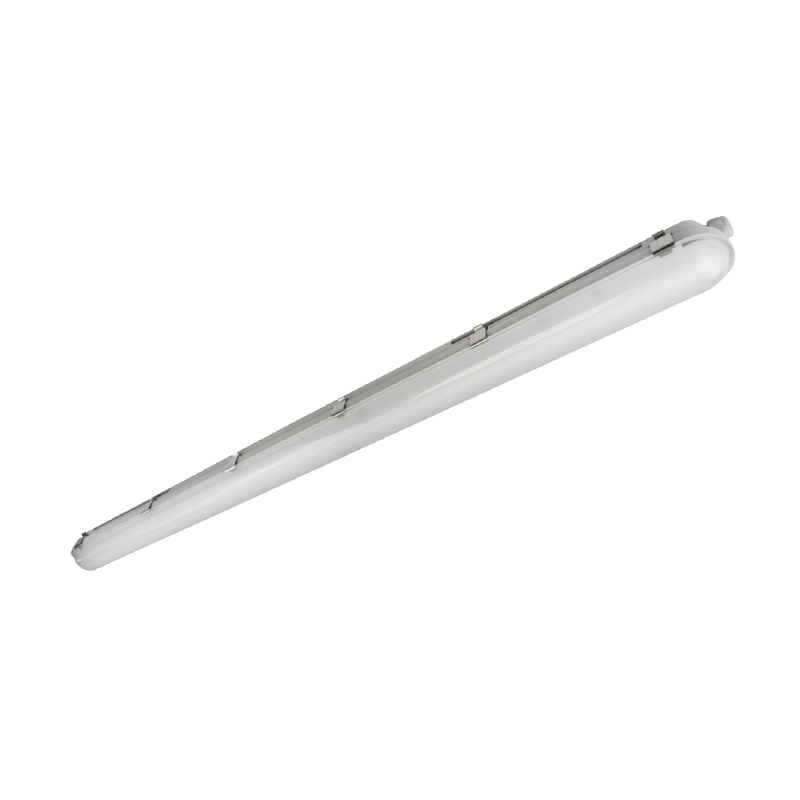 Wholesale Indoor LED Tri-Proof Light Manufacturers, FactoryNingbo Longer Lighting Co., Ltd. is China Indoor LED Tri-Proof Light Manufacturers and Factory, offer Wholesale LED Tri-Proof Light used ...View Product →
Your decision comes down to whether the low, medium, and high steps matter in daily use.
| Bulb type | Behavior in a tri-light socket | Typical retail price | Best for |
|---|---|---|---|
| Standard LED (non-dimmable) | Full brightness only; switch cycles on and off | $2-$5 | Budget conversion when 3-way function is not needed |
| Dimmable LED | Same as standard; dimming does not function in this socket | $4-$10 | Households that may move the bulb to a dimmer-controlled fixture later |
| 3-Way LED | Low, medium, and high all work correctly | $8-$15 | Preserving the lamp's original three-step function |
Two final checks before purchase: measure the space above the socket if you are considering an A21 3-way LED, and verify the lamp's wattage label so the equivalent rating stays within the socket's limit.
So can you use an LED bulb in a tri-light? Yes, with the right expectations. A standard LED works safely in a 3-way socket, but it behaves like a one-brightness lamp: full on or off. A dimmable LED does not improve that behavior, because the socket never sends a dimming signal. If you want low, medium, and high to survive the upgrade, buy a dedicated 3-Way LED bulb, check the socket's wattage label, leave room for heat to escape, and clean the contacts if a step starts to flicker. For most households, a 3-Way LED is the only bulb type that truly replaces the old 50/100/150W three-step incandescent.



No.8, Ankang West Road, Zonghan Street, Cixi City, Zhejiang Province, P.R.China
0086-574-6320 0283
Copyright © Ningbo Longer Lighting Co., Ltd.
All Rights Reserved.
 Wholesale LED Lighting Fixtures Manufacturers

 Deutsch